Driving with Efficiency: The Link Between Your Car's AC Hoses and Fuel Economy

Discover how a defective AC system can affect your fuel usage and the steps to upkeep your car's AC system for peak performance.
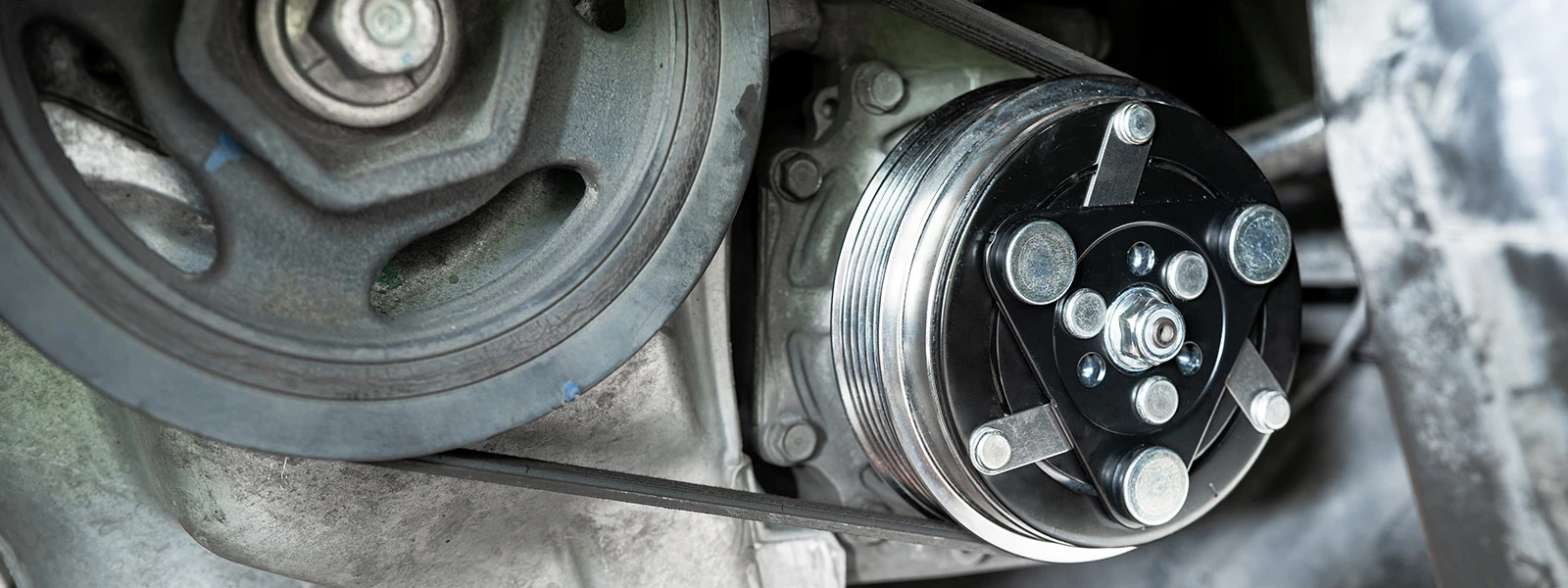
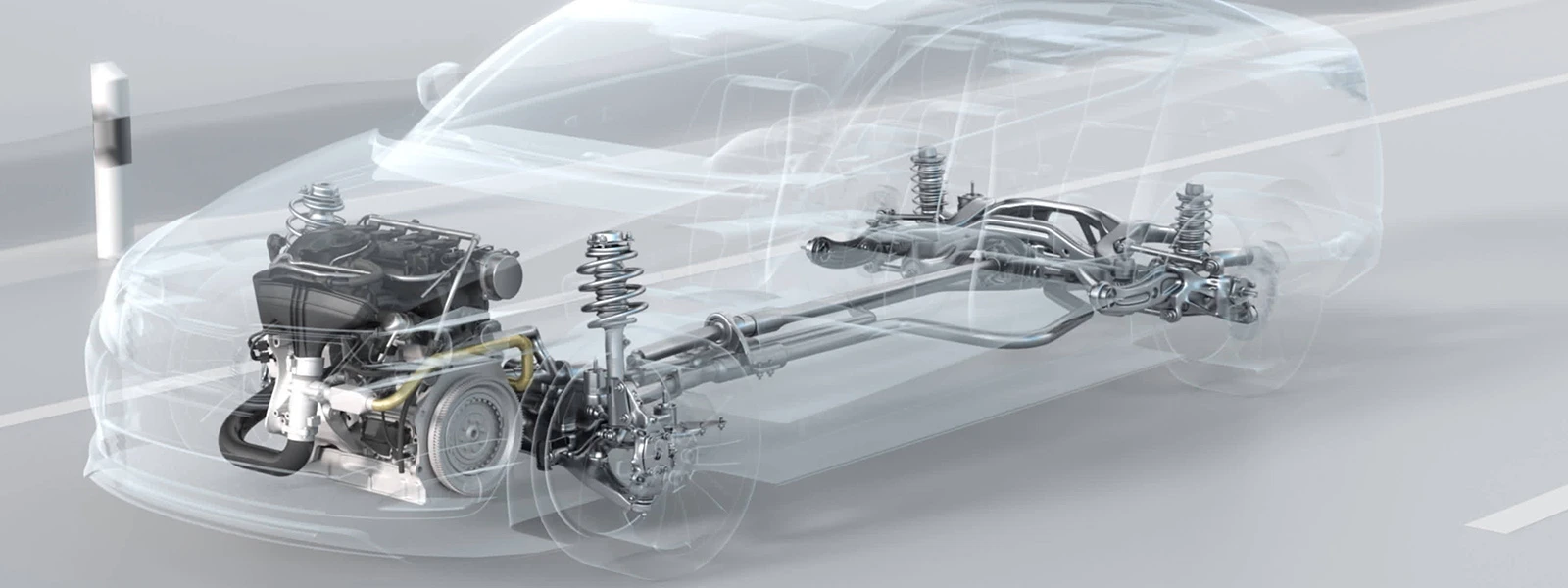
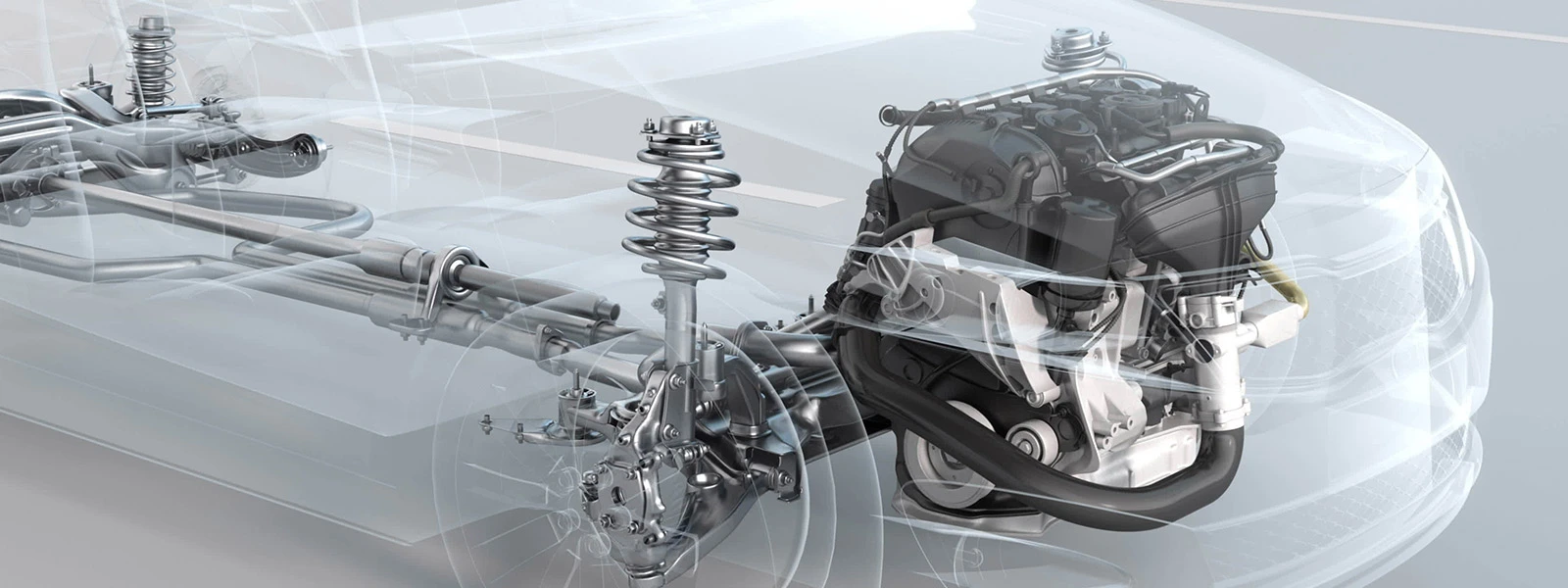
As a car owner, you know how important it is to keep your vehicle running smoothly and efficiently. One of the key factors in achieving this goal is fuel efficiency. The more efficiently your car uses fuel, the less money you'll spend on gas, and the better it is for the environment. But do you know that your car's AC hoses can have a significant impact on your fuel economy? AC hoses play a crucial role in your car's cooling system, and any damage or wear and tear can lead to decreased efficiency and increased fuel consumption. Understanding the link between your car's AC hoses and fuel economy is essential to keep your car running at its best and save money at the pump.

How AC Hoses Affect Fuel Efficiency
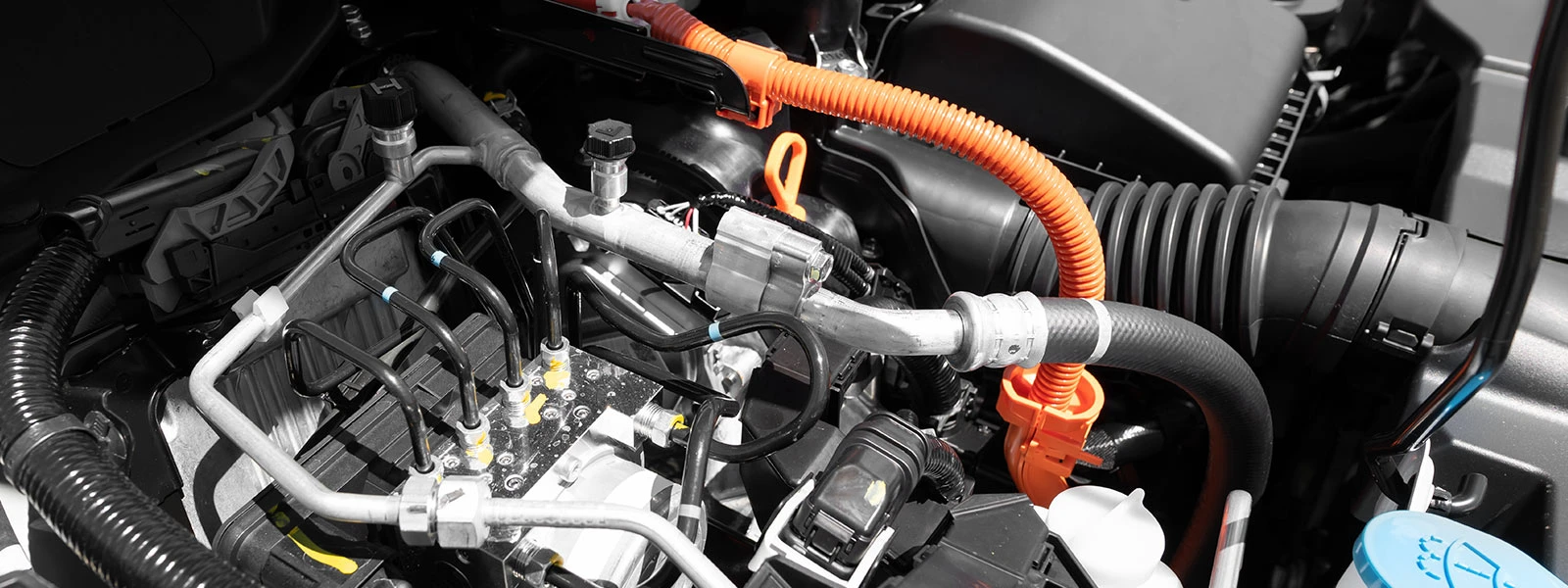
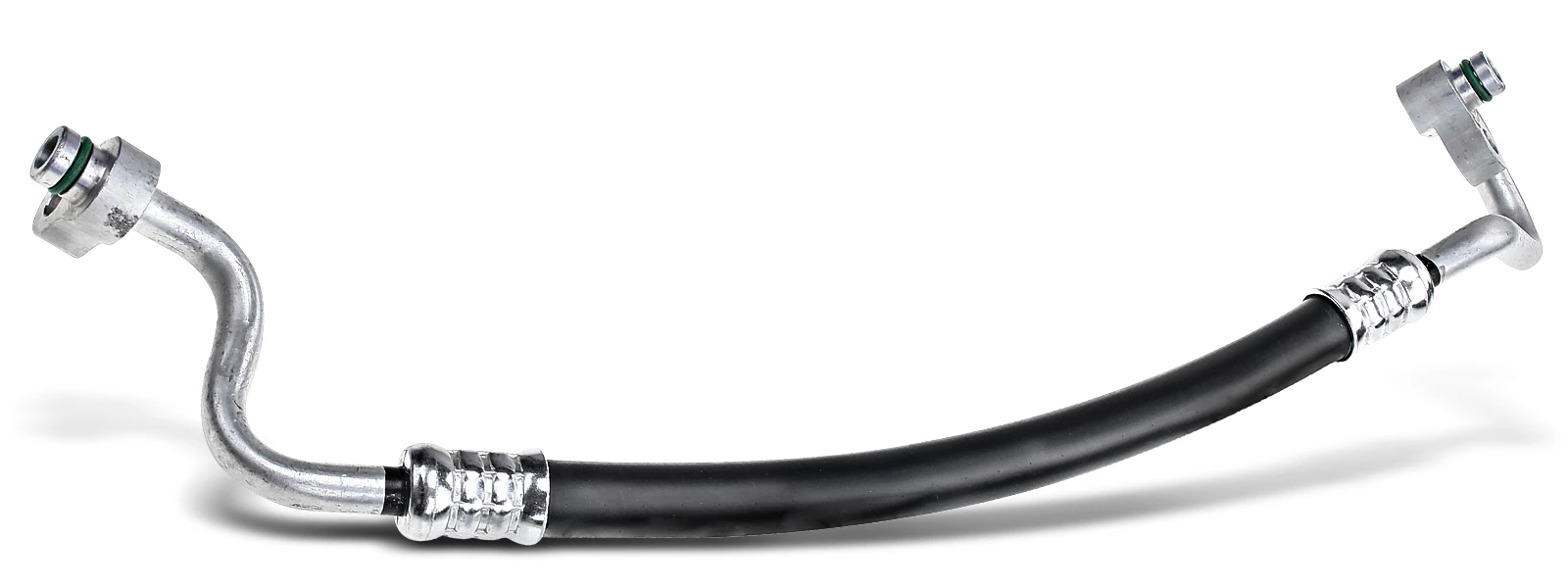
AC hoses are an essential component of your car's cooling system. They matter a lot in maintaining the optimal temperature inside your car by transporting refrigerant between the compressor and the evaporator. However, AC hoses can also have a significant impact on your car's fuel efficiency.
One way that AC hoses affect fuel efficiency is by impacting the air conditioning system's workload. When AC hoses are damaged, they can cause the air conditioning system to work harder than necessary to maintain the desired temperature. This extra work can increase fuel consumption, causing your car to burn more gas and reducing your fuel efficiency.
Moreover, damaged AC hoses can also directly impact the air conditioning system's performance. If AC hoses are clogged or leaking, the refrigerant may not be able to flow properly through the system, reducing its ability to cool the air. This reduced cooling performance can lead to an increase in fuel consumption as the air conditioning system is forced to work harder to cool the car's interior. The impact of damaged AC hoses on fuel efficiency can not be overstated. Any issue with AC hoses can lead to a decrease in fuel economy, costing you more money at the pump and impacting the environment. As such, it's essential to have your AC hoses inspected regularly and replaced if necessary to ensure that they are functioning correctly.
Investing in high-quality AC hoses can also help improve your car's fuel efficiency. Quality AC hoses are designed to last longer and resist damage, reducing the likelihood of issues arising that can impact fuel consumption. By upgrading to high-quality AC hoses, you can improve your car's performance and save money on fuel costs over the long term.
Signs of AC Hose Damage and Its Effect on Fuel Economy
AC hoses play a critical role in your car's air conditioning system, and any damage or wear and tear can significantly impact the system's performance and fuel economy. Understanding the signs of AC hose damage and its effects on fuel economy is essential for maintaining your car's efficiency and avoiding costly repairs.
A reduction in the cooling performance of your car's air conditioning system is one of the most common signs of AC hose damage. If your car's air conditioning system is struggling to maintain the desired temperature, it could be a sign that the AC hoses are damaged or clogged. This reduced cooling performance means that the air conditioning system has to work harder to cool the car's interior, increasing its workload and fuel consumption.
Another sign of AC hose damage is leaking refrigerant. AC hoses transport refrigerant between the compressor and the evaporator, and any leaks in the hoses can cause the refrigerant to escape, reducing the system's ability to cool the air. This reduced cooling performance can lead to an increase in fuel consumption, as the air conditioning system works harder to maintain the desired temperature.
Foul odors coming from the air conditioning system can also be a sign of AC hose damage. If AC hoses are clogged or leaking, moisture can build up in the system, leading to the growth of bacteria and fungi. This growth can cause a foul odor, which can impact the car's interior air quality and increase fuel consumption as the air conditioning system works harder to maintain a comfortable temperature.
So know you can see any damage to your car's AC hoses can lead to a decrease in fuel economy, costing you more money at the pump and impacting the environment. Regular inspections and maintenance of AC hoses are crucial to avoid potential problems and ensure that your car's air conditioning system operates correctly and efficiently.
Best Practices for Maintaining AC Hoses to Improve Fuel Efficiency
Maintaining your car's AC hoses is critical to ensure that your air conditioning system operates efficiently, maximizing your car's fuel economy. Regular maintenance and inspection of AC hoses can help detect potential issues before they become severe and prolong the life of your car's air conditioning system.
Regular visual inspections are among the best practices for maintaining AC hoses. Inspect the hoses for any signs of wear and tear, including cracks, bulges, or leaks. It is also essential to check for any loose fittings, as they can cause air leaks and reduce the system's efficiency. If you notice any signs of damage, it's crucial to have the hoses replaced promptly to avoid more severe problems and increase fuel consumption.
Regular cleaning is another essential practice for maintaining AC hoses.Dirt and debris can accumulate on the hoses, causing clogs that reduce the system's airflow and increase its workload. Clean the hoses with a soft brush or cloth and a mild cleaning solution to remove any dirt or debris. It is also recommended to have the entire air conditioning system professionally serviced at least once a year to ensure that it operates efficiently.
Investing in high-quality AC hoses is also essential for improving fuel efficiency and overall car performance. High-quality hoses are more durable and can withstand high pressure and temperature, ensuring that the air conditioning system operates correctly and efficiently. Additionally, high-quality hoses can help prevent potential issues and reduce the likelihood of costly repairs and replacements.
Other Factors that Affect Fuel Efficiency
While AC hoses play a crucial role in your car's fuel efficiency, there are other factors that can affect it as well. It is essential to address these factors to ensure that your car operates at its optimal level and minimize the environmental impact.
Regular cleaning is another essential practice for maintaining AC hoses. Properly inflated tires can improve fuel efficiency by reducing rolling resistance and improving handling. Check your tire pressure regularly, as underinflated tires can reduce fuel economy by up to 3%. Overinflated tires, on the other hand, can cause uneven tire wear and affect the car's handling. Keeping your tires at the correct pressure level can help you save money on fuel costs and prolong the life of your tires.
Tire pressure is a significant factor that can impact fuel efficiency. The air filter is responsible for filtering out dirt and debris from the air that enters the engine. A dirty or clogged air filter can reduce the engine's airflow, causing it to work harder and consume more fuel. Regularly checking and replacing the air filter can improve fuel efficiency and prolong the engine's life.
Apart from these factors, your driving style can also significantly impact fuel efficiency. Aggressive driving, such as speeding, rapid acceleration, and hard braking, can decrease fuel economy. Smooth acceleration and gentle braking can help you save fuel and reduce the wear and tear on your car.
It is also essential to maintain your car's engine, including regular oil changes and tune-ups. A well-maintained engine can operate more efficiently and consume less fuel. Using the right motor oil can also improve fuel efficiency by reducing engine friction.
AC Hose FAQs
How often should I have my AC hoses inspected to ensure optimal fuel efficiency?
Regular maintenance of your car's AC hoses is essential for ensuring optimal fuel efficiency. Experts recommend having your AC hoses inspected at least once a year or as recommended in your vehicle's owner's manual. However, it is also essential to have them checked after any collisions or accidents that may have damaged the hoses.
During an inspection, a professional mechanic will visually inspect the hoses for signs of wear and tear, such as cracks, leaks, or loose fittings. They will also check the hoses' connections to ensure they are securely fastened and functioning correctly.
If your car is frequently driven in extreme weather conditions or for extended periods, it may be necessary to have the AC hoses inspected more frequently. Additionally, if you notice any signs of AC hose damage, such as reduced cooling performance, strange noises, or foul odors, you should have your hoses inspected immediately.
By having your AC hoses inspected regularly, you can catch any potential problems before they become severe, preventing further damage to your car's air conditioning system and improving fuel efficiency. Taking proactive steps to maintain your car's cooling system, such as cleaning the AC hoses and investing in high-quality replacements when necessary, can also help optimize fuel efficiency and extend the lifespan of your car's AC system.
How do AC hoses impact the workload of the air conditioning system and affect fuel economy?
AC hoses play an important role in the air conditioning system of your car. These hoses are responsible for transporting refrigerant, which is essential for cooling the car's interior. When the AC hoses are damaged or malfunctioning, they can negatively impact the workload of the air conditioning system and reduce fuel economy.
When AC hoses are damaged, they can cause the air conditioning compressor to work harder to circulate refrigerant throughout the system. This increased workload can result in more fuel consumption, which leads to decreased fuel efficiency. Additionally, damaged AC hoses can cause refrigerant leaks, which can further reduce the efficiency of the air conditioning system and lead to more serious problems over time.
By regularly maintaining your car's AC hoses, such as inspecting them for damage and cleaning them to prevent buildup, you can help improve fuel efficiency and reduce the workload on the air conditioning system. It is also essential to have your AC hoses inspected and replaced by a professional mechanic if they show signs of wear and tear, such as cracks, leaks, or loose fittings.
Investing in high-quality AC hoses designed specifically for your car's make and model can also improve fuel efficiency by ensuring that the air conditioning system operates at peak performance. By understanding how AC hoses impact the workload of the air conditioning system and affect the fuel economy, you can take proactive steps to maintain your car's cooling system and optimize fuel efficiency.
Can damaged AC hoses affect my car's fuel efficiency?
Yes, damaged AC hoses can definitely affect your car's fuel efficiency. AC hoses are responsible for transporting refrigerant through the air conditioning system, which helps cool the car's interior. When the AC hoses are damaged, the system has to work harder to circulate the refrigerant, which increases the workload of the air conditioning compressor. This, in turn, increases fuel consumption and reduces the car's overall fuel efficiency.
Furthermore, damaged AC hoses can also lead to refrigerant leaks, which further reduces the efficiency of the air conditioning system and can lead to more serious problems in the long run. Therefore, it is crucial to recognize the signs of AC hose damage, such as reduced cooling performance, strange noises, foul odors, and refrigerant leaks, and have them inspected and repaired promptly to maintain optimal fuel efficiency.
Routine upkeep of your vehicle's cooling mechanism, including visual inspections and cleaning of the AC hoses, can also help improve fuel efficiency and prevent potential problems down the line. Investing in high-quality AC hoses that are designed specifically for your car's make and model can also improve the performance of the air conditioning system, leading to improved fuel economy and a more comfortable ride.
Can air filter condition affect fuel economy, and if so, how?
Yes, the condition of your car's air filter can significantly impact its fuel economy. The air filter is important in maintaining the right balance of air and fuel in the engine, which directly affects fuel efficiency. A dirty or clogged air filter can restrict the amount of air that enters the engine, leading to an imbalance in the air-to-fuel ratio. This, in turn, can cause the engine to work harder, consuming more fuel and reducing fuel efficiency.
A clogged air filter can reduce fuel economy by up to 10%. This decrease in fuel efficiency can result in increased fuel costs and more frequent trips to the gas station. Additionally, a clogged air filter can also cause engine damage by allowing dirt and debris to enter the engine, leading to decreased performance and potentially costly repairs.
To ensure optimal fuel efficiency, it is essential to have your car's air filter checked regularly, especially if you frequently drive in dusty or dirty conditions. Your vehicle's owner's manual should provide guidelines on how often to replace the air filter, typically every 12,000 to 15,000 miles or once a year.
Regular air filter maintenance, including cleaning or replacement, can help optimize fuel efficiency, extend the lifespan of your engine, and save you money on fuel costs. By taking proactive steps to maintain your car's air filter, you can improve your vehicle's overall performance and reduce your environmental impact.
Conclusion
In conclusion, understanding the link between your car's AC hoses and fuel economy is essential to ensure that your car operates efficiently and sustainably. By recognizing the signs of AC hose damage and addressing them promptly, you can prevent potential problems and reduce fuel consumption. Regular maintenance, such as visual inspections, cleaning, and investing in high-quality AC hoses, can also improve your car's fuel efficiency and overall performance.
We encourage our readers to have their AC hoses inspected regularly and replaced if necessary to ensure optimal car performance and fuel efficiency. As a top brand of automobile parts, A-Premium offers high-quality AC hoses that can improve fuel efficiency and reduce the car's environmental impact. By adopting best practices for maintaining your car's cooling system, you can drive efficiently and enjoy a more comfortable and sustainable ride.
Explore More Contents
- Other AC Hose Topics
Beginner’s Guide: What is AC Hose on a Car?
- More Hot Topics in A-Premium
What Kind Of Paint To Use On Valve Cover?
How Much Does It Cost to Replace Steering Knuckle?
How To Roll Up A Power Window With A Broken Switch?
Window Regulator Repair Cost: What to Know
How Do You Reset a Windshield Wiper Motor?


