Beginner’s Guide: What is AC Hose on a Car?

Sure, here's another option: Discover everything you need to know about the AC hose on your car in our beginner's guide. From its function, types to the maintenance and cost, we'll explain why this component is so important for your AC.
What does AC hose do in a car?
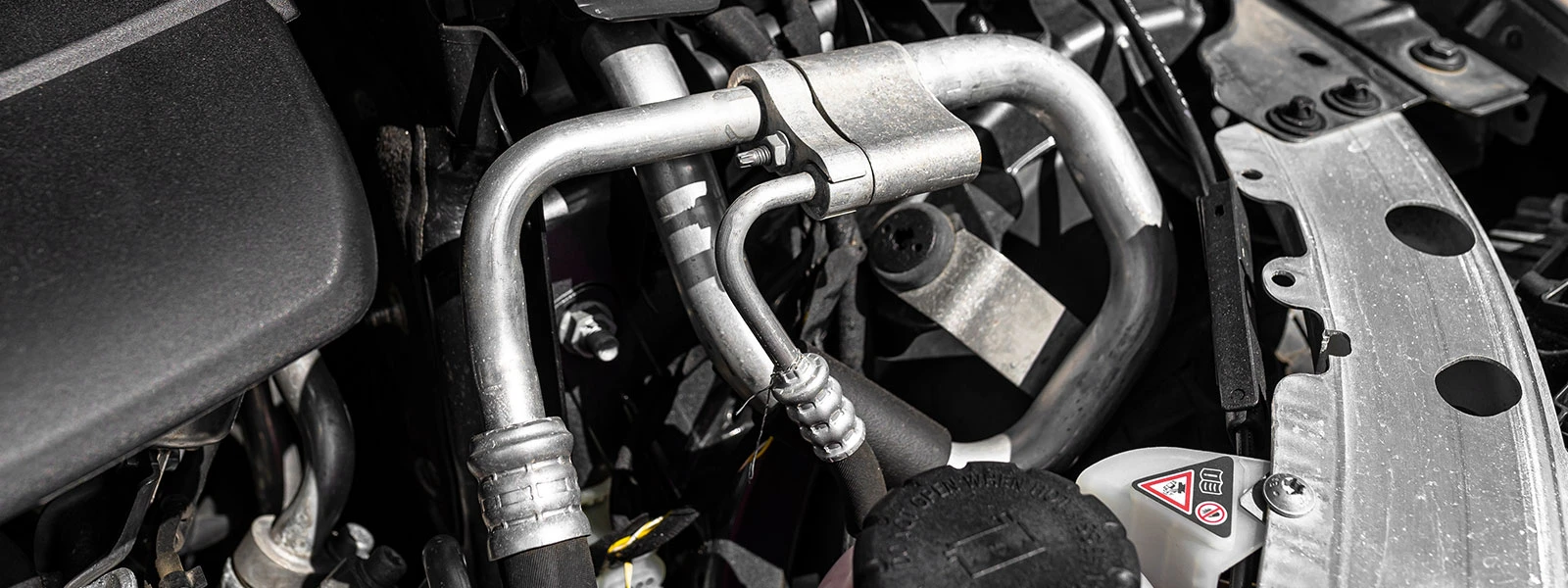
The AC hose carries the refrigerant that cools the air inside a car's cabin by connecting the different components of the air conditioning system, such as the compressor, condenser, and evaporator. The high-pressure hose carries the hot, pressurized refrigerant gas to the condenser, while the low-pressure hose carries the cooled, low-pressure liquid refrigerant to the evaporator, where it absorbs heat from the air inside the cabin. Any damage or leaks to the AC hose can result in a loss of cooling power or complete failure of the AC system, making the AC hose a vital component in a car's air conditioning system.

Exploring the types of car AC hose
- High-pressure AC hose: This type of hose carries the hot, pressurized refrigerant gas from the compressor to the condenser.
- Low-pressure AC hose: This hose carries the cooled, low-pressure liquid refrigerant from the condenser to the evaporator.
- Suction AC hose: Suction AC hose connects the compressor to the evaporator and allows refrigerant to flow back to the compressor.
- Discharge AC hose: This type of hose connects the compressor to the condenser and carries the high-pressure refrigerant gas.
- Liquid AC hose: Liquid AC hose carries the cooled, liquid refrigerant from the condenser to the expansion valve or orifice tube.
- Accumulator or receiver-drier AC hose: This hose connects the condenser to the evaporator and contains a desiccant to remove moisture from the refrigerant.
How long do car AC hoses typically last? And how often should I have my car AC hoses checked?
The lifespan of car AC hoses can vary depending on several factors such as the make and model of the vehicle, the quality of the hoses, and the frequency of use. However, with proper maintenance, car AC hoses can last between 5 to 10 years on average.
It is a good practice to have your car's AC hoses checked at least once a year during routine maintenance, such as an oil change or tire rotation. During the inspection, a qualified mechanic will examine the hoses for any signs of wear and tear, leaks, or cracks. They may also use specialized equipment to check for any blockages or pressure issues in the AC system.
How do I Know If My AC Hose is Bad?
If you suspect that your AC hose may be damaged, look out for signs such as refrigerant leakage, reduced cooling performance, visible damage to the hose, and loose connections. These issues can lead to more severe problems if left unaddressed and may require replacement of the AC hose. If you're unsure whether your AC hose is the culprit, it's best to have your air conditioning system inspected by a professional to diagnose the problem and prevent further damage.
Maintenance of AC Hoses
Regular maintenance of car AC hoses is important to ensure that your AC system operates efficiently and lasts longer. To take care of your car AC hoses, you can do as follow:
- Have your AC system inspected regularly: As mentioned earlier, it is important to have your AC system inspected at least once a year by a qualified mechanic. During the inspection, they will check for leaks, blockages, and other issues that can affect the performance of the AC system.
- Keep your AC system clean: Dirt, dust, and debris can accumulate on the AC components, including the hoses, and reduce the efficiency of the system. Regularly clean the exterior of your car and the engine compartment to prevent the buildup of dirt and debris.
- Avoid overcharging your AC system: Overcharging your AC system with refrigerant can cause pressure buildup in the hoses and other components, which can lead to leaks or damage. Make sure to follow the manufacturer's recommended refrigerant levels and have a qualified technician perform any AC system repairs.
- Replace damaged hoses immediately: If you notice any leaks, cracks, or other damage to your car's AC hoses, have them replaced immediately by a qualified technician. Delaying repairs can lead to further damage and costly repairs.
- Use your AC system regularly: Regular use of your AC system helps to keep the hoses and other components lubricated and prevent leaks. Even during the colder months, run your AC system for a few minutes each week to keep it in good working condition.
How much does it cost to get a car AC hose in A-Premium
The cost of getting a car AC hose replaced can vary depending on several factors such as the make and model of the vehicle, the location of the repair shop, and the type of AC hose needed. In addition to the cost of the AC hose, there may be additional costs such as labor fees and refrigerant recharge fees. The labor rate depends on the area you are in.
As a professional auto parts supplier with the most complete product line, A-Premium is capable of providing different types of AC hoses for you. The price of our A/C suction hose and discharge hose products is as low as $18.99. You can always choose the parts you want at the most competitive price here in A-Premium. Contact now!


