Why Investing in Car Seat Covers is a Smart Choice?

Investing in car seat covers is a smart choice for protecting your vehicle's interior and maintaining its resale value. These covers not only shield seats from spills, stains, and wear but also enhance comfort and style.


When it comes to maintaining the interior of your vehicle, one of the most impactful investments you can make is in car seat covers. These protective layers not only enhance the aesthetic appeal of your car but also serve several practical purposes. In this blog, we’ll explore why seat covers are worth the investment, compare leather and fabric options, discuss best cleaning practices, and help you determine how much you should spend on them.
Reasons Why Seat Covers Are Worth the Investment
Car seat covers provide an array of benefits that make them a worthwhile investment. First and foremost, they protect your original upholstery from spills, stains, and wear and tear, which can significantly extend the life of your vehicle’s interior. This is especially important for families with young children or pet owners, as accidents are bound to happen. Moreover, seat covers can enhance comfort, offering additional padding or a more breathable material, which is particularly beneficial during extreme weather conditions.
Another compelling reason to invest in seat covers is the style they can bring to your vehicle. With a wide variety of colors, patterns, and materials available, you can easily refresh the look of your car’s interior to match your personal taste or even your mood. This customization can make your driving experience more enjoyable and even increase your car's resale value down the line.
Leather vs. Fabric Seat Covers
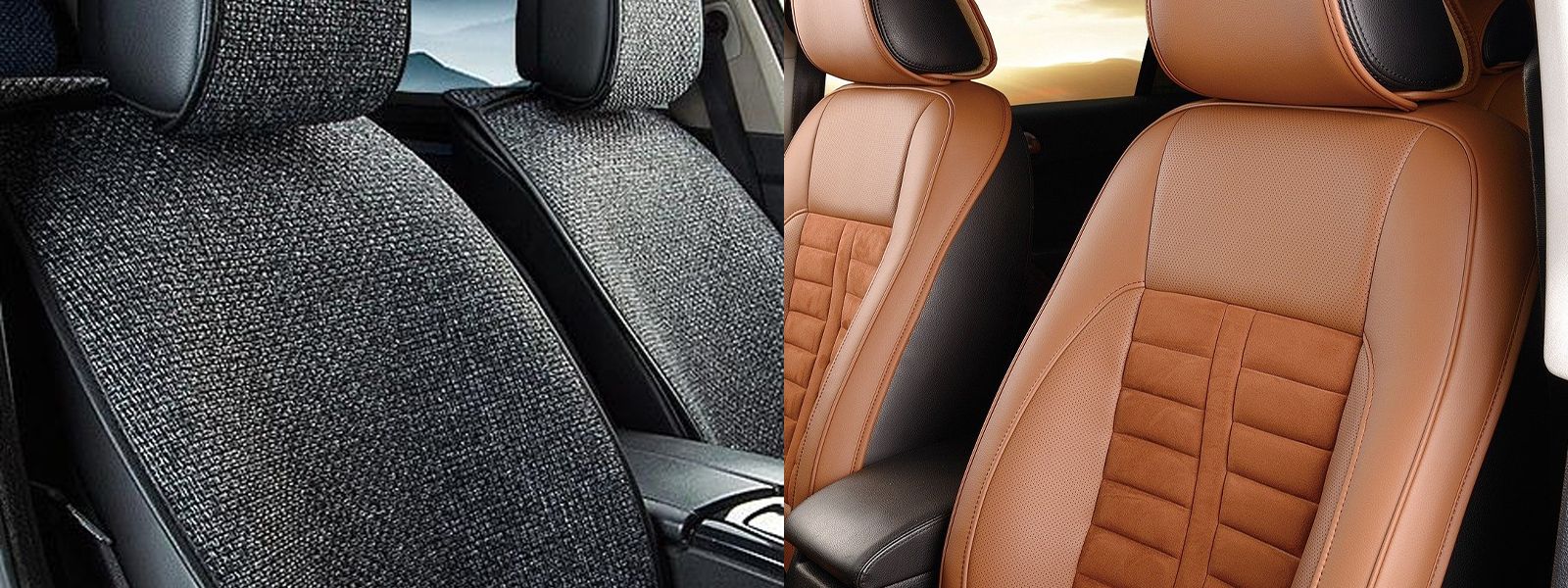
When choosing seat covers, one of the first decisions you'll face is whether to go with leather or fabric. Each material has its own set of advantages and drawbacks. Leather seat covers are renowned for their luxurious look and feel. They are generally easier to clean and provide a sleek, upscale appearance. However, they can be more expensive and may not be as breathable as fabric, which can lead to discomfort in hotter climates.
On the other hand, fabric seat covers offer a wider range of textures and styles, often coming at a lower price point. They tend to be more comfortable in various weather conditions, providing better insulation. However, fabric can absorb spills and odors more easily, making them harder to maintain in the long run. Ultimately, the choice between leather and fabric will depend on your budget, lifestyle, and personal preferences.
Cleaning Your Car Seat Covers
Maintaining your car seat covers is crucial for their longevity and appearance. For leather seat covers, regular cleaning with a damp cloth and a specialized leather cleaner is recommended to prevent cracks and fading. Conditioning the leather every few months can also help maintain its suppleness.
Fabric seat covers, on the other hand, may require more frequent washing. Most fabric covers are machine washable, but it's essential to check the manufacturer's instructions first. For spot cleaning, a mixture of mild detergent and water can work wonders on stains. Keeping a lint roller handy can also help keep fabric covers looking fresh and tidy.
How Much Should You Spend on Seat Covers
The price of seat covers can vary widely based on material, brand, and customization options. On the lower end, you can find basic universal seat covers for around $40 to $60. These are often functional but may lack a tailored fit. Mid-range options, which typically offer better quality and style, usually fall between $100 to $200. For those looking for high-end, custom-fit covers made from premium materials, prices can exceed $300.
When determining your budget, consider how you use your vehicle. If you frequently transport kids or pets, investing in higher-quality, durable covers may save you money in the long run by protecting your seats from damage. Ultimately, the right choice will balance your budget with your needs and preferences. In A-Premium online parts store, you can select high quality seat covers at very competitive prices. We provide seat covers made by different materials such as leather, cloth and fiber. We offer seat covers in various colors and styles to match the needs of different car models and meet your preferences.


