Why Do My Front Brake Pads Wear Faster? The Science of Stopping

In this guide, we dive into the "Science of Stopping" to explain why front brake pads take the heat, how drivetrain affects wear, and exactly how long you can expect your pads to last before needing a replacement.
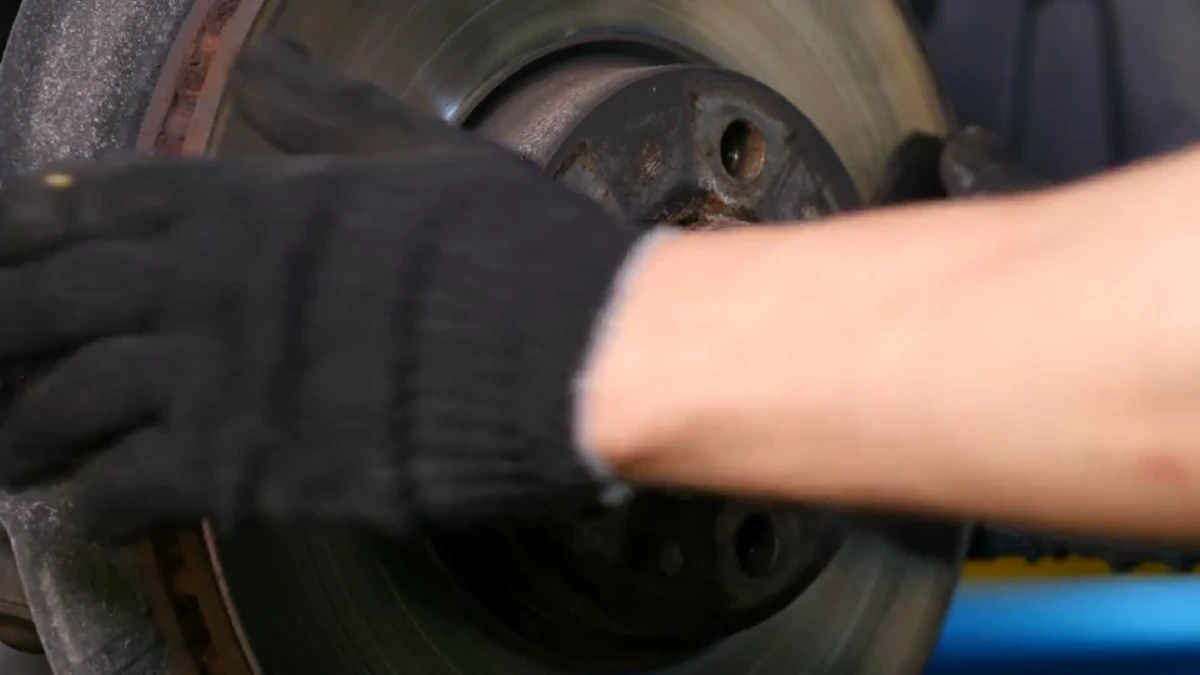
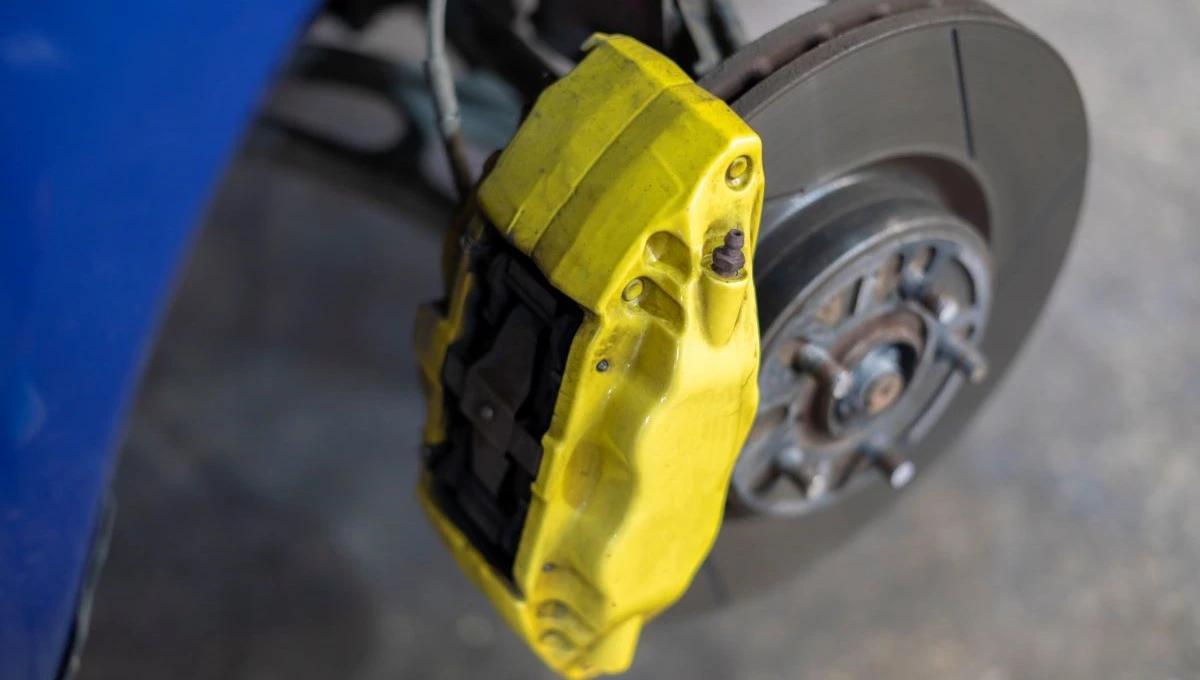
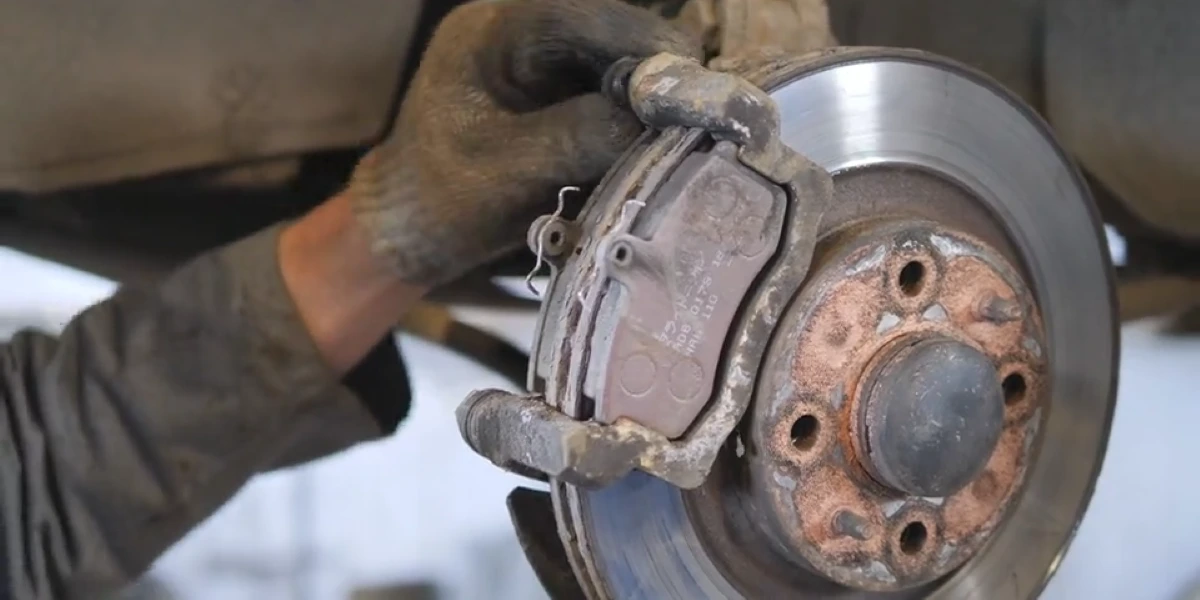
Have you ever noticed that your front wheels are constantly caked in a layer of thick black dust, while the rears stay relatively clean? Whether you are driving a heavy-duty Ford F-150 or a fuel-efficient Honda Civic, this is a common sight across the world. Rest assured, it isn’t a mechanical defect—it’s pure physics. In the world of automotive maintenance, front brake pads are destined to wear out much faster than rear brake pads.
The act of braking is far more than just pressing a brake pedal; it is a high-stakes energy conversion where kinetic energy is transformed into intense thermal energy (heat). By understanding the mechanics behind disc brake systems and how your specific drivetrain influences vehicle performance, you can demystify that "black dust" and take better control of your car’s safety and long-term maintenance.

The Physics of the "Nose-Dive"
The primary reason for uneven wear is inertia. When you apply the brake, the vehicle’s momentum wants to keep moving forward. This force causes the chassis to pitch forward—a phenomenon known as "nose-diving."
As the weight shifts, the front wheels are pressed harder into the pavement, increasing their traction. To capitalize on this grip, front disc brake pads are engineered to handle 60% to 80% of the total stopping power. Because they bite harder and generate more heat through friction, the pad material disappears much faster than the brake shoes found in some rear drum setups.
The "Front-Heavy" Reality & Drivetrain
Most cars on the road today are Front-Wheel Drive (FWD). With the engine and transmission sitting directly over the front axle, there is simply more mass to stop at the front.
-
FWD Vehicles: The front tires are the "Triple Threat"—handling steering, power, and the bulk of braking. This creates immense thermal stress, often causing front pad wear to happen much longer and faster than the rears.
-
RWD Vehicles: While the rear wheels handle power, the front brake pads still do the heavy lifting during actual pedal application.
Engineering for Safety: Brake Bias
Engineers utilize "Front Brake Bias" as a safety standard. If the rear wheels or brake shoes locked up first during a hard stop, your vehicle would likely spin out of control. By ensuring the front brake works harder, the vehicle maintains a straight, predictable path.

How Long Do Front Brake Pads Last?
A common question for drivers is: how long do front brake pads last compared to the rears? On average, front pads typically last between 20,000 and 50,000 miles.
However, because of the heavy load they carry, they often reach their wear limit twice as fast as rear pads. If you drive in heavy stop-and-go traffic or frequently tow loads, you might find yourself needing a replacement on the shorter end of that range.


Selecting the Right Quality: Ceramic vs. Semi-Metallic
When you order replacements, you will find a wide variety of materials. You can select and add the right type to your cart based on your driving style:
-
Semi-Metallic Brake Pads: Known for strong stopping power and excellent heat resistance, though they produce more noise and dust.
-
Ceramic Brake Pads: Ideal for daily drivers prioritizing a quiet, smooth ride and less visible dust.
-
Performance Compounds: These range from soft, aggressive pads for racing to harder, more durable compounds designed to serve heavy-duty towing needs.

Maintenance & DIY Replacement
To ensure safety, check your brakes every 5,000 miles. Don't wait until you hear a grinding noise to think about replacement.
Warning Signs You Need to Replace:
-
Squealing or Grinding: Indicates the metal contact point (wear indicator) is exposed.
-
Vibrating Pedal: Often caused by a warped rotor or uneven friction material transfer.
-
Slow Response: If your car takes longer to slow down, you may have brake fluid issues or "brake fade" from overheating.
Pro-Tip for Install:
Before you install new brake pads, check the brake fluid reservoir. After removing the wheel and caliper, use a C-clamp to compress the piston.
Crucially: Always pair new pads with a new or resurfaced rotor for the best performance. Once you replace the parts, pump the brake pedal gradually to ensure they performance a solid test before hitting the road.
The Bottom Line
Your front brakes are your vehicle's first line of defense. They offer superior performance, recover quickly from being wet, and are easier to replace than old-fashioned drum shoes. Keep an eye out for promotions on high-quality parts and stay on top of your maintenance to ensure you’re always ready to stop safely.


