Why Are Catalytic Converters So Expensive And Why Do People Steal Them

Catalytic converters use rare and expensive precious metals like platinum and palladium to chemically transform a vehicle's harmful exhaust emissions. This has made catalytic converters a target for thieves, causing severe damage for vehicle owners.
Suggested A-Premium Parts

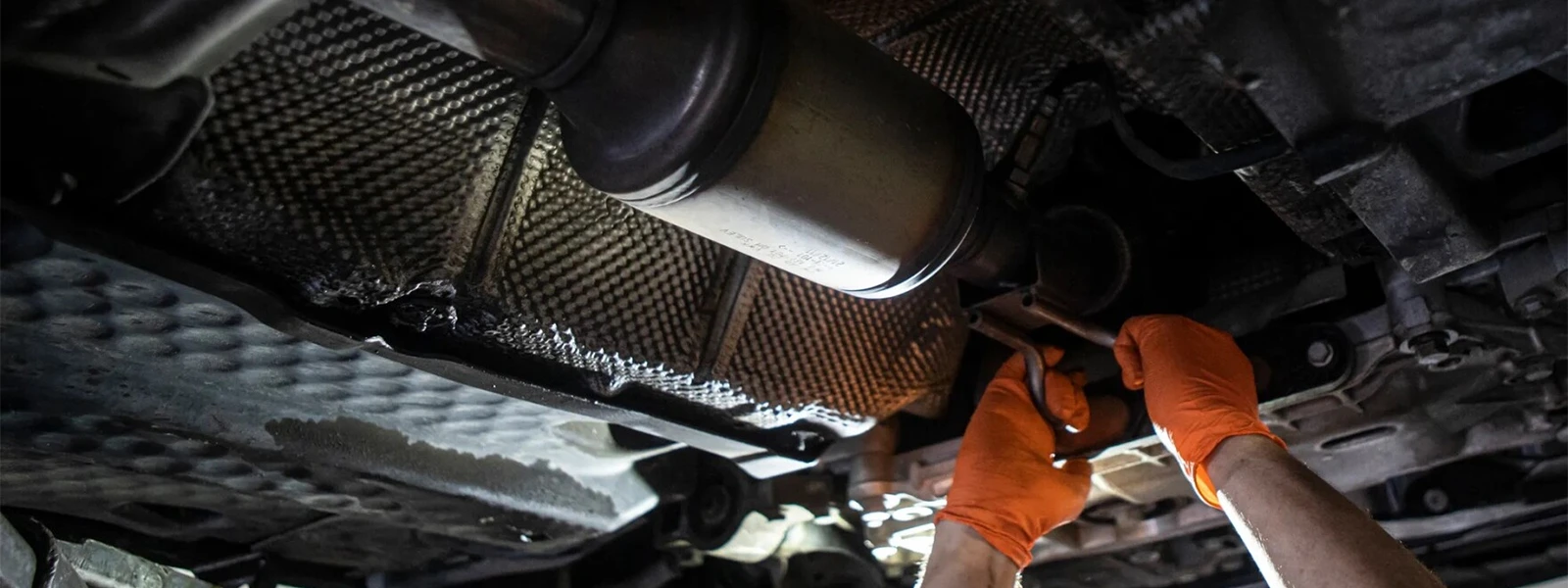
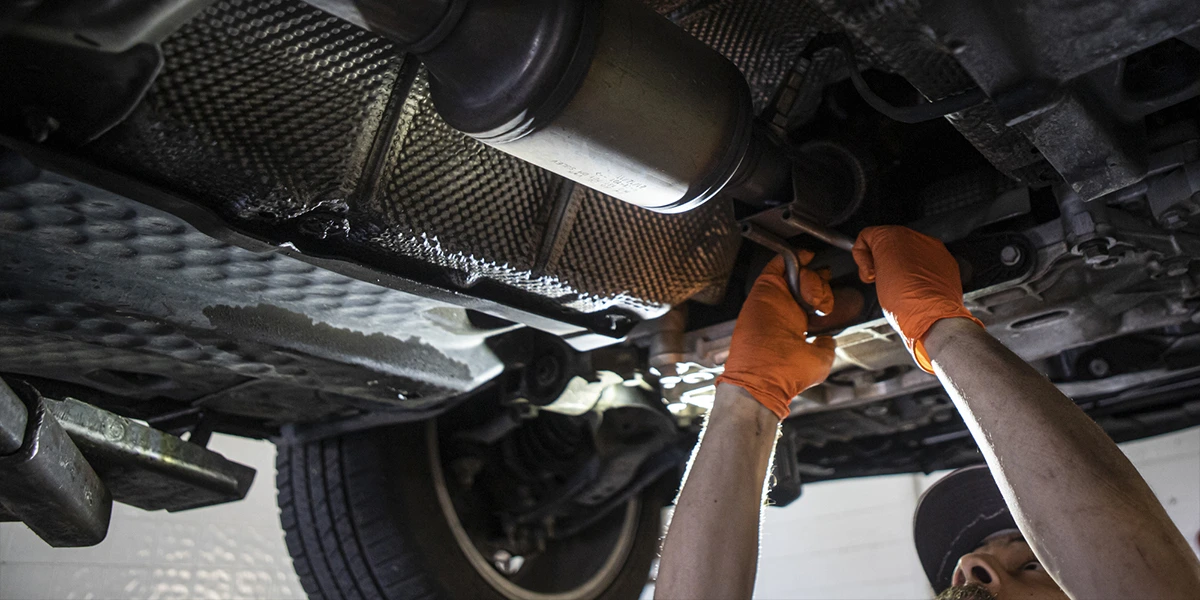
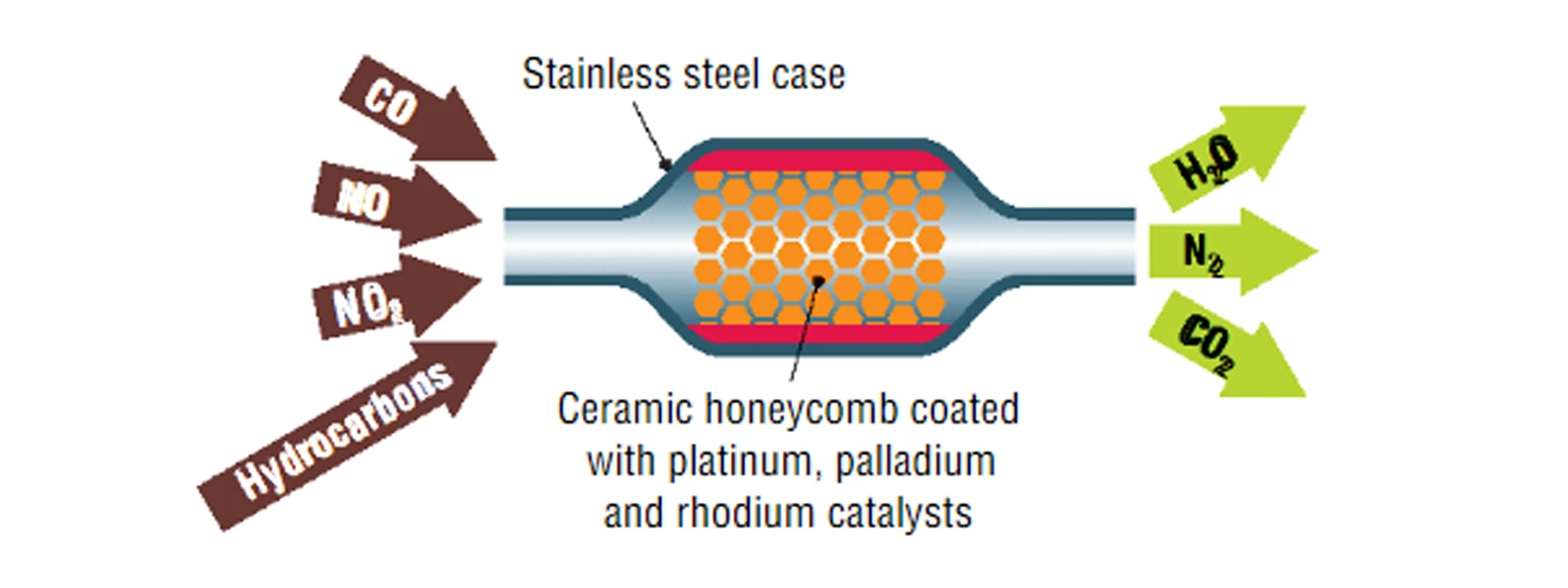
The catalytic converter is a key device in the automobile exhaust emission system. It can convert toxic gases such as CO, HC, NO, etc. into harmless gases. Greatly protect the environment. Such converters often contain precious metals or rare earths and are therefore more expensive. But it also makes catalytic converters a target for theft, causing both economic and safety losses to car owners and society. So what measures can be taken to effectively prevent catalytic converters from being stolen? I believe you will get the answer here.
Why is the catalytic converter so expensive
Catalytic converters are expensive mainly because of the following factors:
First, special materials and catalysts are used in the manufacture of catalytic converters. These catalysts usually made up of expensive precious metals, play a key role in catalytic reactions by efficiently converting harmful gases into harmless compounds. In addition, catalytic converters are usually housed in corrosion-resistant, high-temperature resistant materials such as stainless steel, which further increases their manufacturing costs. As a result, catalytic converters are relatively expensive.
Secondly, the research and development of catalytic converters and the production process need a lot of investment and technology. To ensure its efficient and stable operation, manufacturers must conduct a lot of research, development, testing, and verification. This requires both specialized technical personnel, but also a higher instrument and takes a long time and funds.
Moreover, the demand and supply of catalysts will also affect its price. Along with the implementation of an environmental protection policy, the demand for car exhaust cleaning equipment is also increasing. However, due to the complexity of the manufacturing process, the production cost is high, and the market supply is low, so the price is higher.
In short, catalytic converters are expensive mainly because of the materials and catalysts used in the production process, high investment in R&D and production, and market supply and demand.
What metals are found in catalytic converters
The precious metals used in the catalyst are platinum, palladium, and rhodium. Precious metals play a key role in catalytic reactions. Pt and Pd have been widely applied to CO and HC oxidation, and Rh has been widely applied to NOX conversion. Based on this, the catalytic converter can transform the poisonous gas into low toxic pollutants such as CO2, water, nitrogen, and so on, to protect the environment and people's health.
What are the specific values of these precious metals
Pt, Pd, and Rh are the three most valuable metals globally, all found in catalytic converters. In the Pt market, they're worth more than gold. Pt group metals are hard, durable, and resistant to acid, rust, heat, etc. This is crucial for high-temp chemical reactions, like petrol combustion in small metal tanks.
These metals, part of the Pt group, function in specific scenarios. While some Pt metals are used in jewelry, electronics, etc., most (60%) are catalysts in car manufacturing.
Extracting Pt, Pd, and Rh from recycled catalytic converters is easier than making new materials due to the ore-intensive process. Rh is particularly rare, often a by-product of mining other metals like Pt, Pd, or Ni.
Due to supply and demand, precious metal prices fluctuate significantly. In 2020, Pt prices rose from $700 to $1,000 per ounce. Despite this, Pt is cheaper than other Pt metals like Pd, the primary metal for catalytic converters. Within a year, Pd prices skyrocketed from $1,000 to $3,000 per ounce. Rh, a recent addition to catalytic converters, is now an essential component, replacing older Pt-based designs.
Aftermarket vs. OEM Catalytic Converters
The value of the aftermarket catalytic converters is generally significantly lower than that of OEMs because they contain only 10 percent of the precious metals found in the latter. OEM means the original equipment manufacturer, indicating that the parts are made by the same company that makes the vehicle. Aftermarket parts, on the other hand, are intended to be more affordable alternatives and are usually constructed to be compatible with as many vehicles as possible.
Typically, aftermarket converters cost less than OEM ones. This difference is caused by many factors, including production process, quality control and brand awareness. For example, the Ferrari F430 catalytic converter is considered the most expensive on the market at $3770. The Lamborghini Aventador catalytic converter is the third most expensive product in technology and costs $3120. Catalytic converters for Ford and Ram models can be expensive, too.
In addition to the above differences, there are also the following differences between the two:
- Manufacturing: OEM converters are manufactured by the original manufacturer. Aftermarket converters are made by third-party manufacturers.
- Quality Guarantee: OEM converters are usually guaranteed by the car manufacturer or authorized dealer. Aftermarket converters may have different warranties depending on the manufacturer and supplier.
- Quality and adaptability: OEM converters work closely with your vehicle's exhaust system to ensure optimal fit and performance. The quality and availability of aftermarket converters vary from manufacturer to manufacturer.
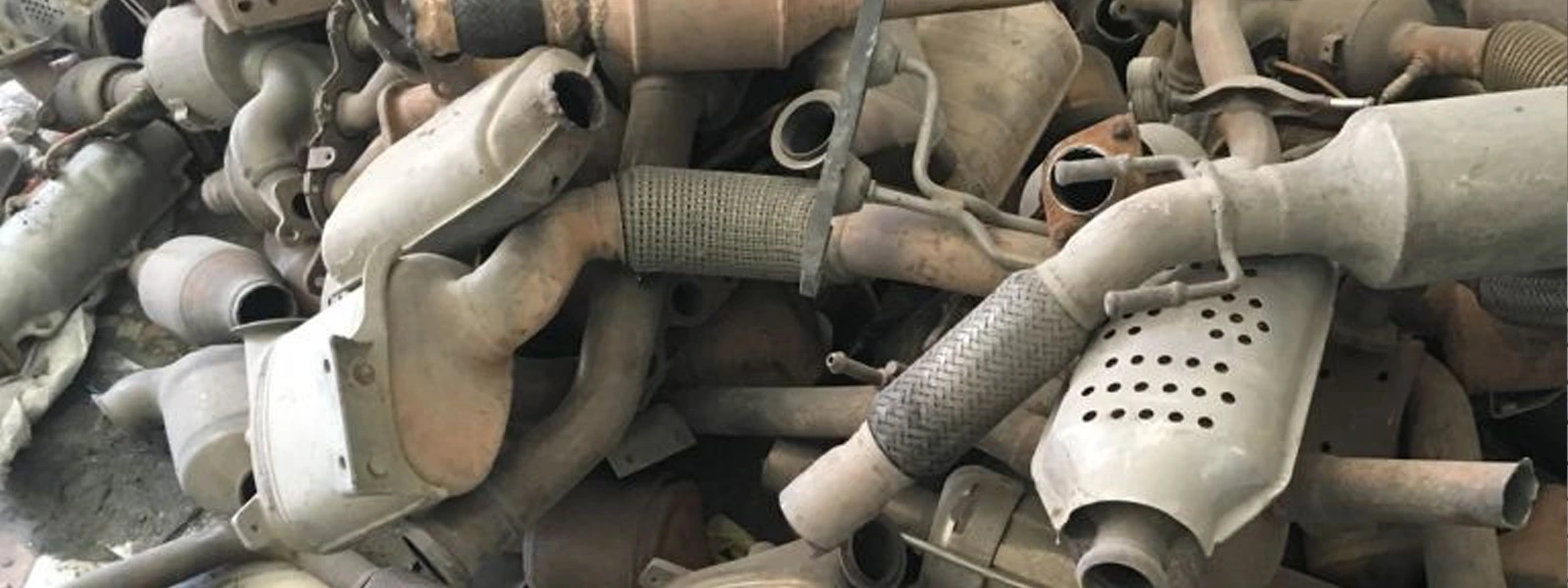
When you choose between aftermarket and OEM catalytic converters, you must consider factors such as emissions compliance and overall quality. You should consult the vehicle manufacturer's recommendations and consider your specific needs before making a decision.
Factors contributing to catalytic converter theft
Theft of catalyst converters occurs frequently, largely due to precious metals such as platinum, palladium, and rhodium. The precious metal is very expensive and has skyrocketed in recent years, especially for hybrids, which are more attractive because of their larger catalytic converters that contain more precious gold.
It is also easy to steal a catalyst converter. All the criminals have to do is get into the car and remove a few screws and a fastening belt. In addition, car owners often are in the engine start, only then discover that the tail gas catalyst converter is stolen, thus giving the thief the opportunity.
In addition, some models of cars such as SUVs and pickups are more likely to be stolen because of their chassis configurations.
How to prevent catalytic converter theft
To prevent catalytic converters from being stolen, car owners and relevant departments may take the following measures:
- First of all, car owners should strengthen their awareness of self-protection. If you choose a parking space, park in a secured parking lot or enclosed garage if possible. If you can only park in the open air, you should choose a place with a large flow of people and a camera to reduce the possibility of theft.
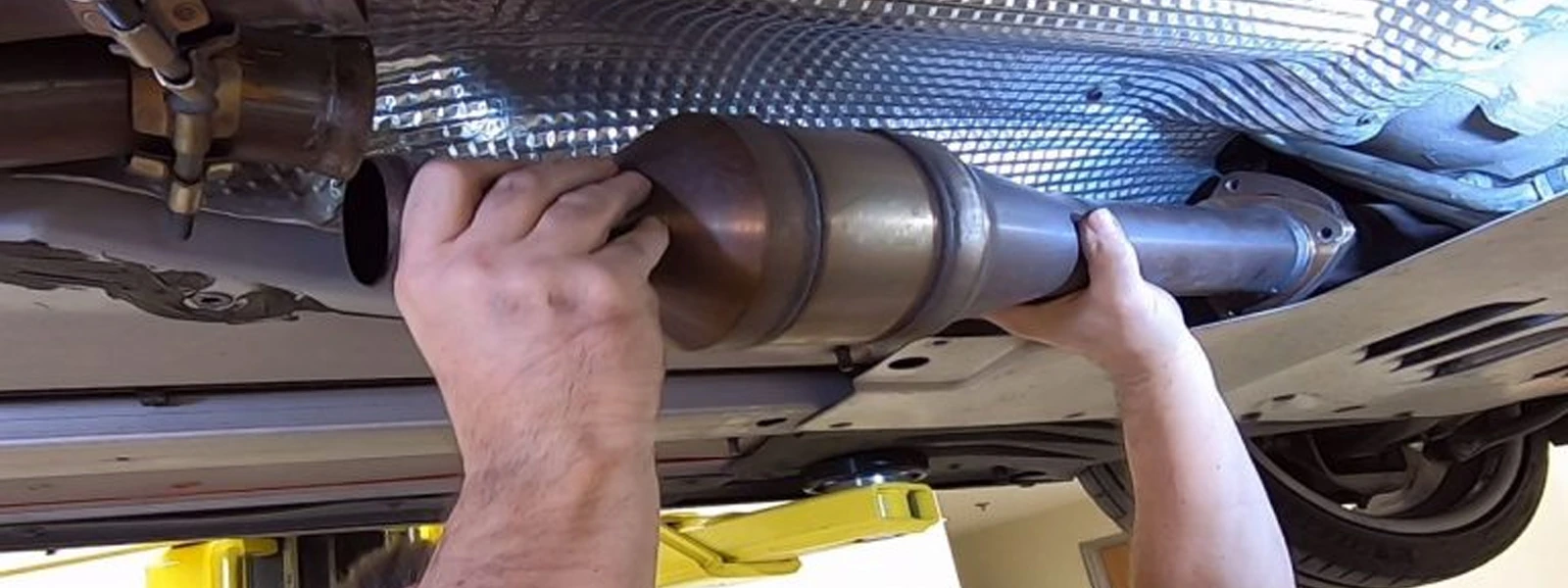
- Secondly, the car actively takes preventive measures. For example, there is a burglar alarm next to the catalytic converter. When the burglar is stolen, the alarm goes off immediately to alert everyone. In addition, the catalyst converter can also be added to a metal bracket, or the catalyst converter on the screws directly welded so that criminals can not start.
- In addition, the owner of the car should also often overhaul the car, especially at night or long-term parking, to pay attention to whether the catalyst converter screws loose, parts fall off, and other abnormal phenomena. Call the police as soon as there is anything suspicious.
- The relevant departments should also strengthen supervision and combat crime. For example, the police can increase night patrols and detection, and the crime of stealing catalytic converters gives a greater blow. In addition, the state should formulate appropriate policies to strengthen the management of enterprises that recycle and dispose of waste catalytic converters to prevent stolen catalytic converters from entering the market.
To sum up, in order to prevent catalytic converter theft, but also by the owner and the relevant departments. Only by raising the awareness of prevention, taking preventive measures, strengthening supervision and purchasing anti-theft products, can the theft of automobile exhaust purification devices be effectively controlled and the owner's property safety be guaranteed.


