What's the Real Truth About Warped Brake Rotors

Warped brake rotors are a common problem that can cause a pulsing or vibrating feeling when braking. This happens when the rotors, the metal discs the brake pads clamp onto, become uneven or distorted over time.
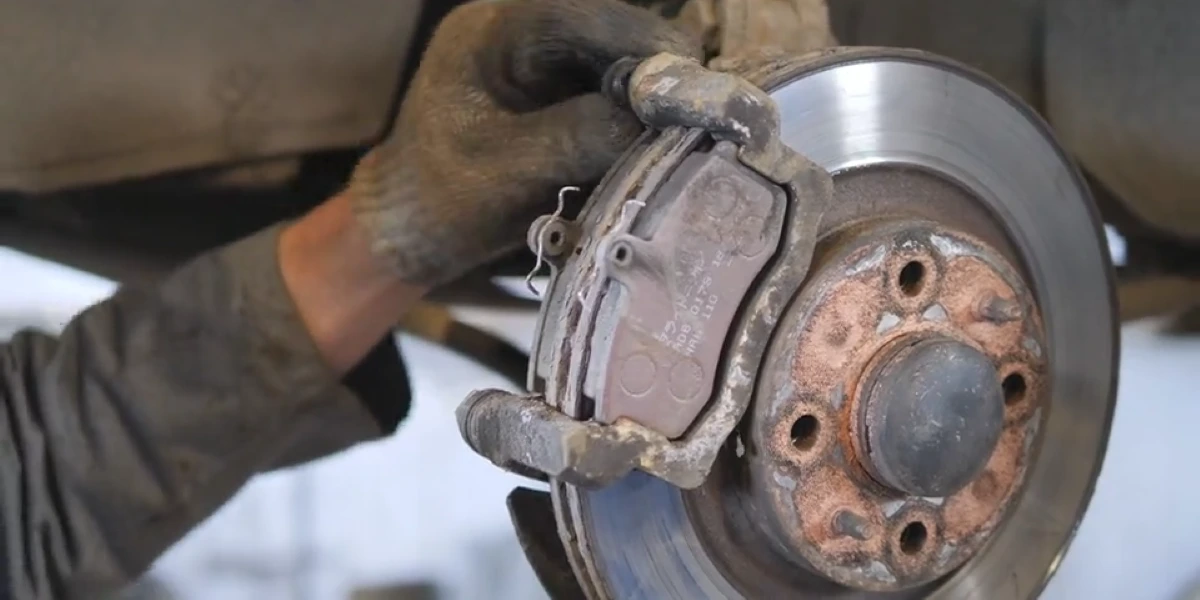
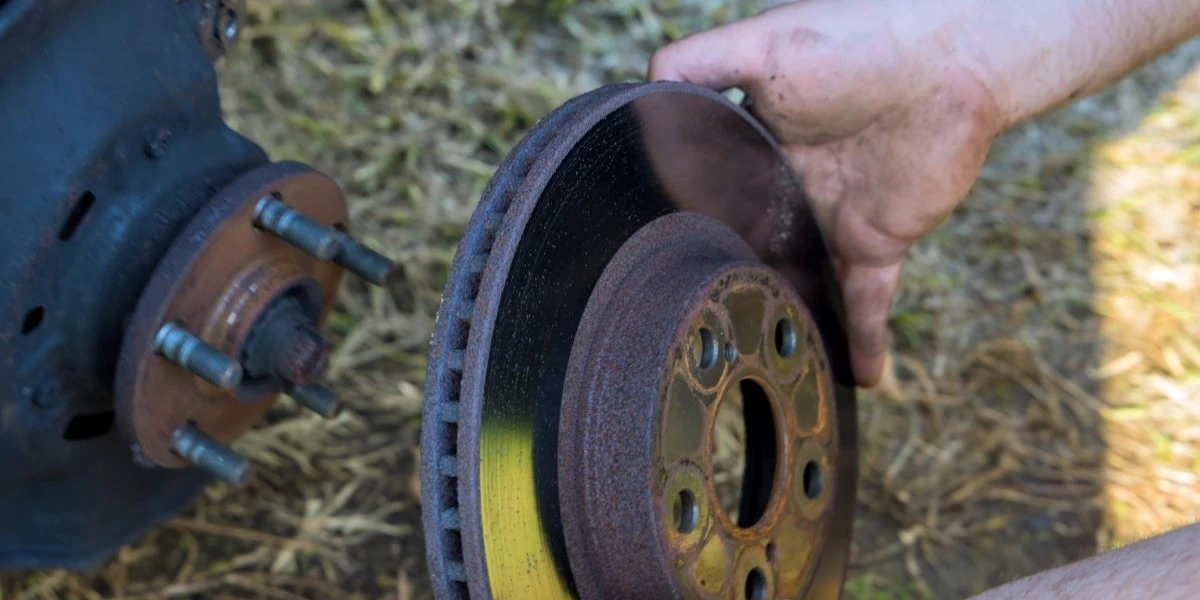
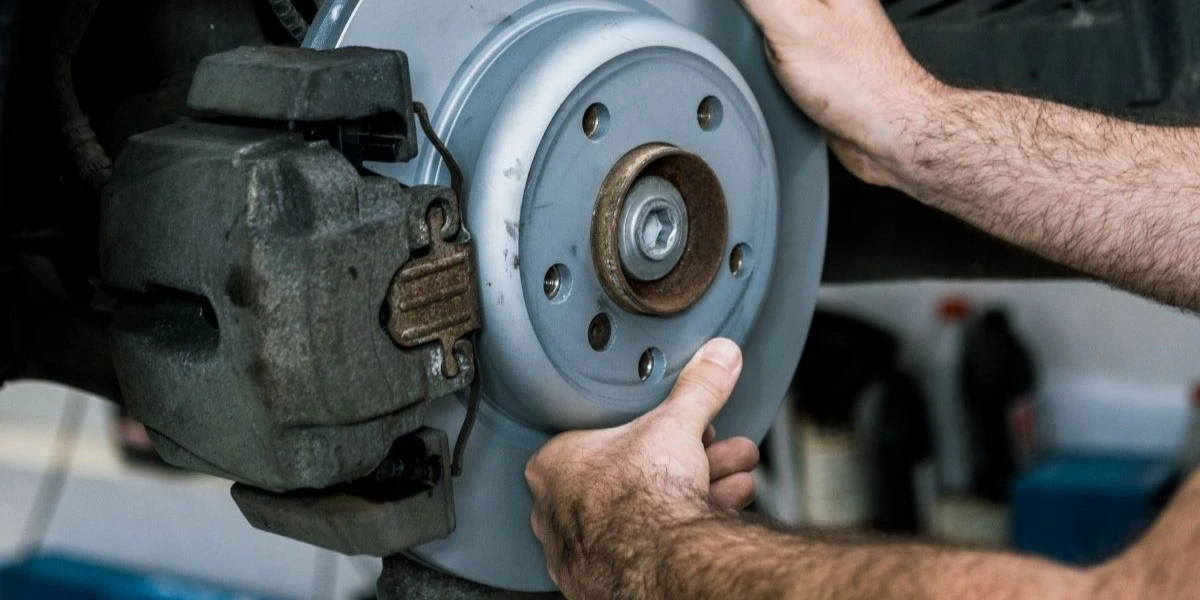


Common situation: new brake pads are installed on a fresh set of brake discs. After about a week, you start to notice a vibration or "judder" when applying the brakes. Concerned, you reach out to a mechanically inclined friend and also do some online research. Both sources suggest the same diagnosis—the brake rotors are likely warped. This leads you to believe that the newly installed rotors are the cause of the issue. Some customers have the rotors machined on a brake lathe to remove the high spots, which temporarily eliminates the vibration, seemingly proving the rotors were warped. However, the symptoms reappear within a few weeks.
The reality is that rotors were never actually warped. The so-called warped brake discs exhibited uneven patches of friction material from the brake pads on their surfaces.
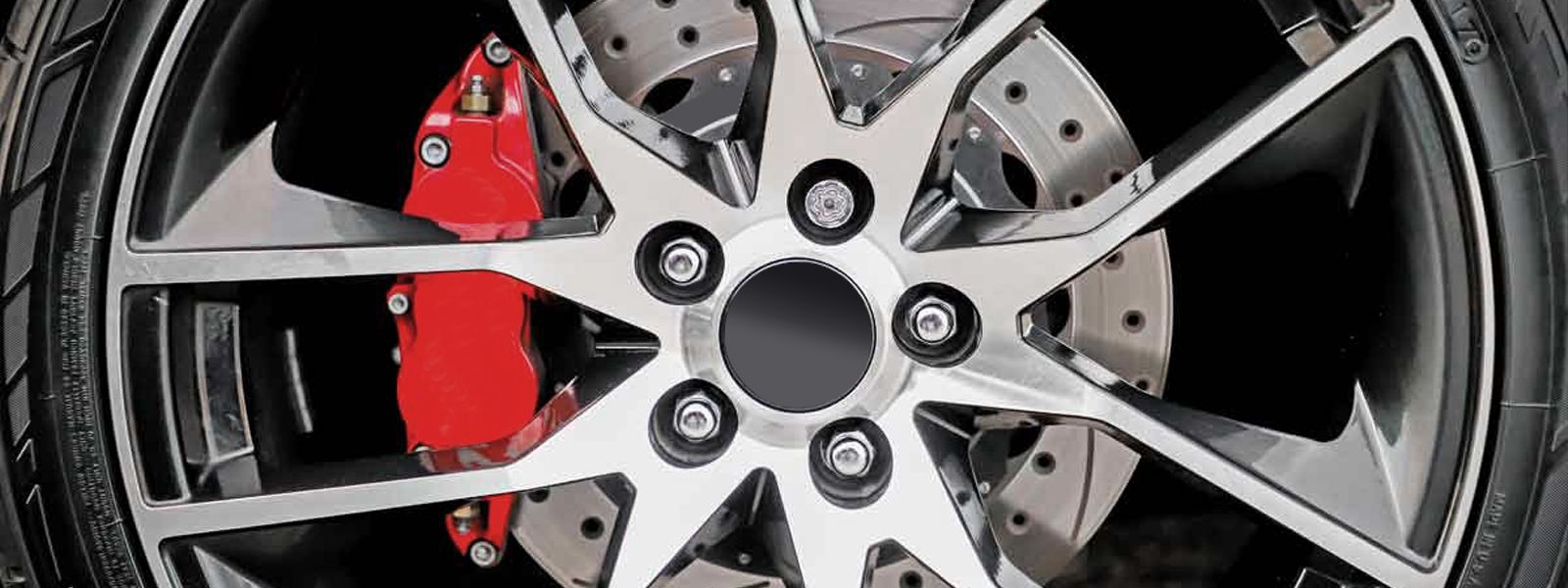
Truth About Warped Brake Rotors
To understand what’s happening, let's examine what occurs when we step on the brake pedal. The pads press against the disc surface, converting the energy of motion into heat energy through friction. What you might not realize is that there are two types of friction at play: abrasive and adherent.
Abrasive Friction: As outlined by Carroll Smith in his book "The Warped Brake Disc and Other Myths of the Braking System," abrasive friction occurs when the crystalline bonds of both the brake pad material and the rotor's cast iron are disrupted. This bond breakage produces the heat that is characteristic of friction. In abrasive friction, the connections within the crystals of the pad material (and to some extent, the disc material) are permanently severed. Essentially, the harder material gradually grinds away the softer material, leading to the pad wearing down the rotor. Whenever we think about friction, it's typically abrasive friction that comes to mind.
Adherent Friction: As the brake pads make contact with the steel rotor, a portion of the pad material is transferred directly onto the rotor's surface, creating a thin, consistent layer. This process results in the surfaces of both the steel rotor and the brake pad sharing the same composition. During the rotor's movement between the pads, the friction material is exchanged back and forth, causing bonds to break and form at the molecular level. This reciprocal transfer of material is a natural and crucial aspect of the friction involved in braking.
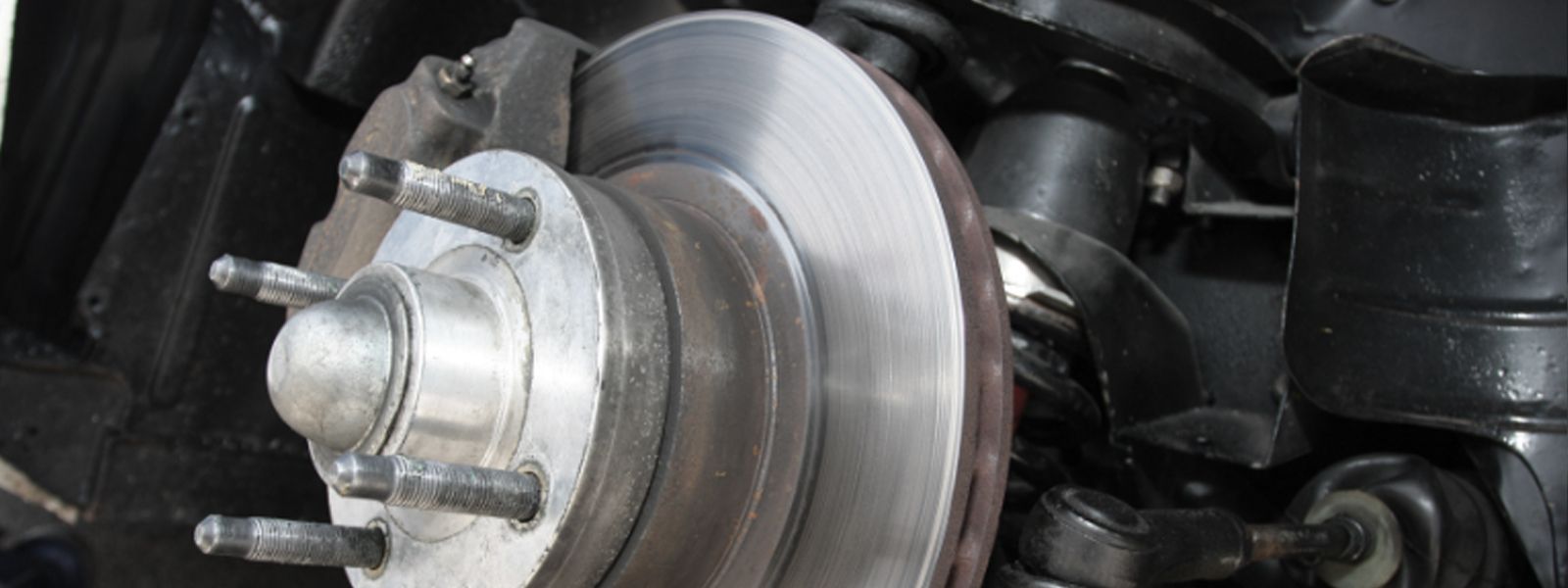
Brake Pad Composition: Brake pads rely on a mix of abrasive and adhesive friction to facilitate braking. The specific composition of the pad material varies by manufacturer, as they strive to strike the right balance between performance, durability, noise levels, and (to a lesser degree) dust generation. Sufficient abrasive components are necessary to maintain the cleanliness of the brake rotor surface, while the pads must also provide a consistent transfer of adherent friction material to the rotor within the intended operating temperature range.
Exceeding a brake pad's designed temperature range can lead to problems. When the pads get too hot, the friction material starts to transfer to the brake rotor in an uneven, random pattern. This results in varying thicknesses across the rotor surface, even though the actual changes may not be visually obvious. The uneven friction material transfer causes vibrations that the driver can feel through the brake pedal. This can be measured using a dial indicator as well. Brake pad designs have been optimized as much as possible, but pads still have inherent limitations in terms of their intended operating temperature range. Going beyond this range leads to the uneven material transfer issue.
Brake Pad Selection: Broadly speaking, brake pads can be categorized into street, performance, and racing types. Compared to pads from a decade ago, most quality options today have wider effective temperature ranges. However, street pads are not suitable for racing applications, nor are they appropriate for everyday street driving. Performance street pads represent a middle ground - they offer greater effectiveness at lower temperatures than racing pads, while also being able to withstand higher temperatures than standard street pads.
Where to Begin Troubleshooting: If you are experiencing vibration under braking after installing new rotors and pads, start by addressing the obvious potential causes. First, ensure that the hub and wheel flange surfaces are flat, clean, and free of rust. Even a tiny amount of run-out in these components can be greatly amplified at the outer edge of the brake disc. Next, verify that the disc mounting hardware is in good condition, properly installed, and tightened to the recommended torque specification in the correct sequence.
Bedding-In New Brakes
When installing new brake pads and rotors, the crucial first step is to properly bed-in the brakes. This critical process involves the initial transfer of friction material from the pads to the rotor, creating a smooth, even layer. Establishing this foundational transfer is essential for optimal brake performance, as it helps prevent the development of uneven, random friction material deposits that can lead to noticeable vibrations when the brakes are applied. All high-performance brake components should come with detailed installation and break-in instructions. The bedding-in procedures are generally consistent across major manufacturers.
Since you cannot come to a complete stop during the pad and rotor break-in process, you must plan the location and timing of this procedure with safety in mind. Stopping completely before the break-in is fully completed risks uneven pad material transfer or pad imprinting, which can result in an irritating vibration when braking.
Brake Bedding-In Steps
- After installing new brake discs and/or pads, perform 8-10 moderate braking applications from around 30-40 mph (50-60 kph), without coming to a complete stop.
- Follow this with an additional 2-3 heavy braking applications from approximately 40-45 mph (60-70 kph), again without fully stopping the vehicle.
- You mustn't DRAG THE BRAKES at any point during this process.
- Allow the brake system to cool down for at least 15 minutes.
- Importantly, while the vehicle is stationary during the cool-down period, DO NOT APPLY THE BRAKES. Doing so can cause uneven transfer of pad material to the rotor, potentially leading to braking vibrations.
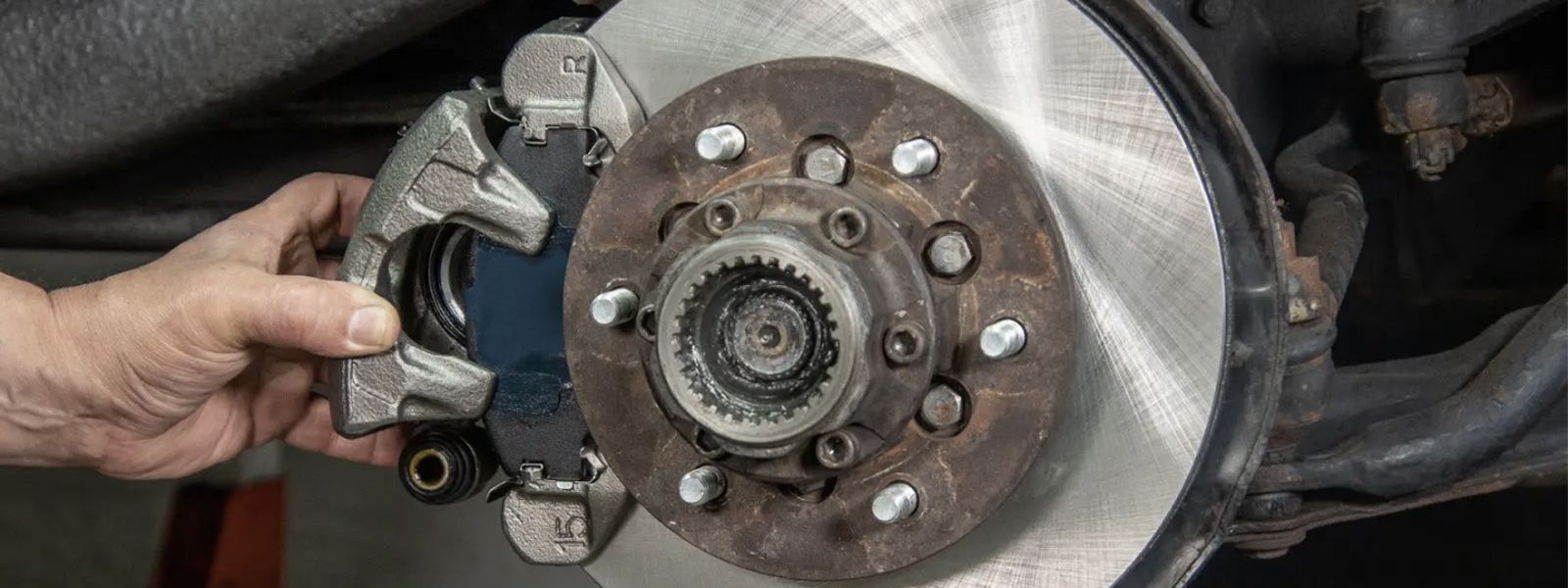
After the Bedding-In Process
With the initial bedding of the new brake components now complete, the rotors should have a thin, uniform coating of friction material. However, the full maturation of this friction layer can take anywhere from 190 to 300 miles (300 to 500 km) of driving, depending on your specific driving habits.
During this break-in period, it is important to avoid two particular situations, as they can compromise the fragile friction coating and necessitate repeating the bedding-in process:
First, if you drive gently over an extended period with minimal hard braking, it can actually strip away the necessary thin layer of friction material from the rotor surface, leaving the brakes vulnerable to problems again. Repeating the bedding-in procedure can restore this critical layer. Second, if you have to brake hard from high speeds down to a complete stop with your foot on the pedal, the pads can imprint a substantial amount of friction material onto the rotor surface, causing uneven transfer that will result in vibration. Generally, you can get rid of this excess material by repeating the bedding-in process, which abrades it away, but if the imprint is severe and won't clear this way, you'll need to take the car to a shop with an on-car brake lathe to resurface the discs to a flat finish before re-bedding them. So the bedding-in process may need to be repeated, but it will resolve these types of brake issues with patience.
If you allow the uneven pad material transfer to persist for too long, eventually the rotor will become "deformed" in that it will wear at different rates across the surface. A harder substance called "cementite" will build up on certain sections, and this will not wear as quickly since it is much harder than the standard iron. Consequently, the bedded sections wear more rapidly, developing high and low spots. The iron itself is not actually warped, it is just wearing unevenly.


