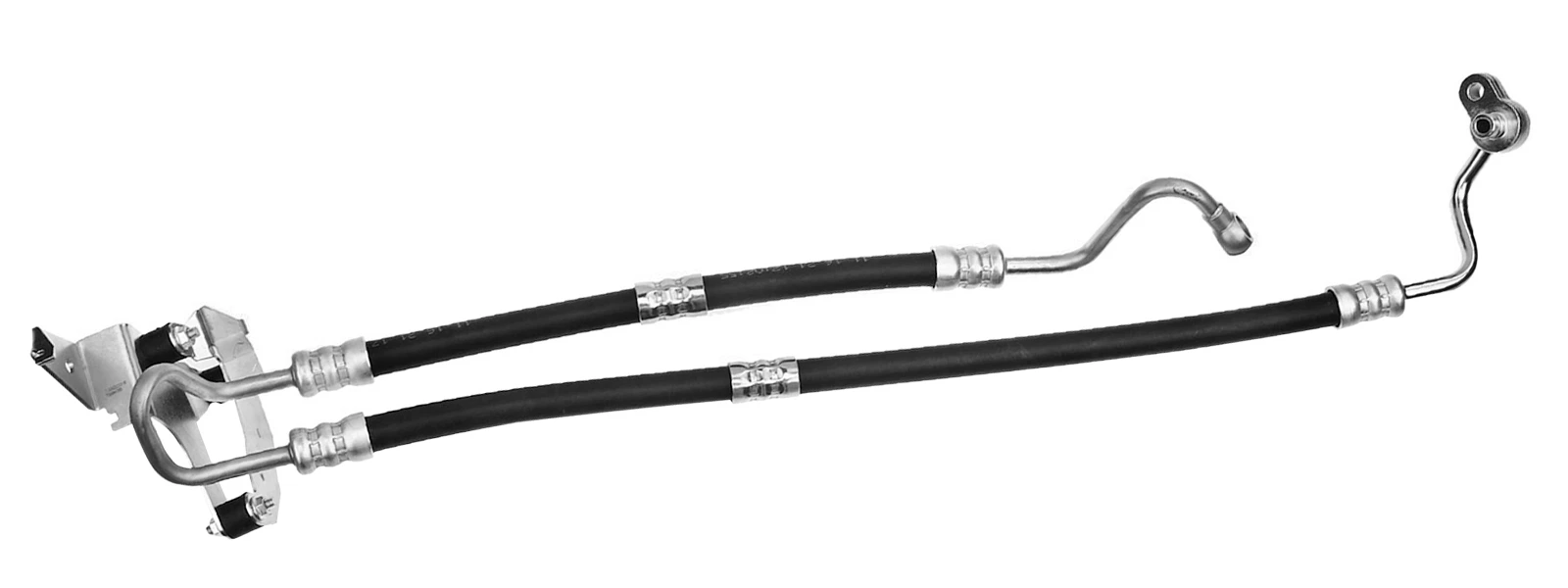
What is Power Steering Hose?

Understanding power steering hose through its working principle, various type and common problems.
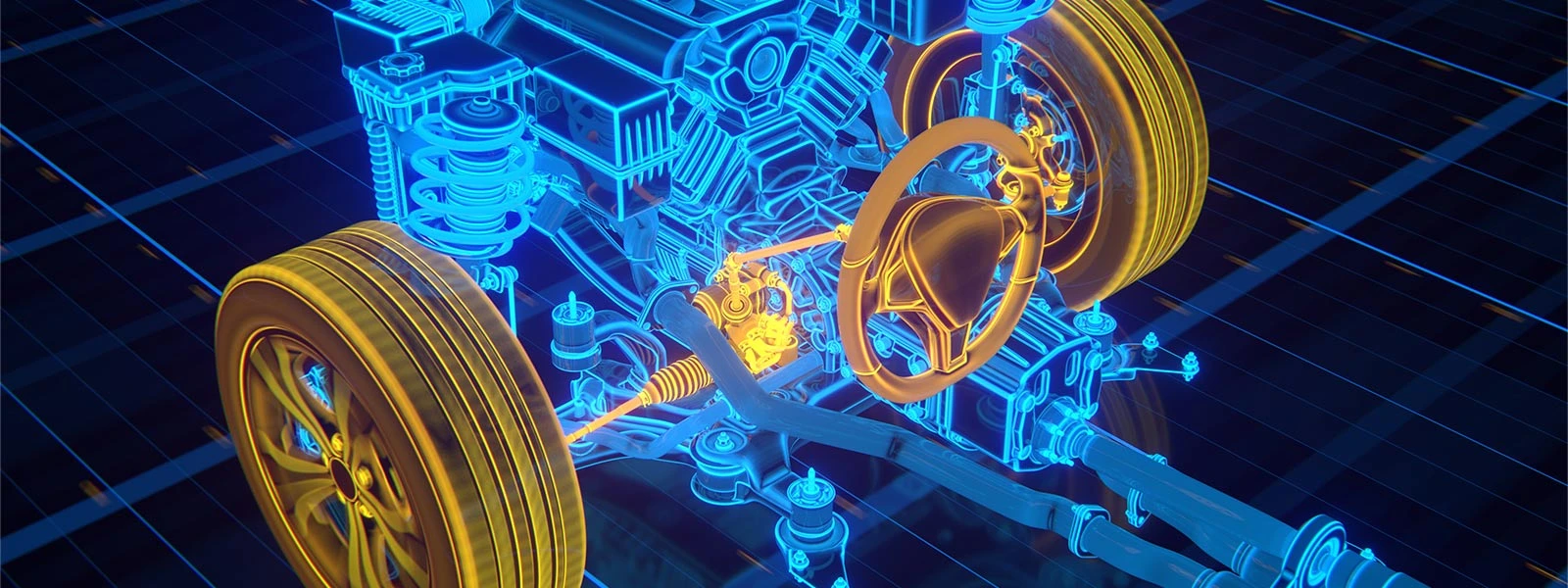

A power steering hose is a component in a vehicle's power steering system that carries high-pressure hydraulic fluid from the power steering pump to the steering gear or rack. This is why in most vehicles, the power steering hose is located near the power steering pump. The hose is usually made of rubber or synthetic materials that can withstand high pressure and temperature. It plays a crucial role in ensuring smooth and responsive steering, as it allows the power steering fluid to flow smoothly and efficiently throughout the system.
How does power steering hose work?
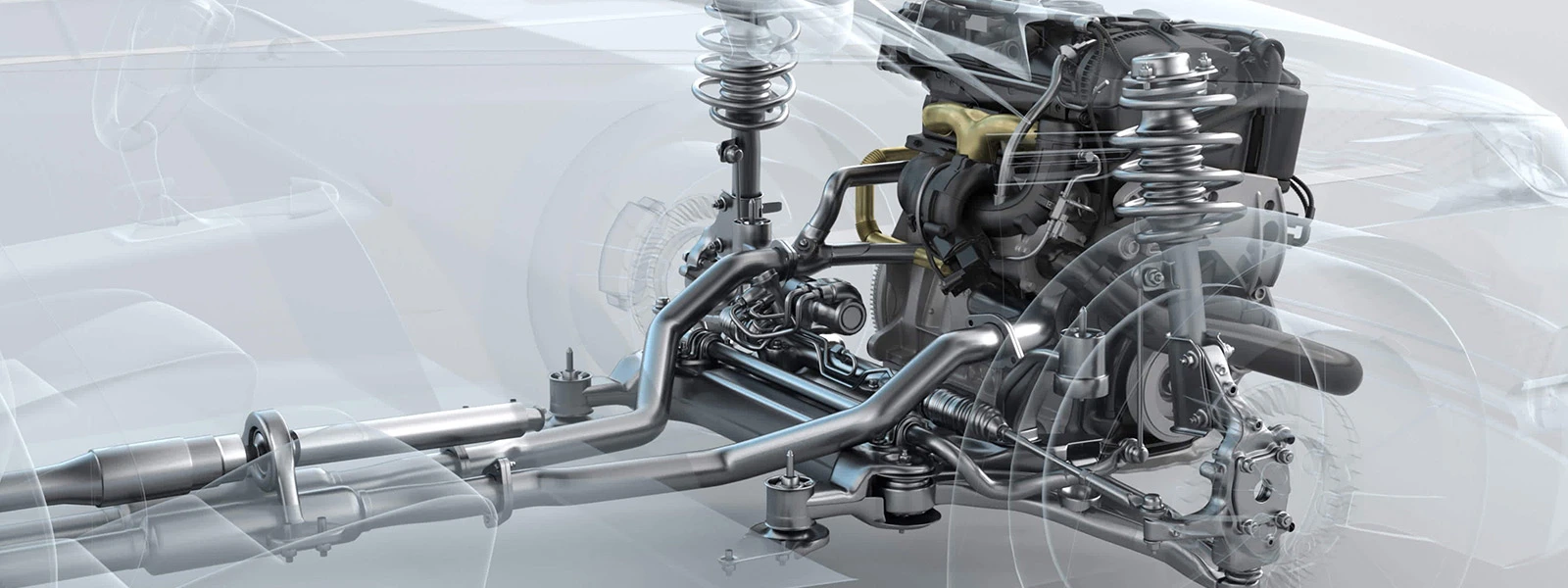
As mentioned, a power steering hose connects the power steering pump to the steering gearbox or rack, carrying pressurized hydraulic fluid that assists the driver in turning the wheels with less effort. As the driver turns the steering wheel, the power steering pump forces hydraulic fluid through the hose and into the steering mechanism, reducing the amount of force required to turn the wheels. The hydraulic fluid then returns to the power steering pump through the return hose, where it is recirculated through the system. Without a functioning power steering hose, the power steering system cannot work properly, making it difficult to turn the wheels and control the vehicle. Furthermore, a damaged or leaking power steering hose can cause a loss of power steering fluid, leading to a loss of hydraulic pressure in the system. This can result in difficulty turning the steering wheel, which can compromise the safety of the vehicle. It can also cause damage to the power steering pump, which can be costly to repair or replace.
So Regular maintenance of the power steering hose is important to prevent leaks or other damage that can affect the performance of the power steering system, ensuring optimal steering performance and safety while driving.
Types of power steering hose
- Pressure hoses are designed to carry high-pressure hydraulic fluid from the power steering pump to the steering gear. They are usually made of reinforced rubber or synthetic materials and have fittings on both ends to connect to the pump and gear. Pressure hoses must be able to withstand high pressure, heat, and vibration. They may also have a metal braided covering to provide additional protection and durability.
- Return hoses are responsible for carrying the low-pressure fluid back from the steering gear to the power steering pump. They are usually made of rubber and do not have as much reinforcement as pressure hoses. Return hoses are generally less expensive than pressure hoses and are designed to withstand lower pressure and temperatures.
- Power Steering Reservoir Line Hose is another type of power steering hose. It is responsible for carrying power steering fluid between the power steering pump and the power steering reservoir.The power steering reservoir line hose is usually made of reinforced rubber or synthetic materials and has fittings on both ends to connect to the pump and reservoir. It is designed to withstand the high pressure and heat of the power steering system and to prevent leaks or other fluid loss.
Common Problems of Power Steering Hose
Power steering hoses are subject to wear and tear over time. The common problems associated with power steering hoses include:
- Leaks:One of the most common problems with power steering hoses is leaks. The hoses can develop cracks, punctures, or other types of damage that allow hydraulic fluid to leak out. This can lead to a loss of hydraulic pressure in the system, difficulty turning the steering wheel, and potential damage to other components of the power steering system.
- Wear and Tear:Power steering hoses are exposed to high pressure and heat, which can cause them to become worn and weakened over time. This can result in the hoses becoming brittle, cracked, or otherwise damaged, which can lead to leaks and other problems.
- Corrosion:Power steering hoses are often made of rubber or metal, both of which can be subject to corrosion over time. Corrosion can cause the hoses to weaken and become more susceptible to leaks and other types of damage.
- Misalignment:Power steering hoses can become misaligned due to movement or vibrations in the vehicle. Misalignment can cause the hoses to rub against other components, which can result in damage and leaks.
- Contamination:Power steering hoses can become contaminated with dirt, debris, or other types of contaminants. Contamination can cause the hoses to become clogged or corroded, leading to reduced flow and pressure in the power steering system.
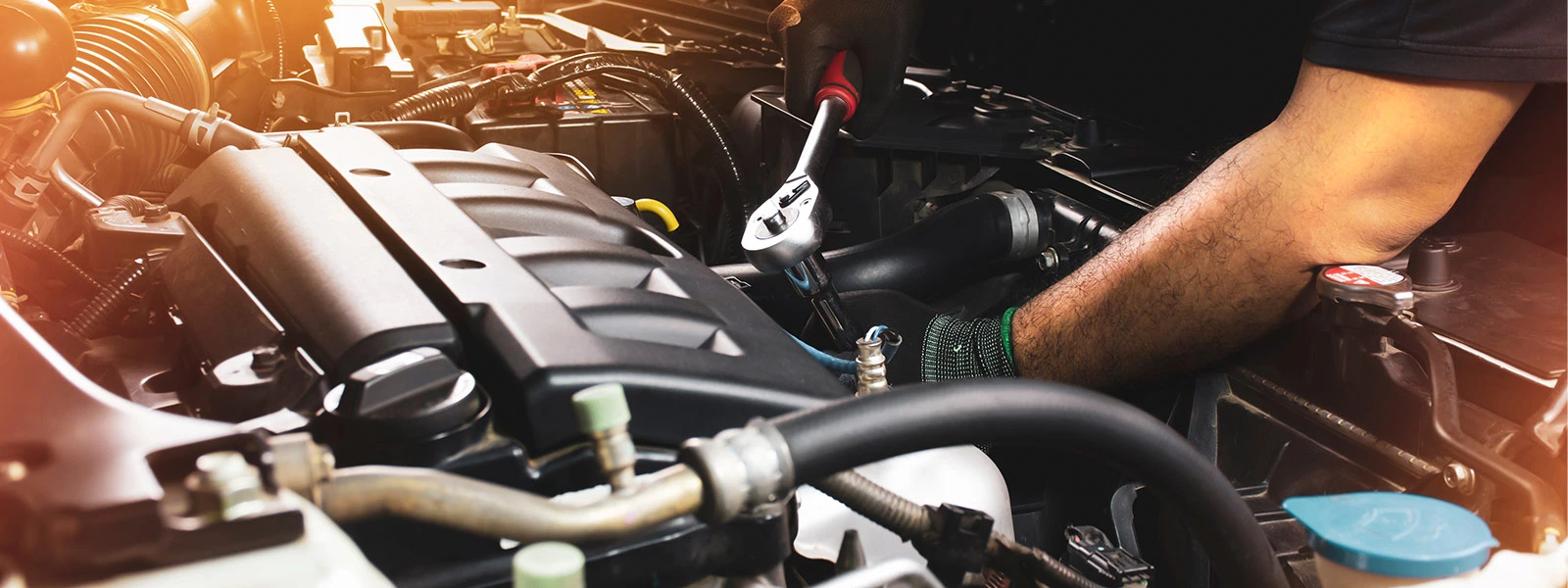
It is important to regularly inspect and maintain the power steering hoses to prevent these and other problems from occurring. Timely repair or replacement is also significant in protecting your vehicle from further damage and danger.
Power Steering Hose Regular maintenance
Regular maintenance of power steering hoses is essential for ensuring the safety, reliability, and performance of your vehicle, as well as avoiding costly repairs and replacements down the road. Then what should be done to prolong the service life of power steering hose? You may consider:
- Regularly flush the power steering system. Over time, contaminants and debris can build up in the power steering system and cause damage to the hoses and other components. To prevent this, it's important to flush the power steering system at regular intervals.
- Check the power steering pump. The power steering pump is an essential component of the power steering system, and if it's not functioning properly, it can cause damage to the hoses. Check the pump regularly and have it repaired or replaced if necessary.
- Check the power steering belt. The power steering belt drives the power steering pump, and if it's worn or damaged, it can cause damage to the hoses. Check the belt regularly and have it replaced if necessary.
- Avoid driving over rough terrain. Rough terrain can cause damage to the power steering hoses and other components. Try to avoid driving over rough terrain whenever possible.
- Keep the power steering fluid level topped up. Low power steering fluid levels can cause damage to the hoses and other components. Check the fluid level regularly and top it up as needed.
By following these additional tips, you can help to ensure that your power steering hoses remain in good condition and continue to function properly for years to come.