What Is The P0171 Code And Why Should You Care?


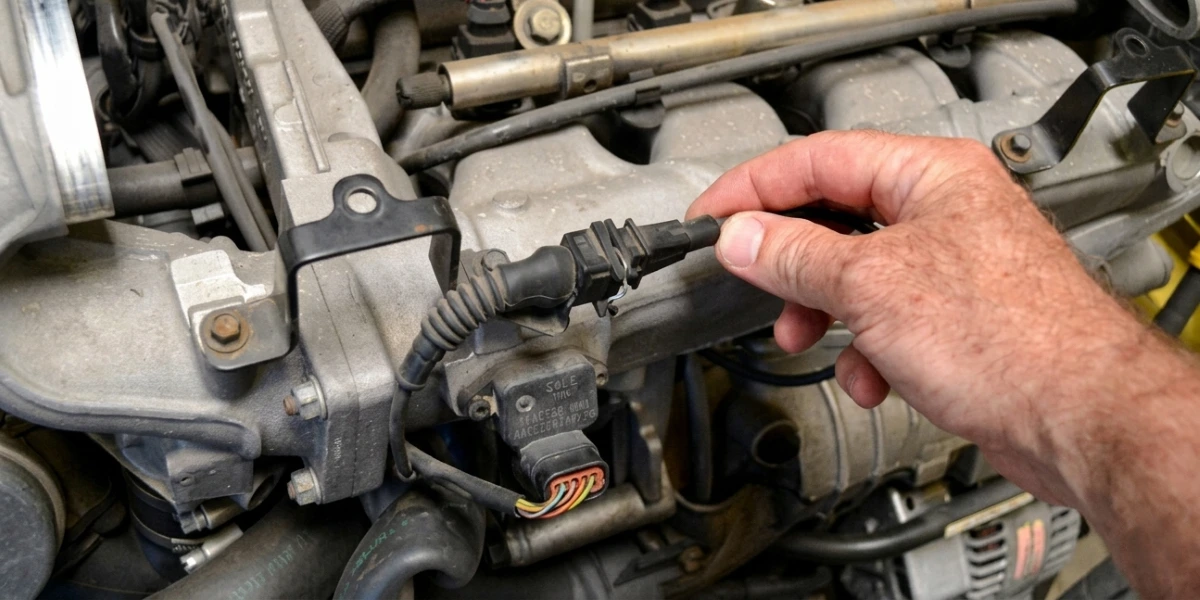
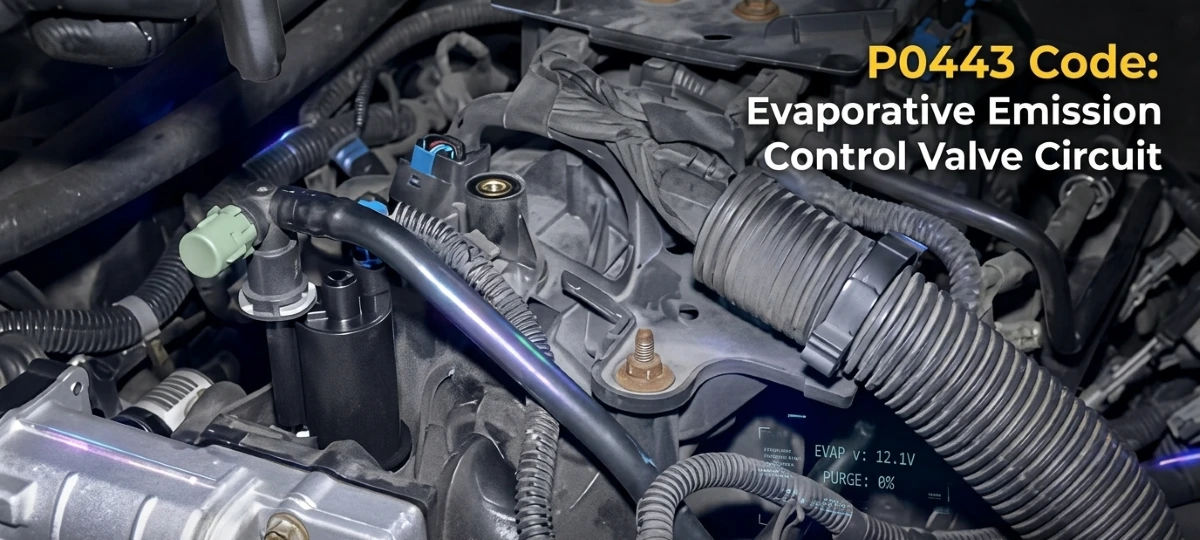
Have you ever been driving along and suddenly that dreaded check engine light pops on? Then you scan your vehicle only to find a mysterious P0171 code staring back at you? You're not alone. This common trouble code affects thousands of drivers every year, and it's telling you something important: your engine's fuel system is running too lean.
Simply put, a P0171 code means your engine isn't getting enough fuel compared to the amount of air it's taking in. This imbalance happens specifically in "Bank 1" of your engine (usually the side with cylinder #1). When your car's computer detects this lean condition over time, it triggers the code to let you know something's wrong.
Why should you care? Because ignoring this issue can lead to poor performance, reduced fuel economy, and eventually, more expensive repairs. The good news is that with the right information, many P0171 issues can be fixed without breaking the bank.
What "System Too Lean" Actually Means For Your Engine
Your engine needs the perfect mix of air and fuel to run properly - kind of like making the perfect cocktail. When mechanics talk about an engine running "lean," they mean there's too much air or not enough fuel in this mixture. The ideal air-to-fuel ratio is about 14.7:1 (14.7 parts air to 1 part fuel). When your system runs lean, this ratio gets thrown off.
Think of it like trying to burn wet wood in a campfire. It sputters, produces less heat, and generally doesn't work well. In your engine, a lean mixture burns hotter but produces less power. Your car's computer will try to compensate by adjusting fuel trim values, but when it has to make extreme adjustments, the P0171 code appears.
This imbalance doesn't just hurt performance - it can damage your engine over time. The leaner mixture burns hotter, which can damage catalytic converters and other expensive components if left unchecked.
Common Causes Of The P0171 Code
When your vehicle throws a P0171 code, several different issues might be at play. Here are the most common culprits behind this frustrating code:
Vacuum leaks are among the most frequent causes. These small cracks or loose connections in intake components allow unmetered air to enter your engine. Check vacuum hoses, the intake manifold gasket, and PCV valve for potential leaks.
A dirty or failing Mass Air Flow (MAF) sensor can't accurately measure the air entering your engine, causing incorrect fuel calculations. This critical sensor gets contaminated over time and may need cleaning or replacement. A quality air filter from A-Premium can help prevent this issue.
A clogged fuel filter or failing fuel pump might not deliver enough fuel to match the air coming in. Your engine needs consistent fuel pressure to maintain the proper mixture. A reliable fuel pump is essential for maintaining proper fuel pressure and preventing lean conditions.
Other potential causes include dirty fuel injectors, exhaust leaks near the oxygen sensor, a faulty oxygen sensor, or even low fuel pressure due to a clogged fuel filter. The key is methodical troubleshooting to identify which issue is affecting your specific vehicle.
Oxygen Sensors That You Can Trust

Warning Signs Your System Is Running Too Lean
Your vehicle will usually give you several hints that something's wrong before the check engine light comes on. Recognizing these symptoms early can save you time, money, and headaches:
The most noticeable sign is rough idling or stalling. Your engine might shake at stoplights or die completely when you come to a stop. This happens because the lean mixture doesn't provide stable combustion at low RPMs.
You'll likely experience reduced power and acceleration. When you step on the gas, your car feels sluggish or hesitates before responding. This lack of power occurs because the lean mixture doesn't produce optimal energy during combustion.
Decreased fuel economy might seem counterintuitive (isn't less fuel being used?), but your car's computer works overtime trying to correct the lean condition, often making the problem worse. You'll find yourself filling up more frequently.
Other symptoms include an engine that's hard to start, unusual exhaust smell, and in some cases, engine overheating. If you notice these warning signs alongside a P0171 code, it's time to take action before the problem worsens.
How To Diagnose A P0171 Code Properly
Before rushing to replace parts, it's important to properly diagnose the root cause of your P0171 code. Follow these steps for an effective diagnosis:
First, verify the code and check for additional codes using an OBD-II scanner. Sometimes multiple codes appear together, giving you more clues about what's wrong. Clear the codes and see if they return quickly.
Check for vacuum leaks by listening for hissing sounds around the intake manifold, hoses, and gaskets. You can use a smoke machine (if available) or a simple solution of soapy water to identify leaks - bubbles will form where air is escaping.
Inspect the air intake system for any cracks, loose clamps, or torn components. A damaged air intake tube can allow unmetered air into the engine, triggering the lean code.
Test your fuel pressure using a fuel pressure gauge. Low pressure indicates potential fuel pump or filter issues. Your vehicle's service manual will list the correct pressure specifications. A-Premium offers reliable fuel pumps that deliver consistent pressure for optimal engine performance.
Clean or replace the MAF sensor if it appears dirty. Use MAF sensor cleaner (never regular cleaners) and allow it to dry completely before reinstallation. This simple maintenance can often resolve P0171 codes.
Advanced diagnosis might involve checking fuel trim values with a scanner that reads live data. Long-term fuel trim values above 10% generally indicate a lean condition that needs attention.
Step-By-Step Fixes For The P0171 Code
Once you've diagnosed the issue, it's time to fix it. Here are the most effective solutions for resolving a P0171 code, starting with the simplest:
Replace your air filter if it's dirty or clogged. A clean air filter from A-Premium ensures proper airflow measurement and prevents contamination of your MAF sensor.
Clean your MAF sensor using specialized MAF cleaner. Remove the sensor carefully, spray it thoroughly without touching the sensitive elements, and let it dry completely before reinstalling.
Fix any vacuum leaks by replacing cracked hoses, tightening loose connections, or replacing damaged gaskets. Pay special attention to the intake manifold gasket, which commonly fails on many vehicles.
Check and replace your fuel filter if it's clogged. Many vehicles have in-tank filters that require dropping the fuel tank, so this might be a job for a professional.
Test and replace your fuel pump if fuel pressure is low. A quality replacement fuel pump ensures your engine gets the fuel it needs at the right pressure.
Clean fuel injectors using a quality fuel system cleaner. In severe cases, you may need to have them professionally cleaned or replaced.
After making repairs, clear the code and test drive the vehicle. Monitor for improvements in performance and check if the code returns. Sometimes multiple issues contribute to the problem, so be methodical in your approach.
Preventing Future P0171 Codes
The best way to deal with P0171 codes is to prevent them from happening in the first place. These maintenance tips can help keep your fuel system running properly:
Change your air filter regularly, especially if you drive in dusty conditions. A clean filter ensures accurate airflow measurements and protects your MAF sensor. A-Premium's high-quality air filters trap more contaminants while maintaining proper airflow.
Use quality fuel from reputable gas stations. Low-quality fuel can clog injectors and contribute to lean conditions.
Add fuel system cleaner to your tank periodically to keep injectors and fuel system components clean and functioning optimally.
Replace vacuum hoses before they fail. Rubber hoses deteriorate over time, especially in engine heat. Inspect them during regular maintenance and replace any that show signs of cracking or hardening.
Maintain your fuel pump by keeping your gas tank at least a quarter full. Running consistently on a nearly empty tank can cause the pump to overheat and fail prematurely. When replacement time comes, choose a reliable A-Premium fuel pump for lasting performance.
Following these preventive measures can save you from the frustration of dealing with check engine lights and performance issues down the road.
When To See A Professional About Your P0171 Code
While many P0171 issues can be fixed at home, some situations call for professional help. Consider seeking expert assistance if:
You've tried multiple fixes but the code keeps returning. This might indicate a more complex issue that requires specialized diagnostic equipment.
Your vehicle has severe symptoms like stalling, significant power loss, or overheating. These can be safety concerns that need immediate attention.
The repair requires specialized tools or access to components buried deep in the engine. Some repairs, like replacing an intake manifold gasket, can be challenging without proper equipment.
You're not comfortable working on fuel system components. Fuel systems are pressurized and can pose safety risks if not handled properly.
Even when seeking professional help, understanding the basics of the P0171 code helps you communicate better with your mechanic and avoid unnecessary repairs.
Vehicle-Specific P0171 Concerns
The P0171 code affects different vehicle makes and models in unique ways. Here are some common vehicle-specific issues to be aware of:
Ford vehicles, especially F-150s and Escapes, often develop P0171 codes due to split vacuum hoses or leaking intake manifold gaskets. The plastic intake manifolds used in many Ford engines can crack or warp over time.
Toyota and Lexus models frequently experience MAF sensor issues leading to P0171 codes. Cleaning the MAF sensor resolves many cases in these vehicles.
GM vehicles like Chevrolet and GMC commonly develop intake manifold gasket leaks that trigger lean codes. These often require replacement of the gasket to resolve.
Nissan owners should check for failing oxygen sensors, as these are a common cause of P0171 codes in many Nissan models.
Researching known issues for your specific make and model can save diagnostic time and help you target the most likely causes first. Forums and model-specific guides are excellent resources for this information.
FAQs About The P0171 Code
Can I drive with a P0171 code without damaging my engine?
While you can drive short distances with a P0171 code, it's not recommended for extended periods. The lean fuel mixture burns hotter than normal, which can potentially damage your catalytic converter and other components over time. Additionally, you'll experience reduced power and worse fuel economy. It's best to address the issue promptly to avoid more expensive repairs later.
Why does my P0171 code keep coming back after I fixed it?
Recurring P0171 codes usually indicate either an incomplete fix or multiple issues causing the lean condition. The most common reason is that you've fixed a symptom but not the root cause. For example, cleaning the MAF sensor might temporarily resolve the issue, but if there's also a vacuum leak, the code will return. Try a more comprehensive diagnosis or seek professional help to identify all contributing factors.
What's the difference between P0171 and P0174 codes?
Both codes indicate a lean condition, but they affect different parts of your engine. P0171 refers to Bank 1 (the side with cylinder #1), while P0174 refers to Bank 2 (the opposite side). If both codes appear together, it suggests a problem affecting the entire engine, like a faulty MAF sensor or fuel pump issue. Single-bank codes typically point to issues specific to that side of the engine.
Is a P0171 code an expensive fix?
The cost to fix a P0171 code varies widely depending on the cause. Simple fixes like cleaning a MAF sensor or replacing an air filter might cost $20-100 in parts if you do it yourself. More complex issues like replacing a fuel pump could run $300-800 including parts and labor. The good news is that A-Premium offers affordable, high-quality replacement parts that can save you money while ensuring reliable performance.
How quickly should I address a P0171 code?
You should address a P0171 code as soon as possible. While it's not typically an emergency that requires immediate roadside attention, fixing it within a few days is wise. Continuing to drive with a lean condition can decrease fuel efficiency, reduce engine power, and potentially cause more expensive damage over time. The sooner you fix it, the less likely you'll face additional repair costs.


