What’s behind the Ticking Sound in My Engine?

A ticking sound in your engine can indicate various issues, from normal valve noise to more serious problems like low oil levels or worn components. Identifying the source early is crucial to prevent further damage and ensure your engine runs smoothly.


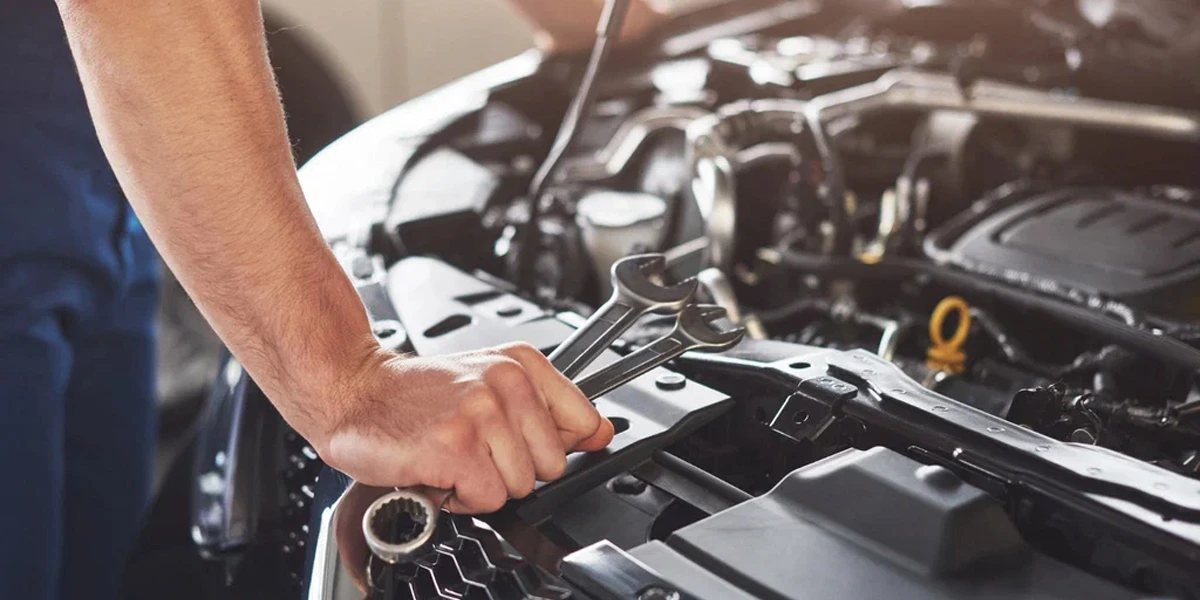
Have you ever been driving your car, only to be startled by an unexpected ticking sound coming from under the hood? It’s a common experience that can send a shiver down any driver’s spine. While some engine noises may be harmless, a ticking sound can signal underlying issues that deserve your attention. Understanding what causes this sound is crucial for maintaining your vehicle's health and ensuring a smooth ride. Let’s dive into the possible culprits behind that pesky ticking noise and how you can address it.
Common Causes of Engine Ticking
Insufficient oil levels
One of the most frequent causes of engine ticking is low oil levels. Oil lubricates the moving parts of your engine, and without enough of it, components can rub against each other, creating a ticking sound. Regularly checking your oil levels and topping off when necessary can help prevent this issue.

Oil quality and type
The type and quality of oil you use also play a significant role in engine performance. Using the wrong viscosity or dirty oil can lead to inadequate lubrication, resulting in ticking noises. Always refer to your vehicle’s manual for the recommended oil specifications and change your oil regularly to maintain optimal performance.
Worn engine components
As your engine ages, components such as lifters, valves, and rocker arms can wear down. This wear can lead to increased clearance between parts, causing a ticking noise. If you suspect this is the issue, it's essential to have a mechanic inspect your engine to determine the necessary repairs.
Exhaust leaks
Sometimes, the ticking sound can originate from the exhaust system rather than the engine itself. Exhaust leaks, particularly at the manifold, can create a ticking noise that mimics engine problems. If you hear ticking that changes with engine speed, an exhaust leak may be the culprit.
Identifying the source of the ticking
Listening techniques
To determine the source of the ticking sound, try to isolate it. Listen carefully and note if the sound varies with engine speed or if it’s more pronounced at idle. You can use a mechanic's stethoscope or a long screwdriver placed against the engine to pinpoint the area of the noise.
When to seek professional help
If you’re unable to identify the source of the ticking or if it worsens, it’s time to consult a professional mechanic. Ignoring the issue could lead to more severe damage, so err on the side of caution when it comes to your engine.
Potential consequences of ignoring ticking sounds
Ignoring a ticking sound can have serious repercussions for your engine. What May start as a minor annoyance can escalate into significant damage if left unaddressed. Components May wear down further, leading to costly repairs down the line or even catastrophic engine failure. Regular attention to engine noises is essential for preserving your vehicle's longevity.
How to fix the ticking noise in the engine
The ticking sound can be quite irritating, even if it doesn't necessarily indicate engine damage. Nonetheless, it raises significant concerns for many drivers. So, what steps can be taken to prevent this issue?
If the ticking is linked to oil-related issues, drivers should check their engine oil. If the oil level is low, adding more may eliminate the unusual noise. In cases where oil pressure is the problem, it's advisable for car owners to visit a specialized repair shop to inspect the oil pump or any components responsible for maintaining oil pressure within the engine.
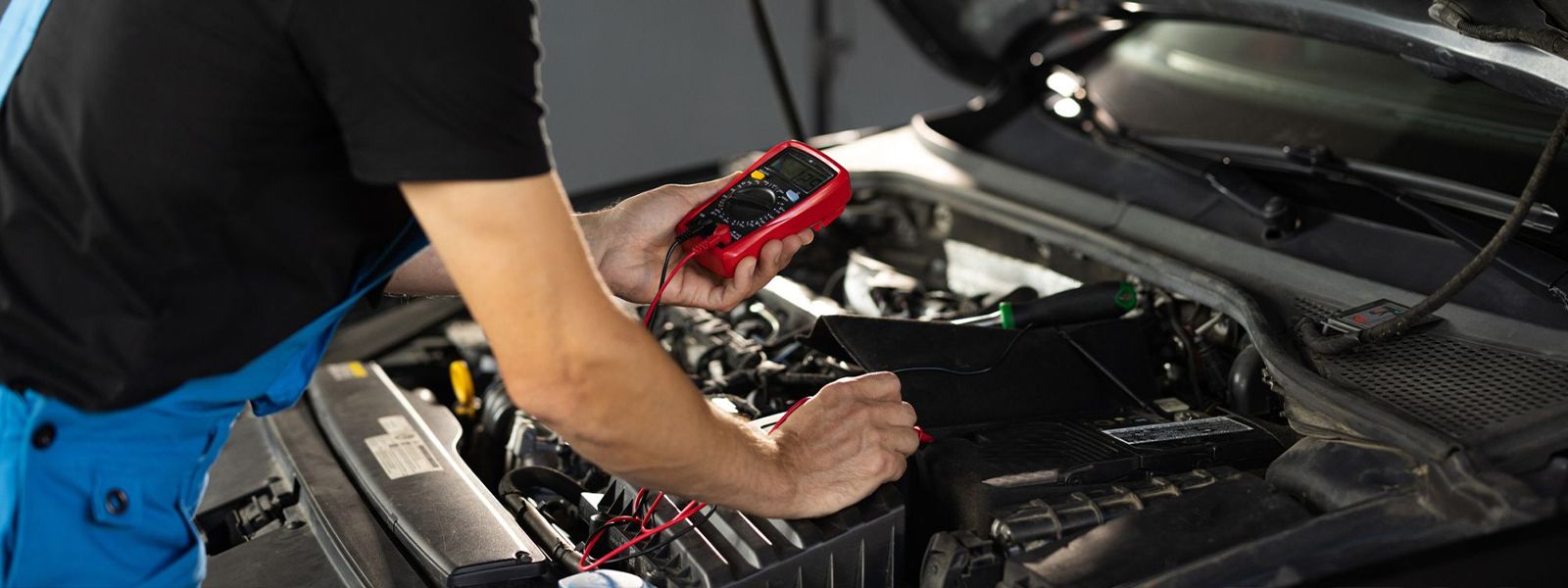
If the ticking originates from problems with the ignition system, it's essential to examine the ignition timing and adjust it according to the manufacturer’s specifications.
Typically, addressing a ticking or knocking sound can be challenging, especially if it stems from loose components within the cylinder head or engine. If vehicle owners delay in repairing or replacing these parts, it could lead to further damage to other engine components.
Preventive measures
Preventing engine ticking starts with regular maintenance, which is key to a healthy engine. Routine oil changes are vital, as oil lubricates the engine's moving parts and prevents excessive wear. Checking oil levels regularly can help you catch any issues before they escalate into more significant problems. Additionally, keeping an eye on your vehicle’s overall performance and dashboard indicators can alert you to potential issues early on.
Another essential preventive measure is scheduling regular inspections with a trusted mechanic. During these visits, a professional can identify wear and tear on engine components, ensuring that any potential problems are addressed before they result in ticking sounds or other issues. Finally, maintaining a clean engine environment can also contribute to its longevity. Keeping the engine bay free from debris and ensuring that coolant and other fluids are at optimal levels will help maintain engine performance and prevent unnecessary wear.


