What is an Engine Coolant Temperature Sensor

The engine coolant temperature sensor, often abbreviated as the ECT sensor. The importance of the ECT sensor lies in its ability to ensure that the engine operates within its optimal temperature range.


The car coolant temperature sensor plays a pivotal role in maintaining optimal engine performance. Despite its unassuming size, is essential to the engine management system, serving as a key informant for the engine control unit.
What is a car coolant temperature sensor
The engine coolant temperature sensor is crucial for the vehicle's engine management system. It interacts with the engine control unit (ECU) to maintain optimal fuel injection and ignition timing. The sensor works by receiving a steady voltage signal from the ECU, with its resistance varying according to the coolant temperature. This change allows the ECU to monitor the engine's thermal condition. Using the sensor's resistance data, the ECU adjusts ignition timing, and air-fuel mixture, and activates the cooling fan as necessary to manage and stabilize the engine temperature.
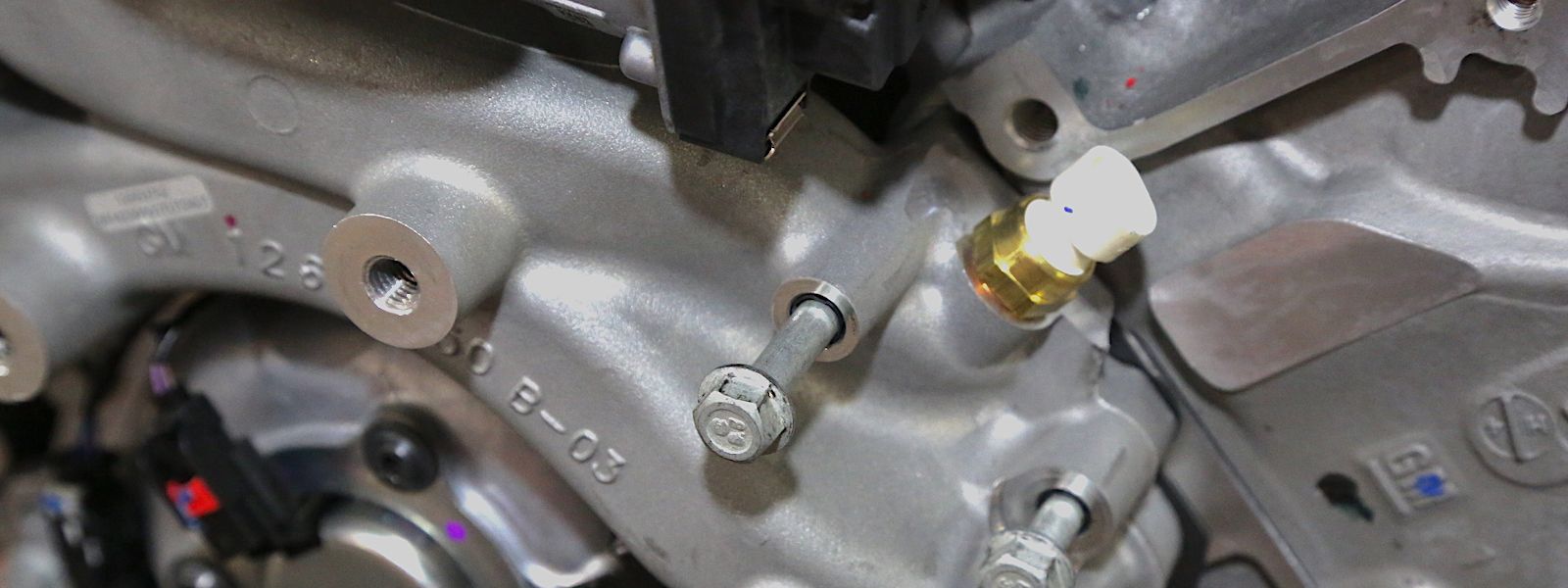
Other types of auto temperature sensors
Beyond the car coolant temperature sensor, automobiles are equipped with a variety of temperature sensors that play crucial roles in maintaining the vehicle's performance and safety.
Air Charge Temperature (ACT) Sensor
Located in the intake manifold or air intake duct, measures the temperature of the incoming air. It contains a thermistor that alters its resistance with temperature changes, providing a voltage signal to the engine control unit (ECU) for precise air-fuel mixture adjustments.
Ambient Air Temperature Sensor
The sensor is typically located behind the front bumper or grill. When the ambient air temperature sensor functions correctly, it collaborates with the Engine Control Module (ECM) to regulate fuel delivery, ignition timing, and emission control systems based on the temperature readings.
Coolant Temperature Sensor VS Thermostat
Within the automotive cooling system, the car coolant temperature sensor and the thermostat both have key responsibilities, but they serve different functions. The engine coolant temperature sensor is an electronic device that monitors the temperature of the coolant and communicates this information to the engine control unit (ECU). This data is used by the ECU to make real-time adjustments to the engine's operation.
On the other hand, the thermostat plays a role in physically regulating the flow of coolant within the engine. It acts as a valve that opens and closes based on the engine's temperature, controlling the circulation of coolant through the radiator to either warm up the engine quickly or cool it down when needed.
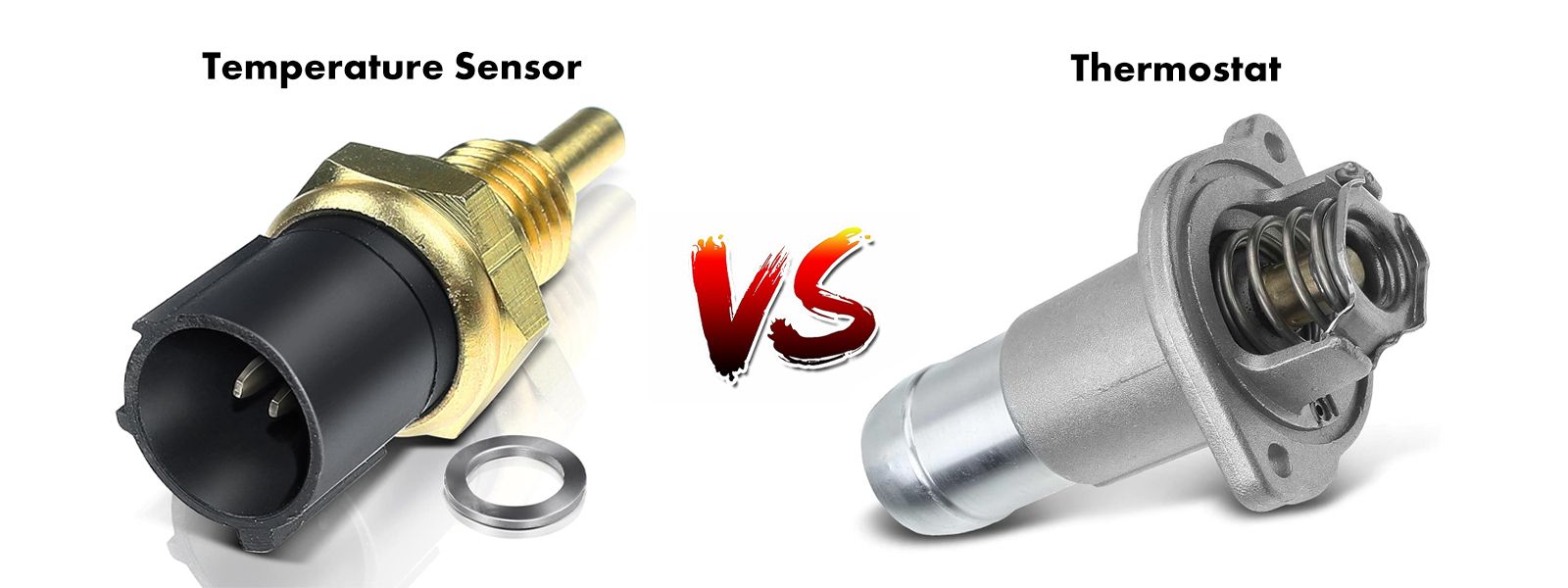
Together, the engine coolant temperature sensor and the thermostat work in tandem to ensure the engine operates efficiently and stays within safe temperature limits, with the sensor providing the necessary feedback for electronic control and the thermostat managing the coolant flow for effective heat exchange.
How to spot a faulty engine coolant temperature sensor
Like all parts, auto coolant temperature sensors can degrade with age. An initial inspection might not catch all issues, since some malfunctions aren't apparent just by looking. You can also see if the engine coolant temperature sensor is damaged by the following signs:
- Erratic Temperature Readings: If your temperature gauge is fluctuating or showing inconsistent readings, it could indicate a faulty sensor.
- Poor Fuel Economy: An incorrect air-fuel mixture caused by a malfunctioning sensor can lead to increased fuel consumption.
- Check Engine Light: The engine control module (ECM) may trigger the check engine light if it detects an issue with the coolant temperature sensor.
- Engine Overheating: A bad sensor might not send the correct signal to the ECM, potentially causing the engine to overheat.
- Hard Starting Engine: The ECM relies on the sensor to control spark timing and fuel injection, so a failure can make the engine hard to start.
Common reasons for coolant temperature sensor failure
The failure of an engine coolant temperature sensor can stem from various factors. Continuous exposure to extreme temperatures can weaken its materials over time. Secondly, issues within the electrical system, like short circuits or damaged wiring, can hinder the sensor's communication with the engine control unit (ECU). What's more, physical vibrations from the engine and impacts from debris may cause mechanical damage as well. Corrosion from prolonged exposure to coolant and moisture can also impair accuracy. Additionally, leaks or contaminants in the coolant can result in faulty temperature readings. Regular maintenance and inspections are crucial to ensure the sensor remains reliable and accurate.
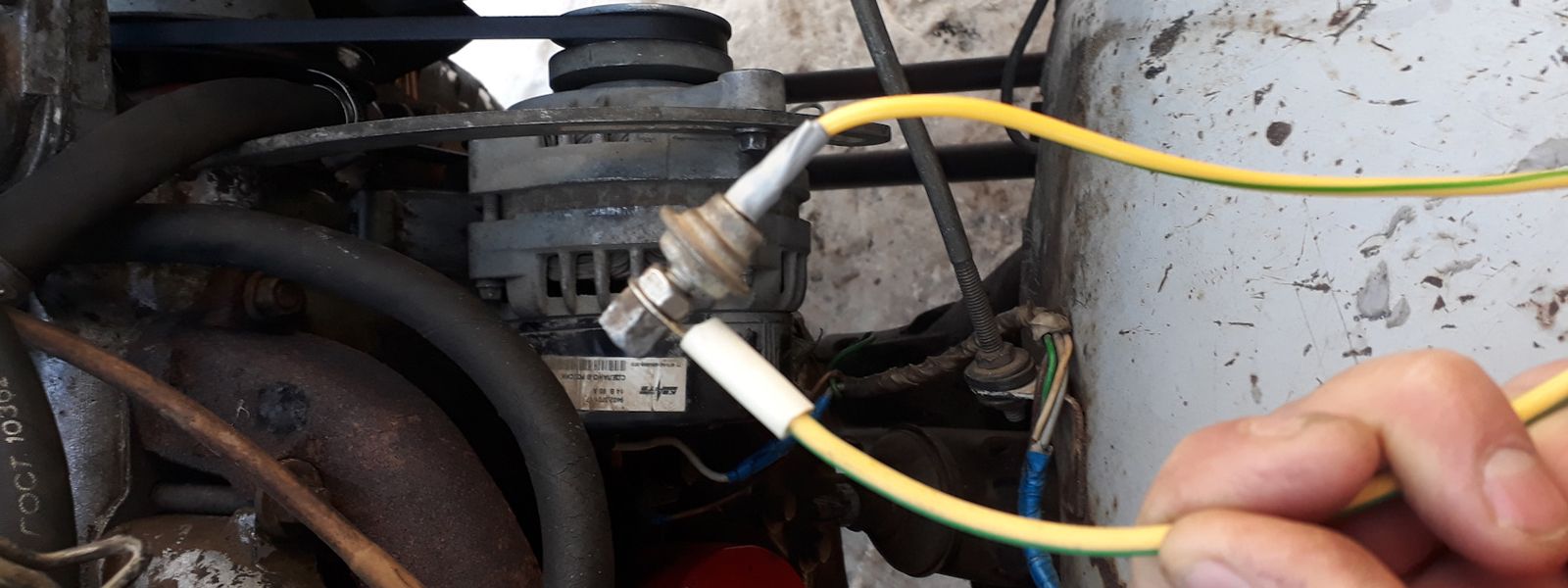
A-Premium engine coolant temperature sensors are recognized for their accuracy in measuring engine heat and conveying this data to the engine control module. They are designed for long-term stability, maintaining consistent performance over time. Our sensors feature a fast response time to temperature fluctuations, which is crucial for timely engine management adjustments. Besides, durable construction, often utilizing materials like brass, ensures they can withstand the rigors of the engine environment. What’s more, their compatibility with various vehicles, including Chevrolet, Dodge, and Ford, ensures a broad application range. At A-Premium, We offer a wide range of temperature sensors, plus a 3-year warranty. Buy temperature sensors from us with confidence today! Our customer service is available 24/7 to assist you!


