What is a Turbocharger and How Does it Work?

Delve into the inner workings of turbochargers and unlock the sorcery that propels your engine to newfound heights of power and efficiency.
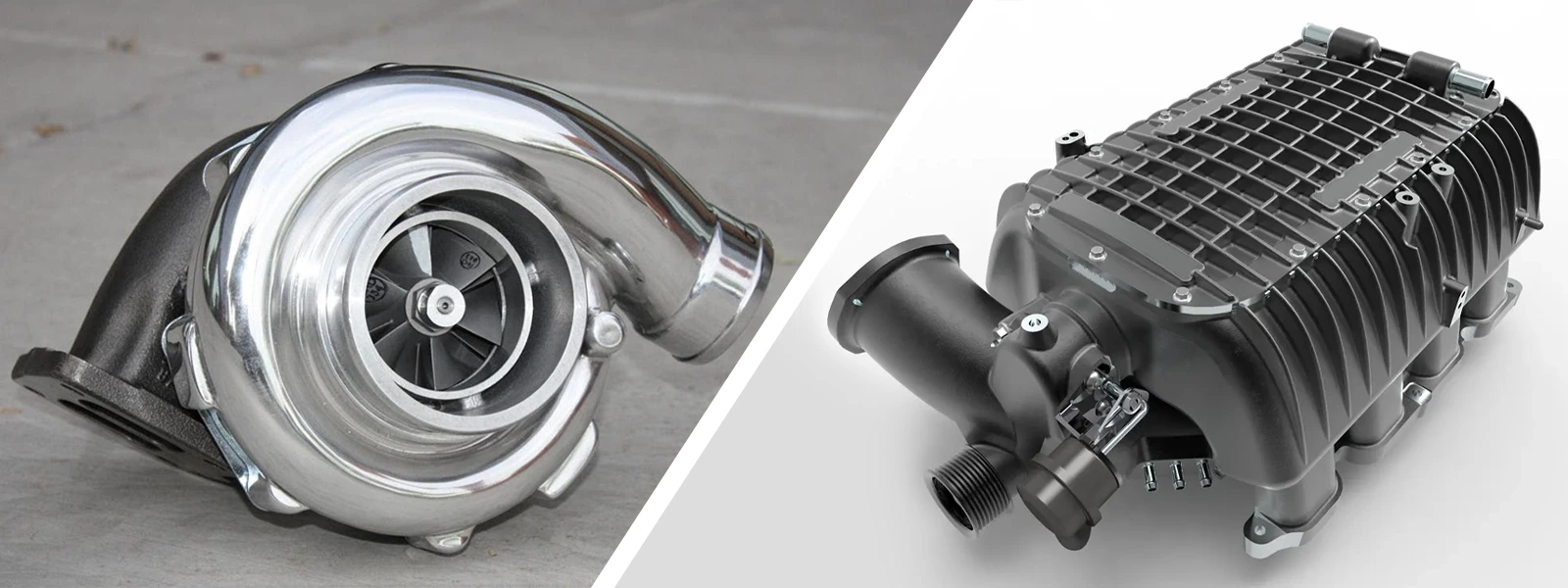
Turbochargers are remarkable devices that have transformed the landscape of internal combustion engines. Over the years, turbochargers have been highly valued for their capacity to increase horsepower, a feature that earned them recognition in the realm of race cars and high-performance sports vehicles. However, contemporary turbochargers not only enhance both horsepower and fuel economy but also render smaller engines more efficient while retaining the ability to achieve highway speeds.
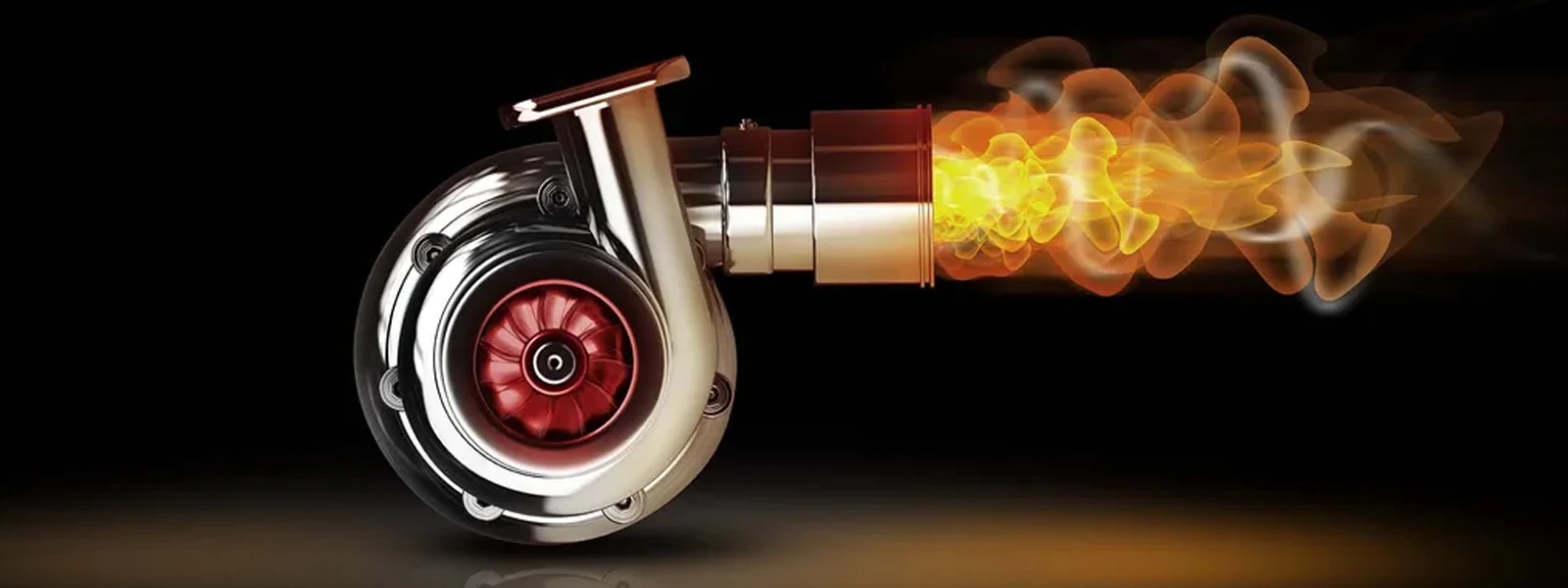
In what way does a turbocharger boost the power of an engine and improve its overall efficiency?
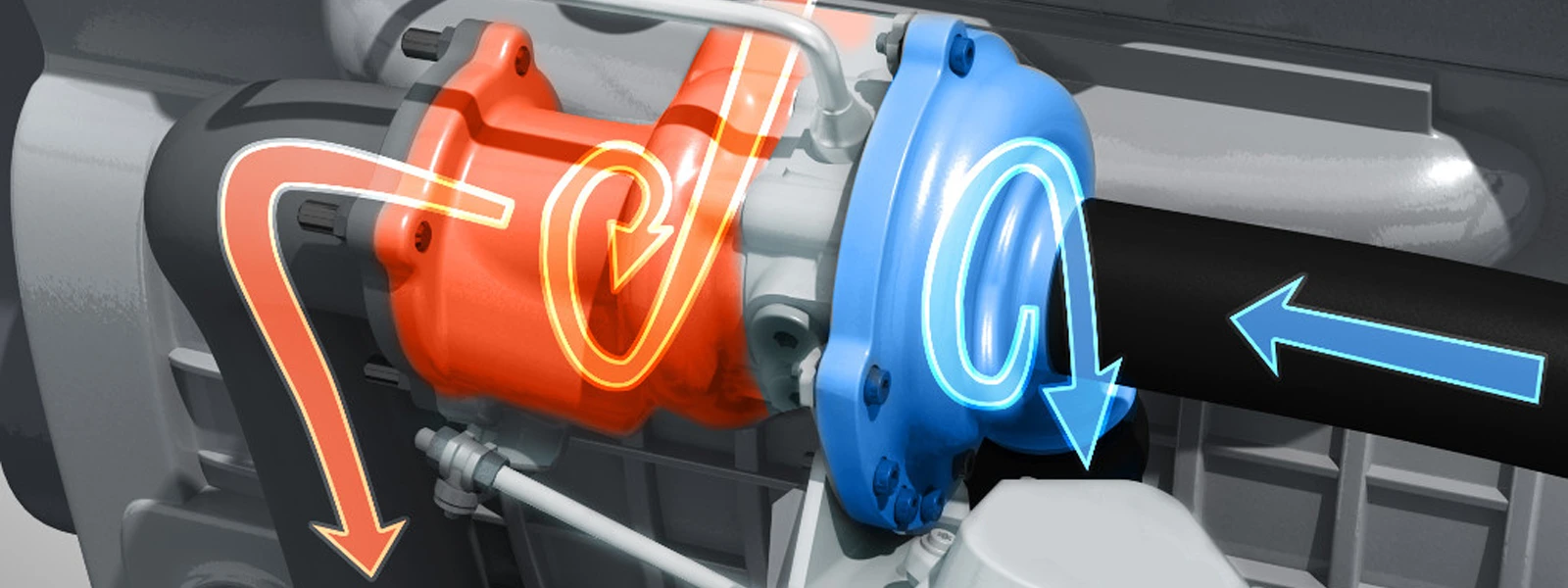
A turbocharger operates on the principle of forced induction, utilizing the energy from the engine's exhaust gases. As the engine runs, these exhaust gases are directed into the turbocharger, where they drive a turbine connected to a shaft. This shaft is in turn linked to a compressor wheel positioned in the intake air stream. When the exhaust gases spin the turbine and shaft, they set the compressor wheel into motion, compressing the incoming air. This process results in denser air, which is then forcefully delivered into the engine's cylinders.
The significance of this compressed air intake lies in its dual impact. Firstly, it allows the engine to inject a greater quantity of fuel into each cylinder during the intake stroke, creating a more potent air-fuel mixture. This leads to a substantial increase in power, significantly boosting the engine's horsepower and torque. Secondly, the denser air promotes more efficient combustion, making the engine more powerful and thus more efficient. Turbochargers go beyond mere power enhancement; they also serve as a catalyst for overall engine efficiency. By empowering smaller engines to match the power of larger ones, they optimize fuel consumption and reduce emissions, contributing to a more sustainable and environmentally friendly driving experience.
Turbochargers and engines
The relationship between a turbocharger and an engine is a fascinating partnership that significantly influences an engine's performance and efficiency. Turbochargers are essentially forced-induction systems that work alongside an engine to boost its power output. They achieve this by compressing the air that enters the engine, a process that enables the engine to squeeze more air into each cylinder.
The interplay between the turbocharger and the engine can be likened to a well-choreographed dance. The engine produces exhaust gases as it runs, and these gases are directed into the turbocharger. Within the turbocharger, the exhaust gases spin a turbine connected to a shaft, which, in turn, drives a compressor wheel in the intake air stream. This compressor wheel compresses the incoming air, making it denser, and forces it into the engine's cylinders. This interaction has a profound impact.
Turbocharger structure
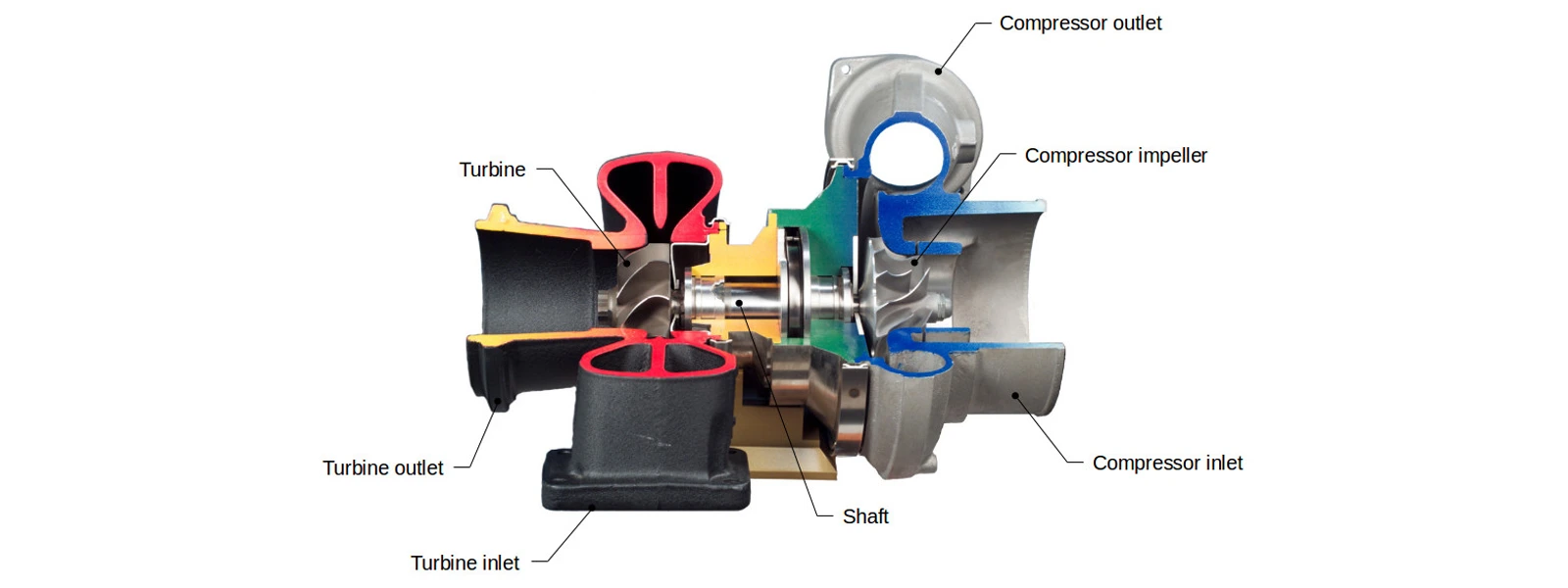
The structure of a turbocharger is a complex but well-designed system that consists of several key components, each with a specific function.
- Turbine Housing:
- Captures exhaust gases.
- Positioned in the exhaust stream.
- Turbine Wheel:
- Driven by exhaust gases.
- Connected to a shaft.
- Center Housing Assembly:
- Houses the shaft and bearings.
- Supports shaft stability.
- Compressor Housing:
- Positioned in the intake air stream.
- Opposite the turbine housing.
- Compressor Wheel:
- Mounted on the same shaft as the turbine wheel.
- Compresses incoming air.
- Bearing System:
- Includes journal bearings and a thrust bearing.
- Supports smooth shaft rotation.
- Wastegate:
- Regulates exhaust flow to the turbine wheel.
- Prevents over-boosting.
- Intercooler (optional):
- Cools compressed air.
- Increases air density for better performance.
Turbocharger FAQs
Are turbochargers suitable for all engines?
Turbochargers can be beneficial for a wide range of engines, but their compatibility depends on factors like engine design and intended use.
Can a turbocharger harm my engine?
When properly designed, installed, and maintained, a turbocharger is unlikely to harm your engine. However, improper installation, excessive boost pressure, inadequate maintenance, or pushing the engine beyond its limits can lead to potential issues.
Can a turbocharger be added to an existing engine?
In many cases, it is possible to add a turbocharger to an existing engine. However, it's a complex process that often requires modifications to the engine and its components. Consult with an experienced mechanic or engineer who can assess your engine's compatibility and ensure the necessary adjustments are made for safe and efficient turbocharging.
What types of turbochargers are there?
Turbochargers come in various types, including single-scroll, twin-scroll, variable-geometry, and electric-assist turbochargers, each with unique applications.


