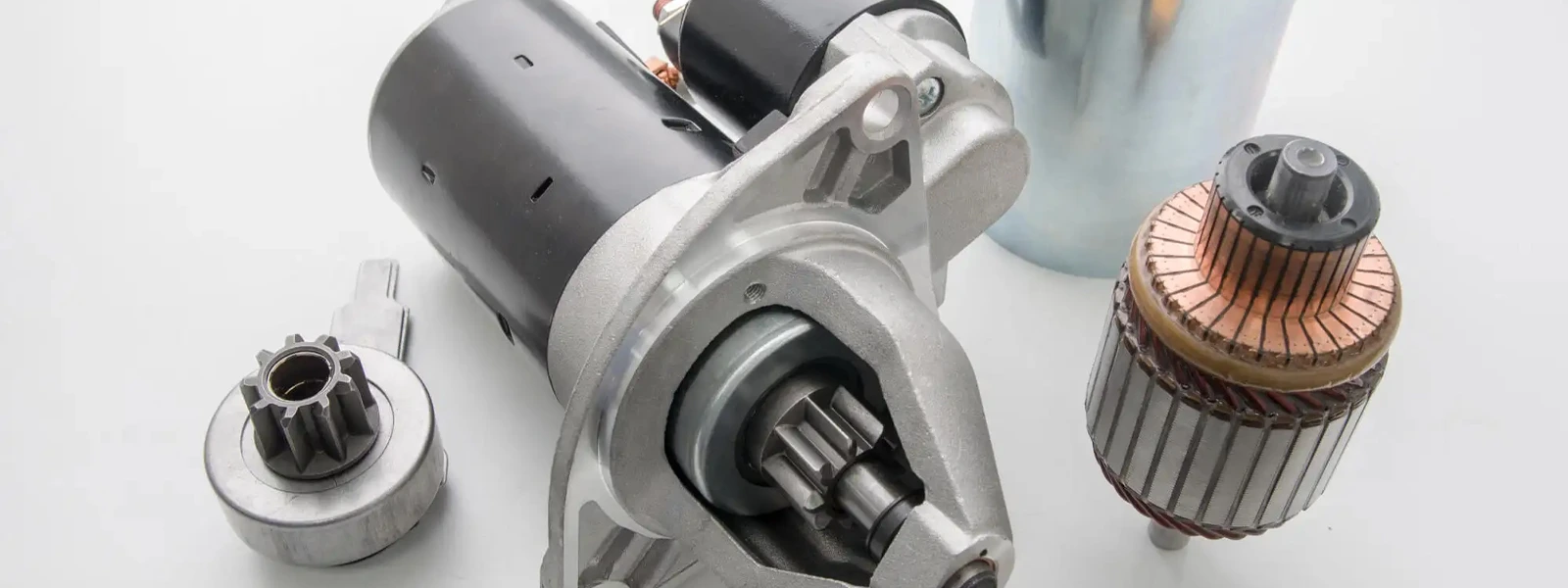
What is a starter: things to know about engine starter

Discover the fundamental role of a starter in your vehicle's engine, understanding how it initiates the ignition process and kick-starts your car's power.
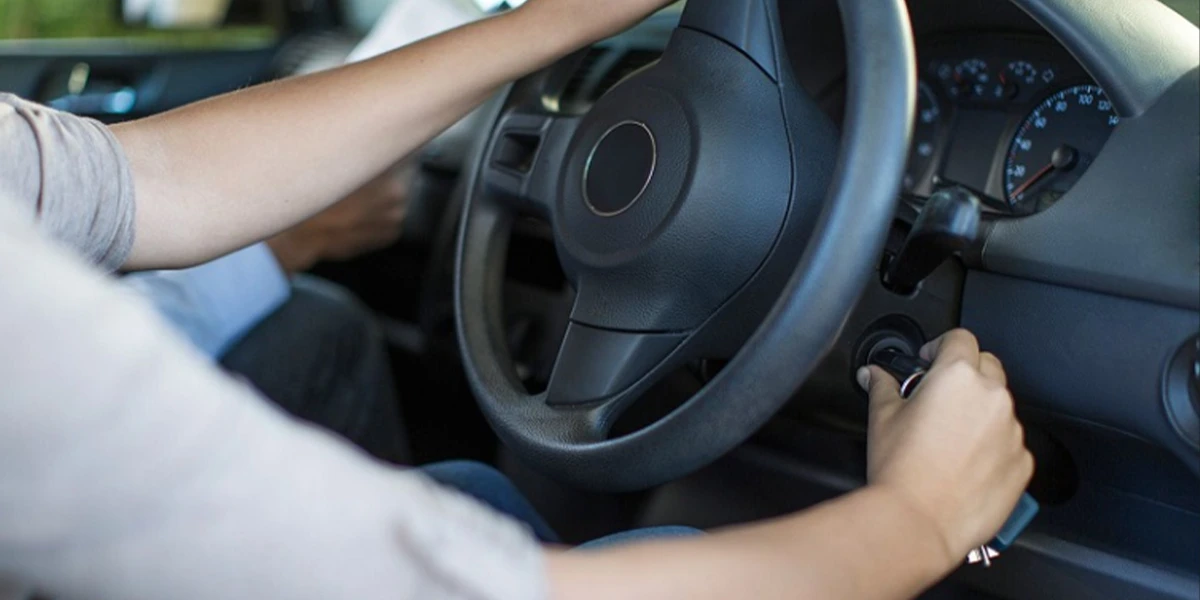
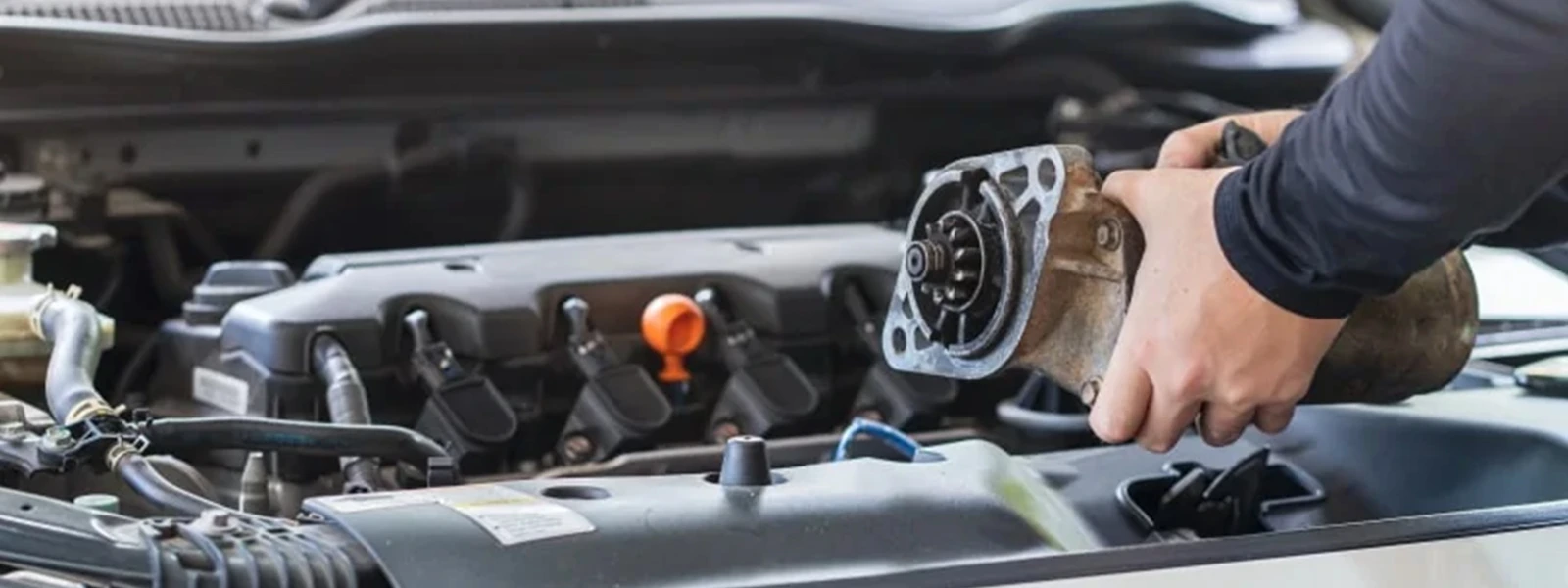
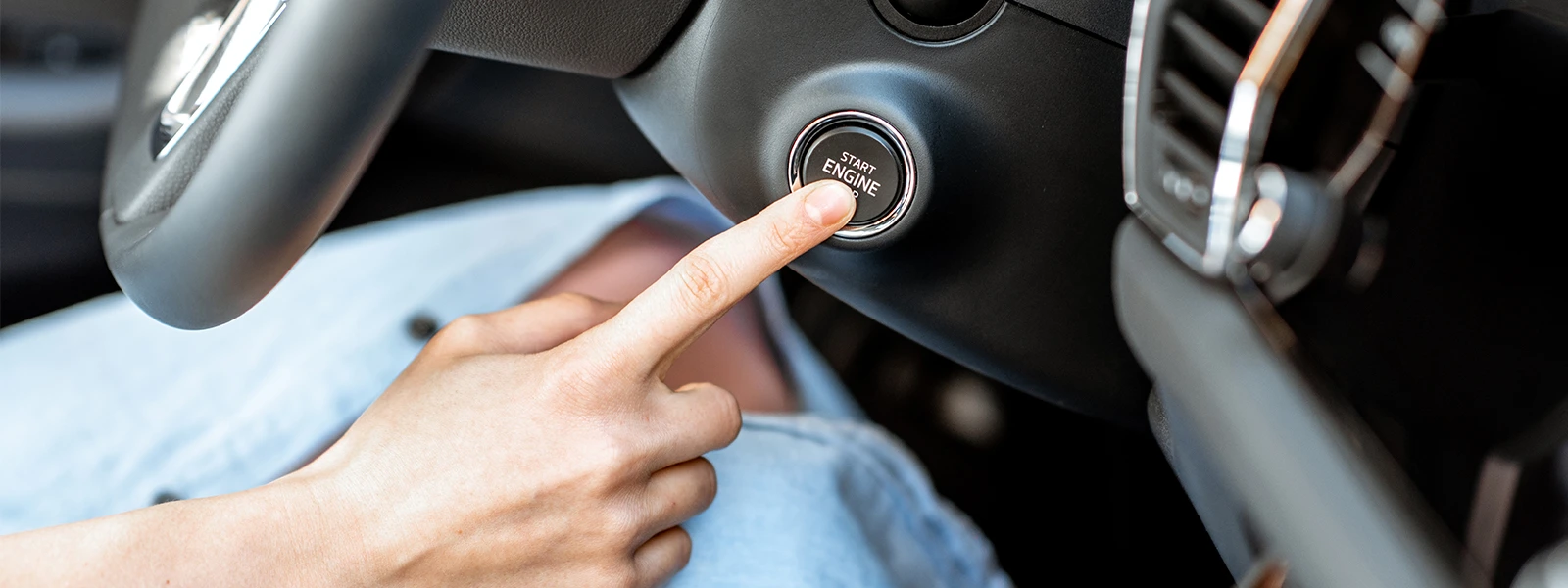
The car starter, technically referred to as the starter motor, holds immense significance within the vehicle's powertrain framework. The duty of a starter is to initiate the engine's operation, effectively kickstarting the combustion process, and enabling the vehicle to begin its forward motion.
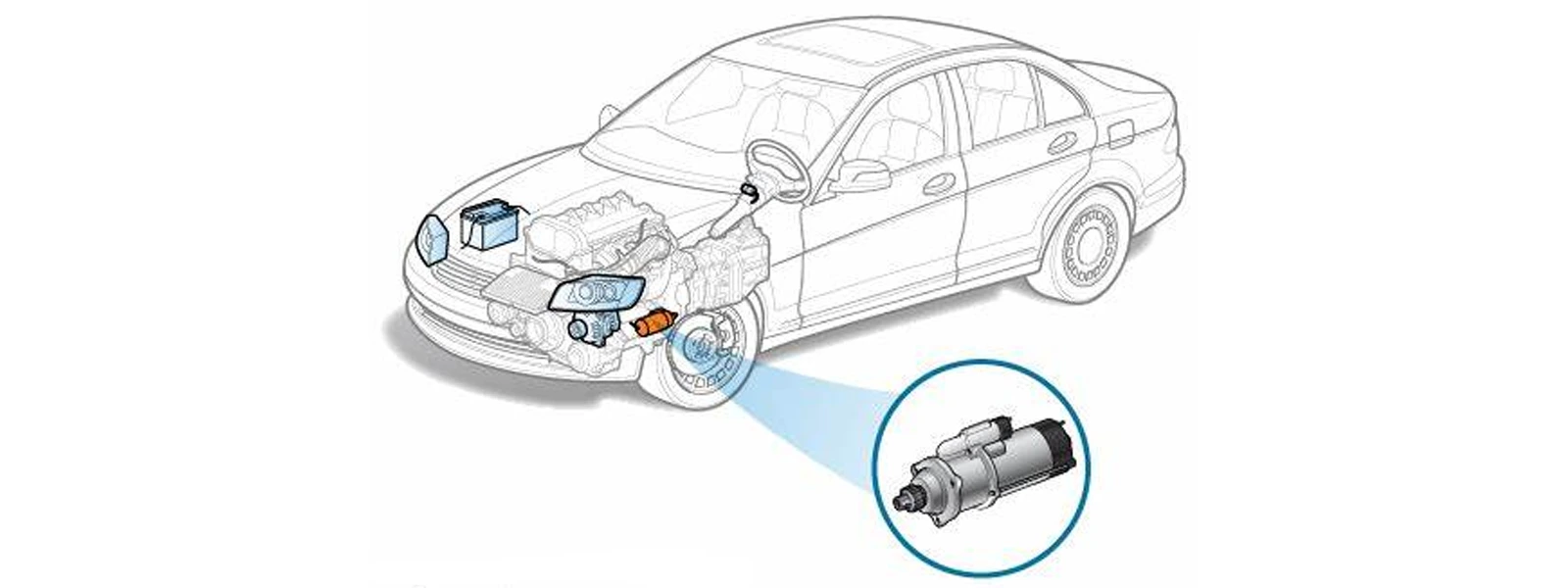
Understanding engine starter by its components
A starter consists of several essential components that work together to initiate the engine's operation
- Starter Motor: The heart of the starter system, the starter motor is a high-torque electric motor responsible for turning the engine's crankshaft. It converts electrical energy from the battery into mechanical energy.
- Solenoid: The solenoid is an electromagnetic switch mounted on the starter motor. It serves as a bridge between the battery and the starter motor, engaging and disengaging the motor when the ignition is turned on and off.
- Pinion Gear: The pinion gear is attached to the starter motor's armature shaft. It engages with the engine's flywheel (or flexplate in automatic transmissions) to transfer the rotational force from the starter motor to the engine.
- Housing: The starter motor, solenoid, and associated components are housed within a protective casing, typically made of metal. This housing shields the internal components from damage and environmental factors.
- Mounting Bolts: Mounting bolts secure the starter to the vehicle's engine or transmission housing, keeping it firmly in place.
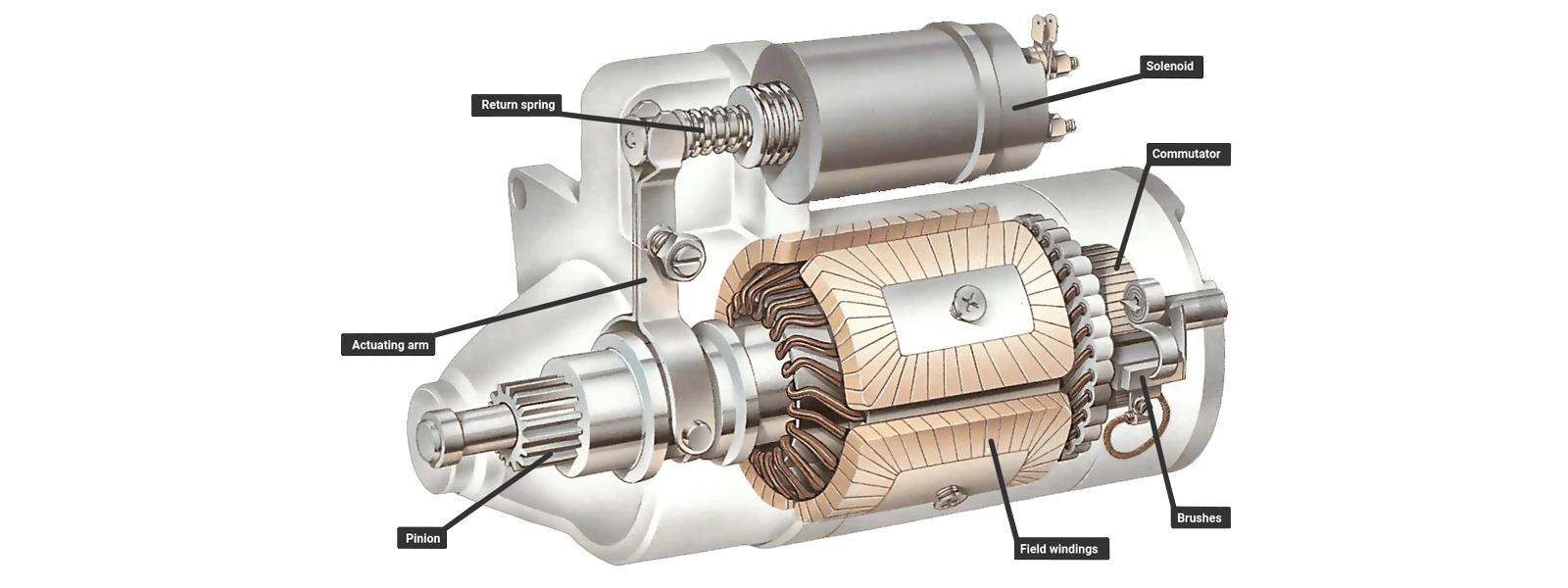
It’s worth mentioning that if any of these components malfunction or wear out, it can lead to difficulties in starting the vehicle or a complete failure of the starter system.
How does an engine starter work?
Upon receiving the signal from the driver, typically through the ignition key or a modern push-button start system, the car starter motor is activated. This electric motor draws electrical power from the vehicle's battery and translates it into mechanical force.
The starter motor's operation is a meticulously choreographed sequence. It features a solenoid, an electromagnetic switch integral to the starter assembly. The solenoid acts as a bridge for the electrical current, ensuring the smooth flow of energy from the battery to the starter motor.
Concurrently, the starter motor's pinion gear engages with the engine's flywheel or flexplate. This engagement serves as the ignition key, figuratively and literally, for the engine. The starter motor's rotation initiates the engine's cranking process.
As the engine cranks, it commences its internal combustion cycle, drawing in air and fuel, compressing the mixture, and igniting it. The result is the engine's autonomous operation.
Remarkably, as soon as the engine is running independently, the car starter's role concludes. The solenoid disengages, interrupting the electrical circuit, and the starter motor returns to its dormant state, poised for the next ignition request.
Maintaining and extending starter lifespan
Following these maintenance practices to enhance the longevity and reliability of your car's engine starter:
- Regular Inspection
Make it a habit to give your starter system a visual once-over from time to time. Peek under the hood and check for any signs of wear, damage, or corrosion. Look out for loose wires or connections that might need attention.
- Connection Care
Pay special attention to the electrical connections. Keeping them clean and securely fastened is essential. The battery terminals, the connections to the starter motor, and the solenoid should all be in top shape. Corrosion or loose connections can undermine the starter's performance.
- Battery Wellness
Your vehicle's battery health is intertwined with the starter's performance. Ensure the battery is in good condition, regularly checking its voltage and replacing it as recommended by the manufacturer. Weak or discharged batteries can put undue stress on the starter.
- Lubrication
Keep the moving parts of the starter well-lubricated. Apply an automotive-grade grease or lubricant to components like the pinion gear and any moving parts within the starter motor. This helps reduce friction and prolongs the life of these critical elements.
- Flywheel or Flexplate Check
Occasionally inspect the flywheel (or flexplate, in the case of automatic transmissions) for any signs of damage or missing teeth. A damaged flywheel can lead to starter issues. If you spot problems, consider professional inspection and repair.
- Use Correct Engine Oil
Make sure your vehicle is using the engine oil recommended by the manufacturer. Using the right oil viscosity and adhering to oil change intervals helps protect not only the engine but also components like the starter.
- Avoid Prolonged Cranking
Be mindful not to engage the starter for overly extended periods. Prolonged cranking can lead to overheating and potential damage to the starter motor. If the engine doesn't start after a few tries, give it a brief rest before attempting again.
- Professional Insight
Periodically, seek the expertise of a qualified mechanic or technician to inspect your starter system. Their trained eye can catch issues before they escalate and ensure that your starter is in optimal condition.
- Weather Protection
Whenever possible, park your vehicle in a sheltered location to shield the starter and other components from harsh weather conditions. Extreme heat and cold can affect starter performance.