What Is a Catalytic Converter and How Does It Work

Uncover the mystery behind catalytic converters in our informative blog. Explore their role in reducing pollutants, the chemical reactions that occur, and how they contribute to environmental sustainability and vehicle efficiency.
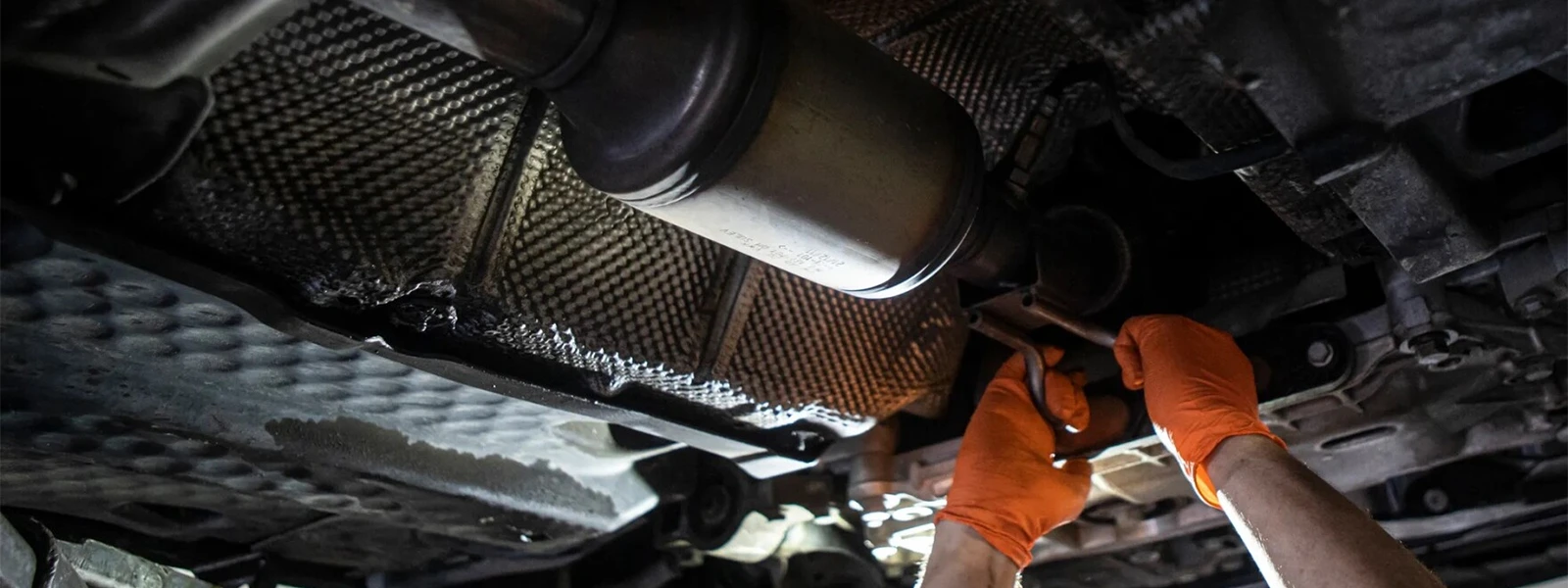
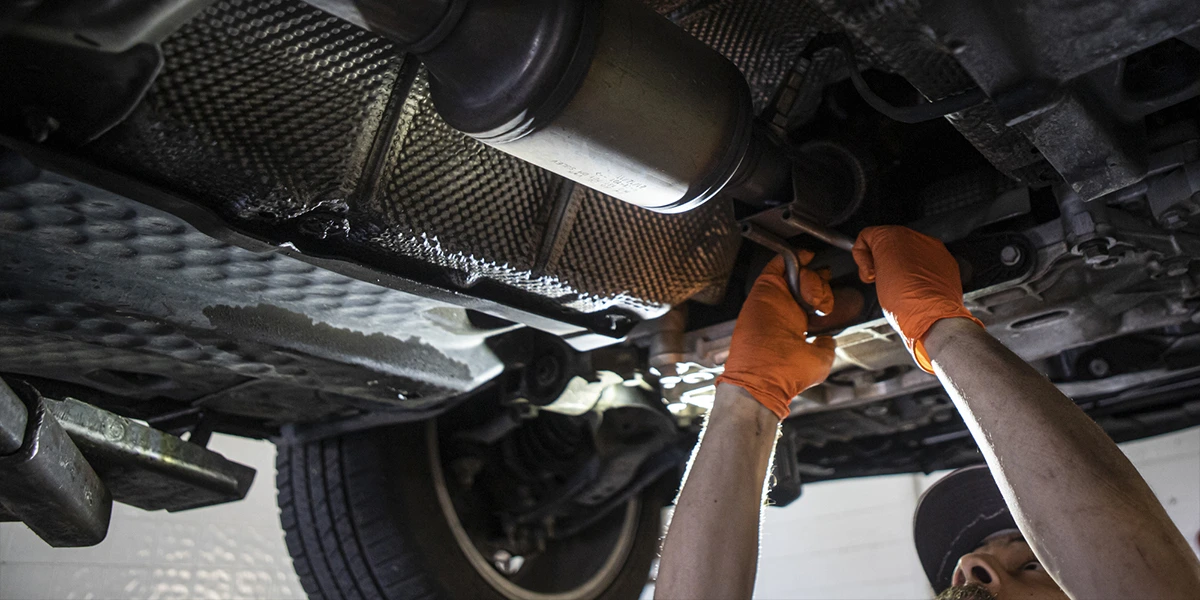
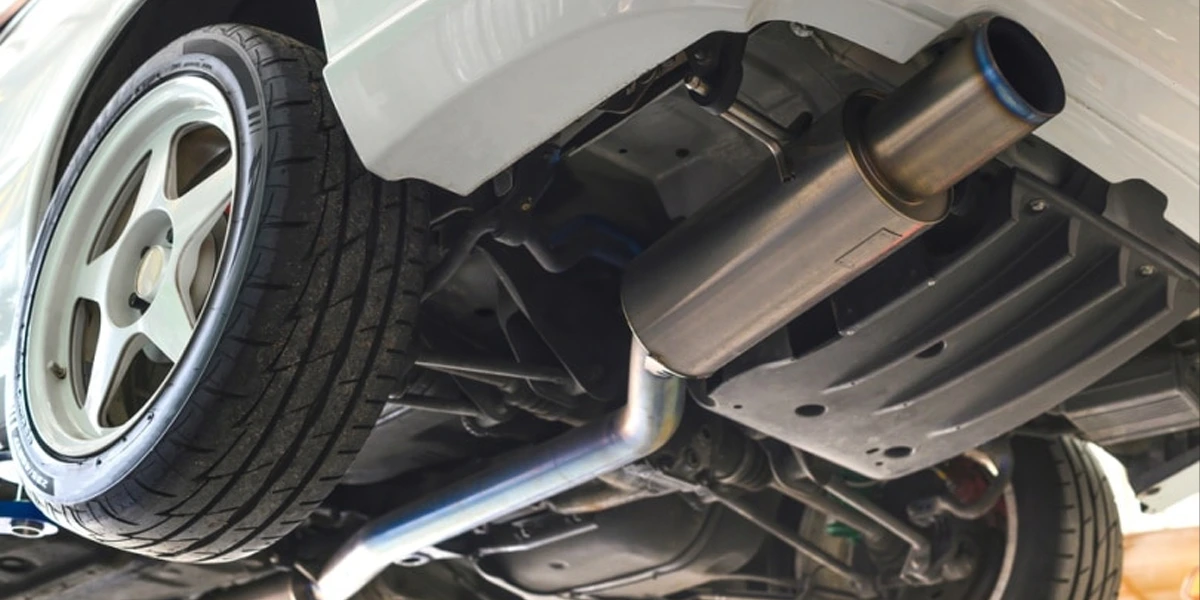


As we all know, when a car is running, it produces a lot of smoke and gases, also known as emissions. These emissions entering the air will cause air pollution. Therefore, in order to reduce the air pollution caused by vehicle operation, many regions have required testing and assessment of vehicle emissions. to determine vehicle emission standards.
Modern automobile exhaust systems have a range of components that can help control exhaust emissions and improve environmental benefits. Among them is a catalytic converter, which helps many automobile manufacturers comply with emission standards. The catalytic converter is a very important part of the exhaust system. You may ask, what is the function of the catalytic converter? Read on to find out more about what it does in your car.
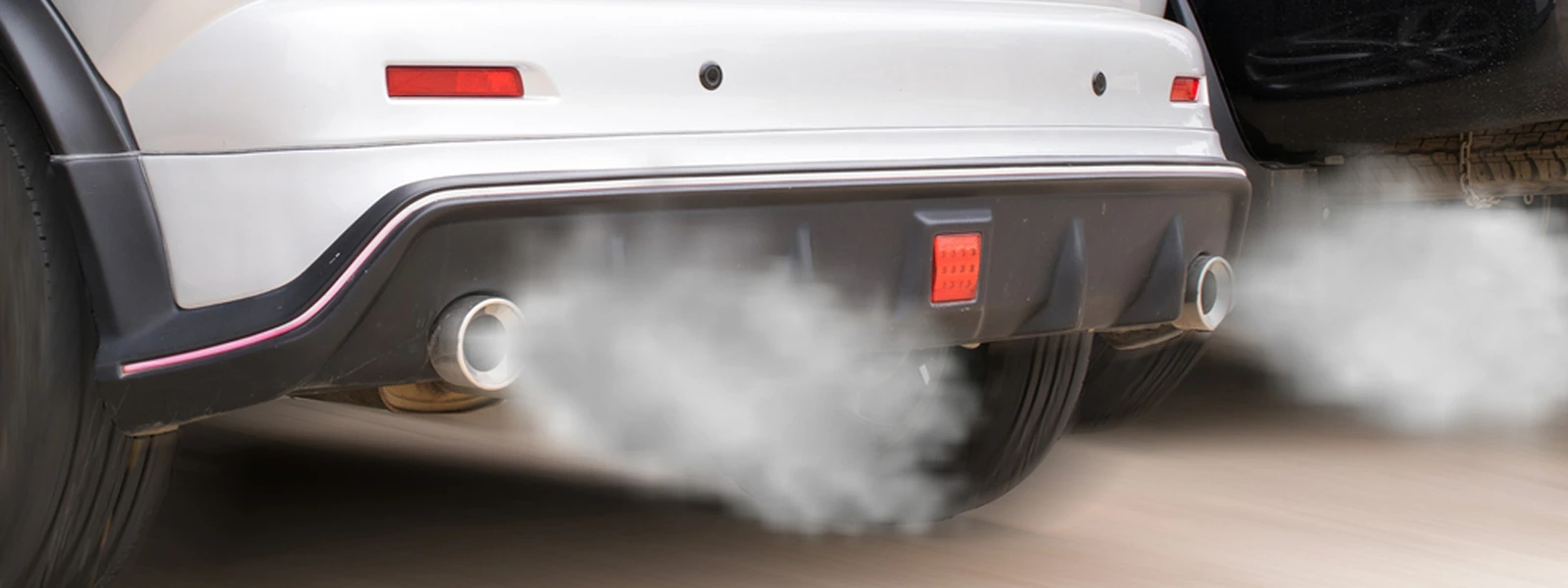
What a Catalytic Converter
The catalytic converter is an exhaust gas purification device. It first came out in the 1970s and quickly became standard on most cars.
As mentioned above, the catalytic converter is a critical component in your car's exhaust system. This component can convert harmful exhaust gases into less harmful water vapor and carbon dioxide, thereby reducing the emission of harmful substances into the atmosphere. It mainly converts harmful gases into relatively harmless substances by contacting them with chemicals and metals in the converter. Federal and state laws now require nearly every vehicle to have the device. Furthermore, it is illegal to disassemble, modify, or intentionally damage a catalytic converter for any reason. Let's take a closer look at how a catalytic converter works.
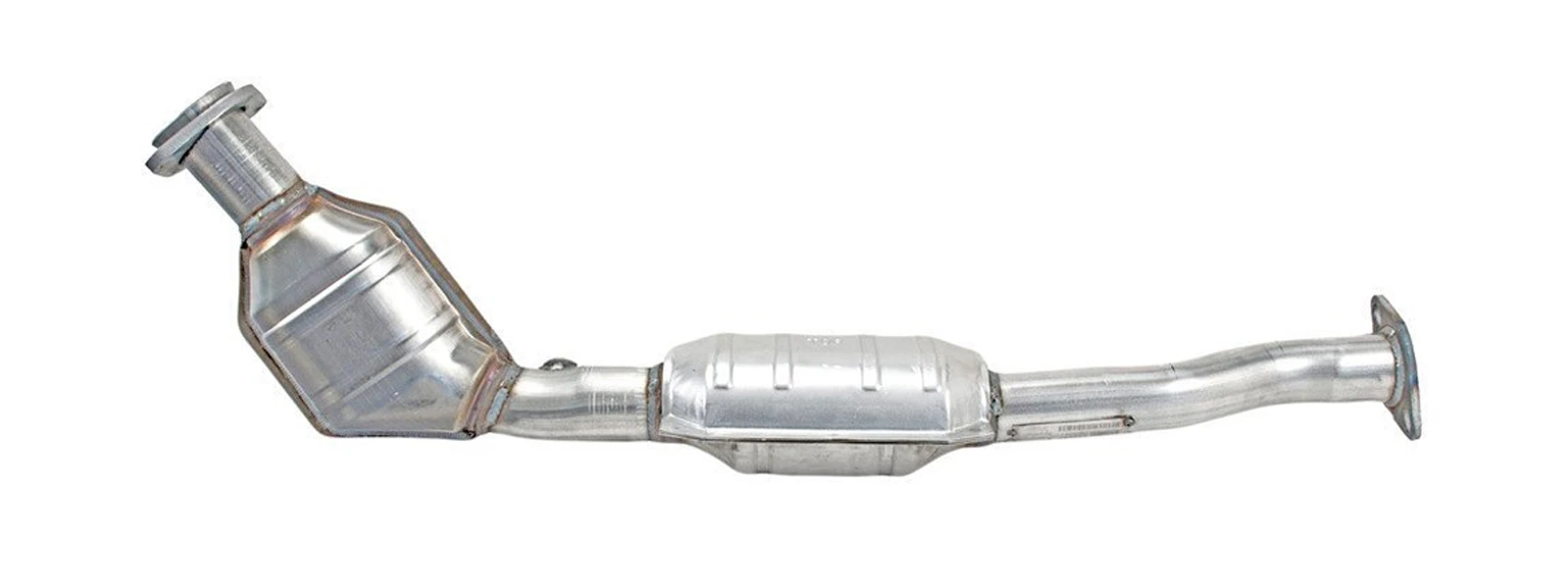
Catalytic Converter How Does It Work
A catalytic converter uses a catalyst to convert harmful gases such as CO, HC, and NOx into gases that are harmless to human health such as carbon dioxide, nitrogen, hydrogen, and water.
The construction of a catalytic converter typically consists of a granular or honeycomb structure container placed in the exhaust system and covered with a layer of catalyst. As the exhaust gas passes through the catalytic converter, it undergoes a chemical reaction. Among them, there are two categories: oxidation and reduction. CO and HC are oxidized into carbon dioxide and water during the oxidation process; during the reduction process, nitrogen oxides are reduced into nitrogen.
The catalyst converter efficiency depends on the type of catalyst, the activity, the component of the exhaust gas and the temperature. Generally speaking, the catalytic converter uses a chemical reaction to transform the poisonous gases in the exhaust gas into harmless gases, so as to reduce the pollution of the car's exhaust. Proper installation and application of catalysts is an important measure for environmental protection and air pollution reduction.
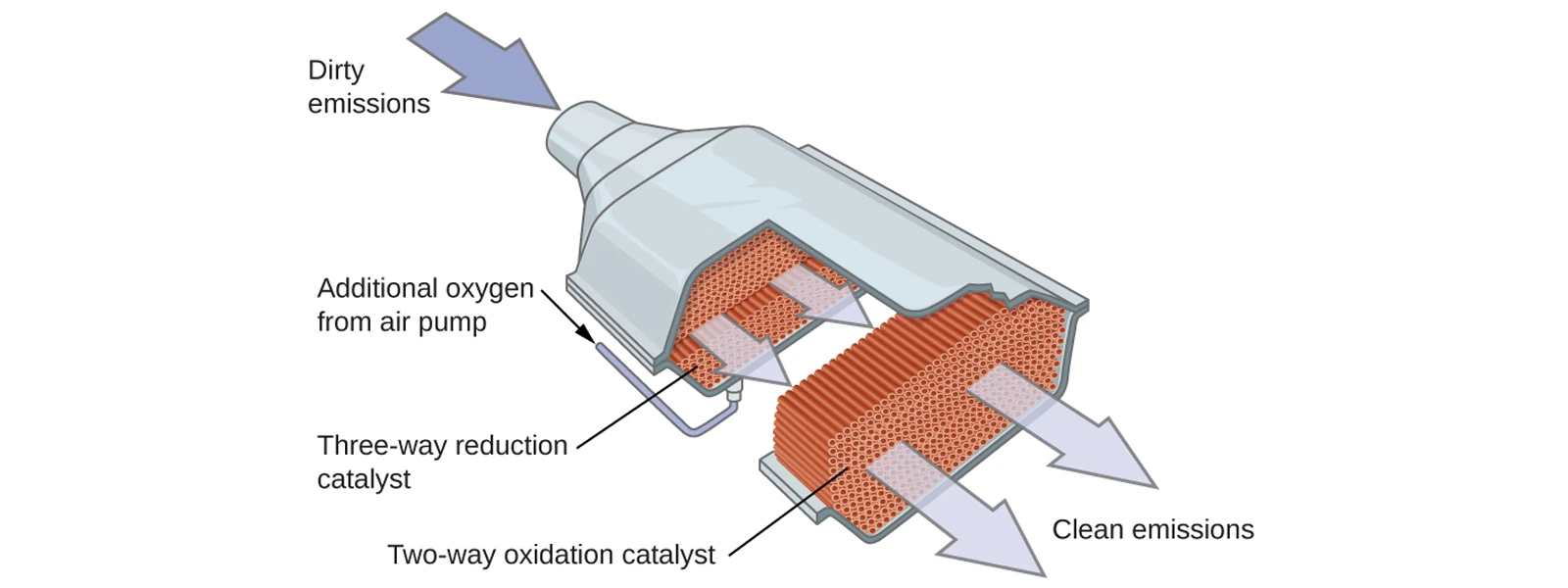
What is Inside a Catalytic Converter
So what are catalytic converters made of? The most important thing in a catalytic converter, the catalyst, is usually made of platinum or a metal similar to platinum, such as rhodium or palladium. The gas flows through the ceramic honeycomb structure inside the cat's shell and lines up with these metals, reacting chemically with the catalyst to reduce emissions. Two main types of catalysts are used in motor vehicles:
Reduction Catalyst: Helps reduce nitrogen oxide pollution by removing oxygen. Nitrogen oxides break down into nitrogen and oxygen, which themselves are harmless.
Oxidation Catalyst: Used to convert carbon monoxide into carbon dioxide by the reverse process of adding oxygen.
An oxygen (O2) sensor is also installed next to the catalytic converter to report the oxygen content in the exhaust gas to the vehicle's electronic control system (ECU). This helps the car run at a more efficient air-to-fuel ratio so that the engine can supply sufficient oxygen to the converter for the oxidation reaction.
A Bad Catalytic Converter Symptoms
When a catalyst converter fails, it is usually accompanied by the following symptoms:
- Engine fault lights on: Catalyst is an important piece of equipment for exhaust control. Failure would result in emissions exceeding the standard, which would result in a malfunction.
- Smell or noise: The catalyst converter can transform the toxic components of the vehicle's emissions into harmless substances during normal operation. In case of failure of the catalyst converter, harmful substances will escape, resulting in unusual odors or unusual noises. Especially, there might be an unpleasant odor in the exhaust.
- Decreased engine Power: Failure of the catalyst converter will affect the exhaust processing system, thus reducing the power of the vehicle. You might find your car speeding up or moving erratically.
- Higher fuel consumption: Failure of the catalyst converter results in a lower efficiency of the engine, which leads to higher fuel consumption.
- Engine overheating: A faulty catalytic converter can cause the engine temperature to rise, causing excessive wear on the engine parts.
If you experience any issues related to your catalytic converter, it is recommended to visit a qualified auto repair shop immediately. When the catalytic converter is seriously damaged, it must be replaced with a new one to maintain the normal operation of the vehicle and reduce environmental pollution.
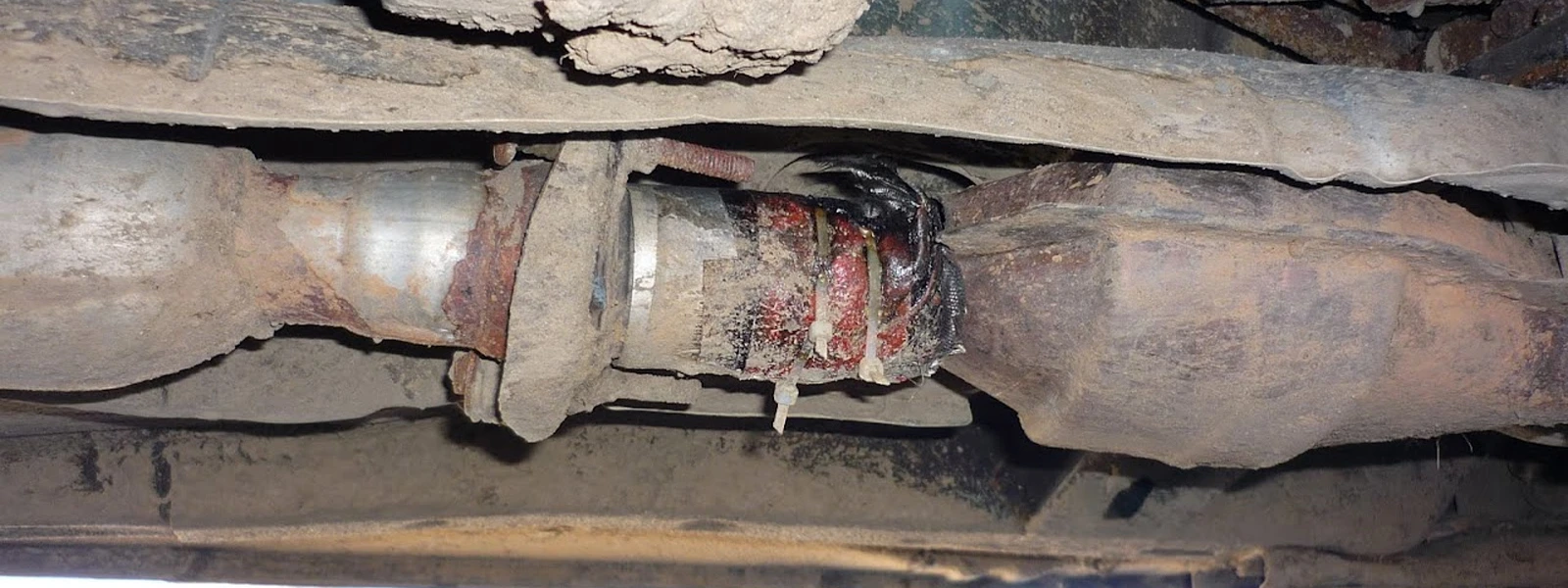
Catalytic Converter How to Replace
In order to replace the catalyst converter, you have to perform the following steps. First of all, get all necessary tools and materials, including a new converter, a sleeve set or a spanner, a jack and an oil puncture to loosen a rusty screw, and a pair of gloves and goggles.
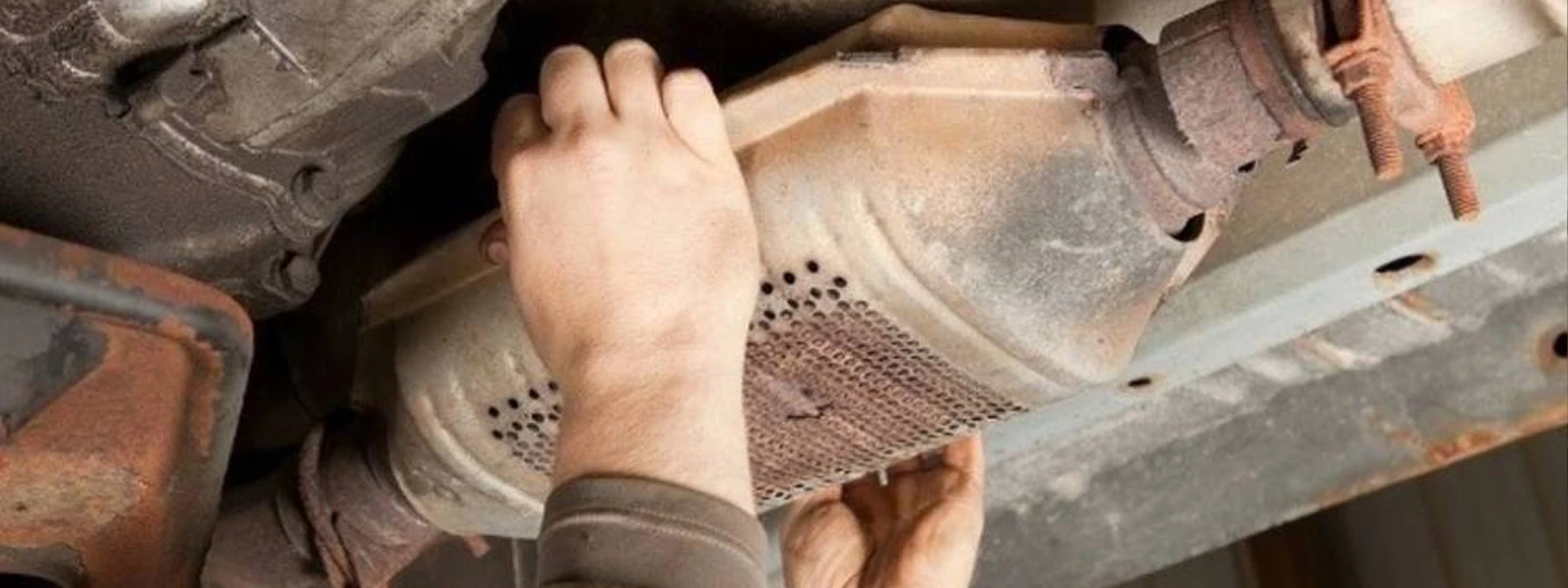
Make sure you are safe and operable before you begin replacing. Stop on the flat ground, put on your hand brake, and put on glasses and gloves. Lift the car with a jack and secure it with a jack bracket. Look for a catalyst converter, which usually sits between the exhaust pipe and the silencer.
It's time to dismantle the old catalyst converter. Inject the screws and fasteners at the connection between the converter and the exhaust pipe into the permeable oil. Remove the screws and clamps with a ring or wrench. Carefully remove aged catalyst converters and check the surrounding piping and fittings for damage or wear to see if replacement is necessary.
You can install a new catalyst converter after removing the old one. The new catalytic converter is positioned in the right position to align with the exhaust pipe and hanger. Then use the new gasket and hardware to install the catalyst in the exhaust system. After finishing the above steps, tighten the screws and fixtures to make sure they are installed safely without over-tightening. Finally, check the joints and tighten them.
When the new catalyst converter is installed, the jacks are gradually removed and the vehicle is placed on the ground. Turn on the engine and listen closely for any unusual sounds or emissions. The exhaust system shall be inspected for smoke or abnormal emissions.
Please note that the exchange process can be different for each model. See the Car Services Guide or consult a professional for more details. Also, be sure to comply with the local requirements for the replacement of the catalyst converter.
In conclusion, the catalytic converter holds a pivotal role in the emission control system of automobiles. This crucial device effectively minimizes harmful exhaust emissions, ensures the smooth operation of the engine, and enhances fuel efficiency. Its significance extends to safeguarding the environment and promoting human health. Consequently, it is imperative to prioritize the maintenance and repair of the catalytic converter, guaranteeing its optimal performance, and thereby contributing towards the establishment of a sustainable and green environment.


