What Happens to A Car When Ignition Coil Goes Bad

This blog explores the various signs of a faulty ignition coil. By identifying these issues early, vehicle owners can proactively address the problem and prevent further degradation of vehicle performance and reliability.

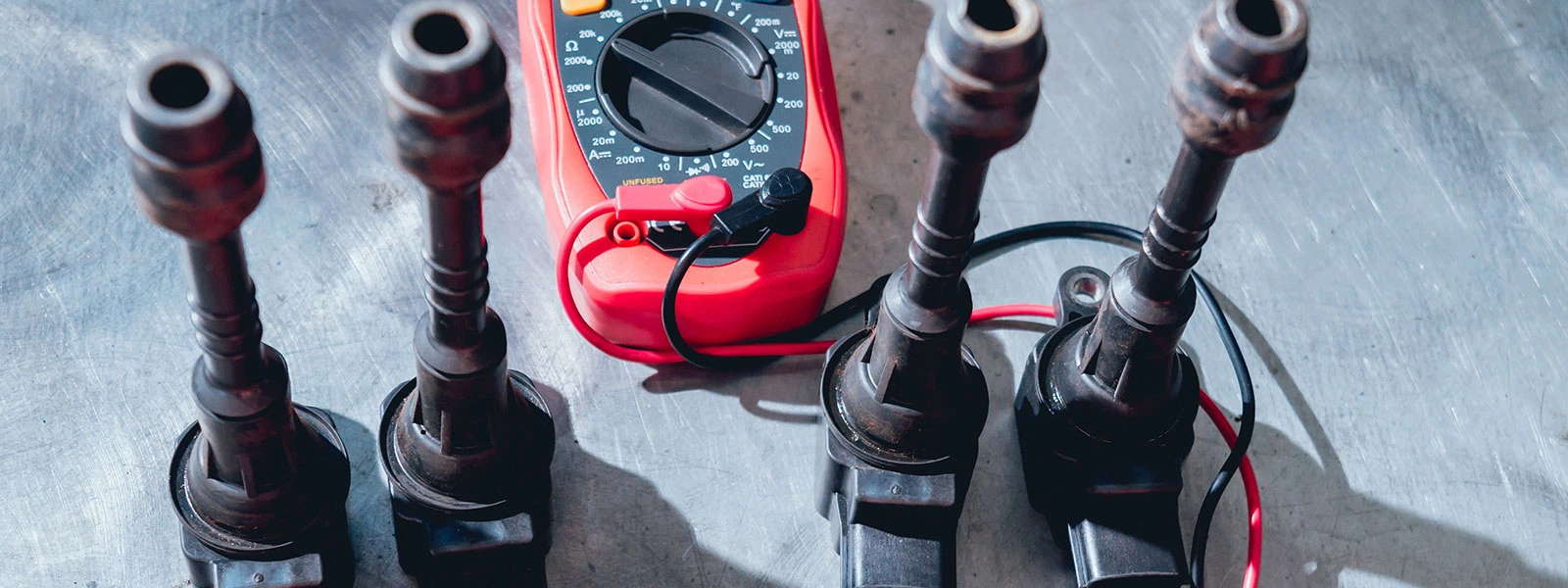
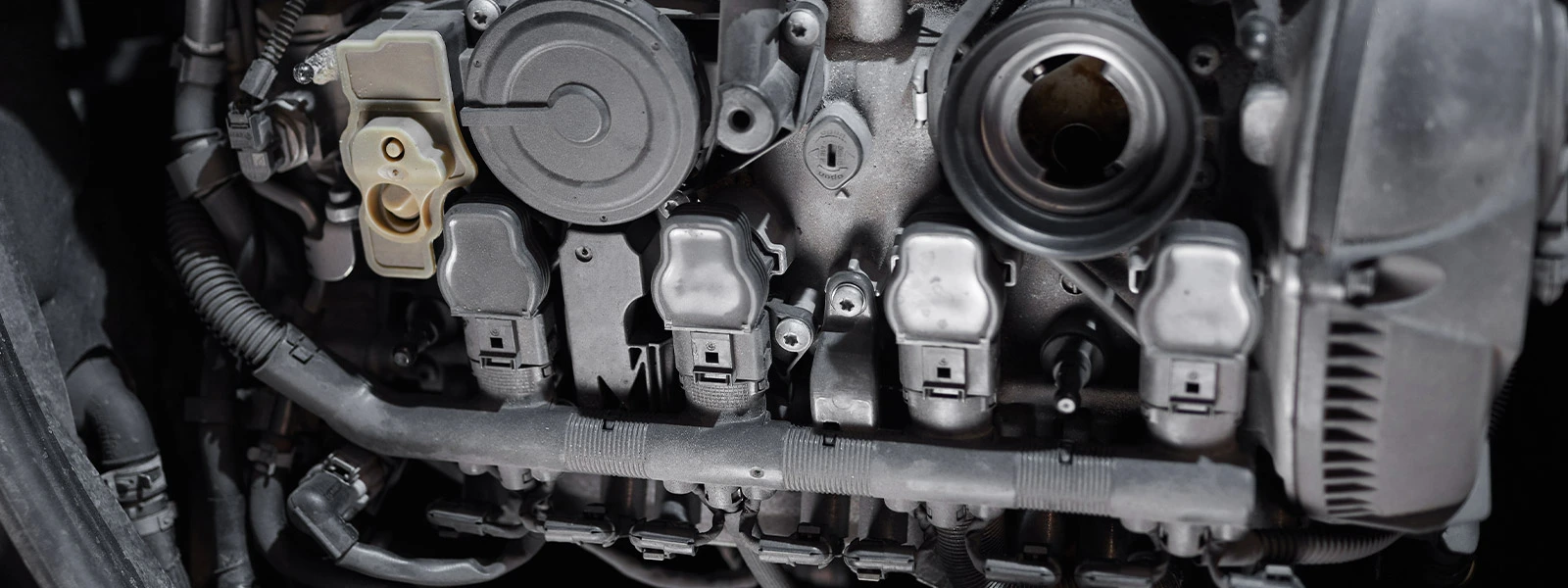
Suggested A-Premium Parts


At the heart of a modern car's technical makeup lies a critical component - the ignition coil. This unsung hero is responsible for converting the battery's low-voltage current into the high-voltage spark that ignites the air-fuel mixture inside the engine's cylinders. Without the ignition coil's reliable performance, the entire internal combustion process would grind to a halt, robbing your vehicle of the power needed to move forward.
Like any mechanical part, however, ignition coils are susceptible to failure over time. When problems develop, the engine's operation will be affected, and in severe cases, the engine may even stall completely. That's why it's so important for every driver to understand the warning signs of a failing ignition coil.
By recognizing these telltale indicators early on, you can address the issue promptly and ensure your continued driving safety and enjoyment. A malfunctioning ignition coil may manifest through various symptoms, from rough idling and misfiring to a complete loss of engine power. Staying vigilant and addressing the problem at the first sign can save you from being stranded on the side of the road.
Ultimately, the ignition coil is the unsung hero that keeps your car's engine running smoothly. By understanding its critical role and monitoring its health, you can maintain your vehicle's performance and have peace of mind behind the wheel.

Your Car Feels Slow
When you are driving a car, if you find that after you step on the accelerator pedal, the vehicle's response is obviously slow and there is no expected acceleration effect, then this may be an obvious sign of a faulty ignition coil. In this case, even if you step on the accelerator pedal, the engine cannot respond quickly, and the vehicle will appear to be sluggish and lose its due power.
This sluggish feeling caused by ignition coil failure will not only affect your driving experience, making the driving process less smooth and pleasant but also may bring potential safety hazards.
Therefore, once you find that the vehicle is sluggish, you should send the car to a professional repair shop for inspection and repair as soon as possible. Professional technicians can determine whether there is a fault by detecting the working status of the ignition coil, and replace or repair it in time.
In addition to regular maintenance and inspection of the ignition system, paying attention to driving habits can also prevent the occurrence of ignition coil failures to a certain extent. Avoiding improper driving behaviors such as long-term idling, high-load operation and sudden acceleration can reduce the burden on the ignition coil and extend its service life. At the same time, maintenance measures such as choosing high-quality fuel and regularly replacing the air filter can also keep the engine in good condition and reduce the probability of ignition coil failure.

Your Car Consumes A Lot of Gas
If you find that your car consumes a lot of gas, even if you don't drive too many miles, you may need to consider whether there is a problem with the ignition coil. The ignition coil is a key component in the car's ignition system. Its main function is to convert the low-voltage current of the car battery into a high-voltage current so that the mixture in the cylinder can be reliably ignited.
If the ignition coil fails, it may not be able to provide strong enough power to the spark plug. When the spark plug receives insufficient power, it cannot effectively ignite the mixture, which will cause incomplete combustion. To compensate for this deficiency, the car's engine control system will try to increase the concentration of the mixture by increasing the amount of gasoline injected so that it is easier to ignite. However, doing so will significantly increase the car's fuel consumption.

Your Car Idles Rough and Vibrates
When you're behind the wheel and notice your car exhibiting an unsteady idle accompanied by noticeable vibrations, it could be a telltale sign of an issue with the ignition coil. If the ignition coil is malfunctioning, it may be unable to consistently supply the necessary high-voltage spark to the spark plugs. This inconsistency in the ignition process can cause the engine's combustion to become unstable, leading to that unsettled, vibrating idle you're experiencing.
Moreover, this ignition coil failure can also manifest in a more dramatic way - when you attempt to accelerate, the engine may suddenly surge forward with an unexpected burst of power. This erratic engine behavior is a direct result of the unstable combustion caused by the faulty ignition coil.
So if you find your car exhibiting these symptoms - an uneven idle, noticeable vibrations, and unexpected surges of power upon acceleration - it's a clear indication that the ignition coil needs to be inspected and potentially replaced. Addressing this issue promptly is crucial to maintaining the smooth, stable, and safe operation of your vehicle.

Your Car Misfires or Backfires
When your car starts to misfire and backfire, it's often a telltale sign of an issue with the ignition coil. If the ignition coil is malfunctioning, it may be unable to consistently deliver the stable, powerful electrical charge needed to properly ignite the fuel-air mixture in the engine's cylinders.
This misfiring occurs when the fuel is not completely or correctly combusted, preventing the engine from generating the full power output it should. As a result, you may experience symptoms like engine hesitation, sluggish acceleration, and an overall lack of power from the vehicle.
Beyond the performance impacts, misfiring can also lead to reduced fuel efficiency, as the unburnt fuel is expelled through the exhaust system. This wasted fuel represents money literally going up in smoke.
When the car backfires, the situation is more serious. Backfire means that the mixture that should be burned in the cylinder is sucked into the intake pipe or exhaust pipe for some reason before or during the ignition and burns there. This is usually caused by abnormal pressure in the cylinder or inaccurate ignition timing. When your car backfires, you may hear strange noises coming from the exhaust pipe, and you may even see smoke coming out of the exhaust pipe and smell a strong gasoline smell. Backfires can not only cause damage to the catalytic converter and other engine components but also cause more serious safety problems.

Other Changes Coming to Cars
Car Stalls: When an ignition coil is damaged, it cannot provide the necessary voltage to the spark plugs, resulting in the engine not getting enough ignition energy, which can cause the car to be difficult to start or suddenly stall while driving. Whether you are parked or driving, this unpredictable stalling can catch you off guard.
Hard to Start: Modern car engines are usually equipped with separate ignition coils for each cylinder to improve ignition efficiency. In contrast, older cars use a more simplified design, using one ignition coil to power all cylinders. However, when an ignition coil in this system fails, it will not be able to provide the correct voltage required for the spark plug of the corresponding cylinder, causing the cylinder to not work effectively. This fault condition will make your car face considerable difficulties when trying to start, and even if it starts successfully, it may be difficult to maintain stable operation due to uneven cylinder operation.
Check Engine Light Illuminated: If your car's check engine light illuminates on the dashboard, it's a clear sign that your vehicle has detected an issue with one of its internal systems. Whether it's hard starting, backfiring, misfiring, or some other abnormal behavior, these problems will typically trigger the activation of that ominous check engine light.
Unusual Sounds: If your car makes unusual noises like crackling, coughing, or popping, this could be a sign of a bad ignition coil. These sounds usually stem from the cylinder not firing properly or at all during the ignition process. If you hear a loud popping noise, this could be caused by unused gas in the combustion cylinder exploding, which could be a more serious condition and require immediate attention.


