What does it Mean When Your Engine Light Comes on

When your engine light comes on, it’s not just a light—it’s a crucial warning! Uncover the common culprits behind this alert and find out how to respond to keep your car running smoothly.

Suggested A-Premium Parts


The check engine light (CEL) is like your car's way of speaking up when something isn’t right. It’s an essential feature that alerts you to potential issues, helping you avoid costly repairs down the road. But what does it really mean when that little light pops up on your dashboard? Let’s break it down.
What does check engine light mean
The check engine light is a warning indicator on your vehicle's dashboard that signals a potential issue with the engine or emissions system. When this light is illuminated, it means that the vehicle's onboard diagnostics system has detected a problem that requires attention. The issue could range from something minor, like a loose gas cap, to more serious concerns, such as faulty sensors or engine malfunctions.
The light can appear as a steady glow or a flashing warning. A steady light typically indicates a less urgent issue, while a flashing light suggests a more serious problem that needs immediate attention, such as engine misfires. It's important to address the check engine light promptly, as ignoring it can lead to more significant engine damage, decreased fuel efficiency, and increased emissions. To determine the exact cause, a diagnostic scan using an OBD-II scanner is often needed to retrieve specific trouble codes that can guide repairs.
Common reasons for check engine light activation
1. Loose or damaged gas cap
One of the simplest issues to fix is a loose or damaged gas cap. When the cap is not secured properly, it can lead to fuel vapors escaping and trigger the check engine light. This is often the first thing to check, as tightening or replacing the gas cap can resolve the issue quickly.
2. Faulty oxygen sensor
The oxygen sensor measures the amount of unburned oxygen in the exhaust system, helping the engine manage fuel efficiency and emissions. A faulty sensor can lead to poor fuel economy and increased emissions, prompting the check engine light to activate. Ignoring this issue can lead to further engine damage, so it’s best to address it promptly.
3. Malfunctioning catalytic converter
The catalytic converter plays a crucial role in reducing harmful emissions. If it’s not functioning correctly, it can cause a drop in engine performance and fuel efficiency. A failing catalytic converter is often more expensive to replace, so it’s important to have it checked if your check engine light comes on.

4. Issues with spark plugs or ignition coils
Spark plugs and ignition coils are essential for engine performance. When they fail, it can lead to misfires, rough idling, and stalling. A check engine light may signal these problems, and timely replacement can restore optimal engine function.
5. Sensor problems (e.g., mass airflow sensor)
The mass airflow sensor measures the amount of air entering the engine, allowing the computer to balance and deliver the correct fuel-to-air ratio. A malfunctioning sensor can cause poor engine performance, stalling, and increased emissions. If this sensor is at fault, it will likely trigger the check engine light.
6. Exhaust gas recirculation (EGR) valve issues
The EGR valve helps reduce nitrogen oxide emissions by recirculating a portion of the exhaust back into the engine. If it becomes clogged or malfunctions, it can lead to poor engine performance and increased emissions, triggering the check engine light.
7. Engine timing issues
Problems with engine timing, such as a worn timing belt or chain, can affect engine performance and lead to serious damage if not addressed. A check engine light may indicate timing-related issues that require immediate attention.
8. Transmission problems
Sometimes, the check engine light can also signal issues with your vehicle’s transmission. Problems such as low transmission fluid levels or a failing transmission control module can trigger the light, indicating that it’s time for a diagnostic check.
Consequences of ignoring the check engine light
Ignoring the check engine light can lead to some serious headaches down the road. What might seem like a minor annoyance, such as a loose gas cap, can quickly spiral into major issues like a failing catalytic converter if left unchecked. This not only ramps up your repair bills but also guzzles more gas, draining your wallet at the pump.
On top of that, neglecting this warning can compromise your ride’s performance and safety. Problems like ignition failures can cause your engine to stall unexpectedly, turning your daily commute into a nerve-wracking experience. Plus, you could flunk emissions tests, which means you won't be able to legally hit the road until you sort it out. Addressing the check engine light promptly is essential for maintaining your vehicle's reliability and ensuring your safety on the road.

How to troubleshot
For minor problems such as a loose gas cap or a faulty oxygen sensor, you might be able to resolve them on your own. If the gas cap is loose, simply tightening it may turn off the light after a few trips.
Replacing components like an oxygen sensor or spark plugs can also be a DIY task for those with some mechanical experience. Just make sure to use the correct parts and tools, and adhere to the manufacturer’s guidelines.
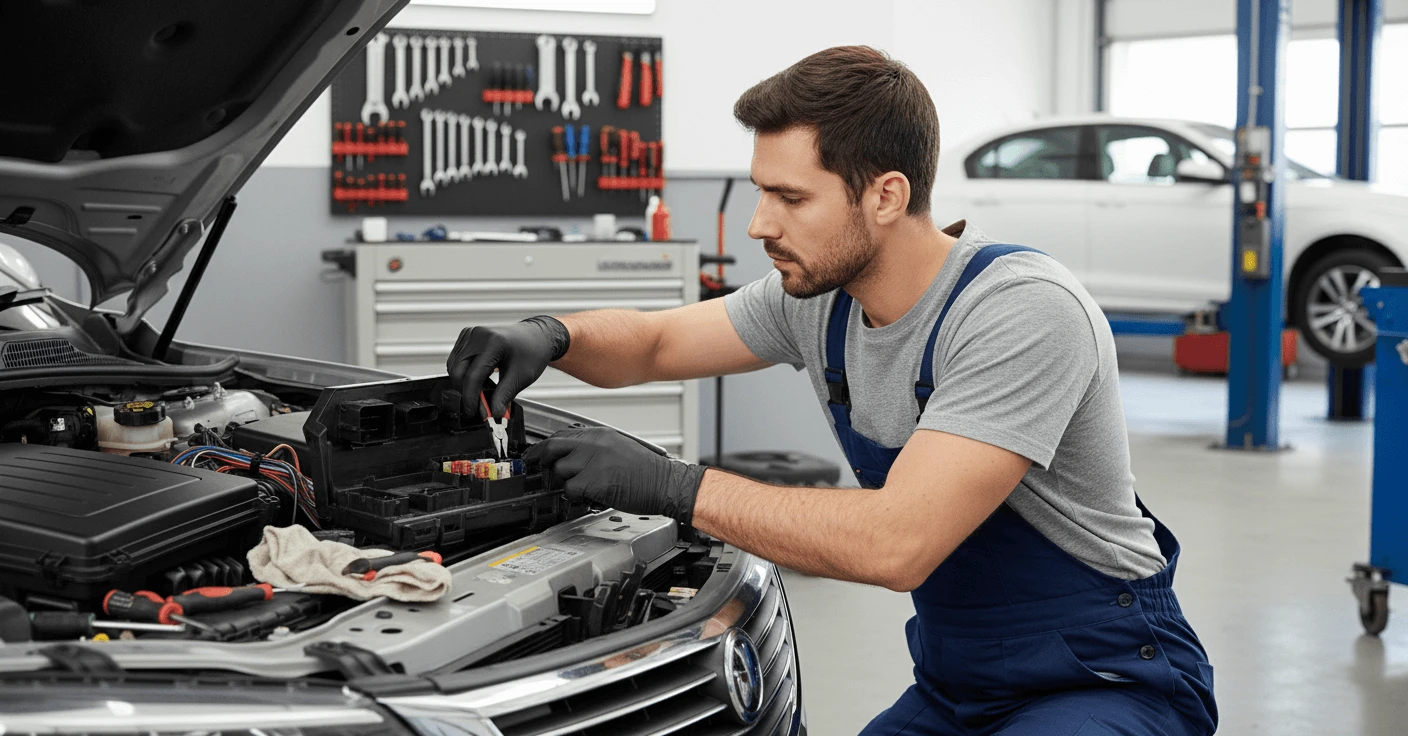
However, the check engine light can sometimes signal more serious issues. Problems like a failing catalytic converter or a malfunctioning transmission may trigger the light, and pinpointing the exact cause can be challenging. Trying to fix these complex issues without the right skills and tools can lead to expensive errors, so it’s wise to consult a professional for assistance.
Items You May Like


