Undetstanding Crankshaft Position Sensor

Mastering the Crankshaft Position Sensor: A concise guide to its engine-boosting significance.
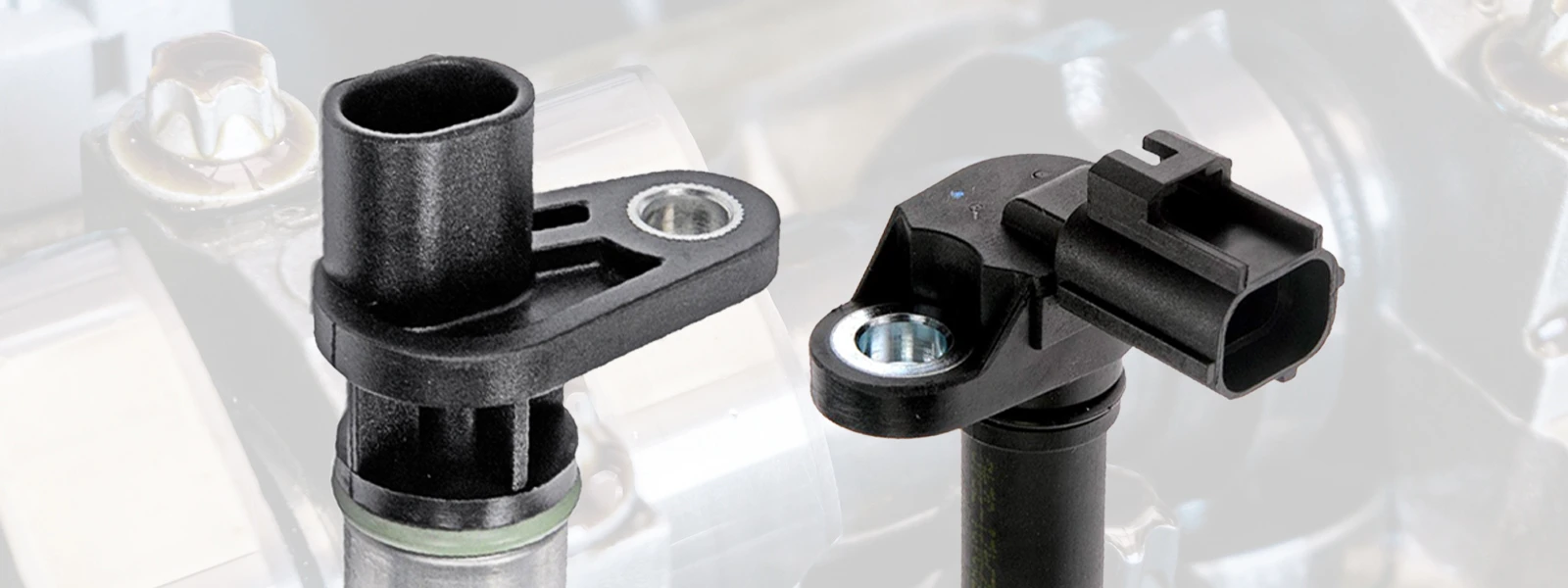

Think of the crankshaft position sensor (CKP sensor) as the "engine watcher" in your car. Its main job is to keep an eye on how fast the engine is spinning and where it is in its rotation. The information provided by the CKP sensor is used by the engine control module (ECM) to ensure proper ignition timing and fuel injection, leading to efficient engine performance.
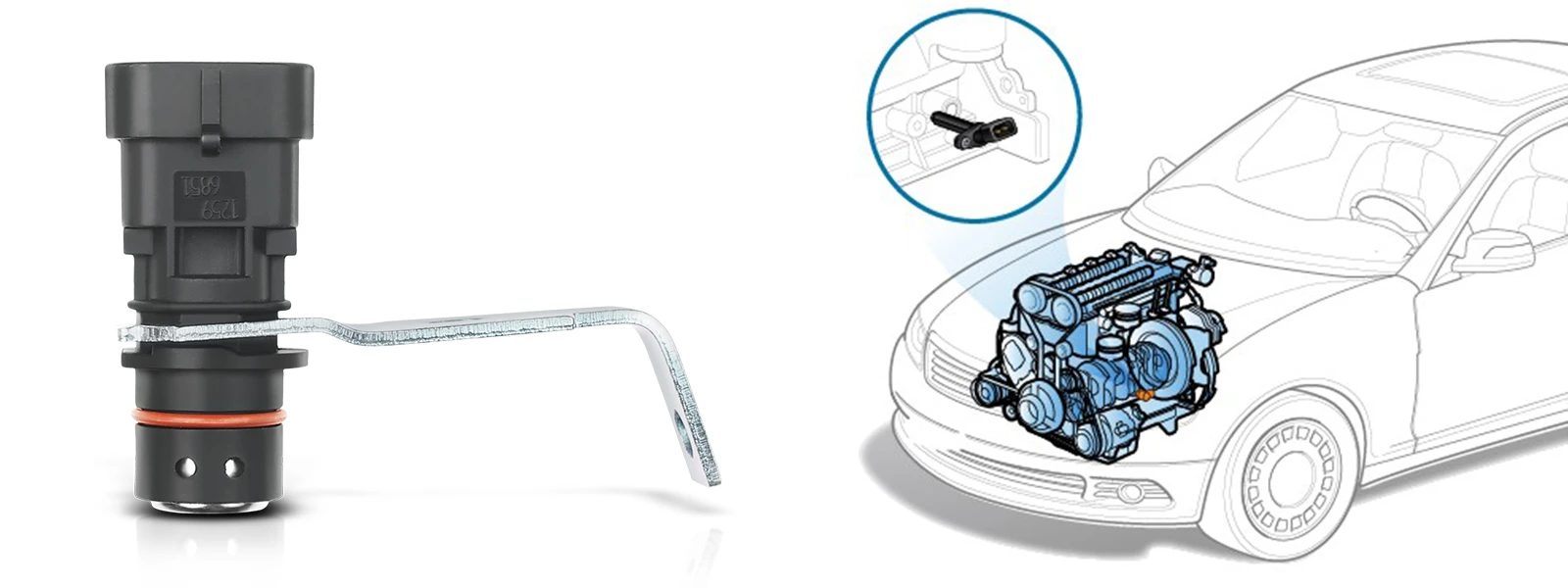
How does a crankshaft position sensor work?
Imagine you're watching a movie and you want to know exactly where the main character is at every moment. The CKP sensor is like the camera that's always focused on the main character, which in this case is the engine's crankshaft.
- Sensing the Engine's Moves. The CKP sensor is like an observer that sits near the engine's crankshaft, which is the part that spins and makes the engine work. It has a special ability to sense when the crankshaft is spinning and where it is in its rotation.
- Sending Signals. As the crankshaft spins, it creates a kind of "dance" that the CKP sensor can feel. Every time the crankshaft makes a move, the CKP sensor sends a signal to the car's computer, called the Engine Control Module (ECM). It's like the sensor is saying, "Hey, the crankshaft just moved here!"
- Timing Magic. The car's computer is like a wizard who knows a special spell for making the engine work perfectly. It uses the signals from the CKP sensor to figure out exactly when to do things like making sparks in the spark plugs and adding fuel to the engine. This timing magic helps the engine run smoothly and efficiently.
- Counting the Moves. The computer keeps counting the signals from the CKP sensor to know how fast the crankshaft is spinning. This helps the computer understand how fast the engine is working and adjust things accordingly.
- Fixing Missteps. Sometimes, if the crankshaft isn't moving smoothly, the CKP sensor sends strange signals. The computer notices this and can tell if something is wrong with the engine's "dance." It might then try to fix things to keep the engine running smoothly.

Functions of crankshaft position sensors
- Determining Position: The CKP sensor shows where the engine's spinning part (crankshaft) is at all times.
- Ignition Timing: It helps decide the perfect time to create sparks in the engine.
- Fuel Timing: It figures out when to add fuel to the engine for efficient burning.
- Engine Speed: It tells how fast the engine is spinning.
- Misfire Detection: It senses if the engine's rhythm isn't smooth and reports it.
- Stability: It helps the engine run without shaking too much.
- Diagnostic Aid: It provides info for finding and fixing engine problems.
Symptoms of a bad crankshaft position sensor
Signs of a bad crankshaft position sensor can vary and are indicators that there might be an issue with this crucial component in your car's engine management system. Recognizing these symptoms early can help you address the problem and avoid potential engine performance issues. Here's how you can tell if the conductor (CKP sensor) isn't doing a good job.
- Hard to Start: If your car takes a long time to start or won't start at all, it's like the band members not being ready to play when the music starts.
- Stopping Suddenly: Sometimes, your car might suddenly stop working, just like the music stopping abruptly in the middle of a song.
- Weak Performance: If your car feels slow when you press the gas pedal, it's like the band not playing energetically. Your car might hesitate or feel lazy.
- Shaky at Rest: If your car shakes a lot when you're waiting at a traffic light, it's like the band members tapping their feet out of rhythm.
- Skipping Beats: If your car's engine misfires, it's like the band playing the wrong notes or missing beats. Your car might jerk or feel uneven.
- Check Engine Light On: If a light on your car's dashboard comes on, it's like a signal saying something is wrong with the conductor. The band needs to fix the issue.
- Drinking More Fuel: If your car starts using more gas than usual, it's like the band using up more energy than needed to perform.
- Pollution Increase: If your car's emissions go up, it's like the band playing louder than necessary and disturbing the environment.
- Losing Energy: Sometimes, your car might suddenly slow down or lose power, just like the band members getting tired and playing softly.
- Transmission Trouble: If your car's automatic transmission acts weird, it's like the band members not coordinating well during the performance.

These signs could mean the CKP sensor is having problems, but they could also point to other issues. If you notice any of these things, it's like the band needing a skilled conductor – take your car to a mechanic to get it checked and fixed!
How to maintain a crankshaft position sensor?
Maintaining a crankshaft position sensor (CKP sensor) can help ensure its proper functioning and prevent potential engine issues. How to carry out routine maintenance of a crankshaft position sensor?
- Check Regularly: Keep an eye on the sensor during your car check-ups. Look for any damage or loose parts.
- Keep Dry and Cool: Try to shield the sensor from too much heat and water. It doesn't like extreme conditions.
- Good Connections: Make sure the wires are connected properly. Loose or corroded wires can cause problems.
- Use Quality Parts: If you need to replace the sensor, use good quality parts. Cheaper ones might not work well.
- Fix Leaks: If there's any oil leaking from your engine, get it fixed. Oil can mess up the sensor.
- Follow Schedule: Stick to your car's maintenance schedule. Healthy engine = happy sensor.
- Be Gentle: When working near the sensor, be careful. It's delicate.
- Stay Informed: If you hear about any issues with your car's sensor, check it out and have the bad crankshaft position sensor replaced timely.
In summary, the Crankshaft Position Sensor is a silent hero in the symphony of your car's engine performance. From its unassuming location, it diligently provides the crucial information that the engine control module needs to orchestrate the perfect balance of ignition, fuel injection, and overall power delivery. As we've explored how this sensor operates, identified the telltale signs of trouble, and learned about its care, it becomes evident that maintaining the health of the Crankshaft Position Sensor is akin to nurturing the heart of your vehicle.


