What Does a Control Arm Do?

Vehicles are nothing without an efficient suspension system. The suspension system is responsible for moving the tires in a coordinated and smooth fashion. However, a perfectly synced wheel motion significantly depends on a control arm. But what is a con
Vehicles depend on an efficient suspension system to ensure a smooth and safe ride. The suspension system is responsible for moving the tires in a coordinated fashion, and virtually all vehicles rely on control arms as a key component. This essential part ensures that wheel motion remains synced, providing the stability and control needed for modern driving.
Defining the Control Arm
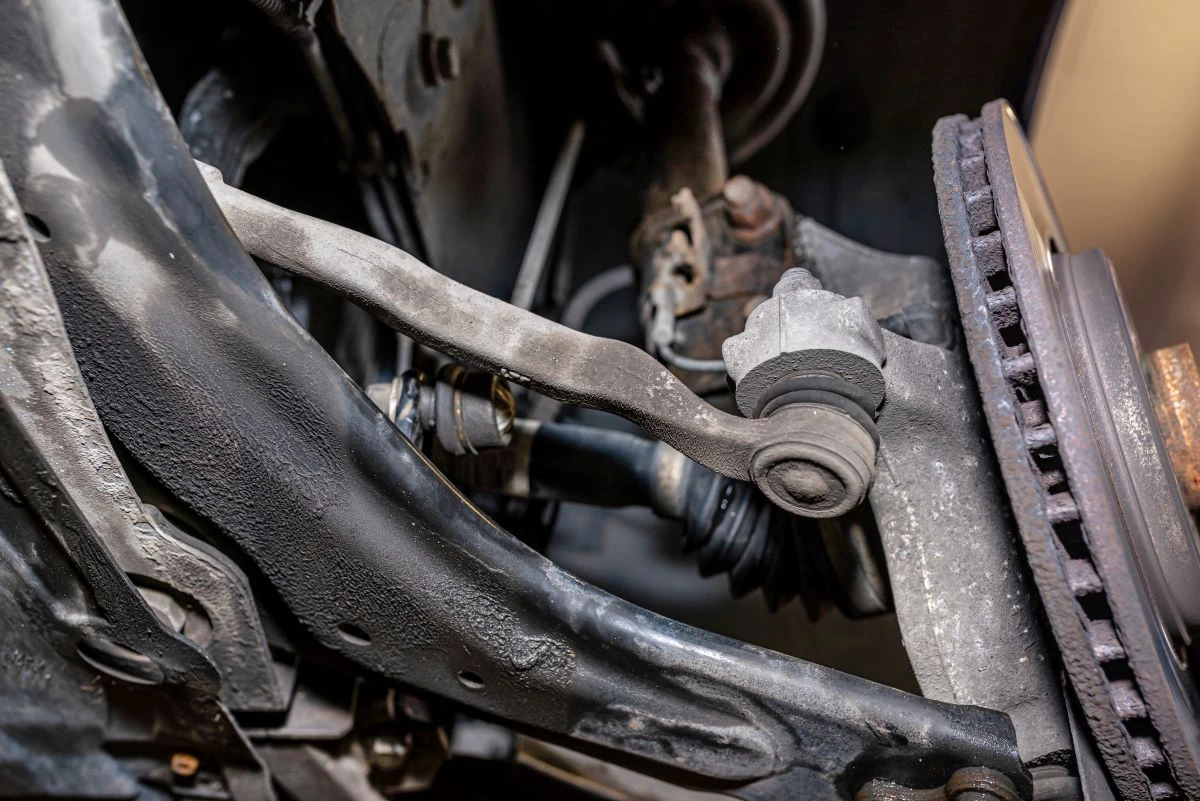
A control arm is a hinged suspension link that connects the car's chassis or vehicle frame to the suspension hub. These arms attach to the front wheel area—specifically the steering knuckle and axle—to carry the suspension load and maintain alignment.
A defective control arm poses significant hazards. These parts manage camber, caster, and toe settings. If a lower control arm fails, the wheel can splay outward, leading to a loss of steering wheel control. Whether in simple terms or technical specs, the functionality of these arms is what keeps your car moving forward safely.
Where Is a Control Arm Located?
Control arms are present in the front suspension system. They help the driver control the wheel motion of the vehicle through the steering wheel.
Now, the question arises do vehicles have control arms for rare wheels? Or do rear wheels play no part in the vehicle's motion?
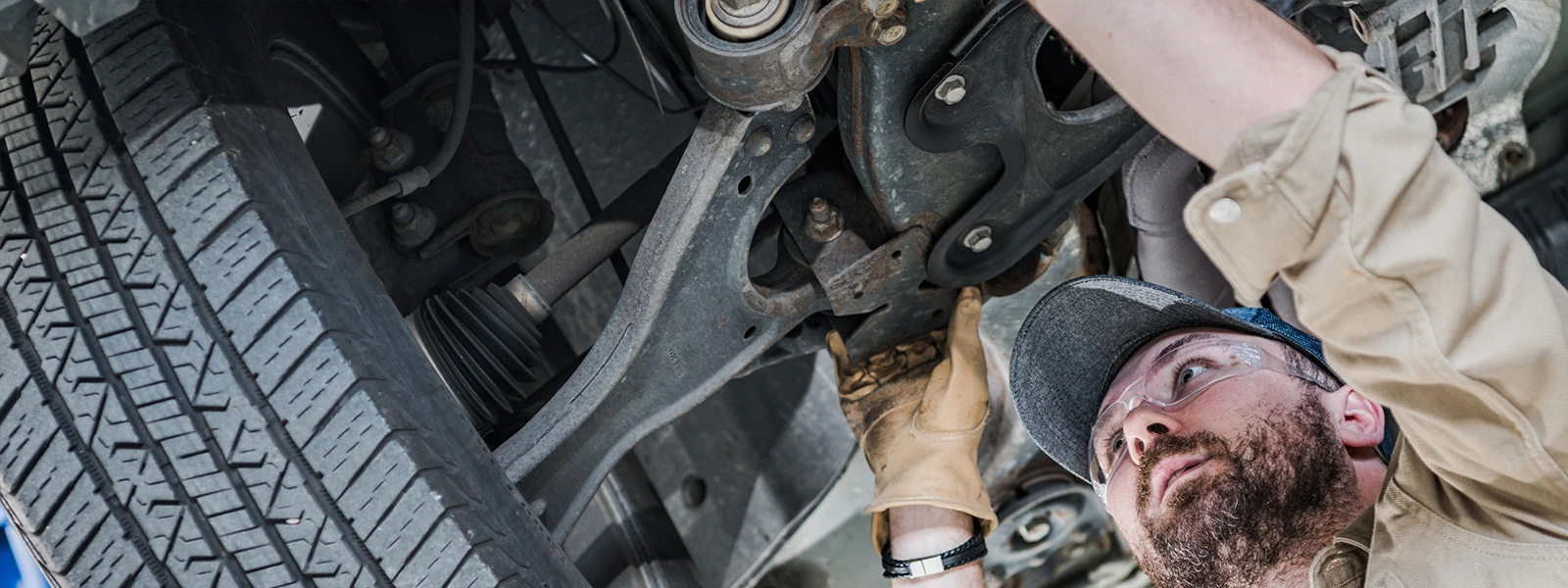
To answer the above questions, peek under your car, and you will find that the rear wheels also use control arms. All vehicles have both front and back suspension systems. So naturally, control arms are present in both suspensions. However, the number of control arms differs. Most cars use one control arm, while others have two associated with each wheel.
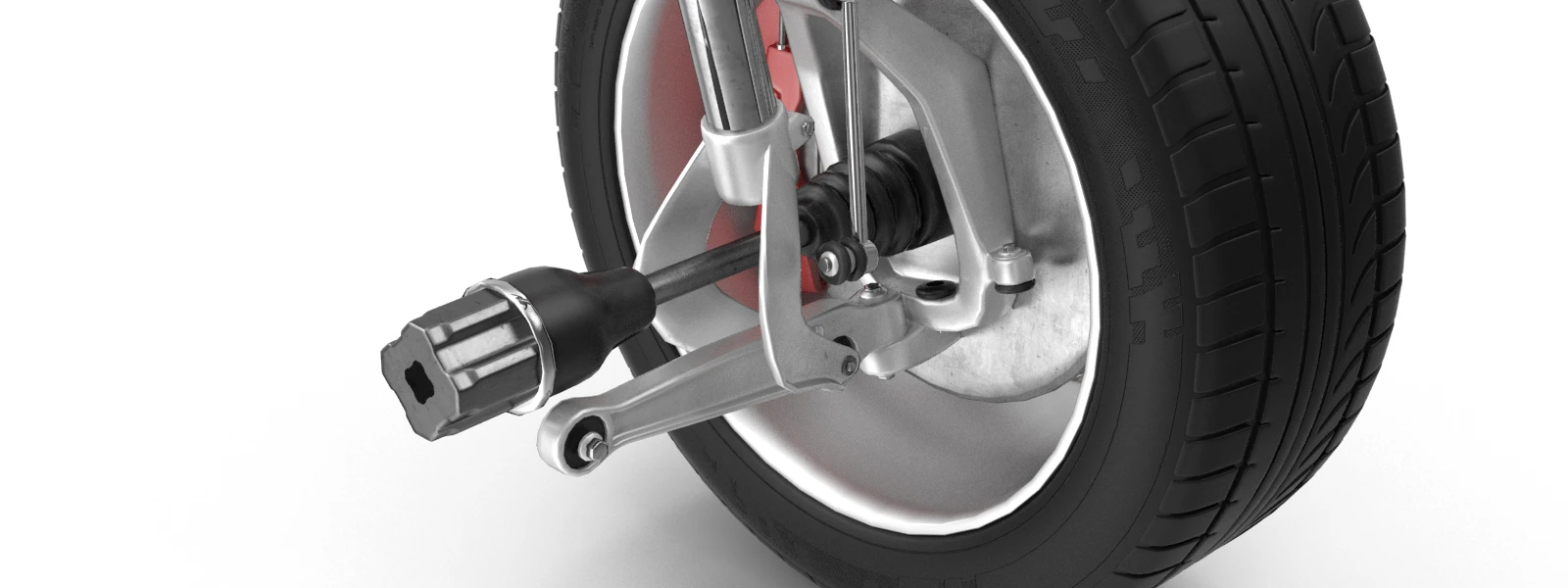
Anatomy: Bushings, Ball Joints, and Frames
Every control arm consists of three primary suspension components:
-
Bushings: Rubber or polyurethane sleeves that connect the arm to the vehicle frame, reducing friction and road noise.
-
Ball Joint: Acting like a human hip, the ball joint allows the steering knuckle to turn and pivot, providing movement across multiple planes.
-
The Arm Body: The metallic frame (steel, iron, or aluminum) that provides the structural strength to carry the vehicle weight.
The lower ball joint is particularly vital for maneuverability, as it allows the wheel to respond to steer commands. Worn joints or bushings reduce wheel control, allowing for dangerous vibrations and wear.
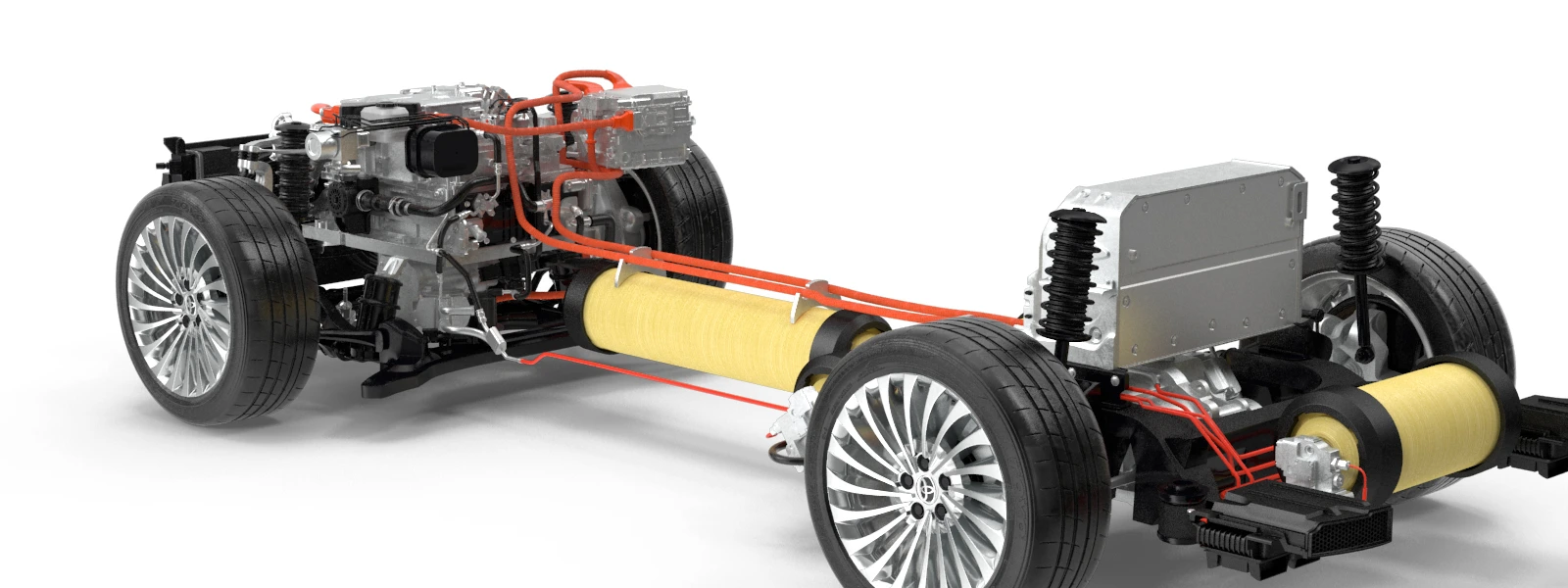
Suspension Variations: Single vs. Double
The design of your suspension system determines how many control arms are used:
-
MacPherson Strut (Lower Arm Only): Common in economy cars. The strut handles the upper support, so only a lower control arm is required to connect the wheel to the chassis.
-
Double Wishbone (Upper & Lower): Found in trucks and luxury vehicles. This feature uses an upper control arm and a lower control arm working in tandem for superior stability.
-
Independent Rear Suspension: Some modern cars utilize trailing arms on the rear wheels to improve ride quality over a rough road surface.
How Control Arms Manage Motion
The mechanical function of a control arm is to stabilize the vehicle. When you hit bumps or potholes, the arm moves with the spring and shocks to maintain tire contact with the road.
In a strut design, the spindle connects to only one lower control. In a double wishbone setup, the spindle is attached to both upper and lower arms. A steel coil spring is usually sandwiched between the arm and the frame to support the car weight.
Material Matters: Aluminum, Iron, and Steel
The material used for these auto parts affects both performance and durability:
|
Material |
Pros |
Cons |
|
Cast Aluminum |
Lightweight, rust-proof |
Softer; may crack under impact |
|
Cast Iron |
Extremely durable |
Heavy; adds unsprung weight |
|
Stamped Steel |
Affordable, high strength |
Highly prone to rust and wear |
Aluminum is favored for fuel efficiency, while trucks often use cast iron for heavy-duty control. Steel remains a popular replacement choice due to its low cost at the store.
Warning Signs of a Failing Control Arm
Recognizing signs of damage or tear is critical for safety:
-
Uneven Tire Wear: If the front wheel alignment shifts, the tread will wear prematurely.
-
Clunking Noises: Worn bushings or a loose ball joint will knock when moving over bumps.
-
Steering Vibration: A bent arm causes the steering wheel to shake, making it harder to steer.
-
Veering: The car may pull to one side, indicating the wheel is no longer attached securely.
Maintenance and Replacement Tips
Control arms take a heavy grind and eventually require replacement. If you are a DIY mechanic, keep these tips in mind:
-
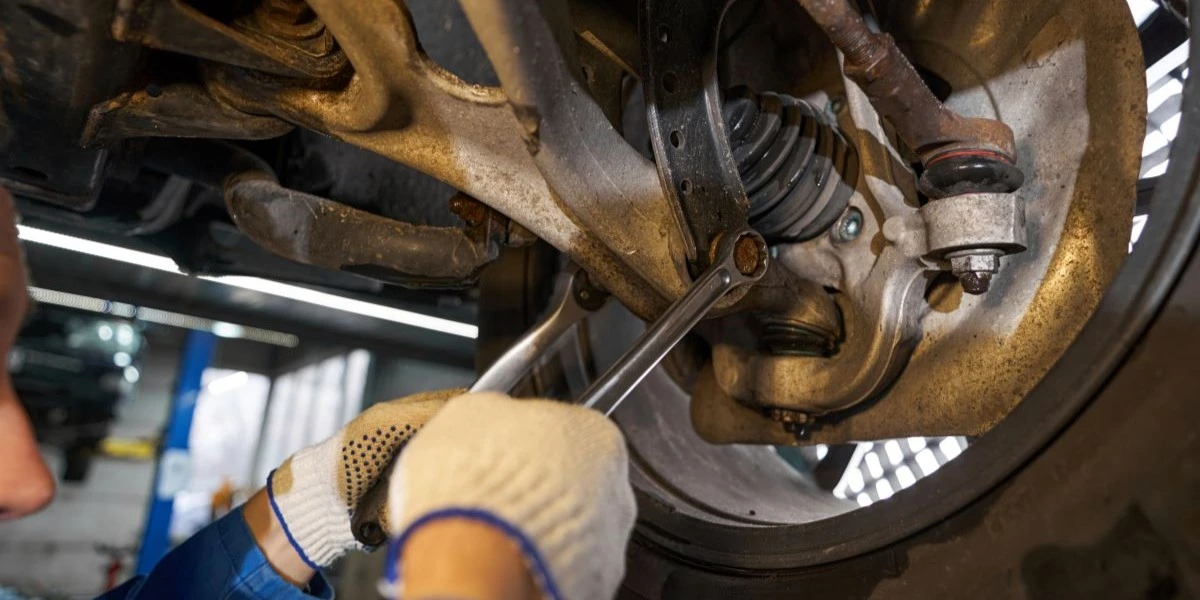
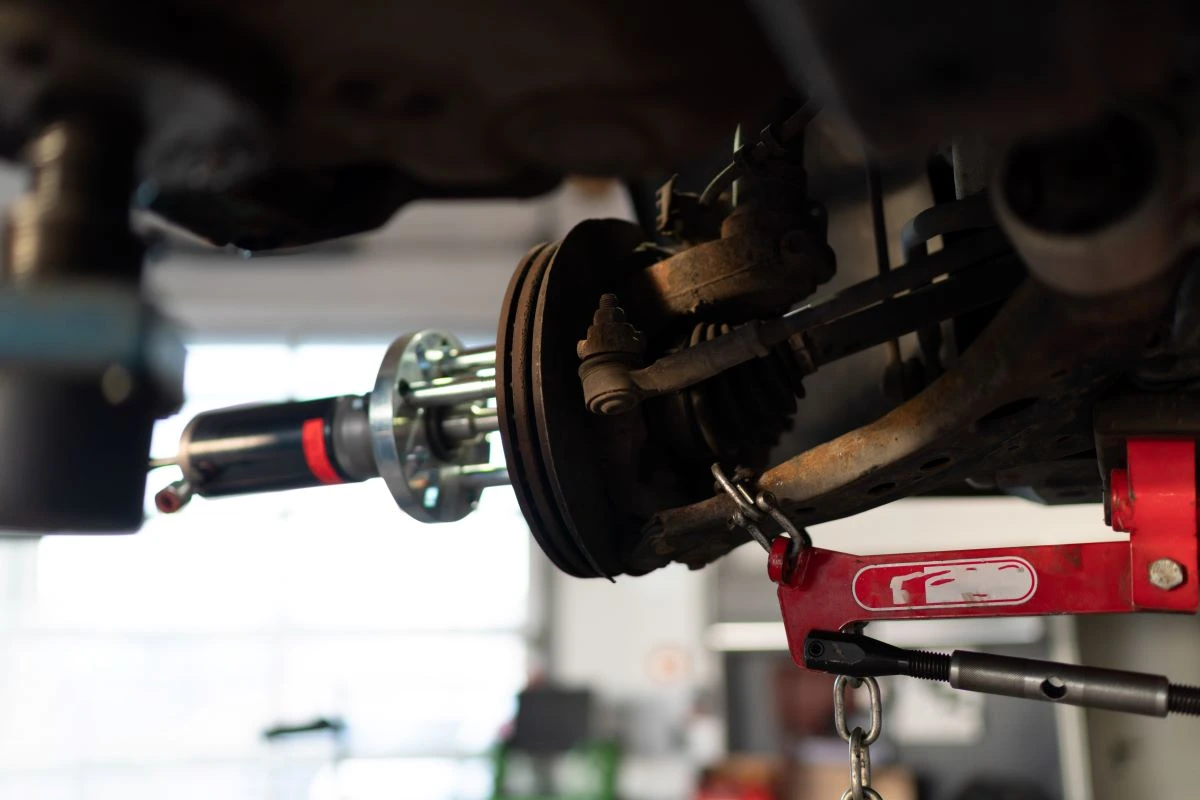
Use the Right Tools: Use a ball joint separator to avoid damage to other parts.
-
Complete Replacement: It is often easier to replace the entire arm rather than pressing out old bushings.
-
Integrated Parts: Many newer vehicle models have the ball joint permanently attached to the arm, requiring a full replacement.
-
Alignment: Always perform a wheel alignment after installing new suspension components.
Whether you shop at A-Premium or an online auto parts store, ensure you select arms that match your vehicle's chassis design. Timely replacement of a lower control arm or upper arm restores driving comfort and ensures your safety on the road.
By keeping your suspension system in top shape, you ensure your car remains stable and moving smoothly, no matter the road surface. Regular inspection of the control arm is the essence of vehicle longevity.
Older vehicles' control arms have detached ball joints that are serviceable independently. But newer ones have ball joints integrated within the control arm. Therefore, if the ball joints need replacement, you'll need to replace the entire arm. As for the cost of replacement, please refer to How much does control arm replacement cost
Conclusion
It is time to wrap up this fantastic informational post on control arm(s). A control arm is the essence of the suspension system. It helps keep the wheel intact with the road for increased equilibrium and control.
Since control arms are the most critical part of the car suspension system, they need constant inspection. Worn-out control arms cause unprecedented damages. Therefore, the driver must know the mattering aspects of control arms. The most important ones regarding their function and types are mentioned in this post.


