Understanding Your Vehicle's Suspension System: How Shock Absorbers Actually Work

Don't let worn-out suspension parts turn your daily drive into a vibration-filled nightmare. Read on to master the science of shocks and find the best shocks for your specific vehicle!
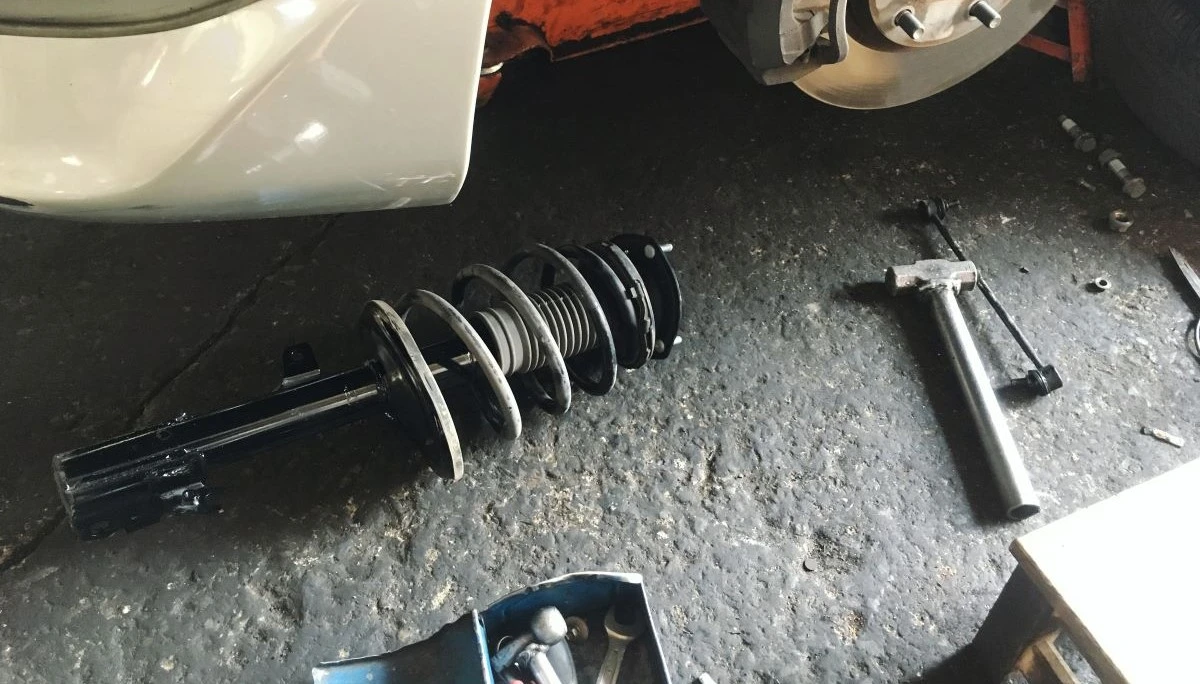
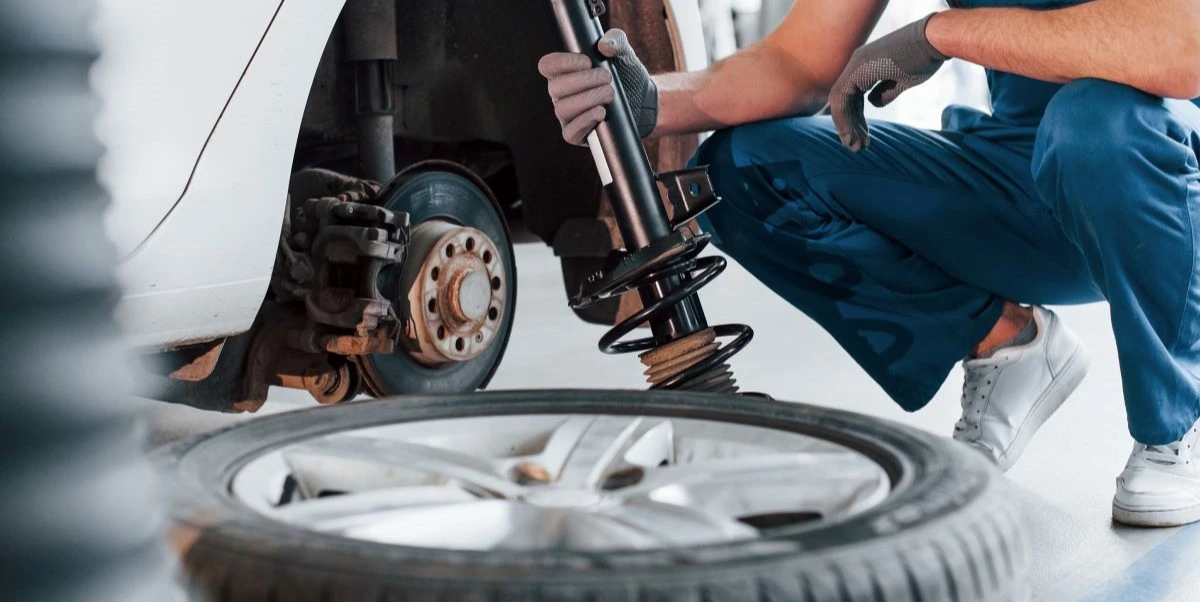
Whether you’re cruising down a freshly paved highway or navigating a rugged off road trail in a Toyota Camry you’ve likely felt your vehicle "bounce" or "settle." Most customers credit their cars' springs for that smooth ride, but the real unsung hero of enhanced handling is the shock absorber.
Despite the name, shock absorbers don’t actually "absorb" the initial impact—the coil spring does that. The shocks' job is much more sophisticated. Here is a breakdown of why they matter for your driving needs and how they keep you safe on the road.
What Do Vehicle Shock Absorbers Actually Do?
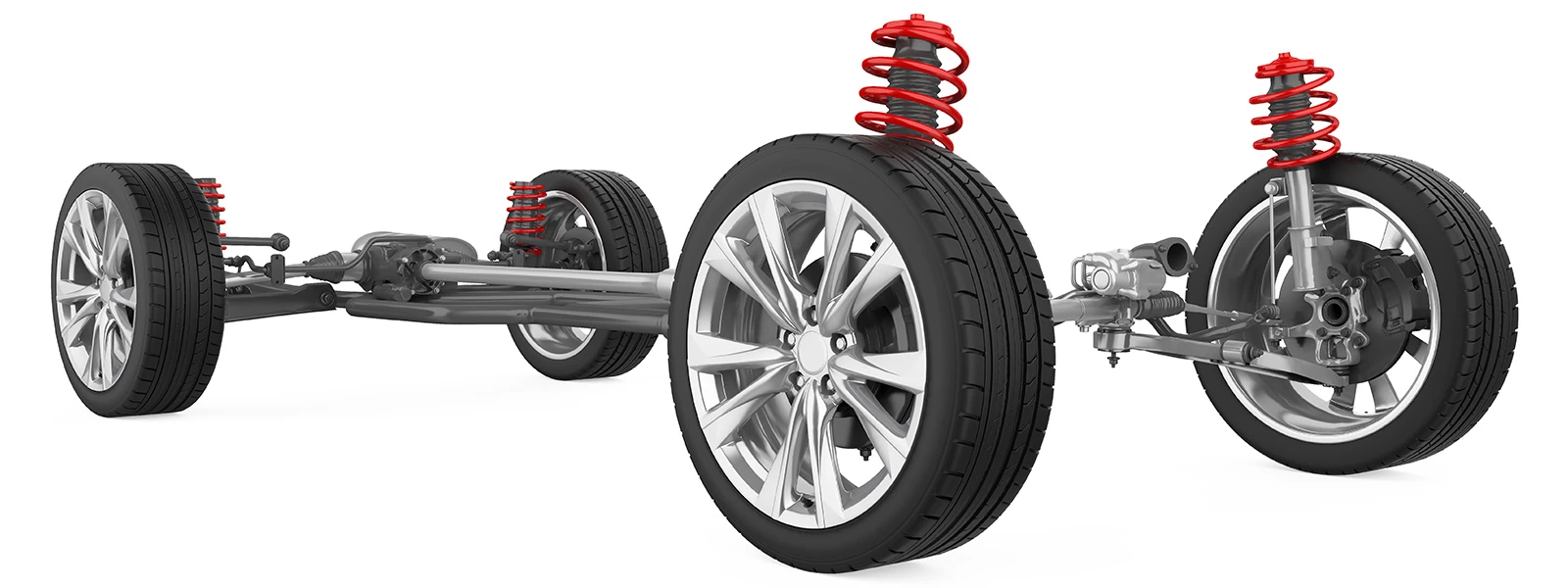
In the simplest terms, vehicle shock absorbers control the movement of your vehicle's suspension system.
When you hit bumps, your coil spring will compress and then expand. Without shocks, your truck or car would continue to bounce up and down like a pogo stick until all that energy dissipated. This would make the vehicle nearly impossible to steering and lead to an incredibly uncomfortable ride.
The primary functions of shocks and struts are:
-
Maintaining Tire Contact: Ensuring your tire stays glued to the pavement so you can steering and brake effectively.
-
Ride Comfort: Dampening the vibration and oscillations so the cabin remains stable.
-
Reducing Wear: Preventing excessive stress on the mount, wheel assembly, and other suspension parts.

How It Works: The Science of "Damping"
Shock absorbers work through a process called damping. They are essentially oil pumps that convert kinetic energy (movement) into thermal energy (heat).
1. The Hydraulic Process
Inside the shock absorbers, a piston moves within a cylinder filled with hydraulic fluid. As the suspension moves up and down, the piston is forced through the oil. Unlike air, this fluid cannot be compressed, creating natural resistance.
2. Twin Tube Shocks vs. Monotube Technology
Most vehicles come stock with twin tube shocks. A twin tube design uses an inner pressure tube and an outer reserve tube to carry the oil. For those seeking an upgrade for off road driving or towing heavy loads, nitrogen gas charged models provide excellent performance by preventing the oil from foaming.
3. Velocity Sensitivity and Tuning
Modern shocks are velocity-sensitive. This technology means the faster the piston moves, the more resistance the structural component provides. This allows the vehicle to feel smooth over small ripples but remain firm during a sudden swerve, ensuring safety and performance.

Shocks vs. Struts: What's the Difference?
While often sold in pairs, shocks and struts are different. Struts are a structural component of the front end that typically supports the coil spring and affects ride height. Shock absorbers are typically independent components found on the rear or front, depending on the specific vehicle fitment.
Why This Matters for Your Drive
If your shocks are worn out, your ride changes from "controlled" to "chaotic." You might notice:
-
Nose Diving: The front end dips heavily when you hit the brake.
-
Body Roll: The vehicle leans excessively when turning corners.
-
Cupping: Your tire develops uneven wear because it is literally bouncing off the road.
Pro Tip: In the US, experts recommend inspecting your shocks and struts every 50,000 miles. Whether you need a lift, a lowering kit, or just to replace loaded assemblies, choosing the best shocks for your specific vehicle is a vital upgrade.


Choosing the Right Upgrade
When it involves an upgrade, choosing a high-quality brand like A-Premium can transform your driving needs from a standard ride to excellent performance. A-Premium shocks feature a high-performance damping system and durable construction designed to withstand heavy loads. These shock absorbers are engineered and tuned for specific vehicle applications—from a heavy-duty truck to daily-driver cars—ensuring perfect vehicle fitment and enhanced handling. By utilizing a long-lasting sealing system and a corrosion-resistant finish, we ensures our shocks stay stable under high pressure and temperature, providing the safety and control every driver deserves.
Summary
Shock absorbers are the "brain" of your suspension. By choosing A-Premium, you are opting for a brand that balances quality with performance. From their high-performance damping system to their corrosion-resistant finish, these shocks are designed to keep your vehicle stable and your ride smooth.
Contact our store today to find the perfect A-Premium upgrade for your specific vehicle! All orders are covered by our commitment to quality, so you can drive with confidence.


