Understanding brake rotors: bad signs and symptoms

Brake rotors are a crucial component of a vehicle's braking system, responsible for bringing the car to a safe and controlled stop. This blog post aims to provide a comprehensive understanding of the common signs and symptoms of bad brake rotors.
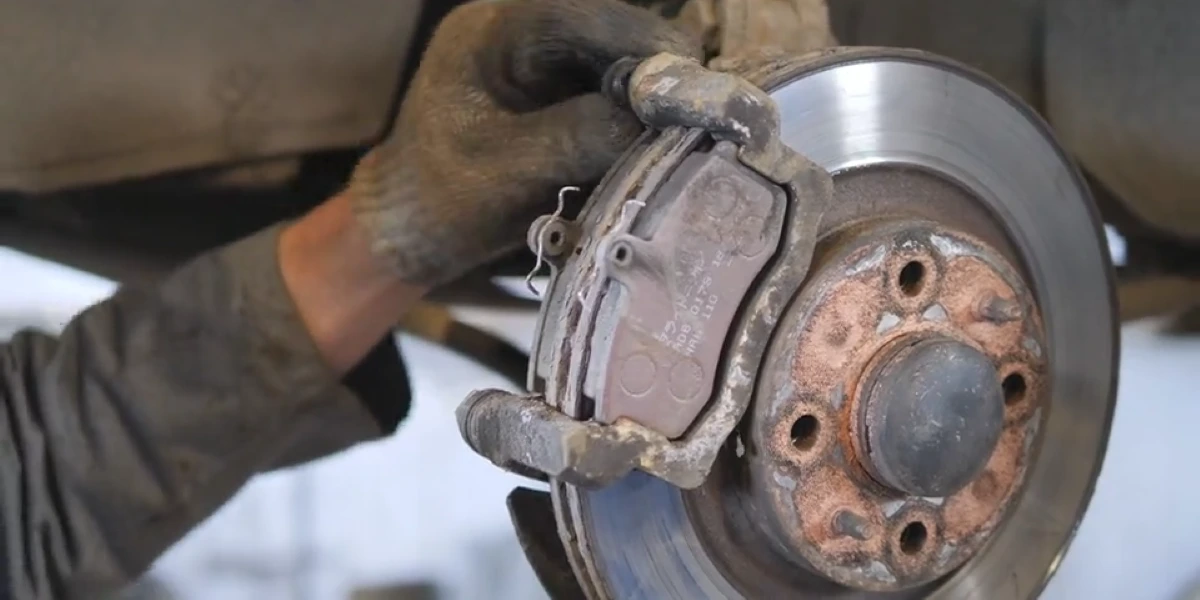
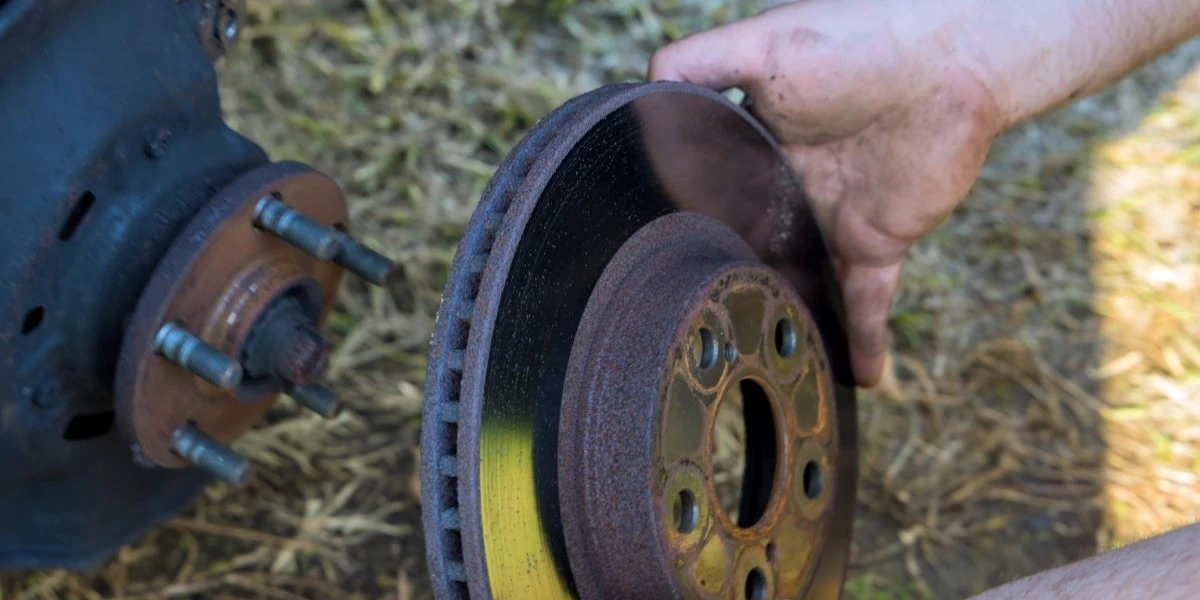
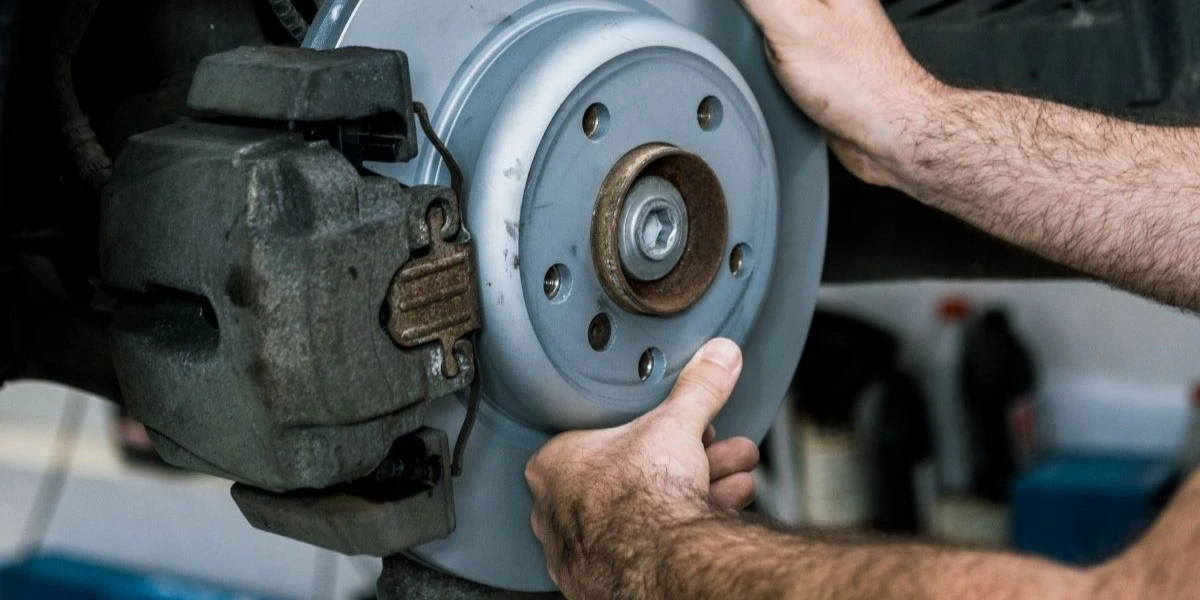
When it comes to safe driving, the brake system is undoubtedly the most critical part of your car. While many drivers regularly monitor their brake pads and fluid levels, one important component that is often overlooked is the brake rotors. Brake rotors work in conjunction with brake pads to slow your vehicle to a stop.
In this article, we'll take a closer look at the important role brake rotors play in keeping your vehicle safe. We'll detail the warning signs you need to watch out for, the risks of ignoring brake rotor damage, and the corresponding repairs you can take to ensure a safe and smooth ride.
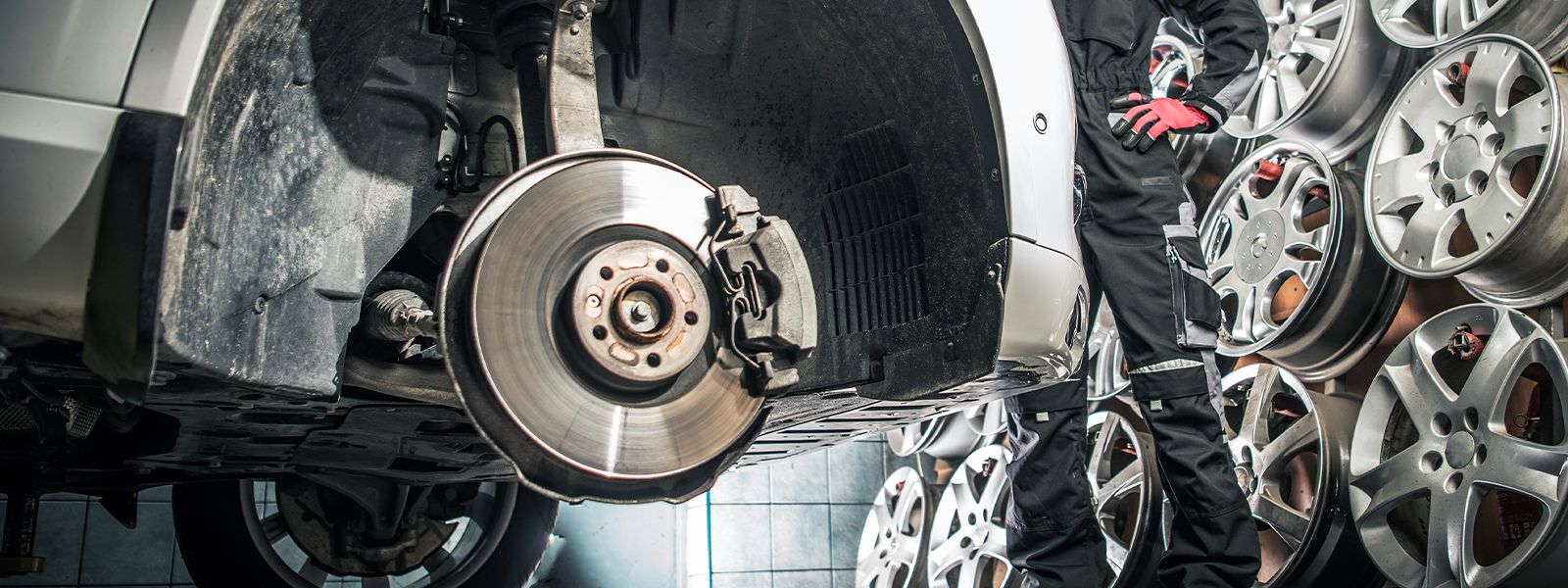
Signs that your brake rotors are bad
The key to ensuring your vehicle's safety and performance is to accurately identify the signs of brake rotor failure. Here are a few key indicators that may indicate that your brake rotors are in poor condition:
Brake pad wear: Uneven brake pad wear is often associated with faulty brake rotors. When the rotor surface is not smooth or deformed, the brake pads will wear unevenly when they contact the rotor, which directly affects the vehicle's braking efficiency and safety performance.
Brake pedal or steering wheel vibration: When you step on the brake pedal, if you feel an unusual vibration or pulsation in the pedal or steering wheel, this is often a clear sign of brake rotor damage. This vibration is usually caused by rotor disc thickness variation (DTV) or uneven rotor surface.
Reduced braking performance: If you find that your vehicle takes longer than usual to stop, or the brakes feel uneven and slow to respond, this may be a sign of poor brake rotor condition. These phenomena are all signs that there may be a problem with the brake system and need to be inspected and repaired in time.
Visible Grooves or Scores: If you notice deep, visible grooves, nicks, or rough spots on the rotor surface, this is usually a sign of severe wear. These grooves can reduce the rotor's ability to make effective contact with the pad, which can affect braking effectiveness.
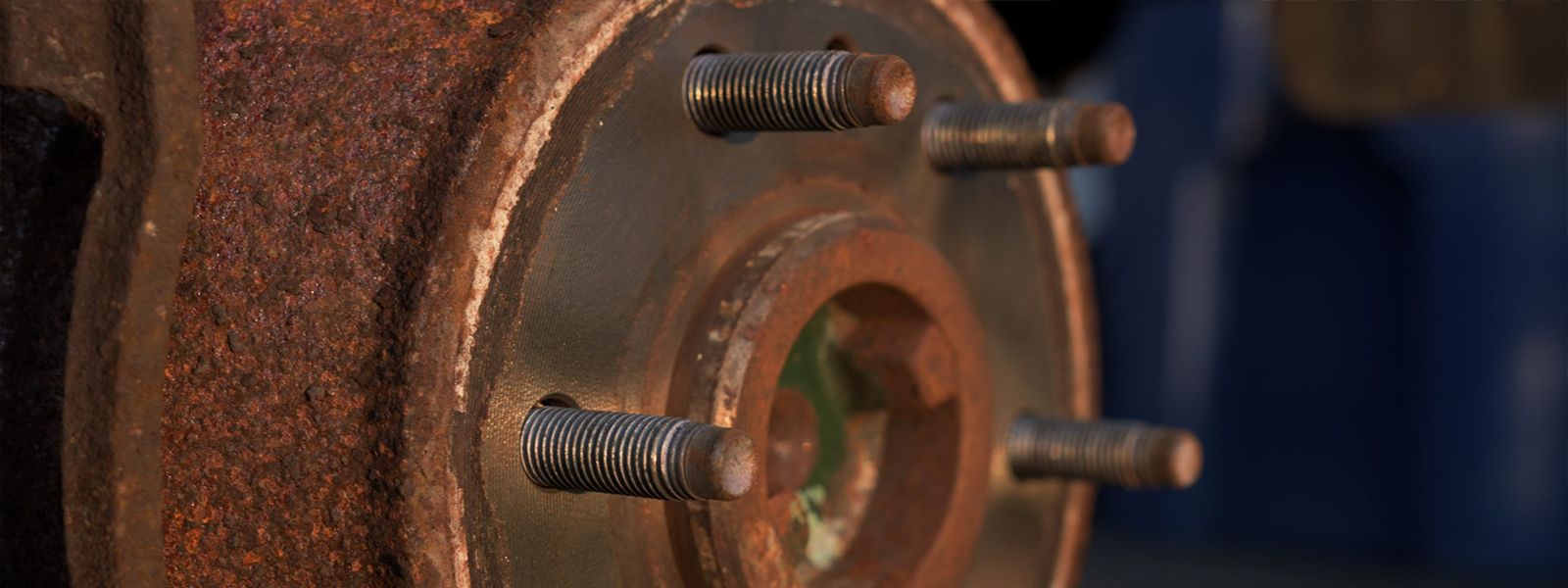
Excessive Rust: While some minor rust on the rotor surface is normal after rain or wet weather, excessive rust can be a sign that rotor performance is degrading. If the rust has penetrated deep and affects the rotor's overall structure and surface smoothness, braking performance will be significantly affected.
Blue Coloring: When a brake rotor overheats, it may appear blue. This color change is a clear sign of excessive heat, which can cause the rotor to deform and reduce its braking efficiency.
Rotor Thickness: Over time, the surface of the rotor wears away, reducing its thickness. If the rotor becomes too thin (usually something you can check with a micrometer), it will need to be replaced.
What causes brake rotors to go bad
Wear is the most common reason why brake rotors no longer function. Every time you drive your vehicle and apply the brakes, your brake rotors will experience some level of wear. Over time and with regular use, the material of the brake rotors gradually becomes thinner as a natural process of normal wear.
In addition to normal wear, brake rotors can also suffer from other types of defects. One of these is warping due to repeated heavy use, a condition that makes it impossible to resurface the rotor surface. When a metal surface is repeatedly heated beyond its tolerance limit and then quickly cooled, it can become warped over time. This condition usually occurs when your vehicle is subject to frequent braking, such as when traveling across hills or mountains, towing a trailer, or carrying a lot of extra luggage.
In addition, brake rotors may occasionally develop cracks in the machined surface. Once you notice cracks in your brake rotor, it is imperative that you replace it immediately in order to resolve the problem and ensure safe braking performance.
Can you drive with bad brake rotors
Drivers are strongly advised not to drive a vehicle with damaged brake rotors, as damaged rotors will significantly reduce the vehicle's braking performance. This will not only lead to significantly longer stopping distances and significantly reduced braking force, but in some extreme cases, it may even lead to complete brake failure. When braking, damaged rotors may cause unnecessary vibrations in the steering wheel or brake pedal due to their twisted or uneven surfaces. This vibration not only makes the driver feel uneasy but may also cause loss of control in emergency braking situations, increasing the risk of an accident. Therefore, if you find that the brake rotors are damaged, it is important to replace them in a timely manner to ensure driving safety.
Continued driving of a vehicle with damaged rotors may not only further damage the brake system but also cause potential damage to other vehicle components, such as wheel bearings or suspension systems. More importantly, the safety risks posed by such vehicles cannot be ignored. Damaged rotors can lead to unpredictable braking performance, which may cause accidents during emergency braking, seriously threatening the safety of you, your passengers, and other road users. Therefore, once you find a problem with the rotor, be sure to take immediate measures to repair or replace it to ensure driving safety.
While it may be possible to drive a vehicle with a damaged brake rotor, it is not safe to do so. The risks far outweigh any temporary convenience or cost savings. It is critical that you seek the help of a qualified mechanic immediately to diagnose and resolve any brake rotor issues to ensure your vehicle remains in safe, reliable condition.
How often should brake rotors be replaced
As a core component of the vehicle's braking system, brake discs are used very frequently, so over time, they need to be replaced regularly to ensure driving safety. Brake disc wear is usually a gradual process, and the duration may vary from 50,000 kilometers to 100,000 kilometers, which mainly depends on driving habits, road conditions, and the frequency of vehicle use. Continuous friction is the main cause of brake disc wear, especially when the vehicle is driving at high speed or frequent emergency braking, the friction between the brake disc and the brake pad will be more intense.
In addition, after the brake disc generates heat due to friction, if it suddenly encounters the water surface, it is easy to deform due to the sudden drop in temperature. This deformation not only affects the braking performance of the brake disc but may also have an adverse effect on the driving stability of the vehicle. Therefore, once the brake disc is found to be worn or deformed, it must be replaced with a new one in time.
As a car owner, you can detect brake disc wear and other problems in time by regularly checking the thickness and surface condition of the brake disc. At the same time, when you hear abnormal noise when braking or feel that the braking effect has decreased significantly, you should also check the condition of the brake disc in time. In short, as a necessary component for automobile braking operation, the status of the brake disc is directly related to the driving safety of the vehicle. Therefore, we must remain highly vigilant and replace damaged brake discs in time.
How to extend the lifespan of the brake rotor
To maximize the life of your brake rotors, it is recommended that you develop a habit of operating the accelerator and brake pedals with only one foot. This driving technique not only helps maintain precise control of the vehicle but also effectively prolongs the overall life of the brake system.
Take special care to avoid pressing the brake and accelerator pedals at the same time, which is a dangerous driving behavior. Pressing both pedals at the same time will inadvertently increase brake wear, negatively affect fuel efficiency, and may even damage the brake system.
Likewise, make sure not to place your foot on the brake pedal when the brakes are not needed. Doing so for a long time or frequently will cause premature wear and overheating of the brake pads, which will cause damage to the brake rotors. For driving safety and vehicle maintenance, always maintain correct driving posture and operating habits.


