Is Your Car Ready for Spring? The Ultimate Professional Spring Maintenance Checklist

After winter’s salt and potholes, spring maintenance is key. This checklist covers filters, suspension, brakes, ignition, tires, and a deep clean to keep your car safe and efficient.
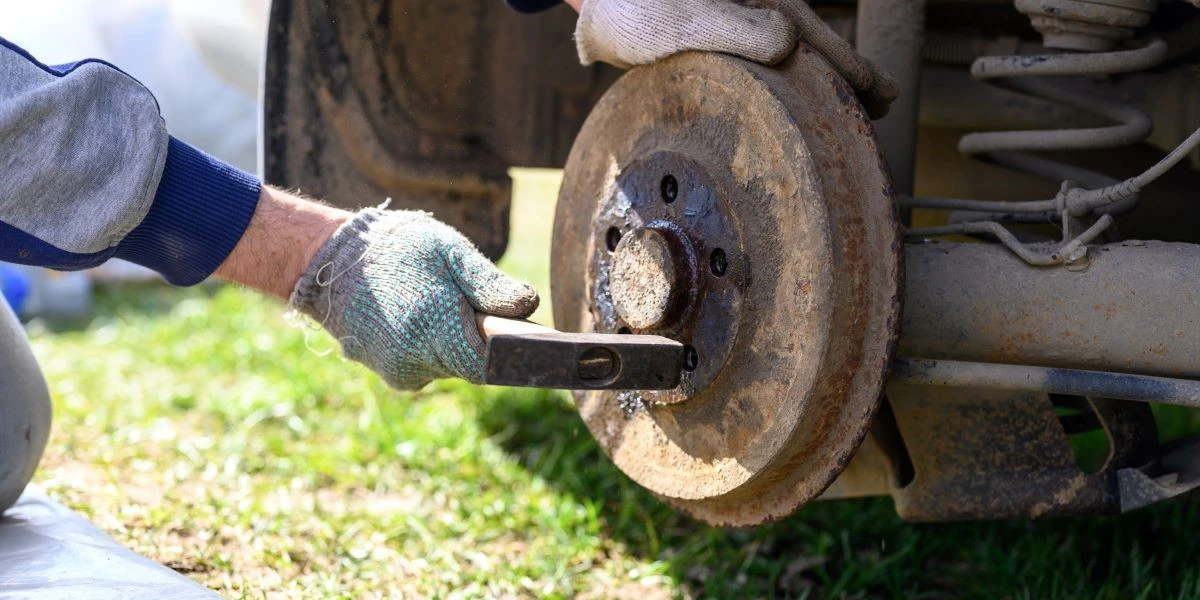
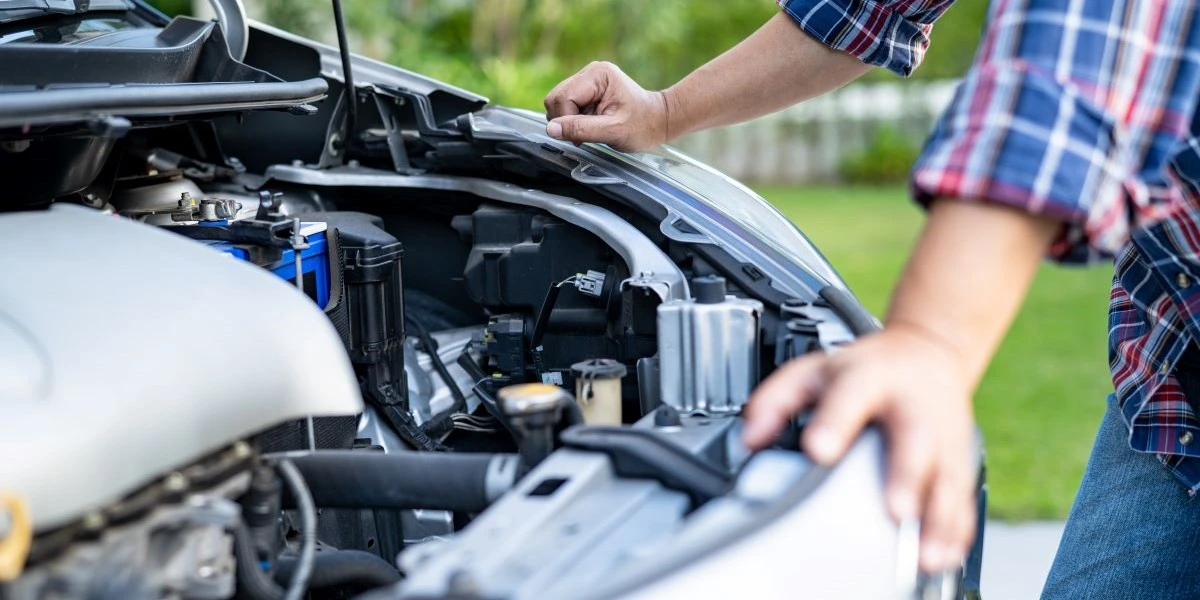

As the harsh North American winter recedes, leaving behind a trail of road salt, deep potholes, and frost-damaged pavement, your vehicle demands more than just a quick car wash. Winter is an endurance test for automotive components; spring is the season for recovery and recalibration.
Neglecting post-winter maintenance doesn't just lead to poor performance—it can result in costly "cascading failures." This professional-grade checklist will help you identify potential issues before they leave you stranded during a summer road trip.
1. Optimize Engine Efficiency and Cabin Air Quality
The transition from freezing air to spring humidity affects how your car "breathes."
The Respiratory System: Cabin & Engine Air Filters
During winter, filters often trap moisture, road salt spray, and even nesting material from rodents seeking warmth.
- Cabin Air Filter: A clogged filter restricts airflow to your HVAC system, forcing the blower motor to work harder. More importantly, a fresh filter is your primary defense against the “pollen bomb” of spring. If you notice a lingering musty odor, your filter has likely become a breeding ground for mold. Cabin air filter replacement is recommended every 15,000 to 30,000 miles to maintain proper cabin air quality.
- Engine Air Filter: Your engine requires a precise air-to-fuel ratio. A restricted filter forces the engine to compensate by consuming more fuel, leading to carbon buildup and reduced throttle response. Inspect your engine air filter every 15,000 to 30,000 miles and replace it as needed to ensure optimal engine efficiency. Regular inspection and timely replacement of air filters is essential for maintaining both air quality and engine performance.
The Spark: Ignition Coils & Spark Plugs Kits
Cold starts in sub-zero temperatures place an immense load on your ignition system. If your car feels sluggish, has a rough idle, or throws a "misfire" code (P0300-P030X), your ignition components are the primary suspects.
-
Maintenance Strategy: While spark plugs are standard wear items, an Ignition Coils & Spark Plugs Kit is a smart preventive investment if your vehicle has surpassed the 100,000-mile mark or is experiencing active misfire symptoms. Since the labor to access the coils and plugs is often the same, replacing them as a matched set ensures balanced combustion across all cylinders and protects your expensive Catalytic Converter from damage caused by unburnt fuel.


2. Restoring Ride Quality: Suspension & Steering
Potholes are the "silent killers" of suspension geometry. If your steering wheel is off-center or you hear a metallic "clunk" over bumps, your chassis needs an inspection.
Shock Absorbers and Struts
Shock Absorbers do more than provide comfort; they prevent "tire hop" and ensure your tires maintain consistent contact with the road for braking. Check the body of the shock for hydraulic fluid leaks (a "wet" appearance). If your car continues to bounce more than once after hitting a dip, the internal valving is likely compromised.
The Critical Linkages
The precision of your handling depends on several key components:
-
Sway Bar Link: These connect your outer wheels to the stabilizer bar. Winter road salt often corrodes the ball-and-socket joints, leading to a distinctive rattling noise over small bumps.
-
Control Arms & Ball Joints: These are the pivot points of your suspension. A worn ball joint is a serious safety hazard. Inspect the rubber boots for tears—once the factory grease is replaced by salt and grit, failure is imminent.
-
CV Axle Shaft: Inspect the CV boots. Freezing ice can tear the rubber, leading to a "clicking" sound during sharp turns as the joint loses lubrication.


3. Braking Performance and Safety Electronics
Salt-heavy slush is highly corrosive to the precision metal components of your braking system. It's important to regularly check your brakes, including the brake pedal, for any signs of wear or issues. If you notice any squealing noises or feel pulsations when pressing the brake pedal, it may indicate that your brake pads or rotors need servicing. Brake pads typically last anywhere from 30,000 to 100,000 miles, depending on your driving style and the material used.
Brake Rotor and Pad Kit: The Professional Solution
Surface rust on rotors is normal after a rainstorm, but "pitting" from road salt is permanent. This leads to brake pulsation and reduced stopping power.
When performing a spring brake job, using a Brake Rotor and Pad Kit is the industry gold standard. Matching new pads with new rotors ensures an even "bedding" process, maximizing the friction coefficient. Don't forget to inspect your Brake Calipers for seized guide pins—a common side effect of winter salt exposure that causes uneven pad wear.
Sensor Calibration: ABS & TPMS
Modern vehicles rely on a suite of sensors to keep you safe on wet spring roads:
-
ABS Speed Sensor: These are mounted at the wheel hubs and are constantly pelted by winter debris. If your ABS or Traction Control light is on, the first professional step is using an OBD-II diagnostic scanner to identify the specific wheel code. While a sensor failure is common, the issue could also be a cracked tone ring or a damaged wire harness.
-
Tire Pressure Monitoring System (TPMS) Sensor: These sensors typically have a battery life of 5 to 10 years. If your vehicle is approaching this age and the TPMS light is flashing, the internal battery is likely depleted. Since the sensor is mounted inside the tire, spring is the perfect time to replace them if you are already installing new tires.


4. The Climate Control System
Before the first 90-degree day hits, you must verify your AC system’s integrity.
-
AC Compressor: If your AC hasn’t been run for months, the internal seals can dry out. Turn your AC on and listen for the “click” of the compressor clutch engaging. A loud grinding noise or a failure to blow cold air could indicate that the AC Compressor is failing or that the system has developed a slow refrigerant leak over the winter.
5. Oil and Fluid Checks
Keeping up with oil and fluid checks is vital for your vehicle’s performance and longevity. Engine oil lubricates moving parts and prevents friction-related damage, so regularly check your oil level and top it off as needed. Follow your car’s owner’s manual for the recommended maintenance schedule and oil change intervals to avoid costly repairs down the road. Don’t overlook other essential fluids: transmission fluid ensures smooth shifting, brake fluid keeps your braking system responsive, and power steering fluid makes steering effortless. Each of these fluids should be checked and replaced according to your vehicle manufacturer’s guidelines. Staying on top of these maintenance items helps prevent performance issues and keeps your vehicle running smoothly all spring long.


6. Belt and Hose Inspections
Belts and hoses are essential for powering and protecting your engine’s key components. Over time, exposure to heat, cold, and engine vibrations can cause these parts to crack, fray, or wear out—potentially leading to expensive repairs if they fail unexpectedly. The serpentine belt, for example, drives multiple vital systems, and a broken belt can quickly disable your vehicle. Make it a habit to inspect all belts and hoses for visible signs of wear, such as cracks, glazing, or bulges. Consult your vehicle owner’s manual for the recommended replacement intervals, as many vehicles require servicing these components at specific mileage points. By catching wear early and replacing belts and hoses as needed, you’ll help ensure your engine runs reliably and avoid being stranded by preventable breakdowns.

Professional Maintenance Data Table
| Symptom | Potential Root Cause | Recommended Action |
| Misfire / Poor MPG | Fouled Plugs / Weak Coils | Install Ignition Coils & Spark Plugs Kit (100k+ miles) |
| Squealing when Braking | Worn Pads or Pitted Rotors | Replace with Brake Rotor and Pad Kit |
| Clunking over Bumps | Worn Sway Bar Link or Shocks | Inspect bushings and links for play |
| ABS Light Illuminated | Failed ABS Speed Sensor | Scan for codes; inspect sensor and tone ring |
| Musty Cabin Smell | Contaminated Cabin Air Filter | Replace filter and treat evaporator |

The most important DIY task this spring? Neutralize the salt. Standard car washes often miss the "shelf" areas on top of the fuel tank and inside the wheel wells. Use a high-pressure wand to thoroughly rinse the Hub Bearing assemblies and the area around the Fuel Pump. Salt trapped against the chassis can lead to premature corrosion of the fuel lines, potentially leading to dangerous leaks or pump failure.
Conclusion: Don't Wait for the Breakdown
Spring maintenance is about proactive prevention. By addressing your Shock Absorbers, ignition system, and braking components now, you ensure that your vehicle remains reliable, fuel-efficient, and safe for the road ahead.
Are you hearing a specific noise or feeling a vibration after the winter thaw? Describe the symptom in the comments below, and let’s get your car back in peak condition!


