Types and Materials of Coil Springs


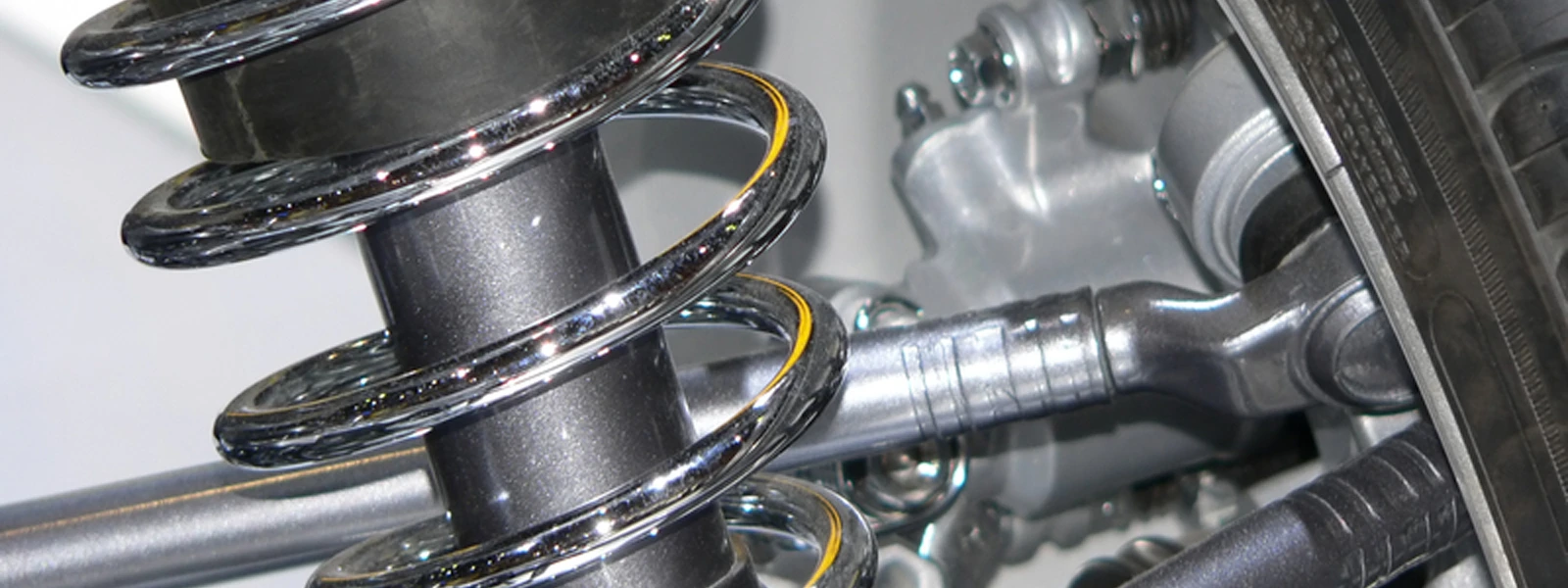
When you hit the road in your trusty car, there's a lot happening beneath you that makes your ride comfortable and safe. Have you ever noticed those metal springs in your car's suspension system? Those are coil springs, the unsung heroes of your smooth ride.
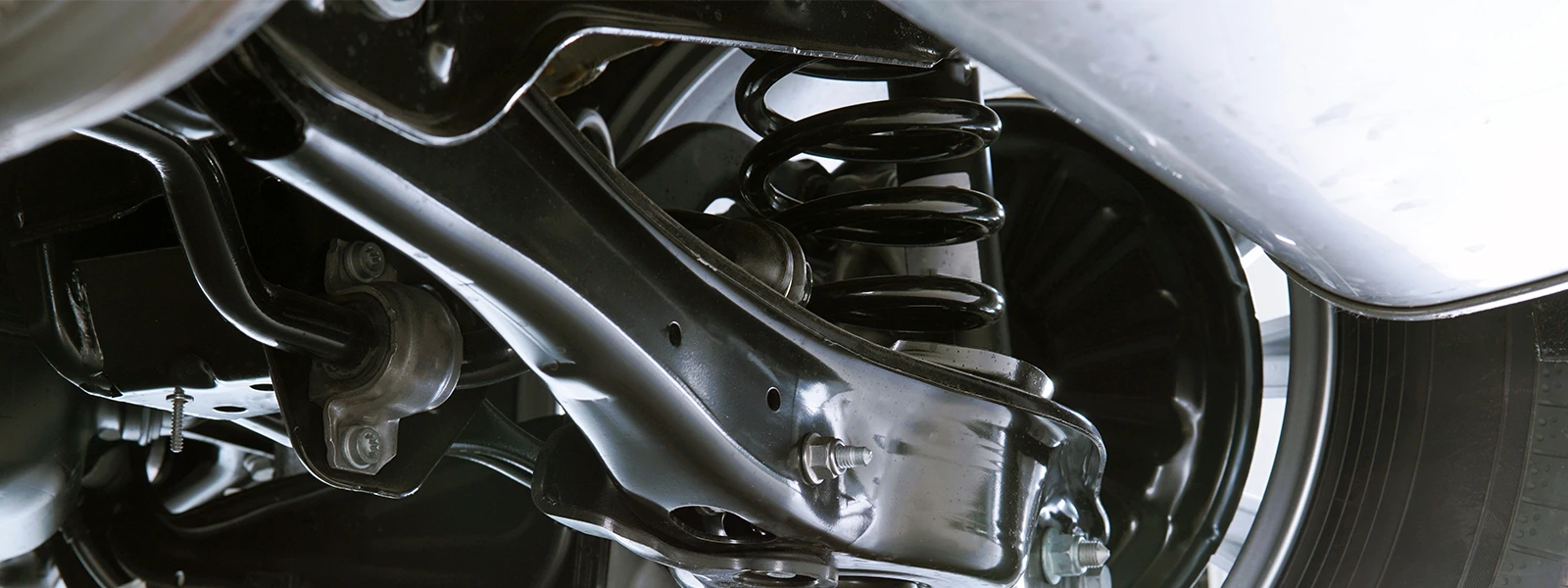
Picture a sturdy, coiled-up spring, like a slinky, but stronger. These springs are installed in your car's suspension, usually one at each wheel, and they do some heavy lifting, even though they're not that big. Coil springs are like shock absorbers for your car. When you drive over bumps, potholes, or rough roads, they're the ones taking the hit to make sure you and your car stay comfy and safe.
Types of Coil Springs
Coil springs come in various types, each designed for specific purposes within a vehicle's suspension system.
- Compression Springs - The Cushion Makers: Think of these as the squishy pillows of your suspension. They compress when you hit a bump, making your ride comfy and absorbing shocks.
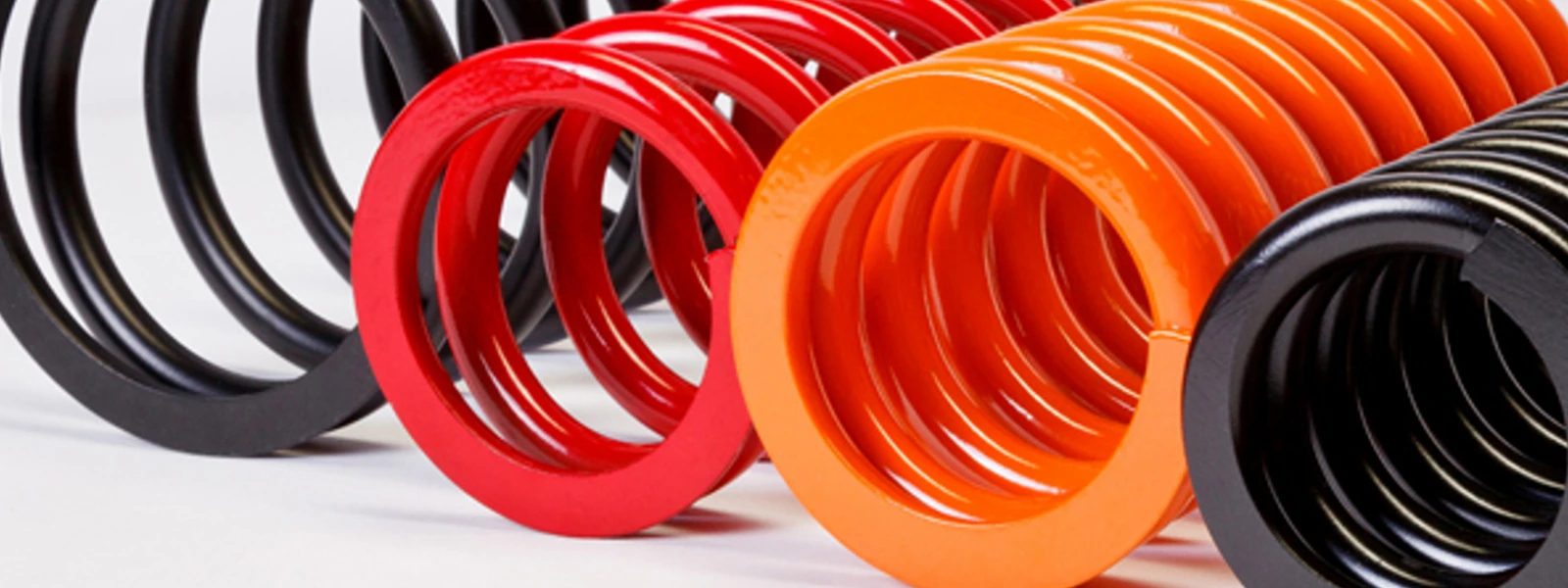
- Tension Springs - The Stretchy Helpers: These are like the bungee cords of your car. They stretch to help maintain proper wheel alignment and control when you're cruising.
- Torsion Springs - The Twisters: Picture them as the twisty springs that keep your rear end in check. They're often found in trucks and SUVs, helping with stability.
- Variable-Rate Springs - The Chameleons: These springs are masters of adaptation. They change their stiffness based on the situation, giving you a smoother ride, whether you're on a bumpy road or a smooth highway.
- Progressive Springs - The Smooth Operators: Imagine a volume knob that adjusts by itself. That's what progressive springs do. They start soft and get firmer as you hit bigger bumps, balancing comfort and control.
- Linear Springs - The Steady Eddies: These springs keep things simple. They're consistent throughout their range, making your ride predictable and reliable.
- Coilover Springs - The Customizers: Coilover springs are like the adjustable shelves in your closet. They allow you to fine-tune your ride height and damping, perfect for those who like to customize their car's performance.
Crafting Coil Springs: Material Matters
Coil springs can be crafted from various materials, each with its own set of characteristics and advantages. Here are some common materials used in the manufacturing of coil springs:
- Steel - The Reliable Warrior: This is the good ol' steel you find in your toolbox. Strong and dependable, it's the foundation for most coil springs. Just like how your trusty wrench never lets you down, steel coil springs can handle heavy loads and constant use.
- Alloy Steel - The Performance Booster: Alloy steel is like the turbocharger for coil springs. It's regular steel supercharged with special ingredients. These springs are found in sports cars and heavy-duty vehicles, providing extra strength for high-performance and demanding tasks.
- Stainless Steel - The Rust Fighter: Ever seen a shiny stainless steel kitchen appliance? Stainless steel coil springs are like that – they resist rust and corrosion. They're often used in places with lots of moisture, ensuring longevity.
- High-Strength Low-Alloy (HSLA) Steel - The All-Rounder: HSLA steel is like the versatile multitool in your garage. It combines strength and flexibility, making it suitable for various applications in the automotive world. It's the "Jack of all trades."
- Composite Materials - The Weight Watchers: Imagine a coil spring made of lightweight materials like carbon fiber. These are the weight-conscious springs, found in high-performance and racing cars. They reduce the car's overall weight while maintaining strength.
- Titanium - The Exotic Performer: Titanium coil springs are like a rare gem in your collection. Lightweight and incredibly strong, they're used in top-tier performance vehicles. They're the thoroughbred of coil springs.
So, just like the secret sauce makes the lasagna the best, the material of your car's coil springs matters to ensure a comfortable, safe, and efficient ride.
Material Selection: Finding the Right Fit
Choosing ingredients for the recipe is important, while the same goes for car coil springs material selection.
- Vehicle's Purpose and Class: The type of vehicle dictates the materials used. Heavy-duty trucks require robust materials to endure heavy loads, while luxury sedans prioritize comfort with specific materials.
- Performance Specifications: Coil spring materials are chosen to meet precise performance requirements. The choice directly impacts the vehicle's ride comfort, handling, and responsiveness.
- Weight Management: Reducing unsprung weight is essential for enhancing fuel efficiency and overall vehicle agility. Materials with varying densities play a pivotal role.
- Durability and Fatigue Resistance: Endurance in the face of repetitive stress, much like an athlete's stamina, is critical. Coil spring materials must withstand countless compression and expansion cycles over the vehicle's lifespan.
- Corrosion Resistance: Accounting for external conditions is akin to weatherproofing. In regions exposed to harsh weather, corrosion-resistant materials like stainless steel ensure longevity.
- Cost Constraints: Coil spring material choices consider cost-effectiveness while meeting performance benchmarks.
- Manufacturability: Coil spring materials should be practical to shape into the desired components efficiently.
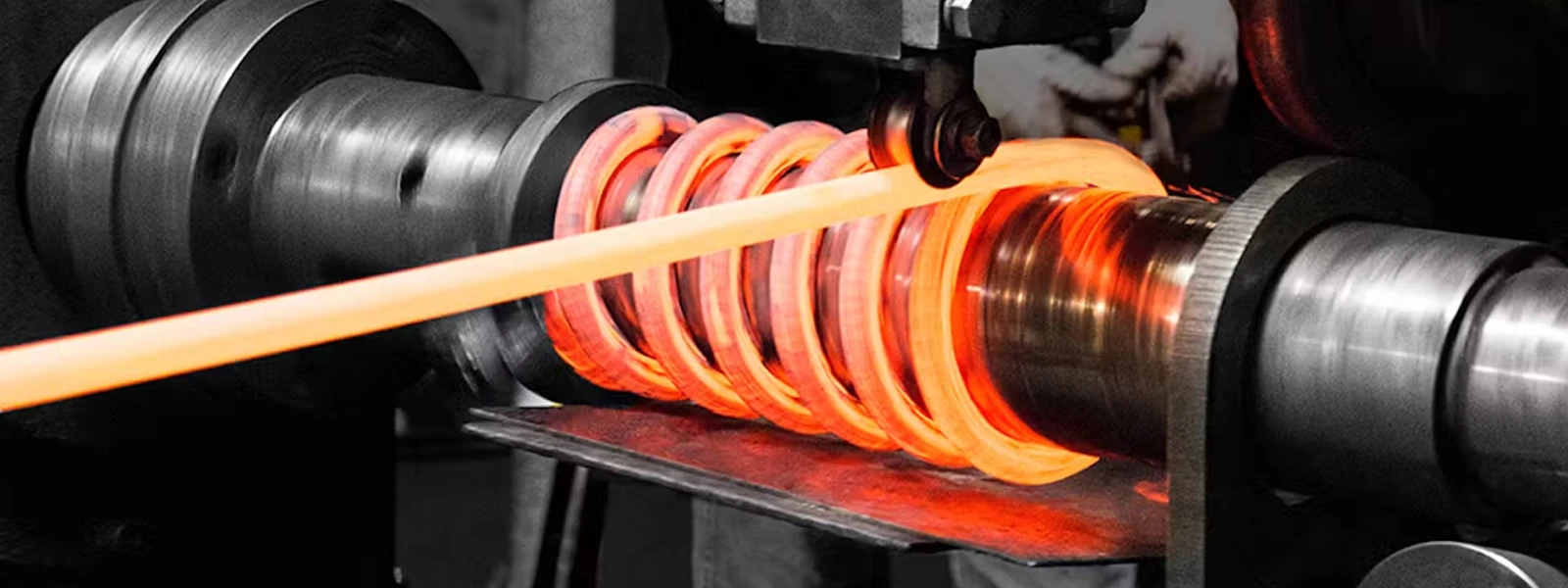
- Customization for Specific Needs: Much like tailoring a suit for a perfect fit, specialized materials like titanium cater to unique performance requirements in select applications.
- Compliance with Regulations: Adherence to safety and environmental standards is paramount, akin to adhering to legal regulations in various fields.
- Historical Best Practices: Automotive manufacturers rely on established industry practices and historical data when choosing coil spring materials.
The material selection for coil springs involves a careful balance of various factors. A well-considered choice of materials ensures that the suspension system operates effectively and contributes to the overall performance and safety of the vehicle.


