TPMS vs Tire Pressure Gauge: Accuracy and When to Check Manually

Compare TPMS vs tire gauges: accuracy limits, common error sources, how to verify readings, and when to check manually.
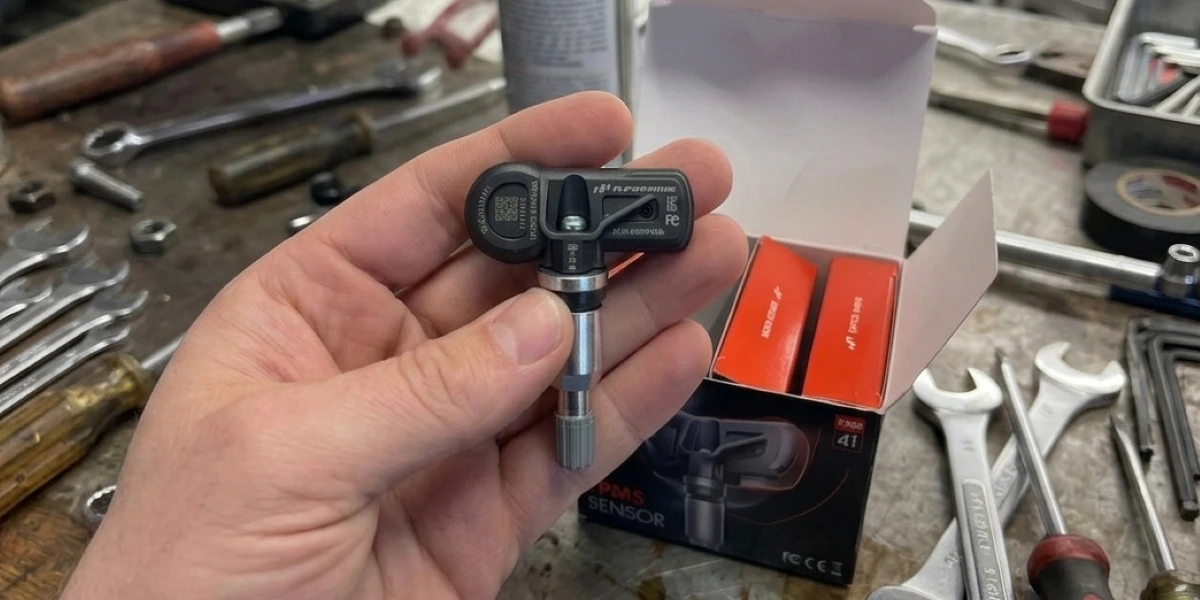

TPMS vs tire pressure gauge is really a question about accuracy and control. TPMS readings are convenient because they’re always on the dash, but they’re not a lab instrument. A tire pressure gauge—digital gauge or analog gauge—gives you a direct manual reading at the valve, but it depends on calibration and technique. The smartest approach is to understand where each method is strong, where errors come from, and how to verify actual pressure with a repeatable process. If you’re troubleshooting inconsistent tpms readings or replacing components, your baseline starts with a working tire pressure monitoring system and a reliable handheld gauge.
How accurate is TPMS compared to a tire pressure gauge?
In normal conditions, direct TPMS is usually accurate enough for daily monitoring, especially for detecting when one or more tires drop below a threshold. But “accurate enough” isn’t the same as “exact.” TPMS sensors measure pressure inside the tire and transmit data to the vehicle, then the system displays tpms readings on the dash. That chain introduces small variance.
A manual tire gauge measures pressure at the valve stem. It can be very accurate, but only if the pressure gauge is calibrated and you use it correctly. Cheap external gauges and worn analog gauges can drift, so “manual” isn’t automatically better unless you control the tool quality.
Practical takeaway: if TPMS and a manual gauge disagree, the next step is not guessing—it’s verifying with a second known-good gauge or a tire shop gauge.
Where TPMS readings get error or drift
TPMS accuracy is influenced by measurement method and operating conditions. The most common reasons tpms readings don’t match a manual gauge include:
Temperature and cold pressures
TPMS displays pressure that changes with temperature. If you compare warm readings on the dash to cold pressures measured manually, you’ll see a difference even when both are correct. For a clean comparison, check cold pressures and then compare.
Update frequency and motion
Many tpms system designs update pressure data more actively when the wheels are moving. That means tpms readings can lag behind a manual gauge reading taken while parked. This is normal and doesn’t always indicate a fault.
Absolute pressure vs displayed pressure
Sensors measure pressure internally, and the vehicle converts it for display. Small conversion differences can show up as a few psi variance.
Sensor condition and battery age
A weak sensor battery can reduce signal quality. A failing tpms sensor can also report inconsistent data or drop out, which looks like wrong readings rather than a clean failure. If you suspect sensor issues, start with compatible tpms sensors.
System calibration and vehicle-specific behavior
Different models behave differently (including bmw tpms implementations). Some vehicles show “rounded” values, some show individual front tires and rear tires, and some only show a warning indicator rather than numbers.
Where tire pressure gauges get error or drift
A tire pressure gauge feels “direct,” but it has its own failure modes. These are the common reasons two gauges don’t show the same pressure:
Gauge calibration and quality
Digital gauge units can drift. Analog gauge springs can wear. If you use the same gauge for years, don’t assume it stays accurate without calibration.
Technique at the valve
If the seal isn’t tight on the valve, you can bleed air while measuring and record a low reading. A quick, firm seat on the valve matters for consistency.
Air pump and compressor readings are often not reliable
Many air pumps at a gas station display “approximate” pressure, not actual pressure. Use the pump to add air, then confirm with your own manual gauge.
Altitude and environment
At higher altitudes or different conditions (sea level vs mountains), readings can vary slightly depending on how the tool measures. This won’t usually explain large differences, but it can add noise when you’re comparing small psi gaps.
The best calibration and verification process
If you want to reconcile tpms vs tire pressure gauge differences, use a simple, repeatable check. This avoids chasing phantom problems.
Step 1: Use the same gauge every time
Pick one good handheld gauge (digital or analog) and use it as your baseline.
Step 2: Measure cold pressures
Check before driving. Cold pressures are the only fair comparison point.
Step 3: Measure all four tires back-to-back
Front tires and rear tires can differ. Record each reading to avoid mixing them up.
Step 4: Inflate with an air pump, then recheck with the same gauge
Add air in small increments, recheck, and stop at the correct pressure target (door jamb recommended pressure). Avoid relying on the pump’s built-in gauge.
Step 5: Compare to TPMS after a short drive
If your vehicle displays numbers, drive a few minutes so the system updates. If TPMS still shows a large gap from your manual gauge, you likely have a sensor or system issue.
When you must check tire pressure manually
Even if you trust tpms readings, there are scenarios where a manual gauge is the correct control tool:
After adding air or adjusting pressure
If you used a compressor or air pump, confirm with a manual gauge.
When TPMS readings look inconsistent
If the dash shows the same pressure for all four tires after a clear change, or it updates slowly, double check manually.
When the TPMS light comes on but tires feel fine
Use a manual gauge to confirm actual pressure before assuming a sensor fault.
After tire service or new tires
Aftermarket sensors, new wheels, or a reset/relearn can cause temporary mismatch. A manual gauge gives you ground truth during that transition.
In extreme cold or rapid temperature changes
Cold weather can swing psi quickly. Manual verification helps when the system is near its warning threshold.
FAQ
1) Should I trust TPMS or a manual tire pressure gauge more?
TPMS is great for monitoring trends and warnings. A calibrated manual gauge is better for verifying actual pressure and making adjustments.
2) Why do my TPMS readings not match my handheld gauge?
Common causes are temperature differences (warm vs cold), TPMS update lag, gauge calibration drift, or a sensor issue.
3) Is a digital gauge better than an analog gauge?
A good digital gauge is easy to read and consistent. A good analog gauge can also be accurate. The real difference is calibration and build quality.
4) Can a gas station air pump gauge be trusted?
Often no. Use the pump to add air, then confirm with your own pressure gauge for accurate readings.
5) If TPMS is wrong, does that mean my sensor is bad?
Not always. First verify cold pressures with a known-good gauge. If TPMS still shows a large difference or drops out, the tpms sensor may be weak or failing. Replacement options are here: tpms sensors.


