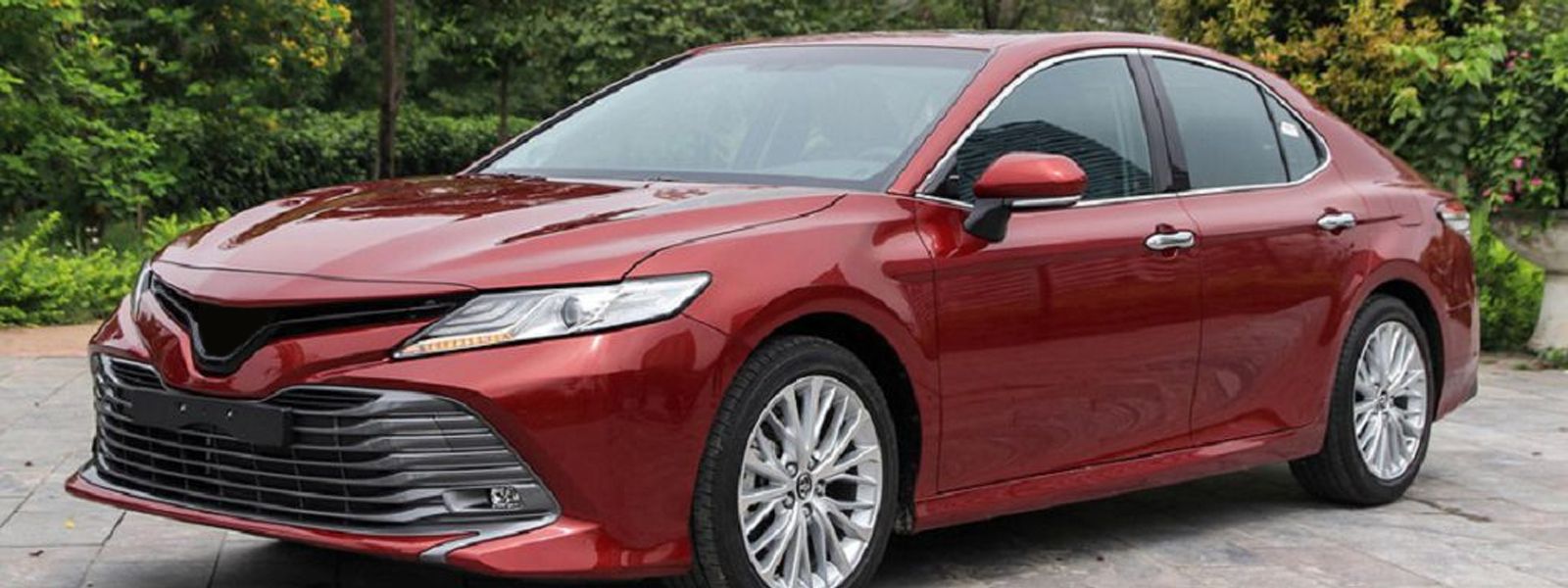
Toyota Camry History Review: It Was Originally a Sports Sedan

Toyota Camry should be a car model that is very familiar to people in Southeast Asia and even North America, because it is currently the best-selling D-Segment model in the world.
Camry Origin - Celica Camry (1980-1982)
In January 1980, Toyota launched the second-generation Celica four-door sedan, named "Celica Camry", and the name Camry appeared in the public's field of vision for the first time. Celica Camry is equipped with 1.6L, 1.8L, and 2.0L engines, matched with 4 or 5-speed manual transmissions and 3 or 4-speed automatic transmissions. At the same time, Celica Camry adopts front-engine rear-wheel drive and is the only model named Camry that adopts this drive mode. Since the Celica Camry was still a branch of the Celica series at that time, many people believe that this version does not belong to the first generation of Camry, but we can regard it as the origin of Camry.
First Generation Camry (1982-1986)
In the 1970s, affected by the oil crisis, small-displacement models were undoubtedly the new favorites of the market. In 1976, the Honda Accord was officially born under this background. At this time, Toyota, after launching the well-known Corolla in the 1970s, decided to follow the example of the Accord and reach out to the mid-size car market. As a result, the first generation Camry, which was independent of the Celica series, was officially launched and put into production at the Jinmei factory in March 1982, with the model code V10. Unlike the Celica Camry, the first generation Camry adopted front-engine front-wheel drive, which became the main driving mode of the Camry series in the future.
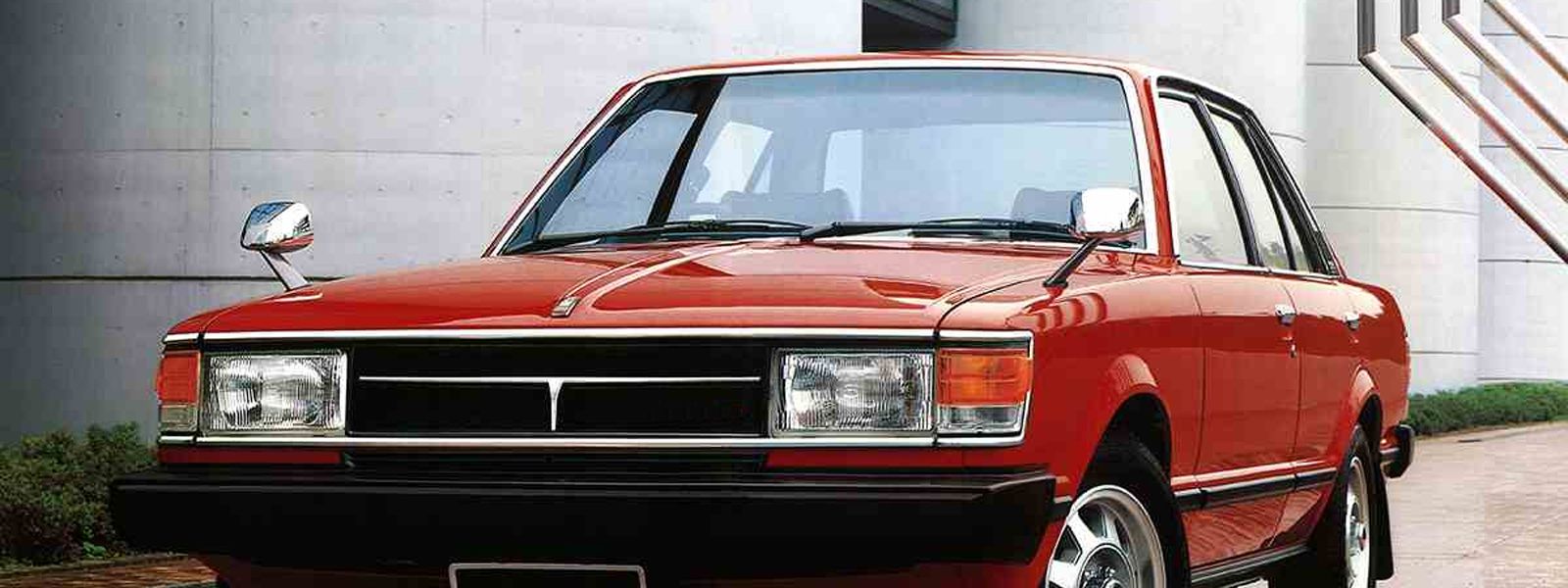
Second Generation Camry (1986-1991)
After the success of the first generation Camry, Toyota launched the second generation Camry in 1986. In terms of power, in addition to the 1.8L, 2.0L, and 2.5L engines, the second-generation Camry introduced the V6 engine for the first time in 1987. It is equipped with a 5-speed manual transmission and a 4-speed automatic transmission. Compared with other car companies, the second-generation Camry added a lot of luxury designs at the time, such as CD audio. At the same time, the second-generation Camry equipped with a 2.0L 3S-FE engine + 5-speed manual transmission added a four-wheel drive mode for the first time to cope with the safety of driving on snow.
The third-generation Camry (1991-1996)
The third-generation Camry, while maintaining the four-door sedan version and the five-door travel version, changed the square outline of the previous two generations and adopted streamlined and rounded curves and lines. By optimizing the space planning, the interior space has increased a lot more than before. The largest version is 4770mm long and 1770mm wide. In addition, the third-generation Camry is equipped with SRS airbags to improve safety. At that time, it was recommended as the most worthwhile mid-size car to buy. The highly acclaimed V6 engine has increased its displacement to 3.0L and is equipped with an intelligent 4-speed automatic transmission. At the same time, in response to the Accord coupe, Toyota built a two-door coupe version based on the chassis of the third-generation Camry, which is the predecessor of the Camry Solara.
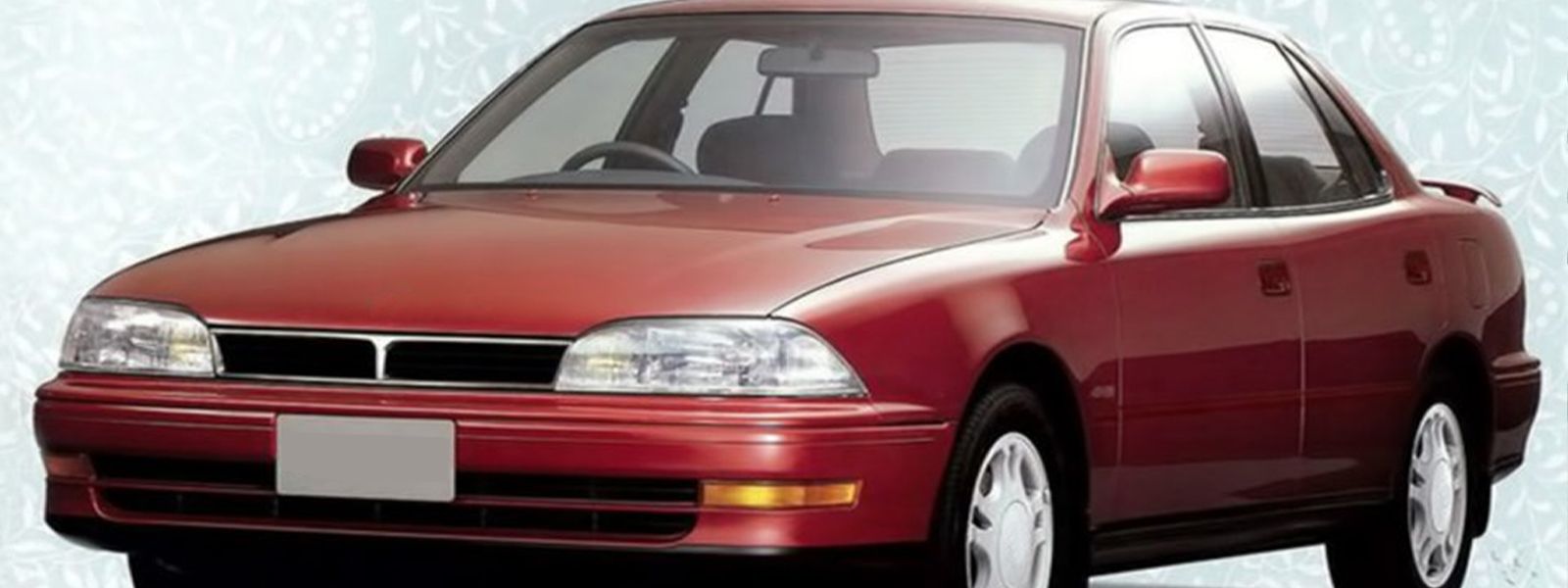
Fourth-generation Camry (1996-2001)
By 1996, Camry had already accumulated a certain reputation. The development focus of the fourth-generation Camry was on safety, and it was equipped with the GOA safety body structure for the first time. It was powered by 2.2L, 2.5L, and 3.0L engines while maintaining the four-door sedan version and the five-door travel version. Unlike the previous three generations, the fourth-generation Camry shared parts and designs with Toyota Corolla, and Estima/Previa, which greatly reduced development and production costs. In addition, the two-door coupe version launched overseas was named Camry Solara and began to be sold independently in 1998.
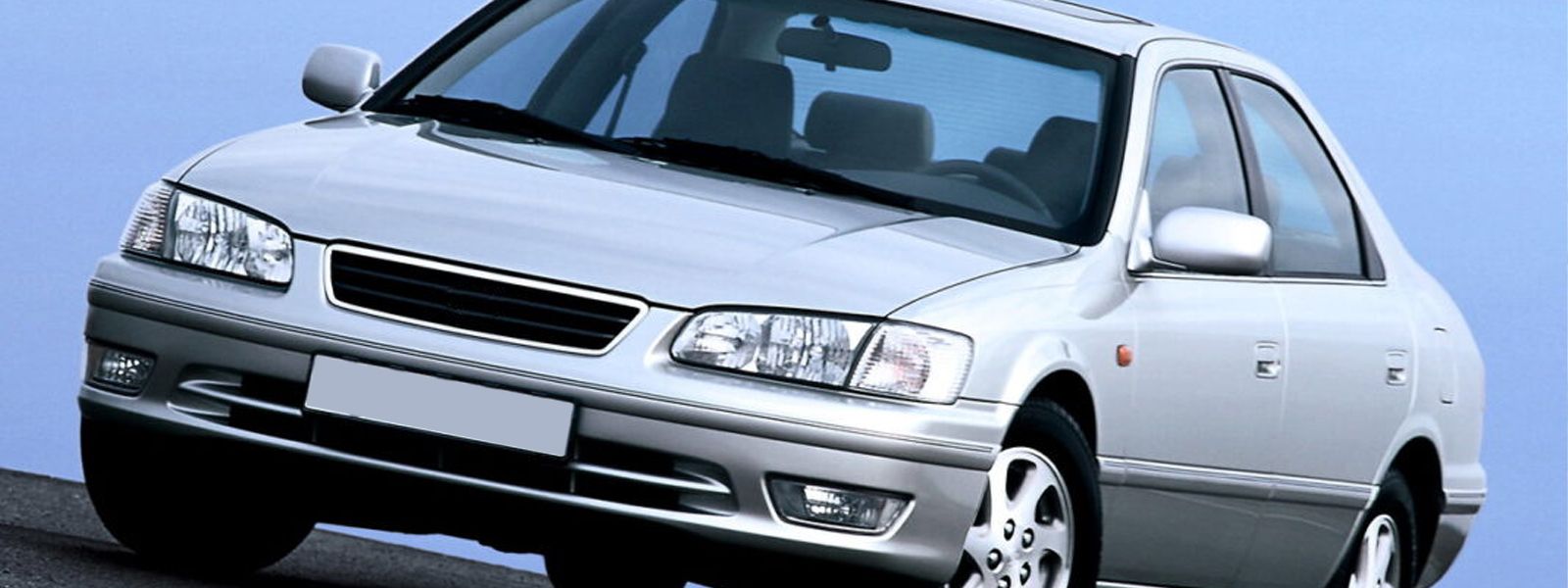
Fifth-generation Camry (2001-2006)
In September 2001, the fifth-generation Camry was officially launched. Compared with the fourth-generation Camry, the fifth-generation Camry has a larger body size and is equipped with 2.4L and 3.0L engines with variable valve timing (VVT-i) technology, which further reduces fuel consumption. In terms of active safety, the vehicle stability control system (VSC) and traction control system (TRC) were added. In addition, the five-door travel version was canceled overseas, and only the four-door sedan version and Camry Solara were mainly used. It was also from the fifth-generation Camry that it began to be imported into China, but it was still called "Camry" at that time.
Sixth-generation Camry (2006-2011)
In January 2006, the sixth-generation Camry was launched. The overseas version adopted the front-wheel drive and four-wheel drive mode, equipped with a 2.4L engine and a four-speed or five-speed manual transmission. The North American region directly added a 3.5L engine and a 6-speed manual transmission version with a maximum horsepower of 268. It was also from the sixth-generation Camry that Toyota and GAC officially started the road to domestic production. The localized GAC Toyota Camry is based on the Prestige version, with a more business-oriented appearance. It offers two power options: a 2.0L engine + 4-speed automatic transmission and a 2.4L engine + 5-speed automatic transmission. The price range is 197,800-269,800. While gaining market recognition, the sixth-generation Camry was also recalled due to quality issues (in April 2009, GAC Toyota recalled Camry sedans produced between May 15, 2006, and March 3, 2008, in response to the "brake door" incident).
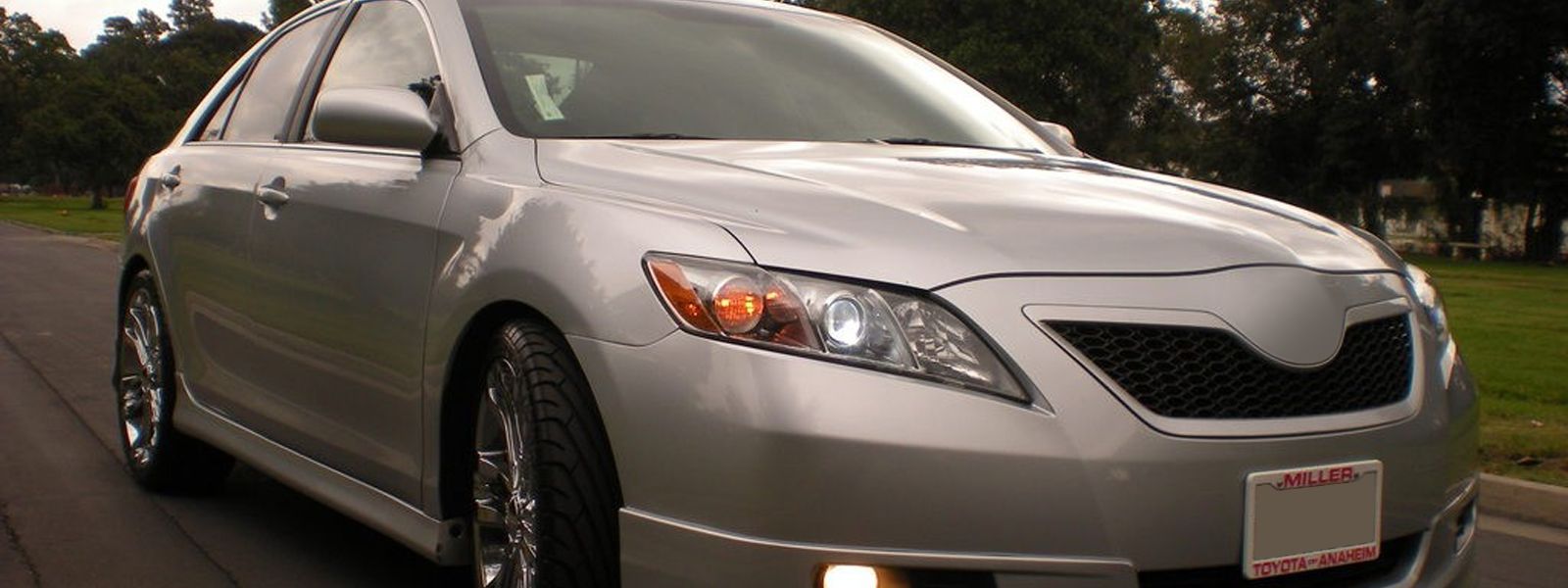
Seventh-generation Camry (2011-2017)
On August 23, 2011, the seventh-generation Camry of the US specification was officially released in North America, equipped with 2.5L and 3.5L engines. The domestic version continues to be based on the Prestige version and was officially launched in 2011. The length, width, and height are 4850mm, 1825mm, and 1480mm respectively, and the wheelbase is 2775mm. In terms of power, the GAC Toyota Camry is equipped with the power of the sixth-generation Camry, equipped with 2.0L and 2.5L engines, with a maximum horsepower of 167 and 184 respectively, and all models are equipped with active safety control, nine airbags, blind spot monitoring, collision warning, adaptive cruise and other configurations as standard. The early seventh-generation Camry continued the business style until the mid-term facelift, when it was redesigned in the "Camry Standard Edition" (divided into Prestige Edition and Standard Edition), with a younger and more sporty appearance, paving the way for the design of the eighth-generation Camry.
Eighth-generation Camry (2017-Present)
In November 2017, the eighth-generation Camry built on the TNGA platform was launched, but due to the "brake door" incident, the eighth-generation Camry produced between December 7, 2017, and February 3, 2018, was recalled again, totaling 3,286 vehicles. In 2019, the eighth-generation Camry was upgraded and equipped with three powertrains: 2.5L HEV, 2.5L, and 2.0L. To this day, under the influence of price wars, Camry still harvests a large number of consumers loyal to Toyota by reducing prices.