Things to Know about Hub Bearing

By understanding how car hub bearings work, drivers can make informed decisions about repairs and replacements.
What is hub bearing?
As a car owner, you rely on your vehicle to steer accurately and safely, whether you're navigating winding country roads or changing lanes on the freeway. But have you ever wondered how your car is able to turn and stay on track? It may come as a surprise that a small part known as a wheel hub assembly plays a significant role in your vehicle's steering system.
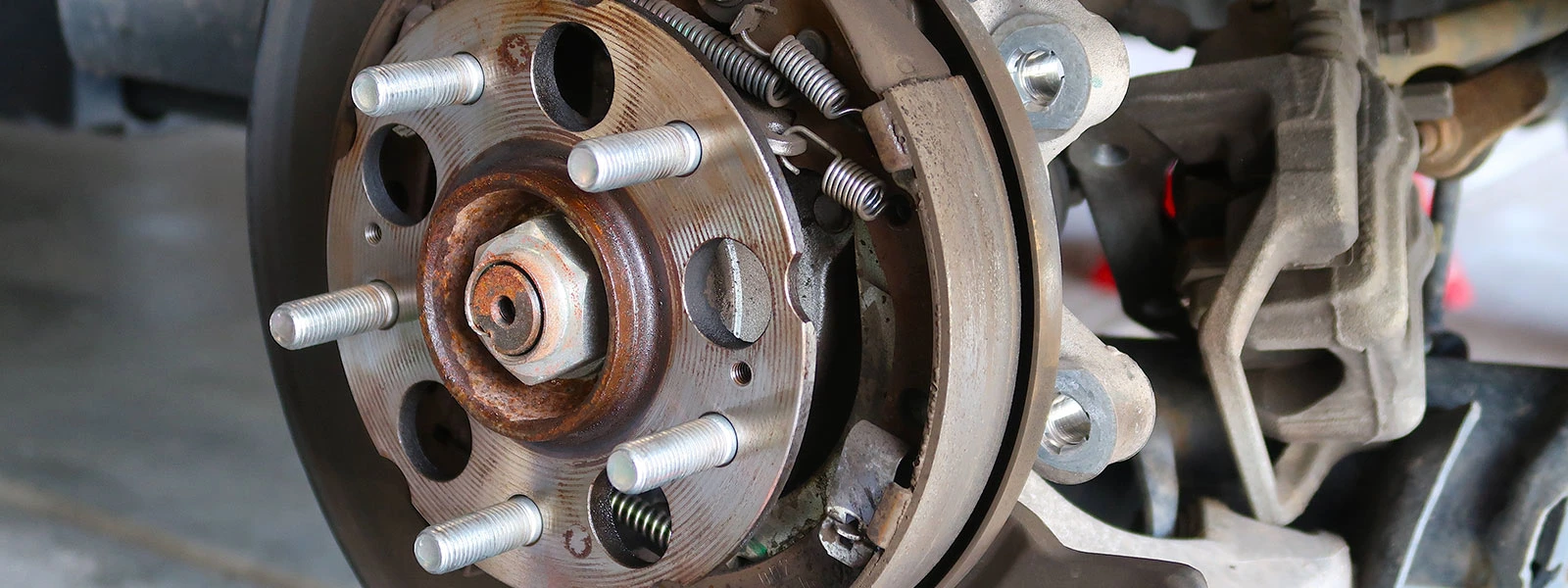
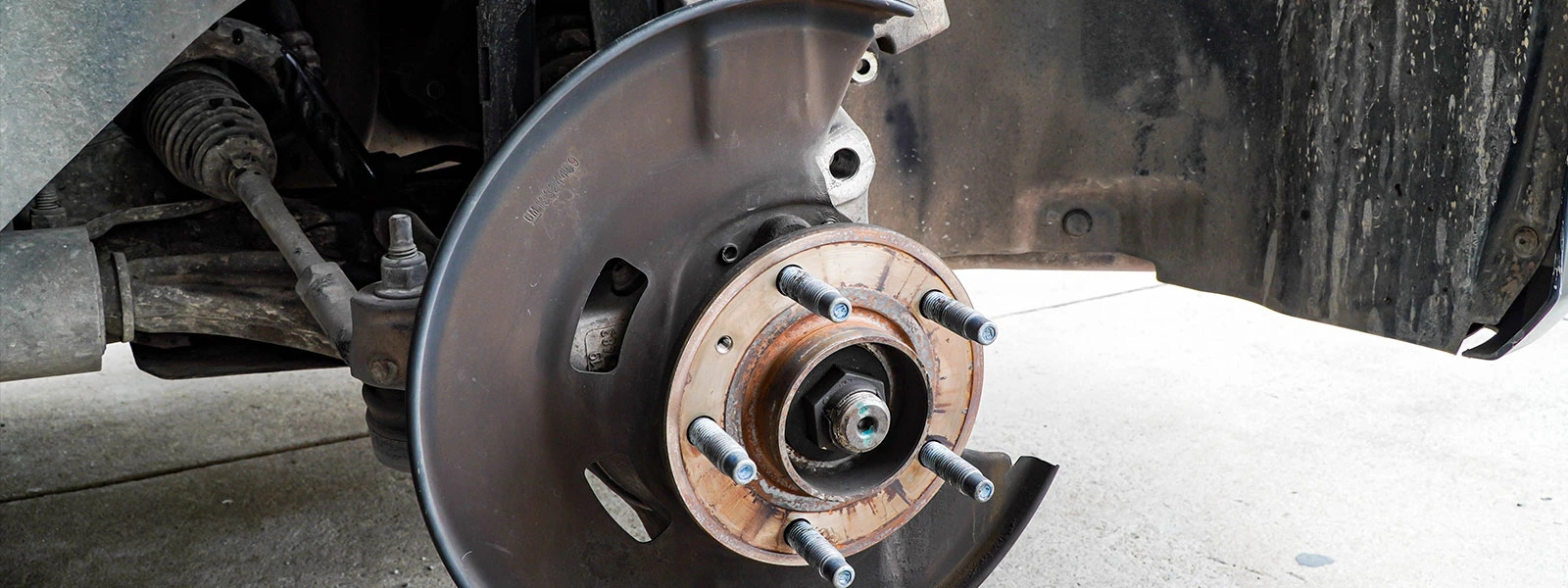
A hub bearing (also called a wheel bearing), as an integral part of the wheel hub assembly, is a crucial part of a car's wheel assembly that provides support for the weight of the vehicle and enables the wheel to spin smoothly. This component consists of an inner and outer race, as well as a set of steel balls or rollers and a cage to keep them in place. By reducing friction and wear, hub bearings help prolong the lifespan of the wheel assembly's moving parts.
Where is the hub bearing located?
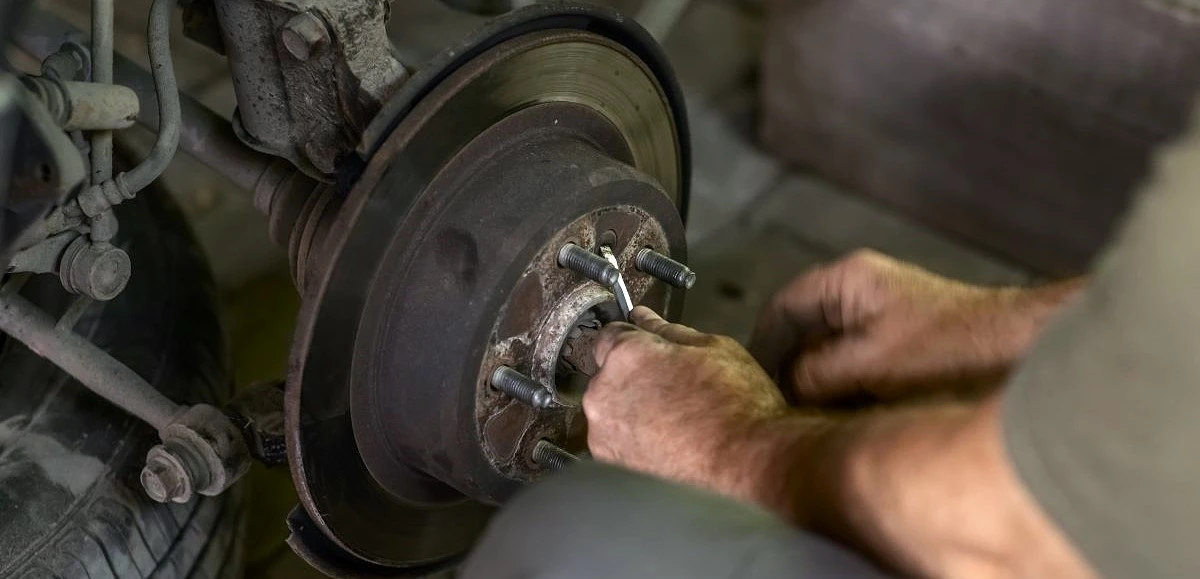
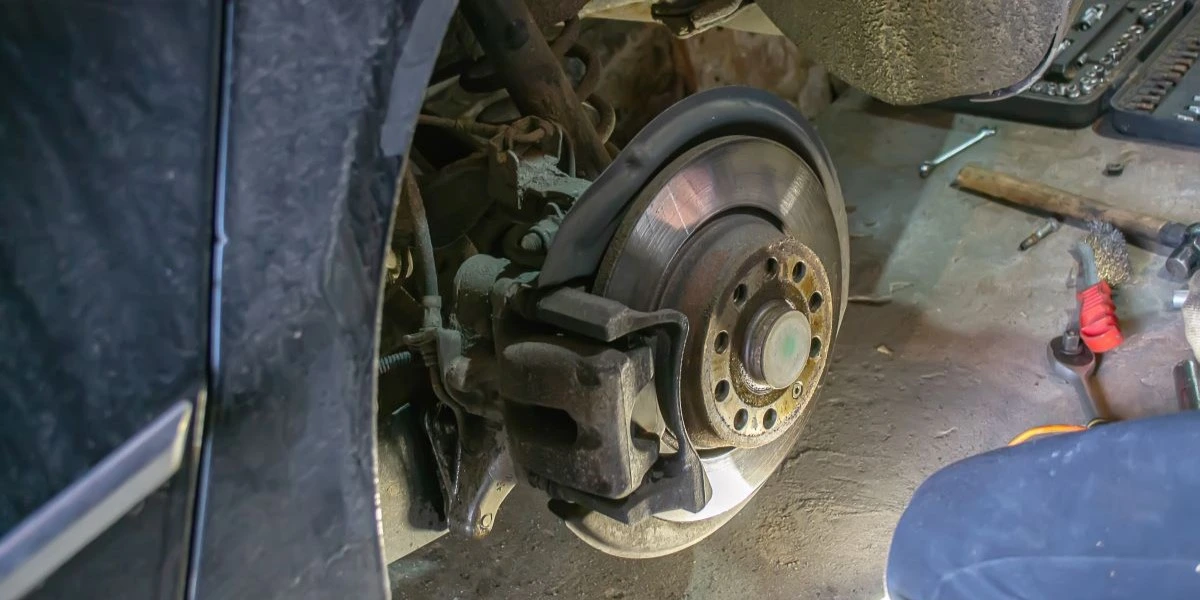
The hub bearing is located at the center of the wheel hub assembly, which is where the wheel is mounted to the car. The wheel hub assembly is typically located behind the brake rotor or drum and is bolted to the steering knuckle or spindle of the vehicle's suspension system.
In a front-wheel-drive vehicle, the hub bearing is located inside the steering knuckle or spindle assembly and is secured in place by bolts or a press fit. The hub bearing is also usually integrated with the wheel speed sensor, which provides information to the vehicle's anti-lock braking system and traction control system. In a rear-wheel-drive or four-wheel-drive vehicle, the hub bearing is usually located on the outer end of the axle shaft or driveshaft, inside the wheel hub assembly. The hub bearing is typically held in place by a retaining ring, and the axle shaft or driveshaft is bolted to the wheel hub assembly. The exact location of the hub bearing can vary depending on the make and model of the vehicle, as well as the specific design of the suspension and steering system. However, in all cases, the hub bearing is a critical component of the wheel assembly.
What does a hub bearing do?
The hub bearing allows the wheel to rotate smoothly with minimal friction while supporting the weight of the vehicle. When the vehicle is in motion, the hub bearing enables the wheel to spin at high speeds with minimal friction, allowing the vehicle to travel smoothly and efficiently. It also helps to maintain stability and control by supporting the weight of the vehicle and the lateral forces that occur when turning or braking. The functions of wheel bearing are essential for ensuring the safe and efficient operation of the wheel assembly and the vehicle as a whole.
How long do hub bearings last?
The lifespan of a hub bearing can vary depending on various factors, including driving conditions and maintenance. In general, a hub bearing can last anywhere from 80,000 to 150,000 kilometers. However, it is important to note that some hub bearings may fail prematurely due to factors such as poor-quality materials or manufacturing defects. Regular maintenance and inspections can help ensure that hub bearings are functioning properly and identify any potential issues before they become more severe.
How to tell if the wheel hub is bad?
Hub bearings, like any other mechanical component, can experience wear and tear over time due to various factors such as age, mileage, driving conditions, and maintenance practices. As the hub bearing ages, it may start to develop issues such as noise, vibration, and reduced performance.
Then how to tell if your hub bearing is damaged? Signs that can indicate a bad wheel hub assembly and help you to diagnose:
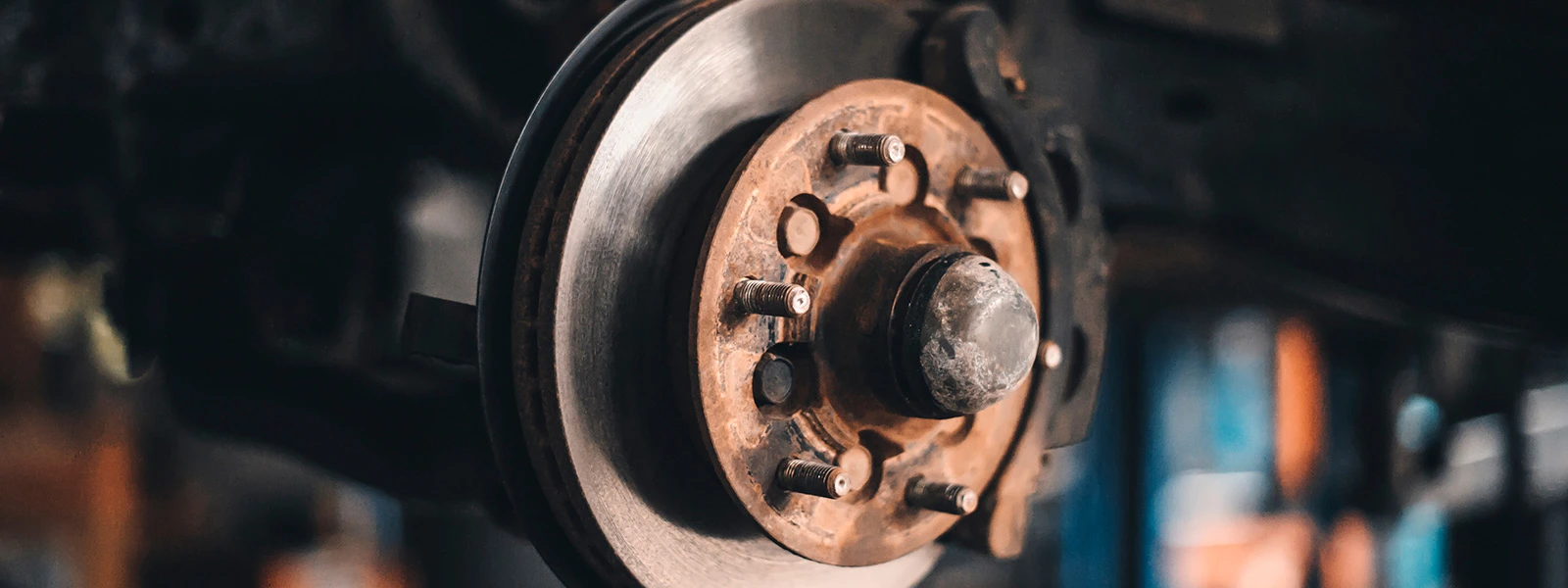
- Unusual noises: One of the most common signs of a bad wheel hub assembly is unusual noises, such as grinding, clicking, or humming. These noises can be caused by worn or damaged bearings inside the hub assembly.
- Steering wheel vibration: If you feel vibrations in the steering wheel or the car itself, it may indicate a bad wheel hub assembly. The vibration may be more noticeable at higher speeds and can be caused by a loose or damaged hub assembly.
- Uneven tire wear: A bad wheel hub assembly can cause uneven tire wear due to the wheel being improperly aligned or wobbling.
- ABS light on: If the anti-lock brake system (ABS) light is on, it may indicate a bad wheel hub assembly. The ABS system uses the speed sensors in the hub assembly to monitor the speed of each wheel, and if one of the sensors is malfunctioning, it can cause the ABS light to come on.
- Loose wheel: If you notice that the wheel is loose or wobbling, it could indicate a bad wheel hub assembly. This can be dangerous, as it can cause the wheel to detach from the vehicle.
Can I drive with a damaged hub bearing?
Driving with a damaged wheel hub bearing can have a number of negative consequences. It can reduce handling and stability, cause uneven tire wear, increase fuel consumption, and lead to brake system problems. In severe cases, it can even cause total wheel failure and lead to serious accidents. It is crucial to have any suspected issues with your vehicle's wheel hub bearing diagnosed and repaired promptly to avoid potentially dangerous situations and costly repairs.


