Symptoms of a Bad Heater Core

Identify and resolve common heater core issues with A-Premium. Learn typical symptoms, effective solutions, and preventive maintenance tips for a reliable and comfortable driving experience.

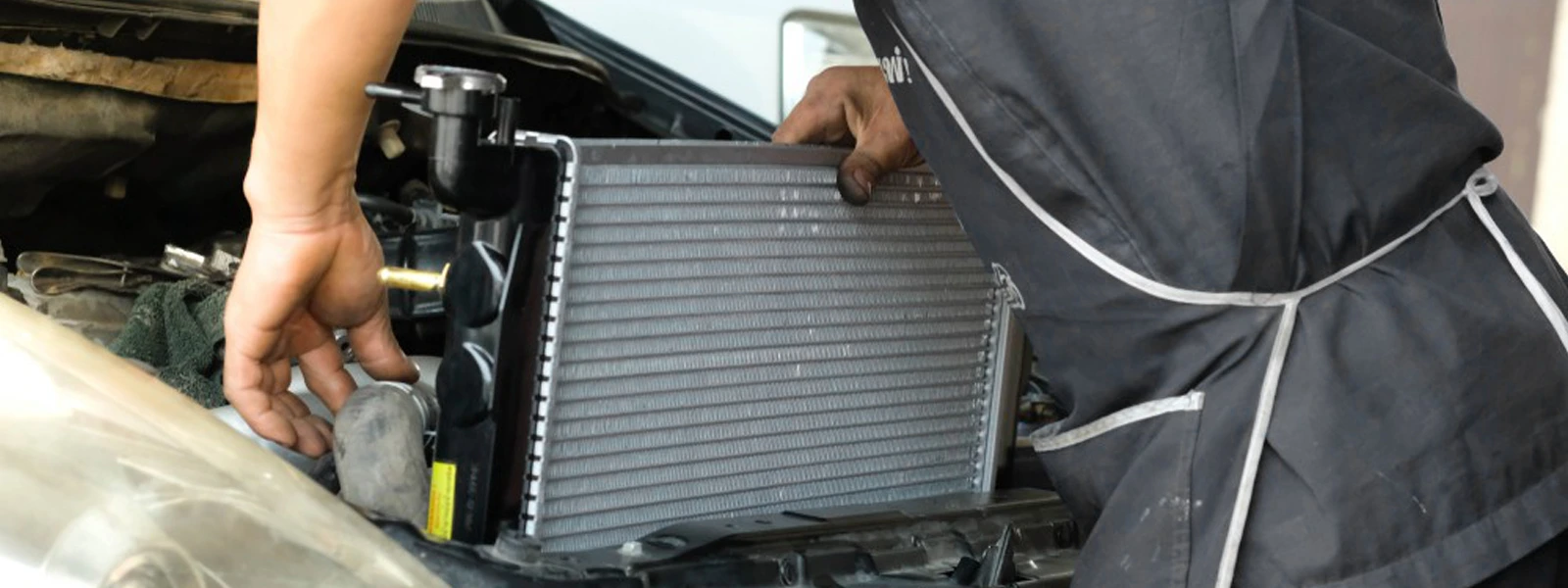

The heater core is an integral component of the vehicle's cooling system. As the coolant flows through the engine, a portion of the heated coolant travels through the heater core located in the dashboard. By manipulating the temperature controls on your dashboard, the blower fan subsequently directs the warmed air to the desired locations, such as defrosting the windshield or heating the interior.
When everything is going just fine, you enjoy exact control over the temperature inside your vehicle. However, a malfunction in the heater core disrupts this control. This inconvenience is not only significant but can also be perilous, particularly when faced with a fogged-up windshield or finding yourself stranded in cold weather.
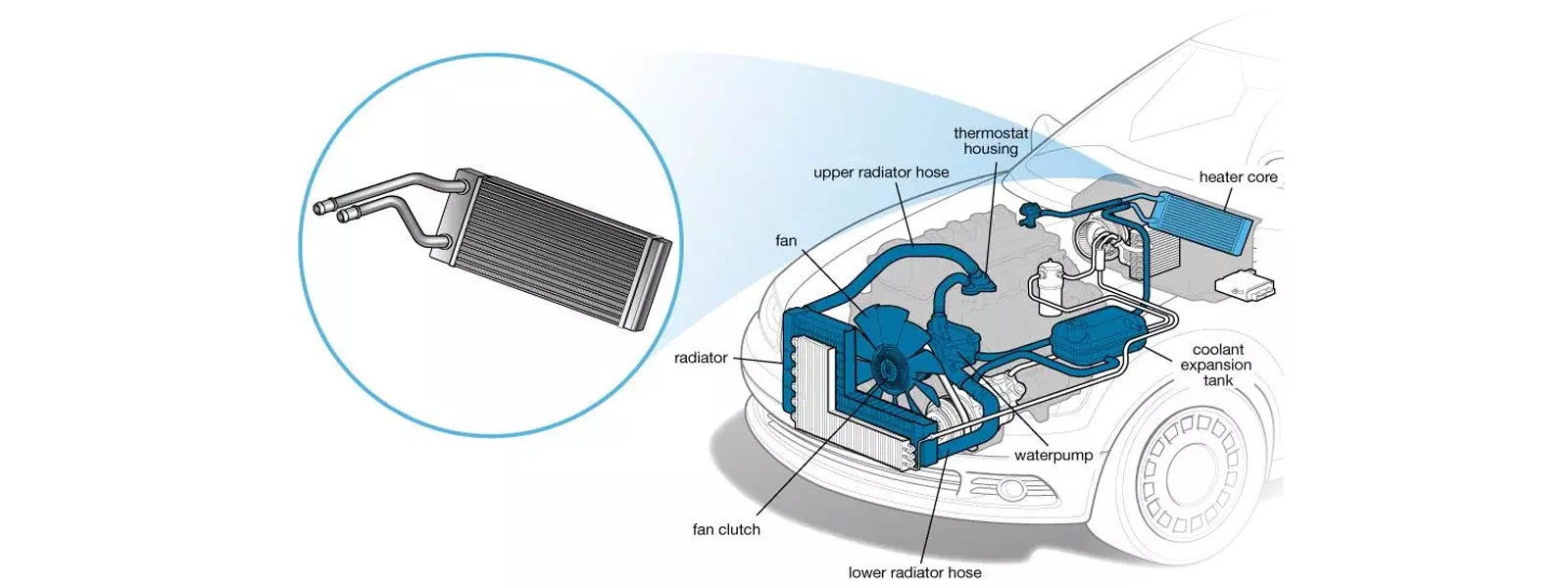
Signs of a bad heater core and how to address them
Heater core problems stand out within a vehicle's cooling and heating system due to their distinctive characteristics. Positioned within the dashboard, the heater core's internal location makes it uniquely challenging to access and diagnose. Unlike singularly focused components, the heater core serves a dual purpose, playing a crucial role in both the cooling and heating systems. Its reliance on coolant circulation makes it susceptible to issues in the broader cooling system, further setting it apart.
The heater core is practically the only part of your vehicle that, when experiencing issues, has the potential to leak directly into the interior. Unlike other components prone to leaks, which usually release fluids onto the ground. So handling heater core problems can be a challenging task.
There are some clear signs suggesting that you might be encountering a problem with the heater core:
1. You experience minimal or no warmth within your
If you notice a lack of warm air when the heater is on, it could be a sign of a heater core problem. Issues such as a clog or malfunction may hinder the proper generation of heat for the interior.
Solution: Check the coolant levels to ensure they are adequate. If the levels are fine, a mechanic may need to inspect the heater core for any blockages or damage. If the heater core is beyond repair, replacement may be necessary.

2. You observe signs of a coolant leak under the dashboard
A leaking heater core can allow coolant to escape and accumulate inside the vehicle. You may observe wetness or pooling of coolant on the passenger-side floor or a damp carpet. This is a clear indication of a coolant leak, and it's important to address it promptly to prevent further damage.
Solution: Identify and repair the source of the coolant leak. This often involves replacing the heater core, as it may be challenging to repair a leaking core effectively.
3. Your windows fog over as a result of moisture buildup
Persistent fogging of the windshield, especially when using the defroster, may signal a coolant leak from the heater core. This can reduce visibility and is a common symptom of a malfunctioning heater core.
Solution: Similar to coolant leakage, resolving foggy windows involves repairing or replacing the heater core to prevent coolant vapor from entering the cabin.

4. You detect the scent of coolant in your car
Coolant has a distinctive sweet or syrupy smell. If the heater core is leaking, the vaporized coolant can be circulated through the vehicle's ventilation system, leading to the presence of this noticeable odor inside the car. Detecting this smell is a clear indication of a potential issue with the heater core.
Solution: Address the coolant leak and replace the heater core if necessary. Additionally, cleaning the affected areas inside the car and ensuring proper ventilation can help eliminate the smell.
5. The coolant level is decreasing
A malfunctioning heater core can contribute to a gradual loss of coolant from the vehicle's cooling system. This often leads to the need for regular top-ups of the coolant reservoir. Monitoring the coolant levels and addressing any unexplained loss is crucial to maintaining the overall health of the vehicle's cooling system.
Solution: Identify and fix the source of the coolant loss. If it's traced to a leaking heater core, replacement is often required. Regularly monitor coolant levels and address any issues promptly.
Preventive Maintenance Tips
Here are the most important 8 preventive maintenance tips for the heater core to avoid malfunctions:
Regular coolant checks: Ensure that the coolant level is within the recommended range. Periodically check the coolant reservoir and top it up if necessary. Low coolant levels can lead to heater core issues.
Coolant flush and replacement: Follow the manufacturer's recommended schedule for coolant flushes and replacements. Over time, coolant can become contaminated, leading to corrosion and deposits that may affect the heater core.
Use quality coolant: Use the manufacturer-recommended coolant type and ensure it meets the vehicle's specifications. Quality coolant helps prevent corrosion and extends the life of the heater core.
Regular heating system operation: Periodically run the heating system, even in warmer weather. This helps circulate the coolant and prevents the heater core from sitting idle for extended periods, reducing the risk of corrosion.
Address cooling system issues promptly: Address any issues with the cooling system promptly. Overheating or other cooling system problems can indirectly impact the heater core. Regular maintenance of the entire cooling system is essential.
Inspect and replace hoses: Regularly inspect coolant hoses for signs of wear, leaks, or deterioration. Replace any damaged or aging hoses to prevent coolant leaks that could affect the heater core.
Keep interior dry: Prevent moisture accumulation inside the vehicle by ensuring there are no leaks in the cabin. Wet carpets or mats can contribute to corrosion and deterioration of the heater core.
Annual HVAC system inspection: Include the heating, ventilation, and air conditioning (HVAC) system in your annual vehicle inspection. A professional inspection can detect potential issues with the heater core and other components.
By incorporating these preventive maintenance tips into your car care routine, you can help extend the life of the heater core and reduce the likelihood of malfunctions. Regular inspections and prompt attention to any issues will contribute to a reliable heating system in your car.


