Signs of a Bad Lower Control Arm and How to Check It Yourself

Is your car making strange noises? Don't wait for a breakdown on the highway. Grab a flashlight this weekend and check your control arms—it's the best way to ensure your vehicle stays "Road Trip Ready."
For most American drivers, the daily commute involves a mix of high-speed interstate merging and navigating local roads filled with potholes or salt-treated winter surfaces. In the middle of all this stress sits a critical but often overlooked component: the Lower Control Arm (LCA).
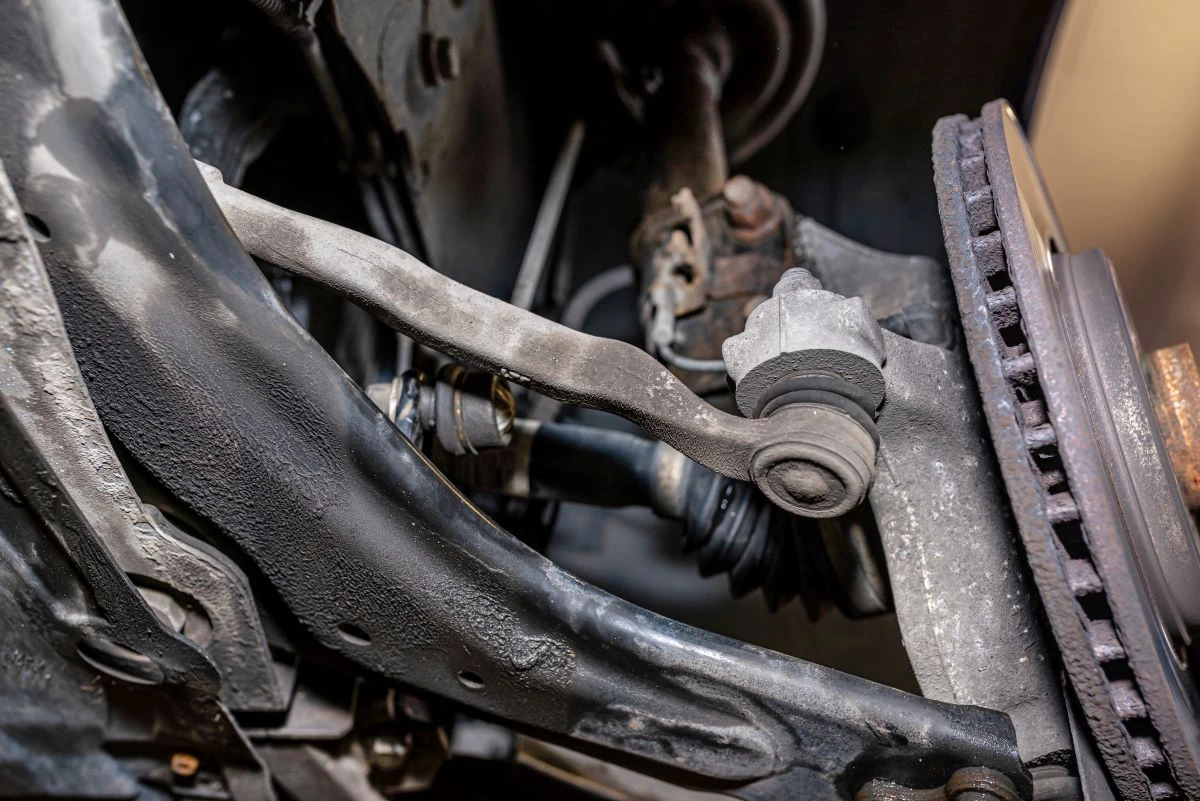
The lower control arm is a key component of your vehicle's suspension system, connecting the wheel hub and steering knuckle to the frame of the car. It keeps the wheels in the correct position and angle, preventing them from wobbling forward, backward, or side-to-side.
When this part starts to fail, it doesn’t just affect your ride quality—it compromises your steering and safety. In this guide, we’ll break down what to look for, what to listen for, and how to perform a professional-grade inspection in your own driveway.

What is a Lower Control Arm?
Think of the control arm as the “hinge” that connects your front wheels to the frame of your vehicle. The lower control arm is a key part of the vehicle's suspension system, connecting the wheel hub and steering knuckle to the vehicle frame and playing a crucial role in stability, handling, and safety. Control arms allow for smooth up and down movement of the wheels, helping to maintain proper wheel alignment and absorb shocks from the road. They are typically shaped like a wishbone or an 'A', which allows them to move with the suspension while maintaining tire contact with the road.
-
The Bushings: The two lower parts of the control arm are attached to the frame via control arm bushings, which are rubber pivot-points that allow for movement and act as shock absorbers to dampen road noise.
-
The Ball Joint: A pivot point that allows your wheels to turn and move up and down simultaneously.
In the US, where heavy SUVs and trucks are common, these components take a massive amount of abuse from weight and road debris. Lower control arms are found on virtually all vehicles, while upper control arms are typically found only in complex suspension systems.

Causes of Lower Control Arm Failure
The lower control arm is a vital link in your vehicle’s suspension system, connecting the frame to the steering knuckle and helping your wheels maintain proper alignment and contact with the road. When this component fails, it’s rarely due to a single issue—multiple factors can contribute to its decline.
- Worn Bushings: One of the most common culprits is worn bushings. Over time, these rubber components lose their flexibility, leading to increased play in the control arms. This can result in uneven tire wear, poor handling, and those unmistakable clunking noises when driving over bumps.
- Faulty Ball Joints: Similarly, a faulty ball joint—another key part of the lower control arm assembly—can cause the arm to become loose, leading to vibrations in the steering wheel and a noticeable drop in suspension performance.
- Environmental Stress: Damage to the steering knuckle, which connects the control arm to the wheel assembly, is another contributing factor. If the steering knuckle or other suspension components are worn or damaged, the entire system can become unstable, affecting both the right lower control arm and left lower control arm. Driving on rough roads, hitting potholes, or frequently encountering bumps can accelerate this wear, leading to more severe issues like poor handling and uneven tire wear.
Neglecting regular maintenance or failing to address early signs—such as noises, vibrations, or changes in steering—can allow minor problems to escalate. Left unchecked, a bad lower control arm can put extra stress on related parts, including bushings, ball joints, and even the frame and support components of your vehicle.
Prevention is key. Regularly inspecting your suspension system, especially after driving on rough roads, can help you catch issues early. If you notice symptoms like clunking, vibrations, or uneven tire wear, it’s time to check your lower control arms and related parts. Replacing a faulty lower control arm with a high-quality, direct-fit auto part—like a best seller from a reputable online store—can restore your vehicle’s suspension performance and prevent further damage.
When shopping for replacement parts, always ensure compatibility with your vehicle’s make and model. Adding the correct lower control arm to your cart and checking out is simple with A-Premium’s wide selection and guaranteed fit. Depending on the extent of the damage, you may also need a wheel alignment or additional repairs to other suspension components. For complex jobs or if you’re unsure, consulting our professional customer service team.
By staying proactive with maintenance, addressing issues promptly, and choosing quality replacement parts, you can keep your suspension system in top shape—ensuring a smooth, safe ride and avoiding costly repairs down the road.

5 Red Flags of a Failing Lower Control Arm
You don’t need to be a mechanic to notice when things are going south. You can find common signs of a failing lower control arm by paying attention to your vehicle's handling and inspecting key components. Worn bushings or ball joints can indicate potential issues with the lower control arm, affecting both handling and safety. Visual signs of a faulty lower control arm include clunking noises, unstable steering, excessive vibrations, and uneven tire wear. A faulty lower control arm often causes clunking noises, steering wheel vibration, pulling to one side, and uneven tire wear. Watch out for these “bad signs”:
1. The "Clunk" from Underneath
If you hear a metallic clunking or snapping sound when driving over speed bumps, potholes, or when shifting from Drive to Reverse, your control arm bushings are likely torn. The sound is literally the metal arm hitting the metal frame because the rubber cushion is gone.
2. Steering Wander
Does it feel like your car has a mind of its own? If you’re driving on a flat highway like the I-95 and the car constantly pulls to the left or right, or the steering feels "loose" and vague, the control arm is no longer holding the wheel in a fixed position.
3. Vibration in the Steering Wheel
Worn bushings or a loose ball joint can cause the wheel to oscillate. This vibration usually gets worse during acceleration or at high highway speeds (60–70 mph).
4. Unstable Braking
When you hit the brakes, the weight of the car shifts forward. If the control arm is loose, the wheel itself might move slightly backward within the wheel well. This causes the car to "dart" to one side during braking, which can be terrifying in an emergency stop.
5. Uneven Tire Wear
Check your front tires. Is the inner or outer edge wearing down faster than the rest of the tread? This "cupping" or "feathering" often points to a control arm that has thrown your alignment out of spec.

How to Check Your Lower Control Arms (DIY Steps)
Checking your suspension at home can save you a $100 diagnostic fee at the dealership. Here is how to do it safely.
Tools You’ll Need:
-
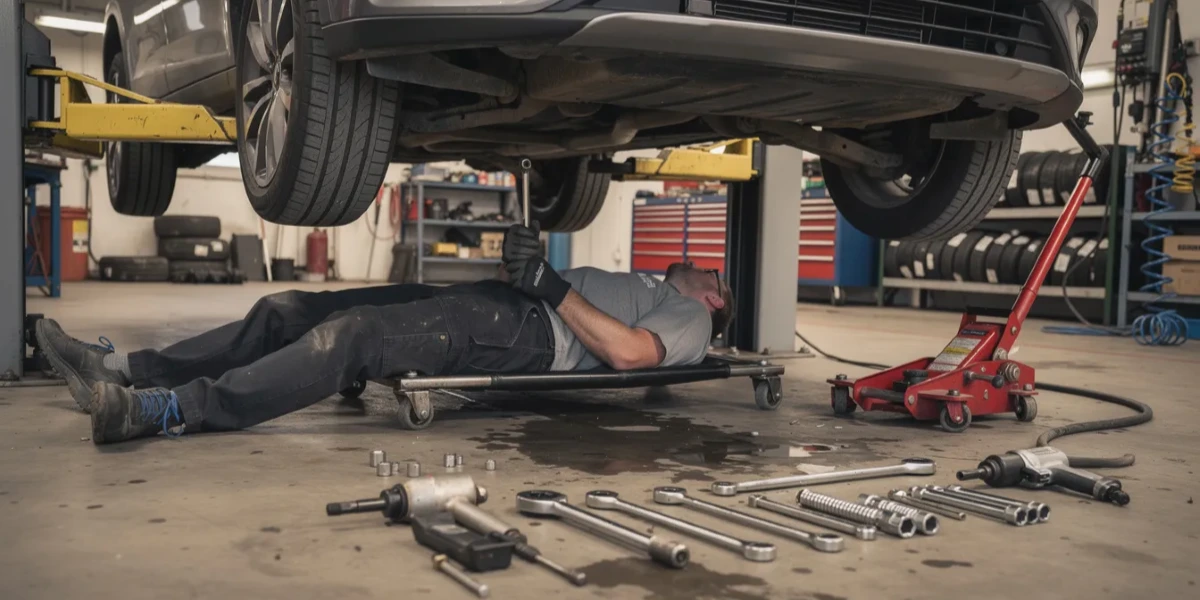
A floor jack and jack stands (Never work under a car supported only by a jack).
-
A flashlight.
-
A pry bar (or a long, sturdy screwdriver).
Step 1: The "Visual" Inspection
Park on a level surface and turn the wheels all the way to one side. Use your flashlight to look behind the wheel.
-
Check the Bushings: Look for dry rot, deep cracks, or chunks of rubber missing.
-
Check the Ball Joint: Look for a torn rubber boot or leaking grease. If the grease is gone, the joint is dying.
Step 2: The "Shake" Test
-
Jack up the front of the car and secure it on jack stands.
-
Grip the tire at the 6 o'clock and 12 o'clock positions. Shake it firmly.
-
Grip the tire at 3 o'clock and 9 o'clock and shake again.
-
The Result: You should feel zero "play." If the wheel clicks or moves independently of the car, your ball joint or control arm bushings are shot.
Step 3: The Pry Bar Test (The Pro Method)
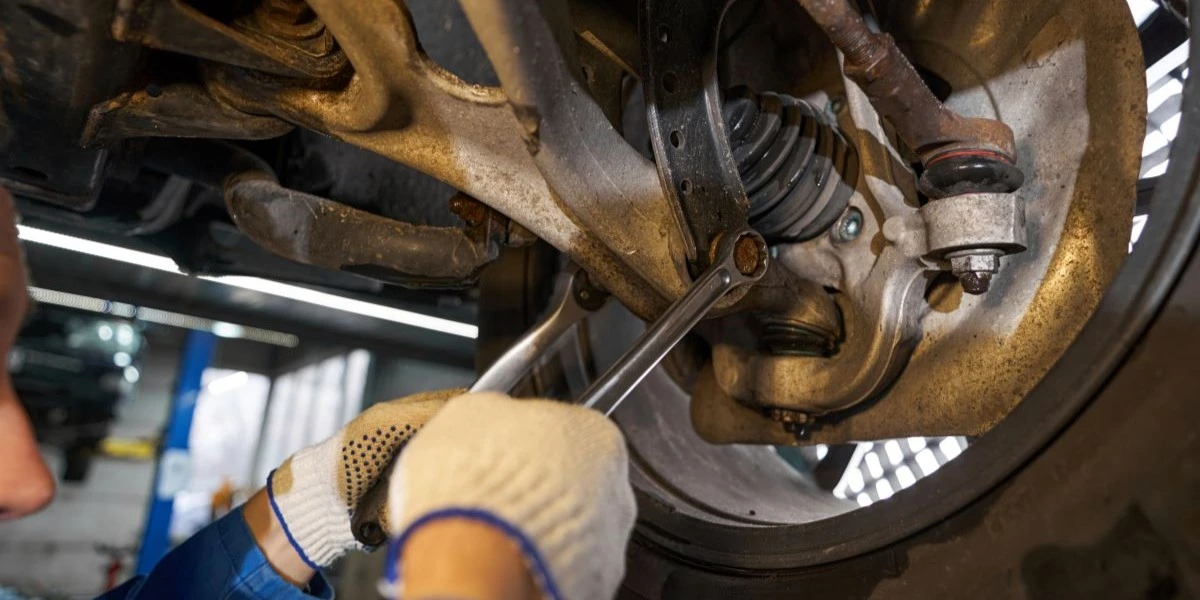
Slide under the car (ensuring it’s secure on stands). Insert your pry bar between the control arm and the vehicle frame near the bushing.
-
Apply pressure. A healthy bushing should have very little "give."
-
If the arm moves easily or you see the rubber separating from the metal sleeve, it’s time for a replacement.
Why You Shouldn’t Ignore the Problem
A failed control arm is more than just an annoyance. If left unaddressed, a damaged lower control arm can lead to uneven tire wear, handling issues, and even misalignment, which may lead to further damage to your vehicle's suspension and steering components. In extreme cases, the ball joint can snap, causing the wheel to fold outward while you’re driving. This usually leads to a total loss of steering and significant body damage. A functioning lower control arm is essential for stable handling and comfort, as it directly affects the suspension's ability to respond to road conditions.
Should I replace one or both?
Suspension parts live the same life. If the driver’s side lower control arm is worn out, the passenger’s side usually isn't far behind. We recommend replacing them in pairs to keep your handling symmetrical.
Do I need an alignment afterward?
Yes. Always. Replacing a control arm changes the geometry of your suspension. If you skip the alignment, you’ll likely ruin a brand-new set of tires within a few months.


