Starter vs. Alternator vs. Battery: How to Tell Which One Is Killing Your Engine

When your vehicle refuses to start, pinpointing the issue within your electrical system can prevent costly misdiagnoses.

It is a scenario every driver dreads: you jump into your car, turn the key or press the start button, and... nothing. Maybe you hear a rapid clicking sound, a slow, painful mechanical groan, or absolutely nothing at all. When your vehicle refuses to ignite the fuel inside its internal combustion engine, it is easy to panic.
In modern vehicles, including both heavy-duty trucks and fuel-efficient compact cars, the electrical system relies on a delicate "holy trinity": the battery, the starter motor, and the alternator. If just one of these components suffers from degraded performance, the entire system collapses, leaving your engine dead. But how do you pinpoint the exact culprit without throwing money at the wrong parts? Let us break down how this electrical loop works, how to diagnose the failure, and how to get your vehicle back on the road.
How Do the Battery, Starter, and Alternator Work Together to Create Motion?
To understand why your engine will not run, you need to understand how a standard gasoline engine or diesel engine comes to life. Unlike an ancient steam engine or external combustion engine that relies on continuous external heat and steam pressure, a modern internal combustion setup requires an external mechanical force just to take its first breath.
Here is the exact sequence of how these parts interact to create motion:
-
The Battery Provides Electricity: When you turn the key, the battery sends a massive surge of stored chemical energy in the form of electricity to the starter motor.
-
The Starter Turns the Crankshaft: The starter uses this electrical power to force the crankshaft into rotation. This initial mechanical torque forces the piston up and down inside each cylinder.
-
Combustion Takes Over: As the piston moves, air flows through the intake valves, mixing oxygen with gasoline. The spark plug ignites the air-fuel mixture inside the combustion chamber. As the gases burn and rapidly expand, they drive the pistons down in a continuous line, forcing the crankshaft to convert linear motion into circular motion.
-
The Alternator Recharges the Loop: Once the engine runs on its own, the starter disengages. The running engine now drives the alternator via a serpentine belt. The alternator generates electricity to power your vehicle's electronics and refills the battery's energy reservoir.
What Are the Symptoms of a Bad Battery vs. Starter vs. Alternator?
When your electrical loop fails, each component leaves specific clues or details. Recognizing these signs can save you from a costly misdiagnosis.
Signs of a Failing Car Battery
The battery is simply a storage tank. Over recent years, chemical degradation causes it to lose its ability to hold a charge.
-
The Rapid Click: When turning the key, you hear a fast click-click-click. This means the battery has enough compression of energy to click the starter relay, but not enough to spin the motor.
-
Dimming Interior Lights: If your dashboard lights look flat and dim before you even try to start the car, the battery is depleted.
-
The "Jump-Start" Clue: If the vehicle starts immediately with a jump from another car but refuses to restart after you turn it off, the battery cannot retain power.
Signs of a Bad Starter Motor
The starter is a heavy-duty electric motor that handles immense mechanical stress.
-
The Single Loud Click: You turn the key, the dashboard lights are perfectly bright, but you hear a single, sharp, metallic clunk. The starter solenoid is engaging, but the internal motor or bearings have seized.
-
Whining or Grinding Noises: If the starter gears do not engage properly with the engine flywheel, you will hear a loud, screeching sound as the metal teeth grind against each other.
-
Smoke or Burning Odor: Forcing a stuck starter to draw power creates massive electrical resistance, generating extreme heat that can literally melt the wiring inside the motor.
Signs of a Failing Alternator
The alternator is your vehicle's mobile power plant. When it dies, your car runs entirely on battery power until it drains it dry.
-
Growling or Whining Noises: Internal bearings inside the alternator can wear out over time, producing a distinct mechanical whine that changes pitch with engine RPM.
-
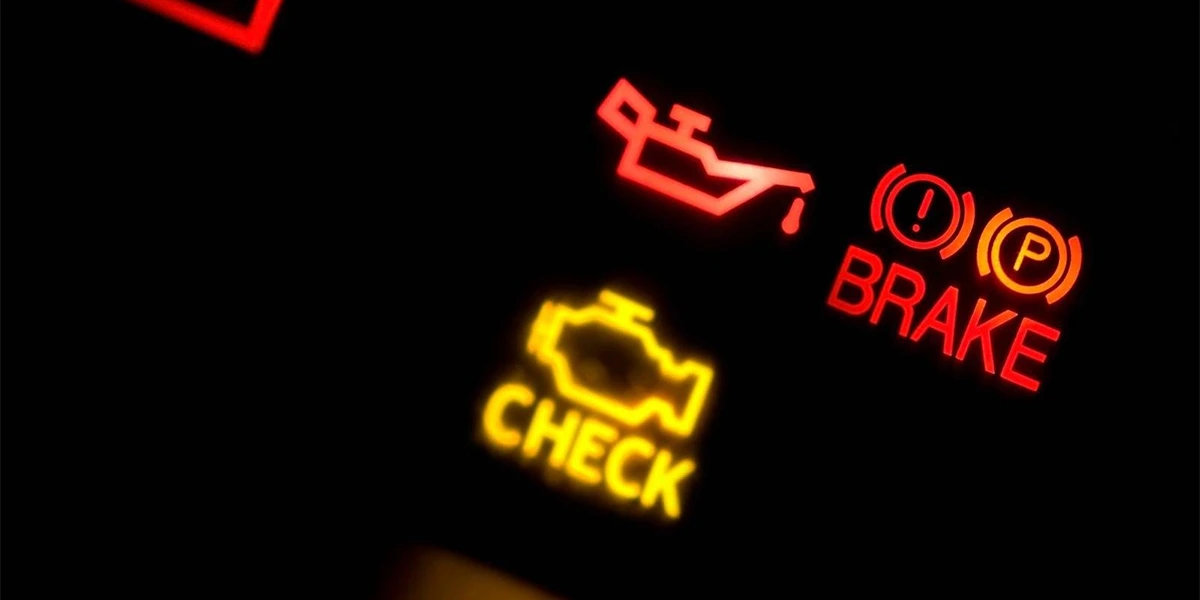
The Battery Light Illuminates: A dashboard warning light shaped like a battery usually indicates that the alternator's electrical output has dropped below required parameters.
-
The Driving Die-Out: If your vehicle starts fine, but while driving, your headlights fade, the radio shuts off, and the engine suddenly stalls, the alternator has failed to maintain electrical system flow.
How Can I Diagnose Which Component Has Failed?
You do not need an advanced engineering degree to test these components. With a simple digital multimeter and a few basic steps, you can confidently pinpoint the issue.
Step 1: The Visual Inspection
Before testing electronics, check the physical connections. Look at your battery terminals. Are they covered in a white, powdery corrosion? Corroded terminals act like a blockage, restricting electrical flow. Clean them with a wire brush and verify all connections are tight and straight.
Step 2: The Multimeter Static Battery Test
Turn off the vehicle and set your digital multimeter to DC volts. Place the red probe on the positive battery terminal and the black probe on the negative terminal.
-
A healthy battery should read between 12.6V and 12.8V.
-
If it reads below 12.0V, it is severely discharged and needs to be charged before further testing.
Step 3: The Engine Cranking Test (Testing the Starter)
Have an assistant watch the multimeter while you attempt to start the engine.
-
If the voltage drops drastically below 10V while cranking and the engine groans slowly, the battery is weak or worn out.
-
If the voltage stays high (around 12V), but the engine does not turn over at all, the electricity is reaching the starter, but the starter motor itself is dead.
Step 4: The Running Charging Test (Testing the Alternator)
If you successfully jump-start the engine, keep it idling and place the multimeter probes back onto the battery terminals.
-
A functional alternator should instantly push the voltage up to between 13.5V and 14.7V.
-
If the reading stays at 12V or steadily drops while the engine runs, your alternator is failing to produce electricity and is actively draining your battery.
Does a Failed Component Create a Chain Reaction?
A major pain point for many customers is realizing that ignoring one bad component can quickly ruin the others. Because these three parts operate in a continuous loop, a failure in one imposes severe collateral damage on the rest of the system.
For example, if your alternator stops charging efficiently, your battery is forced to compensate by powering the entire vehicle, causing deep discharge cycles that destroy its internal cells. Conversely, a shorted, dying battery forces the alternator to work at maximum output constantly, overheating its internal voltage regulator and burning out its bearings.
Expert Recommendation: While you do not always need to replace all three parts simultaneously, you should always test your battery after replacing a bad alternator, and vice versa. Replacing a dead starter or alternator while leaving a damaged, degraded battery in the vehicle will only stress your brand-new components.


Why Choose A-Premium Premium Rotating Electrical Parts?
When it comes to replacing vital electrical components like your starter or alternator, cutting corners on quality is a risky gamble. Low-grade components can fail prematurely, leaving you stranded once again.
A-Premium aftermarket components offer a reliable, direct-fit solution that meets or exceeds OEM quality standards while saving up to 30% in cost compared to dealership prices.
-
100% Brand New Components: A-Premium alternators and starters are manufactured using completely new structural casings, premium internal copper wiring, and upgraded bearings—never rebuilt or remanufactured from old cores.
-
Guaranteed Compatibility: Every unit is precision-engineered to perfectly match your vehicle's specific make, model, and engine configuration, ensuring original mounting points and wiring harness connections align seamlessly to reduce installation complexity.
-
Risk-Free Purchasing: Enjoy peace of mind with an industry-leading warranty, 90-day free returns, and free shipping straight to your doorstep on all orders.
People Also Ask (FAQs)
Can a bad alternator drain a car battery when the car is off?
Yes. If the internal diodes inside the alternator fail, they can allow electricity to flow backward through the circuit even when the ignition is turned off, completely draining a healthy battery overnight.
Why does my car jump-start but die immediately after the cables are removed?
This is a classic sign of a dead alternator. The jump-start provides enough external power to spark the engine, but once the cables are removed, the vehicle depends entirely on the alternator for electrical current. If the alternator cannot produce power, the ignition system starves and the engine dies.
How long do starters and alternators generally last?
While a battery typically needs replacement every 3 to 5 years, starters and alternators are built much tougher. They generally last between 80,000 to 150,000 miles, depending on driving habits, climate conditions, and overall engine maintenance.


