Starter Replacement: Everything You Need To Know

Discover the key insights and step-by-step instructions for a successful starter replacement with A-Premium.
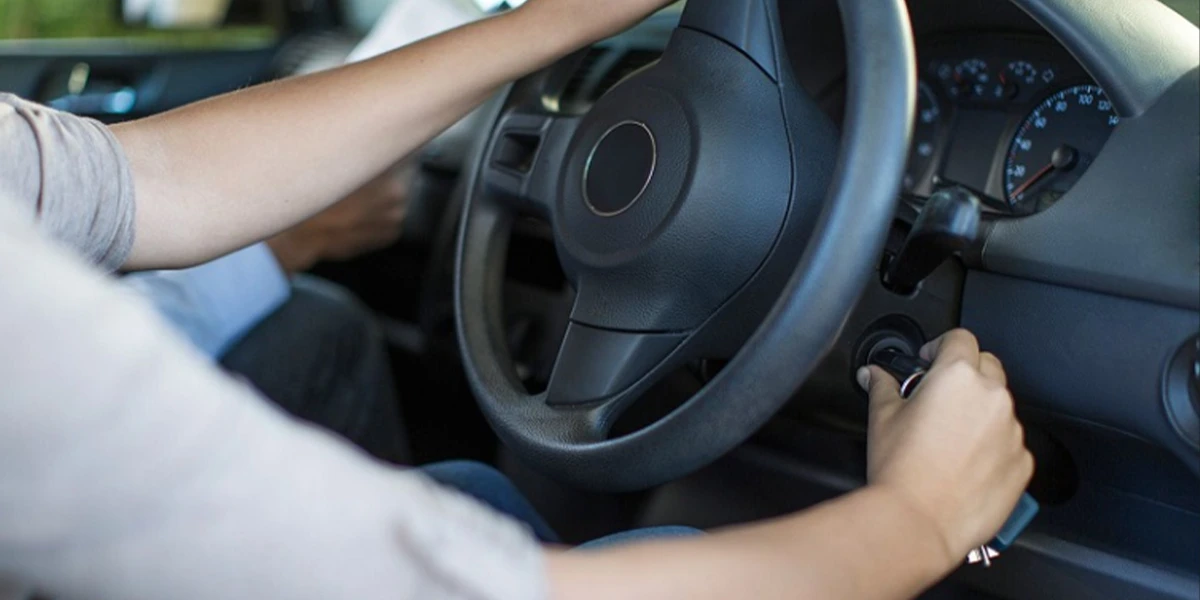
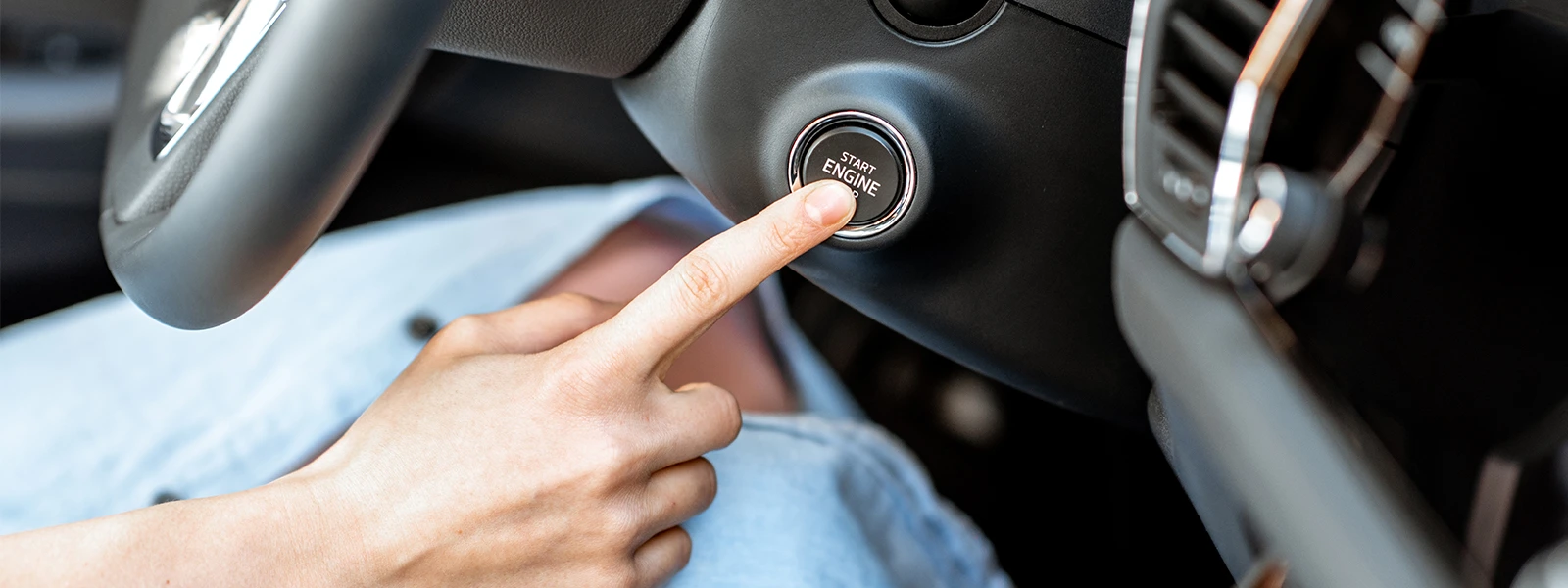
Your car's engine roars to life at the turn of a key or the push of a button. But have you ever wondered about what is behind this everyday automotive miracle? It's the starter, a small yet vital component that kickstarts your vehicle's engine, quite literally. Most vehicles rely on an electric starter motor to initiate the engine's operation. A standard starter motor has the capacity to rotate the engine at speeds ranging from about 200 to 300 RPM and draws its power from your car's battery. Any starter malfunction or problem can render starting your vehicle a challenging or even impossible task.
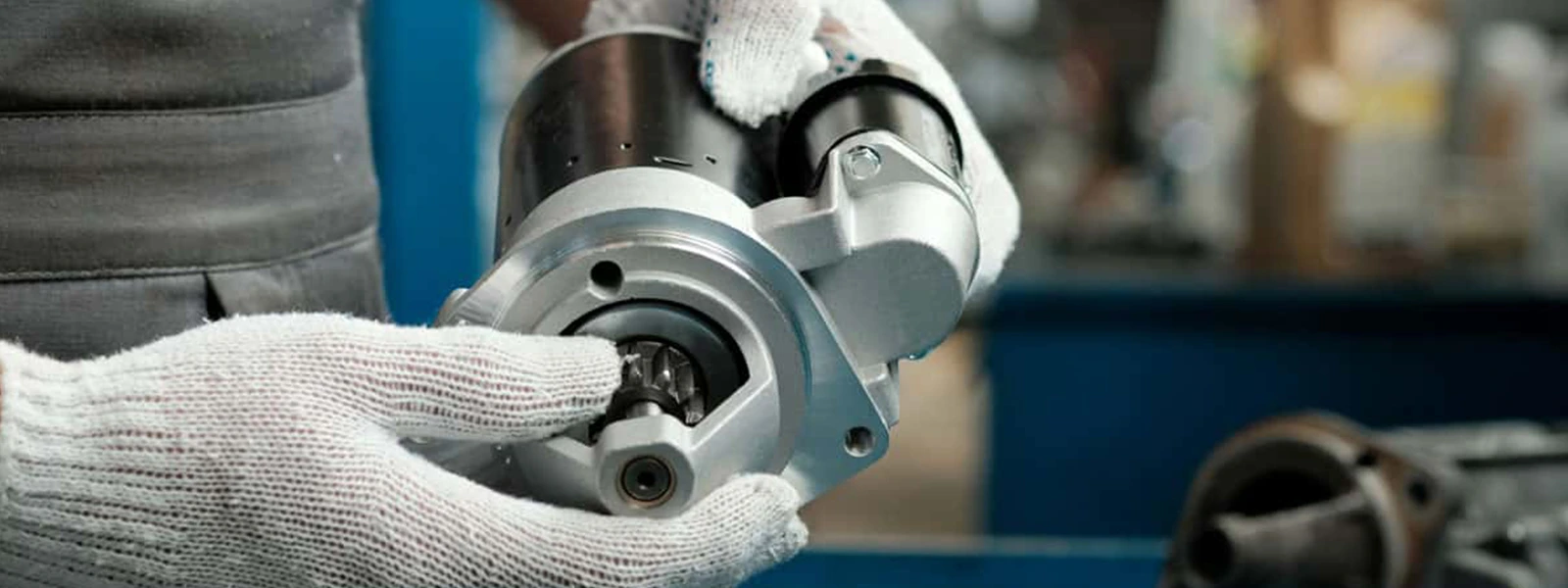
How much does it cost to replace a starter?
The cost of a starter replacement typically includes several components and services necessary to complete the job effectively.
The cost of a starter motor itself can range from $50 to $200 or more, depending on the quality, brand, and compatibility with your vehicle. You can choose a brand-new starter or a refurbished one. A brand-new starter can range from $80 to over $350. Economy or aftermarket starters are typically the least expensive option and can range from $80 to $200. OEM starters tend to be of higher quality and can range from $150 to $350 or more. If you have a specialized vehicle or require a high-performance starter, the cost can exceed $350. If you hire a professional mechanic to replace the starter, you can expect labor costs to add to the total. Labor rates can vary significantly by location and mechanic, but it can be anywhere from $100 to $300 or more.
In total, you might be looking at a starter replacement cost ranging from $150 to $500 or more. Keep in mind that these are just rough estimates, and the actual cost can vary. To get an accurate estimate for your specific vehicle, it's best to contact local mechanics or automotive shops for quotes.

Do you need to repair or replace your starter?
Determining whether you need to repair or replace your starter depends on the specific symptoms and condition of your starter.
You should consider repairing your starter if:
Intermittent Issues: Your starter occasionally fails to engage, which could be due to minor problems like loose wires or corroded connections.
Solenoid Problems: The issue primarily lies with the starter solenoid, which can often be replaced separately, saving you money.
Minor Electrical Problems: Some starter problems may be related to electrical components like the ignition switch or relays, which can be repaired.
On the other hand, you should opt to replace your starter if:
Consistent Failure: Your starter consistently fails to crank the engine, especially after multiple repair attempts, indicating significant wear or damage.
Noisy Operation: Unusual sounds, such as grinding or clicking during startup, suggest internal mechanical damage, and replacing the starter is usually the best choice.
Visible Damage: If you can see physical damage to the starter, like cracks or broken parts, replacement is necessary.
Excessive Wear: If your starter is old and has seen many years of use, internal components may be worn out, making replacement more reliable.
Cost of Repairs: If the cost of repairs is close to or exceeds the cost of a new starter, replacement is often the more cost-effective option.
Warranty: New starters often come with warranties, offering added peace of mind for future issues.
For a definitive decision, it's advisable to have a qualified mechanic inspect your starter and provide you with an estimate for both repair and replacement, taking into account your starter's condition and your budget.
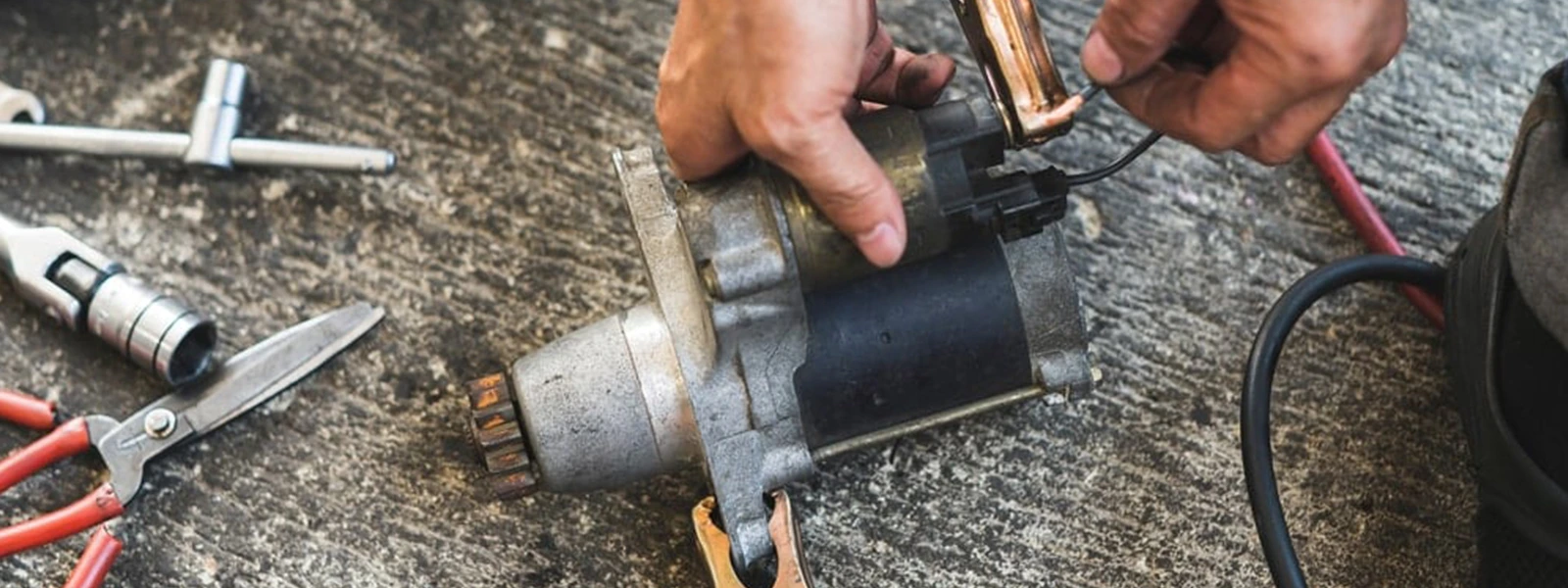
A step-by-step replacement guide
If you decide to handle the replacement yourself, replacing the entire starter can be a practical DIY project for those who possess the appropriate tools and expertise. To replace an engine starter by yourself, you can follow these general steps.
Step 1: Safety first
- Put on safety gear, including gloves and safety glasses.
- Disconnect the car battery's negative terminal to prevent electrical accidents.
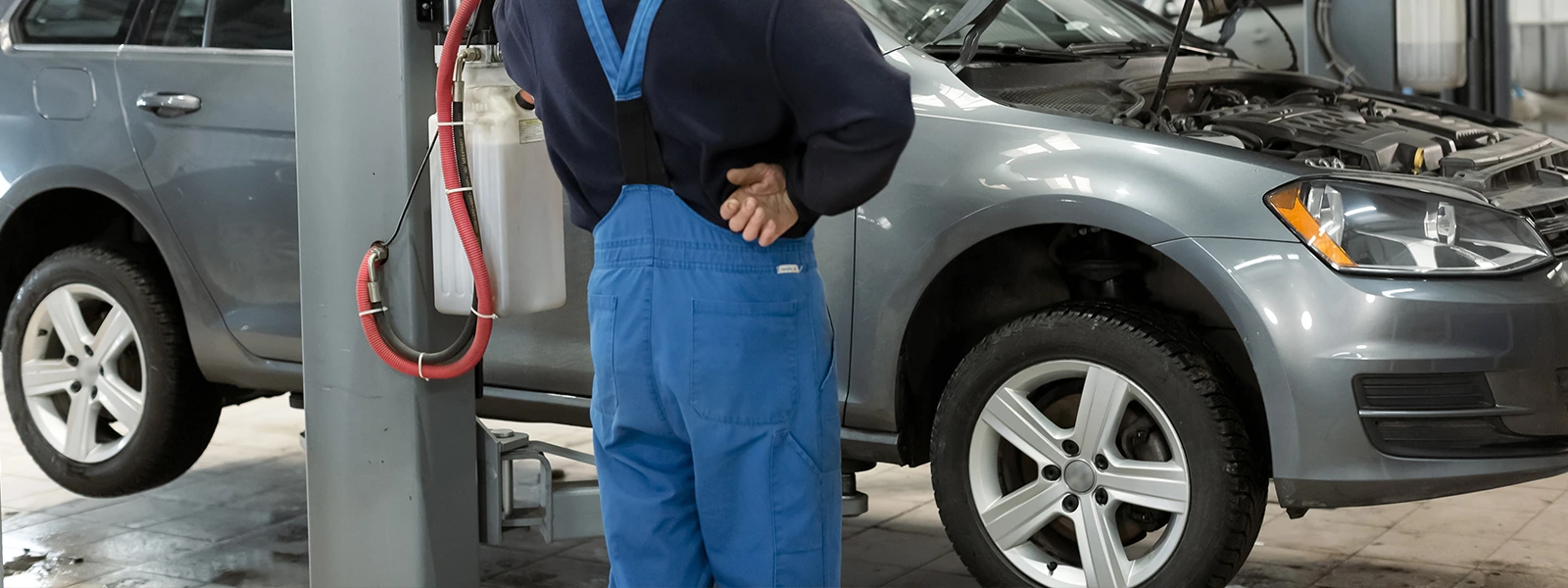
Step 2: Locate the starter
- Refer to your vehicle's service manual to find the starter's location.
Step 3: Raise and secure the vehicle
- Use a jack to lift the front of your vehicle and secure it with jack stands for safety.
Step 4: Remove components blocking access
- Take off any parts that block access to the starter, following the service manual.
Step 5: Disconnect electrical connections
- Carefully disconnect all wires and connectors from the starter.
Step 6: Remove mounting bolts
- Unscrew the starter's mounting bolts using the appropriate wrenches or sockets.
Step 7: Take out the old starter
- Carefully slide or wiggle the old starter out from its mounting position.
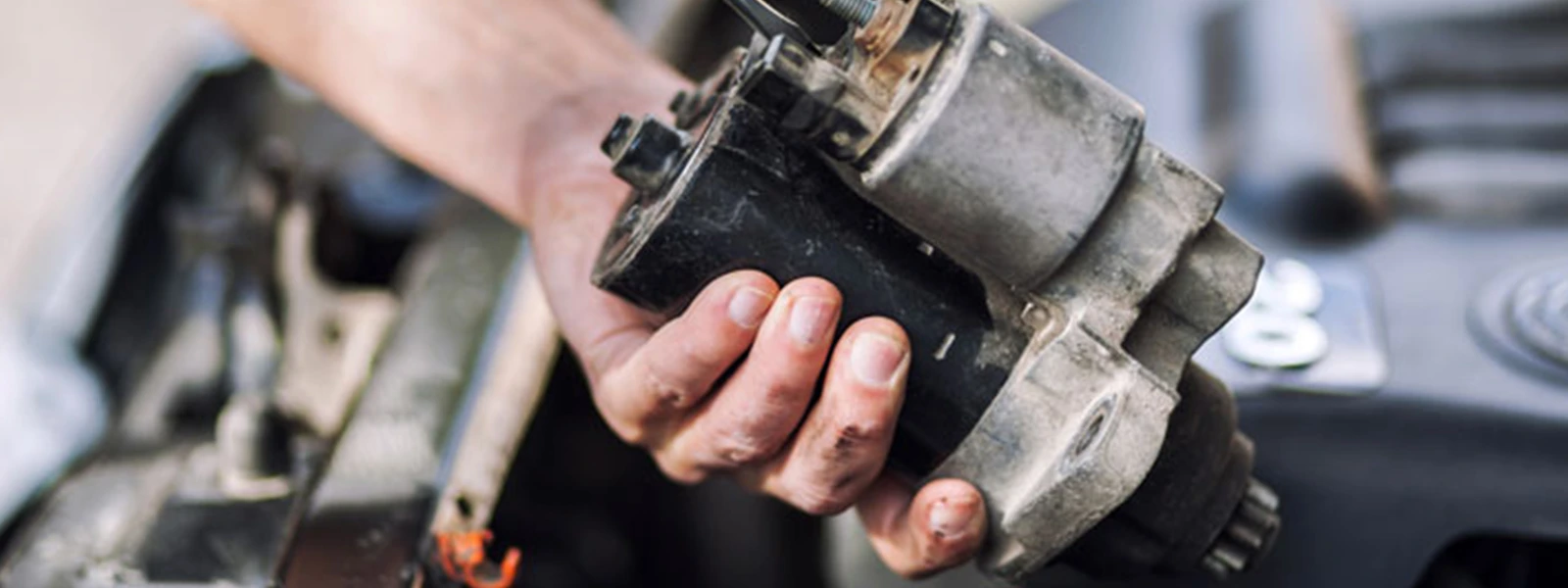
Step 8: Install the new starter
- Carefully position the new starter in its mounting location.
- Secure it in place by tightening the mounting bolts to the manufacturer's specified torque
Step 9: Reconnect electrical connections and lower the vehicle
- Reattach all wires and connectors, ensuring they are securely fastened.
- If you removed any parts to access the starter, reassemble them according to the service manual.
- Lower your vehicle from the jack stands.
Always consult your service manual for specific details and torque specifications. If you're unsure about any step or encounter difficulties, seek professional help or advice.
Find good starters at A-Premium
Looking for a reliable engine starter to keep your vehicle running smoothly? Look no further! Shop the engine starter that fits your car at A-Premium.com now! We offer a wide selection of top-quality engine starters, all at competitive prices. With our convenient online shopping experience and fast, reliable shipping, finding the perfect starter for your vehicle has never been easier.


