Spring Car Maintenance Guide: Tips for Keeping Your Car in Optimal Condition

Get your car ready for spring! From interior sterilization to anti-corrosion paint protection, discover professional tips to deep-clean your vehicle's A/C system, prevent rubber aging, and maintain that 'new car' feel as the weather warms up.



1. Moisture-proof and sterilization
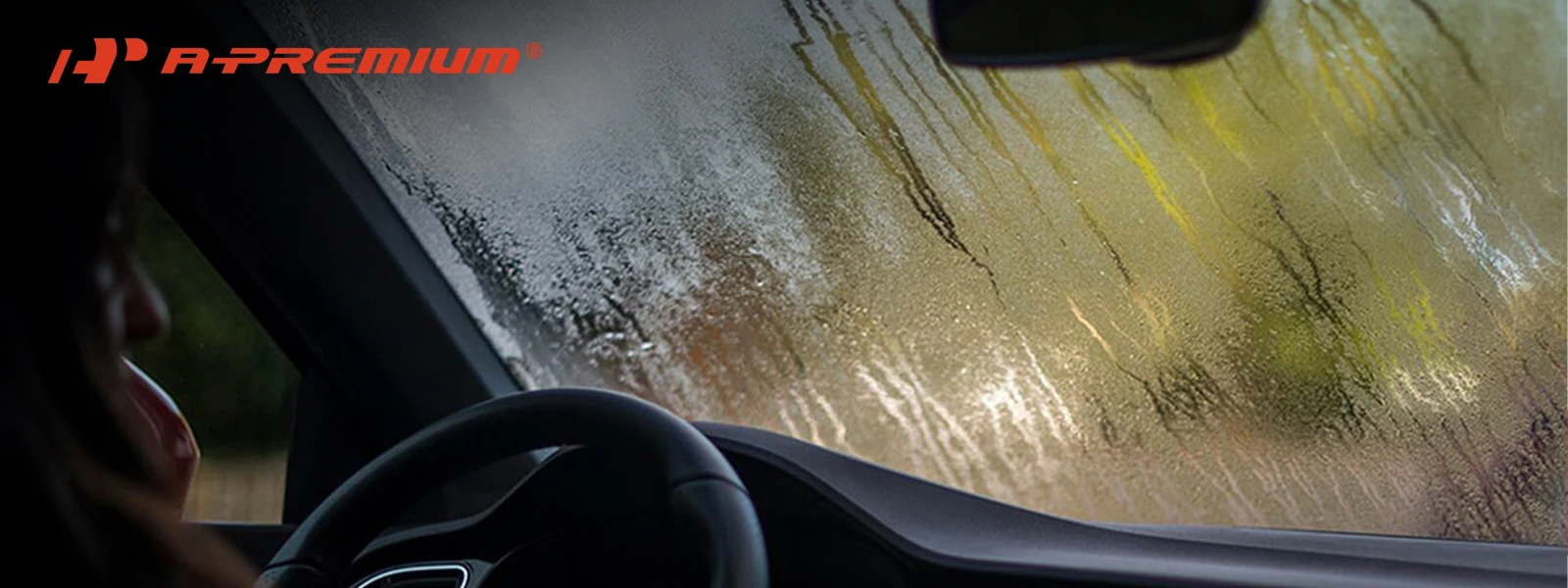
Moisture-proof and sterilization: During winter, we tend to keep the windows closed to retain warmth, resulting in the accumulation of bacteria inside the car. As the weather warms up in spring, these bacteria awaken and multiply in the moist environment. Therefore, it is essential to thoroughly disinfect the interior of the vehicle during this season.
Check the air conditioning system: Start by inspecting the cleanliness of the condenser and evaporator surfaces. If there is a lot of dust, use a clean cloth to wipe them. Next, check the air conditioning filter, which is the filter at the air intake of the car's air conditioning system and is prone to accumulating dirt. Consider replacing it with a new filter at a 4S store or using an air conditioning cleaner for a thorough cleaning.
Anti-mold tips: Turn on the car's air conditioning fan and keep it running for about 3-5 minutes to effectively remove moisture from the air conditioning system.
Clean the car interior: Give your car a "new outfit" by using a specialized interior cleaner to clean and disinfect the dashboard, doors, and other areas. However, avoid using substances with strong acidity or alkalinity, as they may damage the interior's materials. Also, be cautious to prevent water from entering electronic devices such as the audio system, radio, and CD player.
2. Anti-corrosion and Anti-aging
"Anti-corrosion and anti-aging" is a knowledge point that car owners should learn throughout the year, especially in spring due to its unique climate conditions.
Maintain the car paint: Spring brings more rainy and windy weather, and the acidic components in rainwater can corrode the car's paintwork. Prolonged exposure to such conditions can cause damage to the paint and rust if there are any scratches on the body. Therefore, it is recommended to wax and seal the car more frequently during this season and show some extra care for the paintwork.

Choice of car wax: Ordinary solid wax has poor acid resistance and is prone to watermarks after rain. It is advisable to choose enamel or coatings for better protection against acid and dust, providing a protective effect for approximately 2-3 months.
Check the wipers: The wiper blades are made of rubber and may become hardened or aged during the cold winter, posing a safety hazard. When inspecting the wipers, observe if there is any vibration or unusual noise while they are in operation. Check whether the wipers maintain a consistent speed, effectively clear water, and if the wiper arms swing evenly without missing any areas. Additionally, run your finger along the rubber blades to check for any damage or loss of elasticity.
Tip: When washing your car, use glass cleaner to wipe the wiper blades. This helps to prolong their lifespan.
3. Tire Maintenance
For every 10°C increase in temperature, tire pressure tends to rise by approximately 7-14 kPa. Therefore, it is important to adjust tire pressure during seasonal changes to ensure optimal traction and avoid compromising vehicle control, especially during braking.
Check tire pressure: Perform a monthly tire pressure check on all tires, including the spare tire, when they are cold. If there are any abnormalities in tire pressure, inspect the tires for punctures, cuts, valve stem rubber aging, and cracks. Address any issues promptly.

4. Fluid Replacement
Checking the engine oil and other fluids during seasonal transitions is a vital maintenance measure. After a winter season, these fluids may experience a decrease in quality due to oxidation and temperature variations, making it particularly crucial during seasonal changes.
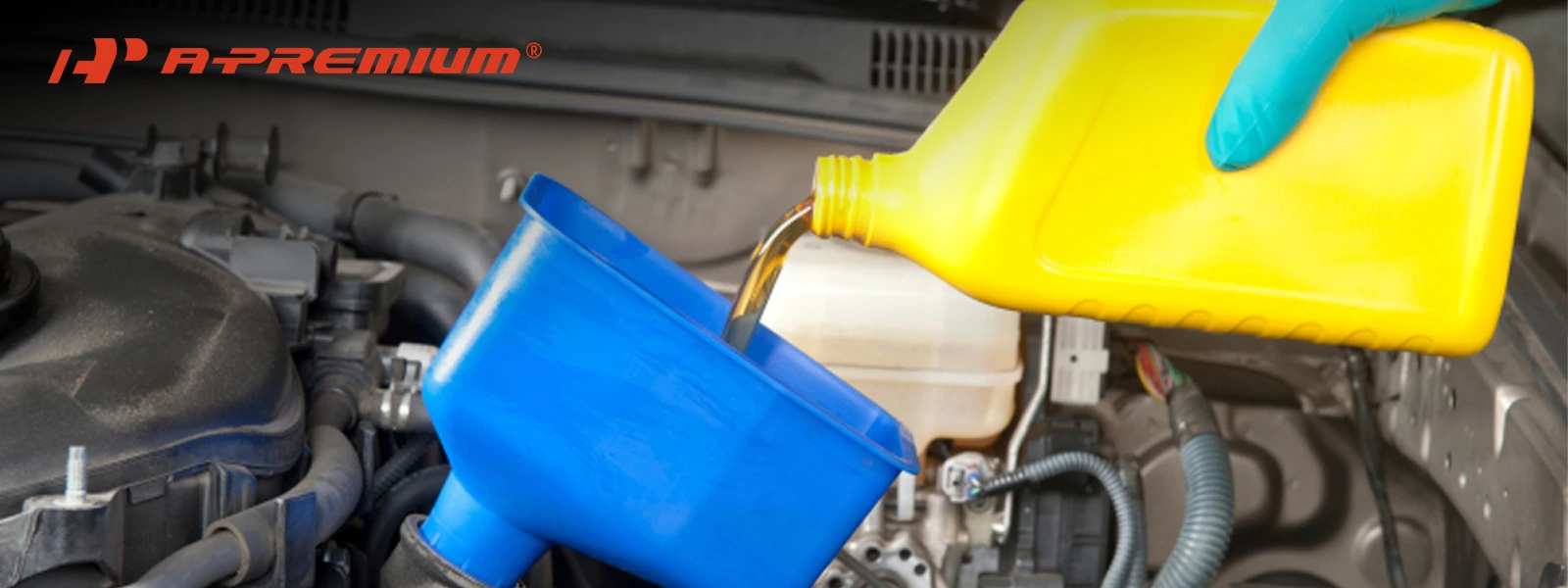
Check engine oil: The engine oil used in winter has lower viscosity to ensure good fluidity. As spring temperatures rise, consider using slightly higher viscosity engine oil to ensure better lubrication.
Check coolant: As spring temperatures gradually increase, some car owners may find the coolant level insufficient and may be tempted to top it up with plain water. Although coolant maintenance is not the primary focus during this season, using plain water can result in the formation of alkaline and rust deposits. Additionally, plain water has a lower boiling point and may lead to engine overheating. Therefore, it is advisable not to replace coolant during this time unless necessary.
Check brake fluid: Brake fluid is hygroscopic, meaning it absorbs moisture over time. Moisture can reduce the boiling point of the brake fluid and affect the braking performance. Therefore, it is crucial to check the brake fluid level and quality. If the fluid appears dark or contaminated, it is recommended to have it flushed and replaced. Remember, regular maintenance is key to keeping your car running smoothly and prolonging its lifespan. By following these spring car maintenance tips, you can ensure that your vehicle remains in optimal condition throughout the season.


