Something You Need To Know About Portable Car Fridge

Portable car refrigerators are a very practical in-vehicle accessory. Not only allows you to enjoy fresh food and drinks on the road but also greatly increases the convenience of your travel.

Suggested A-Premium Parts

What Is a Portable Car Fridge
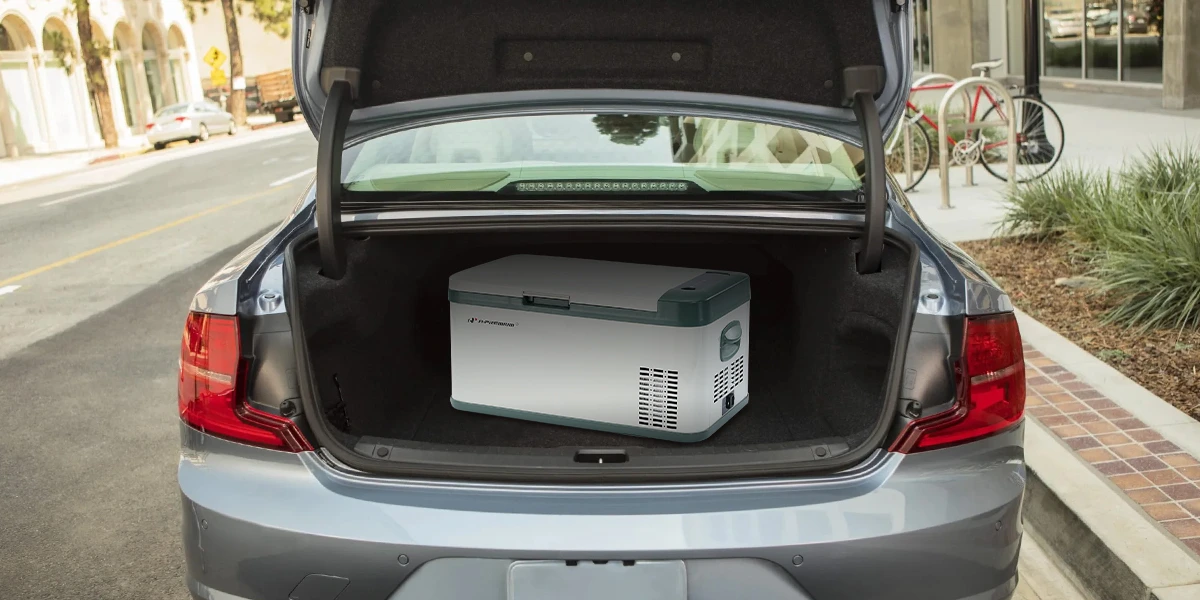
Portable car fridges are a type of compact refrigeration device specifically designed for use inside vehicles. They are lightweight and portable, able to be powered by the 12V electrical system of a car and utilize thermoelectric or compressor-based cooling technology to maintain temperatures ranging from 0°C to 15°C. These car fridges come in capacities typically ranging from 4 to 50 liters, allowing users to store various food, beverages, and temperature-sensitive items, providing a convenient cooling solution for long road trips or outdoor activities.
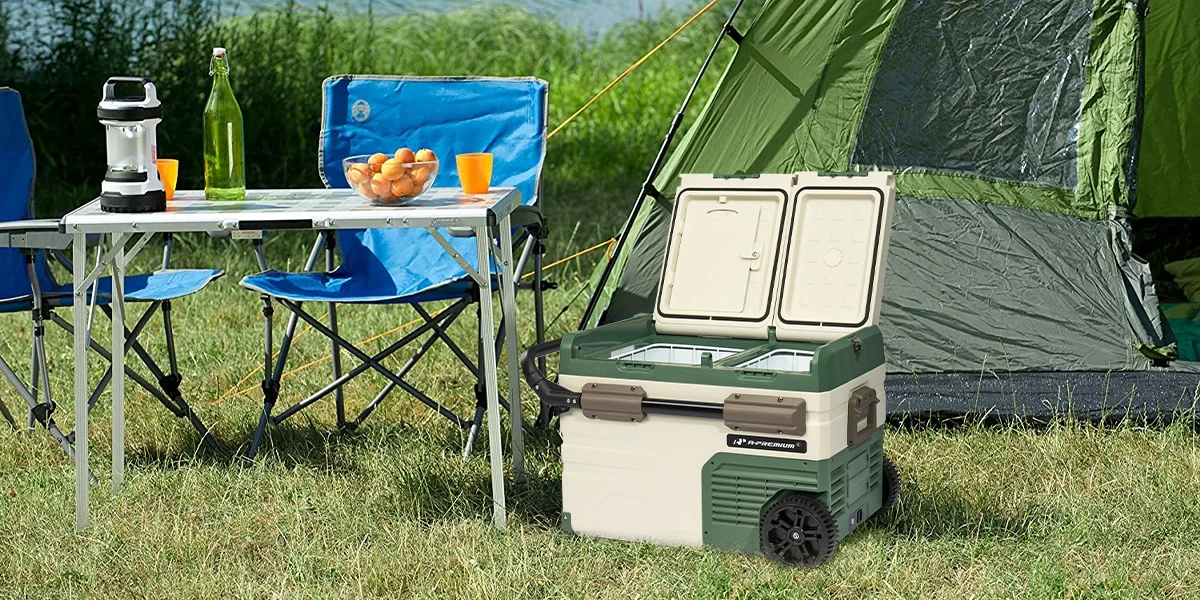
Beyond just in-vehicle use, these portable car fridges can also be applied in camping, picnicking, and even small office environments, wherever a compact refrigeration unit is needed. Combining mobility and energy efficiency, they offer convenience for those who need to transport temperature-sensitive goods while on the go.

Different Types of Portable Car Fridge
There are basically two categories of true portable fridges:
- Thermoelectric Car Fridges
Thermoelectric car fridges offer a compelling option for portable refrigeration in vehicles and outdoor settings. These compact and efficient cooling systems leverage the Peltier effect to create a temperature differential, allowing them to maintain temperatures 18-25°C below the ambient level.
- Compressor Car Fridges
Compressor car fridges represent a more advanced and powerful category of portable refrigeration units designed for vehicles. These models utilize a traditional refrigerant-based compressor system, allowing them to achieve much lower temperatures, often down to -20°C or below, making them well-suited for demanding applications where deep freezing is required, such as preserving perishable items during extended road trips or off-grid adventures.
Absorption refrigerators, Solar-powered car fridges, and Hybrid car fridges are the other, less common types, but typically aren’t as mobile.
How Does a Portable Car Fridge Work
Portable car fridges are self-contained cooling units designed to run on a vehicle's electrical system. They typically use either thermoelectric cooling, which exploits the Peltier effect to create a temperature difference, or compressor-based systems that circulate a refrigerant gas to absorb and expel heat.
These car fridges feature high-quality insulation and tight seals to minimize heat transfer and maintain the desired internal temperature. They often include digital controls that allow users to set and monitor the cooling temperature. Some models offer additional features like adjustable thermostats, energy-saving modes, or the ability to switch between cooling and heating functions.
The combination of efficient cooling, power supply compatibility, insulation, and portability makes these car fridges a convenient and practical solution for keeping food, drinks, and other perishables cool during road trips, camping, or other outdoor activities. The compact, lightweight design with features like handles and tie-down points facilitates easy installation and movement within the vehicle, ensuring these portable coolers are a versatile addition to any adventure.

What’s the Efficiency of Portable Car Fridge
On the cooling technology front, car fridges equipped with thermoelectric cooling tend to be more energy-efficient compared to compression-based refrigeration systems. While the latter can achieve lower internal temperatures and deliver stronger cooling performance, they may draw slightly higher power.
Equally important is the quality of insulation and sealing. Portable car fridges utilize high-grade insulation materials and robust sealing designs, which effectively minimize heat transfer and enhance the cooling system's efficiency. This excellent insulation and sealing allows the fridge to maintain the desired internal temperature with lower energy consumption.
Overall, the efficiency of portable car fridges is quite impressive, especially when held up against traditional household refrigerators. The combination of efficient cooling tech, outstanding insulation, and intelligent temperature control enables these portable units to provide reliable cooling while having a minimal impact on the vehicle's electrical system and battery. Typical power draw ranges from 30 to 80 watts, allowing the fridge to be powered by the car without excessively draining the battery. Moreover, superior temperature maintenance helps protect the contents and reduce cooling cycle frequency, further boosting energy efficiency.
While ambient temperature can influence efficiency to some degree, the advanced design of portable car fridges often makes them more energy-efficient than conventional household models.
How to Choose a Suitable Portable Car Fridge
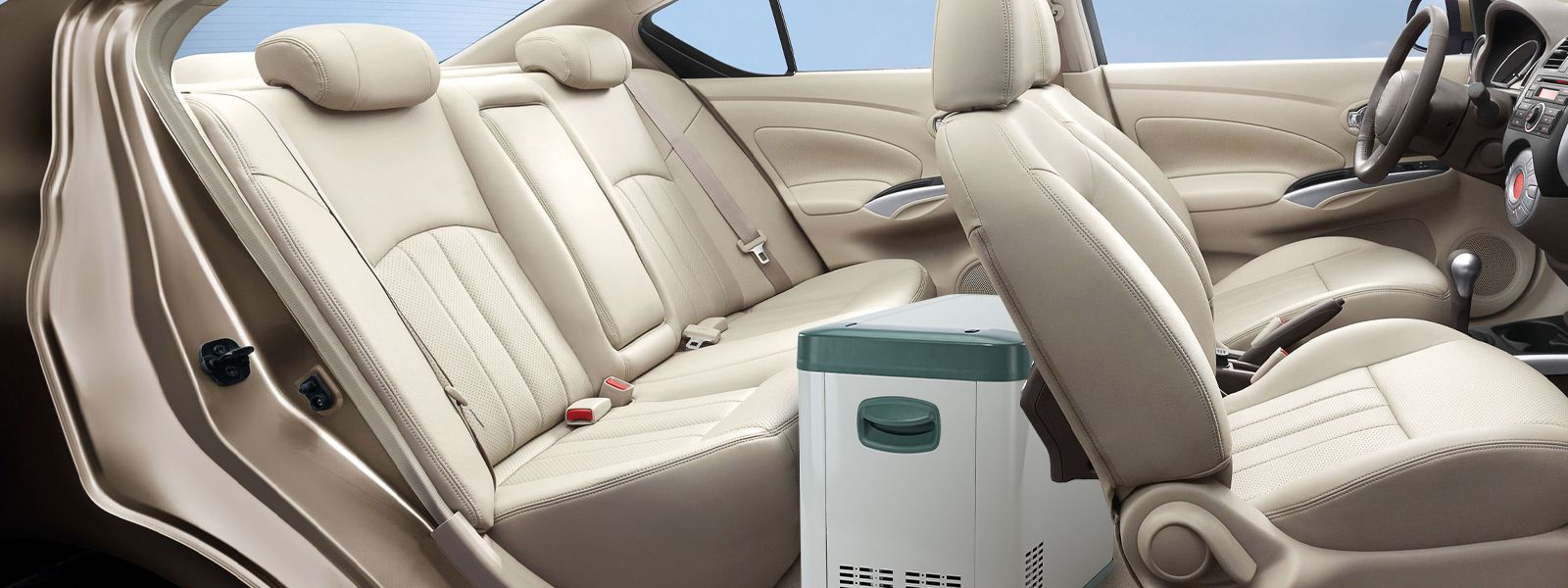
- Capacity and Dimensions: Evaluate the storage space you require based on your needs - whether for food, beverages, medications, or other items. Match the fridge's internal dimensions and capacity, measured in liters or quarts, to the available space in your vehicle, be it the trunk, backseat, or elsewhere.
- Cooling Technology: Decide between thermoelectric or compressor-based cooling systems. Thermoelectric models tend to be more energy-efficient, though they may not achieve as low of temperatures as compressor-based fridges. The latter can deliver colder temperatures but typically have higher power demands.
- Power Compatibility: Ensure the fridge is compatible with your vehicle's power system, whether it's a 12V DC or 110/220V AC supply. Check the power draw to avoid overtaxing the electrical system or battery.
- Temperature Range: Assess the fridge's ability to maintain the desired temperature range, from simple cooling to full freezing capabilities, even in varying ambient conditions.
- Portability and Design: Consider features that enhance portability, such as handles, wheels, or a compact shape. Also, evaluate the overall design for ease of use and seamless integration into your vehicle.
- Energy Efficiency: Prioritize energy-efficient models to minimize the impact on your vehicle's battery life. Look for features like high-quality insulation, smart temperature control, and low power consumption.
- Additional Features: Explore any supplementary features that may be useful, such as USB charging ports, digital displays, or eco-mode settings.

FAQs
How Long Does a Portable Car Fridge Last?
Portable car refrigerators can generally last 5-10 years for compressor-based models and 3-5 years for thermoelectric designs, depending on usage, maintenance, and overall build quality. Proper care and moderate use are key to getting the most lifespan out of a portable car fridge.
How Do You Charge Portable Car Fridge?
Portable car fridges are typically powered by connecting the 12V DC cord directly to the vehicle's electrical system, such as the cigarette lighter. Some models also support 110/220V AC power via an inverter. The charging method depends on the specific fridge, but the goal is to power it without draining the car's battery.
How Should I Clean & Maintain a Portable Car Fridge?
To maintain a portable car fridge, regularly clean the interior and exterior, wipe down the condenser coils, check the door gasket, defrost when needed, monitor the vehicle's battery, and store/transport it properly. Following the manufacturer's guidelines is important for keeping the fridge operating well long-term.
Parts You May Need


