Signs of a Blown Turbo

Explore how to identify a faulty turbocharger, understand the factors that can cause damage, determine if you can continue driving with a blown turbo, and learn the essential steps to take when your turbocharger is in need of repair or replacement.
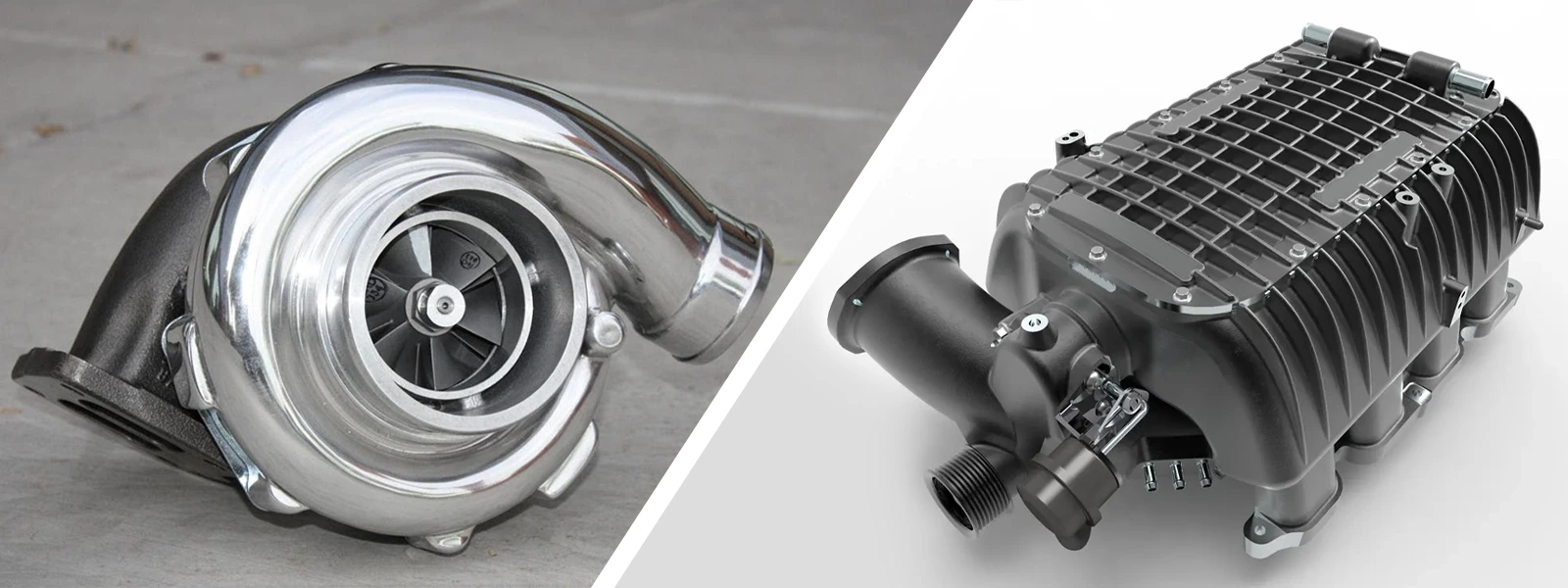
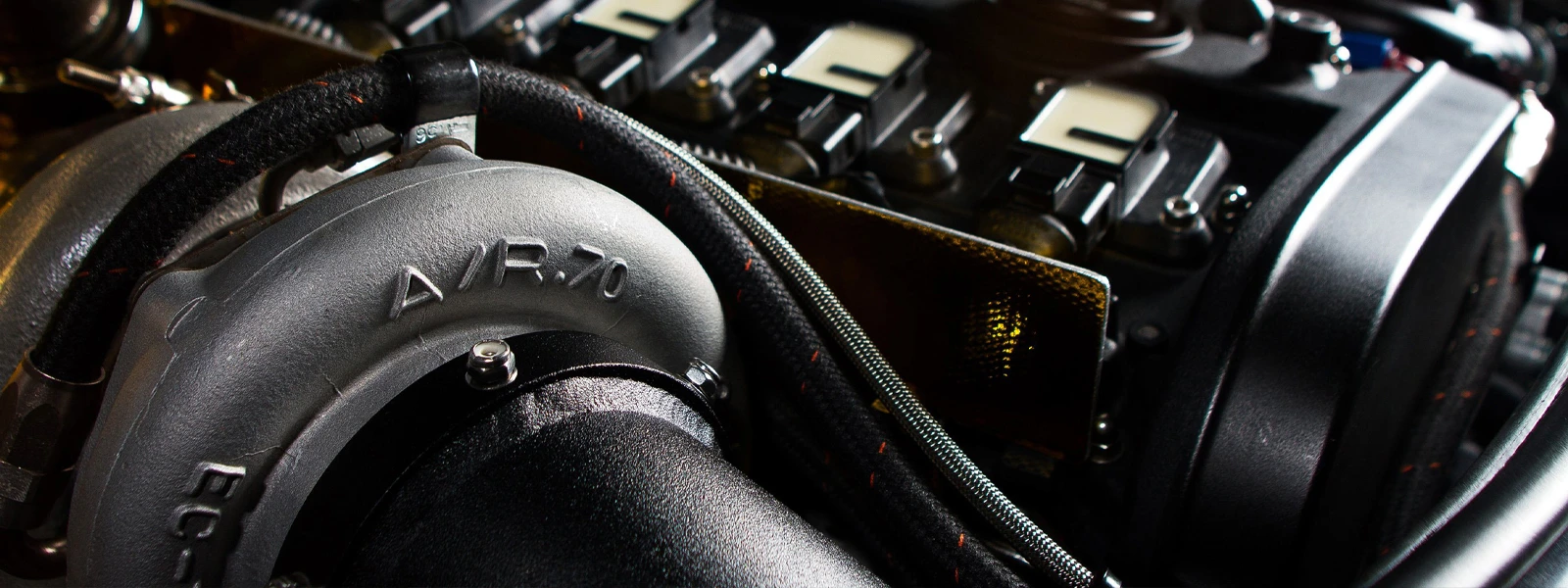
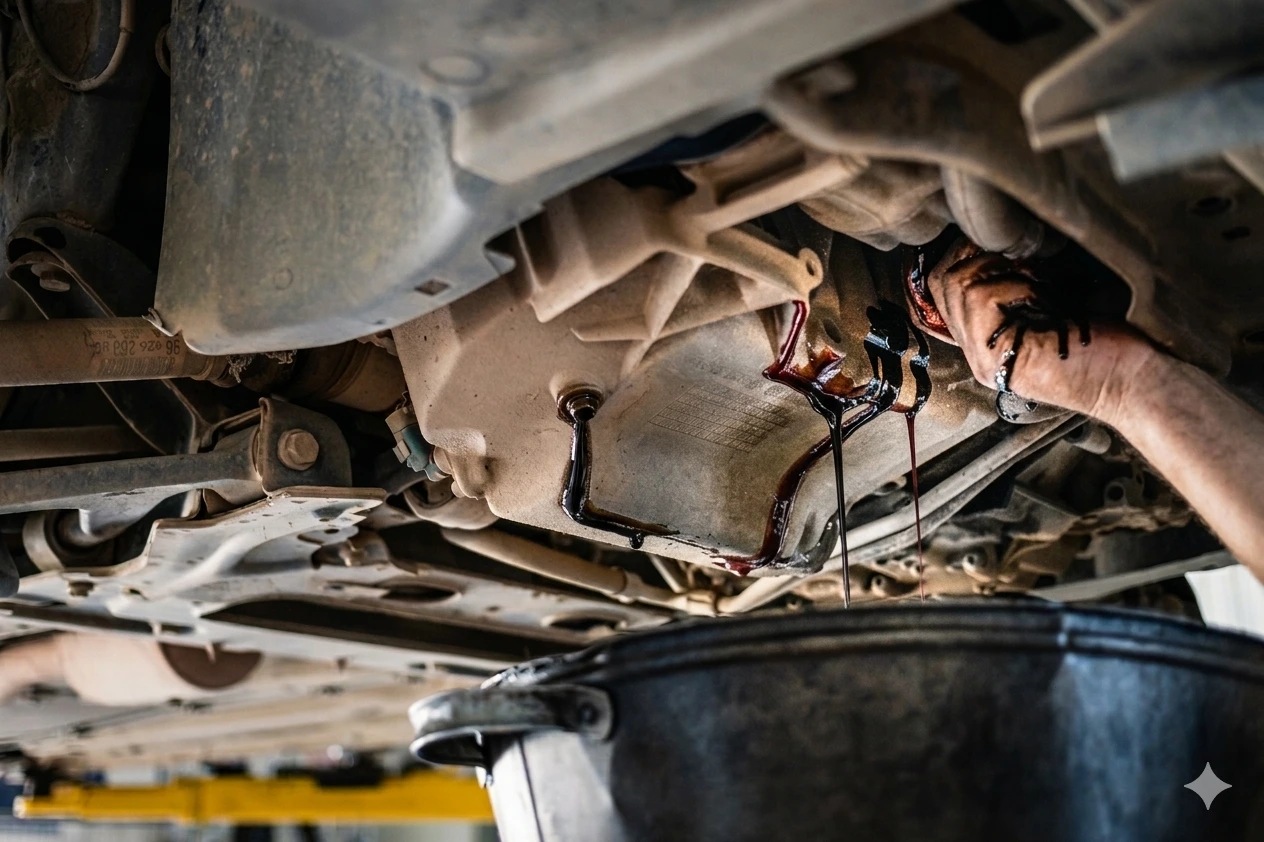
Your car's turbocharger is like the heart of its performance, pumping compressed air into the engine to boost power and efficiency. Yet, even the most reliable components can encounter issues over time. When a turbocharger goes bad, it doesn't just impact your car's performance; it can lead to a cascade of problems if left unaddressed. Understanding the telltale signs of a blown turbocharger can help us diagnose the issue early and keep our vehicle running smoothly.
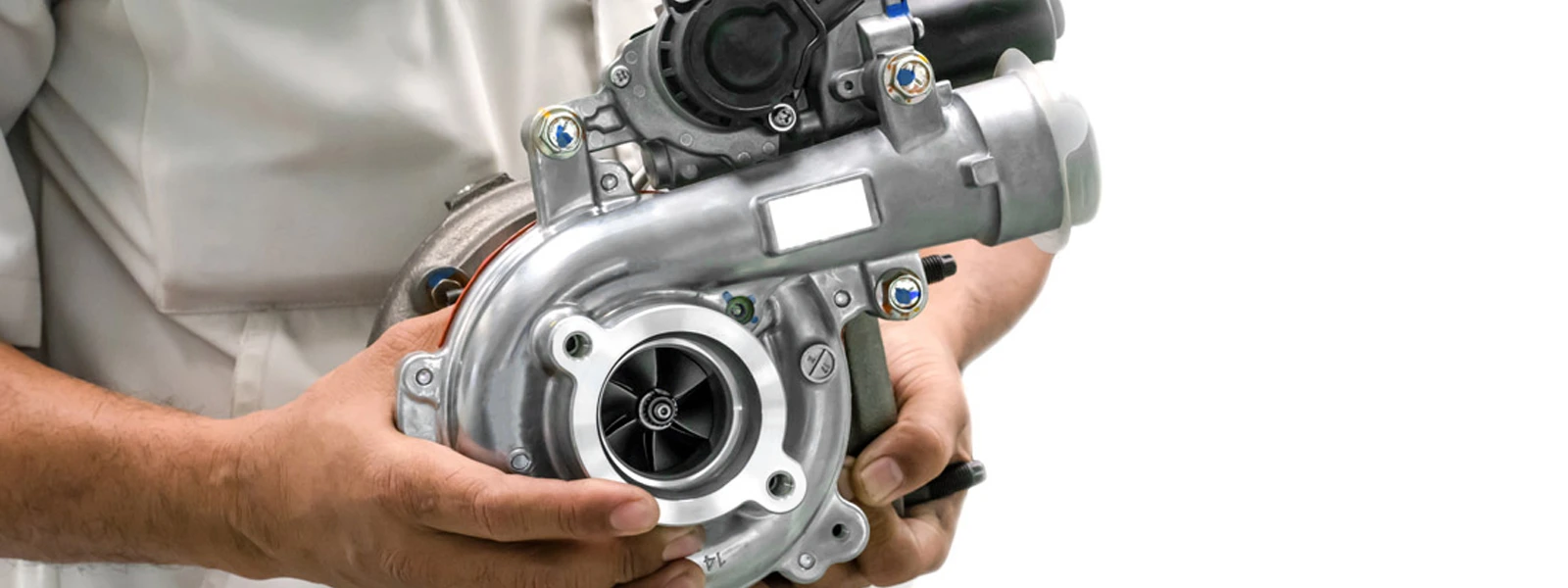
How to tell if a turbocharger is faulty?
A variety of indicators may be linked to turbocharger malfunctions. Nevertheless, by closely observing your vehicle's performance, you can frequently identify the distinctive signs of the most prevalent issues and thus validate potential turbocharger problems.
The most common signals that you may have a blown turbo are:
LOSS OF POWER
If your vehicle experiences a significant loss of power, especially during acceleration, it can be an indicator of a failing turbocharger. This is often accompanied by poor engine performance.
UNUSUAL NOISES
Listen for unusual sounds like whining, whistling, grinding, or a high-pitched scream coming from the turbocharger or engine area. These noises may suggest bearing or seal problems within the turbocharger.
SMOKE FROM EXHAUST
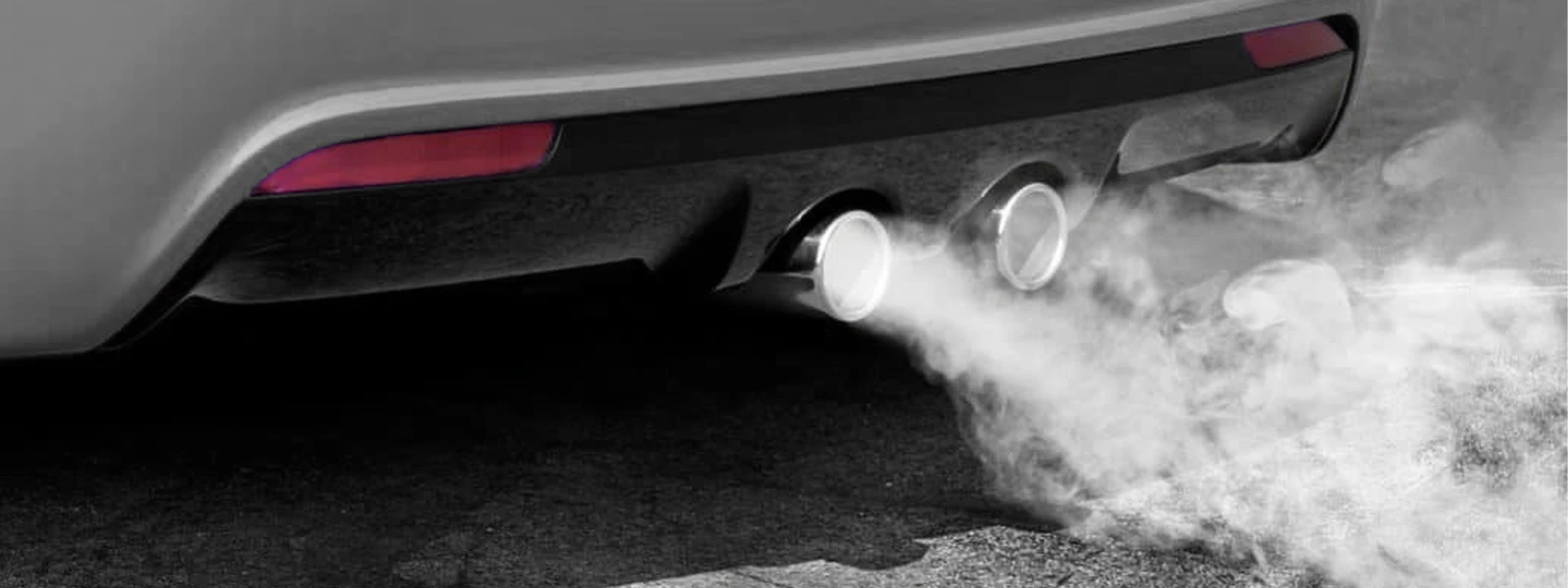
If you notice excessive smoke coming from the exhaust, it can be a sign of a damaged turbocharger. White or blue smoke can indicate oil leakage into the exhaust, while black smoke can suggest a rich air-fuel mixture, which can be related to turbocharger issues.
EXCESSIVE EXHAUST NOISE
If you hear a loud hissing or whooshing sound from the exhaust, it may indicate a boost leak or a split in the turbocharger's intercooler pipes.
CHECK ENGINE LIGHT
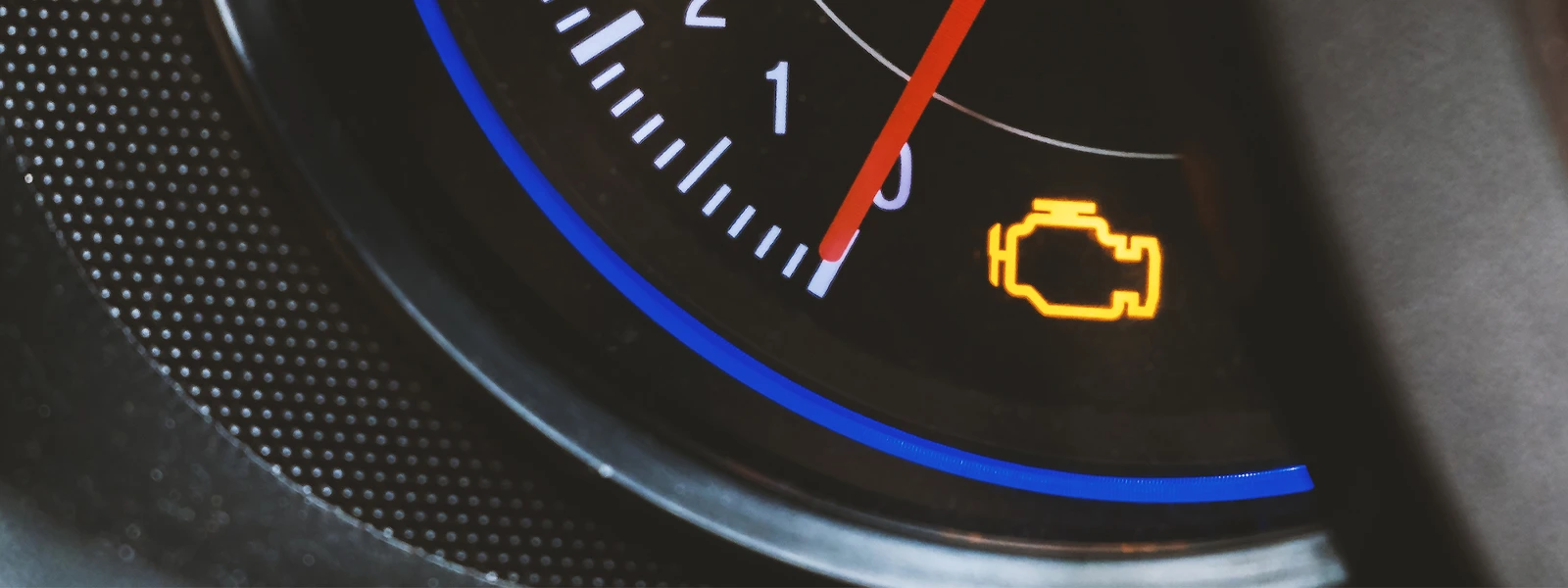
A check engine light (CEL) or diagnostic trouble codes (DTCs) related to the turbocharger, such as overboost or underboost codes, can provide valuable information about potential issues.
OIL CONSUMPTION
A failing turbocharger can lead to increased oil consumption. Check your oil levels regularly, and if you notice a significant drop without any visible external leaks, the turbocharger may be the cause.
EXCESSIVE SHAFT PLAY
If you have access to the turbocharger, try gently wiggling the compressor and turbine wheels (the fans inside the turbocharger). If there is excessive shaft play or noticeable side-to-side movement, it may indicate a worn or damaged turbo.
Things that can cause turbo failure
Turbochargers exhibit remarkable reliability, with turbo-related faults being identified in less than 1% of warranty inspections. Instead, blown turbochargers typically stem from issues related to engine lubrication or the introduction of foreign materials.
- Lack of lubrication: Inadequate lubrication due to issues with oil supply can lead to turbocharger failure.
- Oil contamination: Dirty or contaminated oil can damage the turbocharger's internal components.
- Excessive exhaust temperatures: High exhaust gas temperatures (EGT) from various factors can cause the turbocharger to overheat.
- Foreign object damage (FOD): Debris entering the turbocharger can damage its components.
- Boost pressure problems: Malfunctioning boost control systems can strain the turbocharger.
- Inadequate or irregular maintenance: Neglecting regular maintenance can lead to undetected issues that result in turbo failure.
What to do with a bad turbocharger?
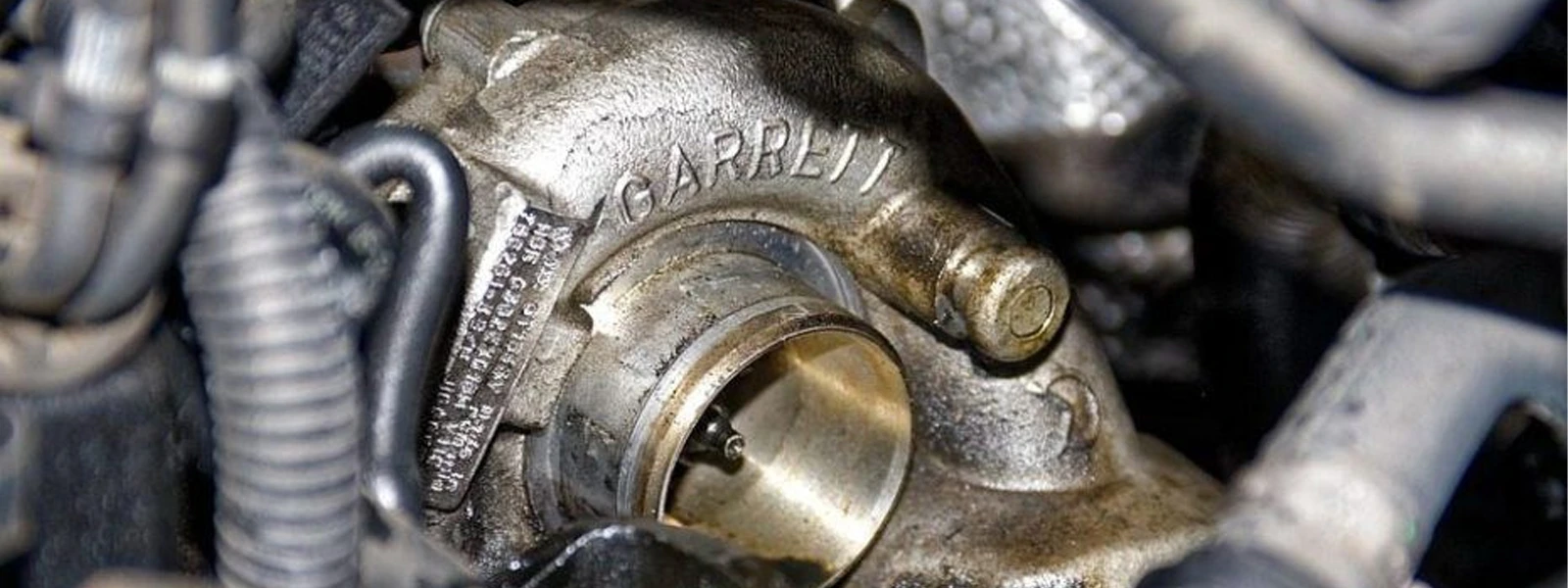
When faced with a blown turbocharger, the first and immediate action is to stop driving your vehicle to prevent additional engine damage. Arrange for your vehicle to be towed to a reputable repair facility for a professional diagnosis and assessment of the turbocharger's damage. Qualified mechanics will identify the extent of the damage and recommend repair or replacement based on the severity. Address the root causes of the failure, such as issues with lubrication or foreign object damage.
After confirming a turbocharger failure, you face two choices. The first is to acquire a new turbocharger and have it installed. Alternatively, for cost savings, you can opt to refurbish and repair your existing turbocharger. Generally, the recommendation is to go for a new turbo since it provides an extended warranty and a longer lifespan compared to a reconditioned one.
Choose A-Premium.com for your turbo replacement
If you’re looking for the brand-new turbocharger to replace the blown one, A-Premium has what you need. We provide a wide range of high-quality turbos. Find turbos and related parts according to your car make and model or filter by your vehicle details to see the correct parts. If you have any questions or concerns, email service@a-premium.com or call directly at 1 888 374 5088, our professionals can always help you choose the right parts for you.


