Service StabiliTrak Warning? Here's What It Really Means (And How to Fix It Fast)


You're cruising down the highway when suddenly "Service StabiliTrak" flashes across your dashboard. Your stomach drops – what does this mean, and is your car safe to drive? We've all been there, and the good news is that this warning doesn't have to ruin your day or drain your wallet.
At A-Premium, we believe in empowering drivers with the knowledge they need to tackle car problems head-on. This comprehensive guide will walk you through everything about the Service StabiliTrak message, from what triggers it to how you can fix it yourself. Let's get your car back to running smoothly.
What is StabiliTrak and Why Does Your Car Have It?
StabiliTrak is General Motors' proprietary name for their Electronic Stability Control (ESC) system. Think of it as your car's guardian angel – constantly watching over your driving and ready to step in when things get sketchy. This advanced safety system has been saving lives and preventing accidents since GM started installing it in their vehicles.
StabiliTrak works by monitoring multiple factors including your steering wheel position, vehicle speed, lateral acceleration, and individual wheel speeds. When the system detects that your car isn't going where you're steering it, it automatically intervenes to help you maintain control.
The system can apply brakes to individual wheels, reduce engine power, and even adjust transmission settings to help stabilize your vehicle. It's particularly effective during emergency maneuvers, when driving on slippery surfaces, or if you hit a patch of ice or water unexpectedly.
What makes StabiliTrak special compared to other stability systems is its integration with other GM safety technologies. It works seamlessly with your anti-lock brakes, traction control, and even advanced features like lane departure warning in newer vehicles.
When you see "Service StabiliTrak" on your dashboard, it means this crucial safety net isn't working properly. While you can still drive your car, you've lost an important layer of protection that could be critical in emergency situations.
Common Triggers for Service StabiliTrak Messages
Understanding what causes the Service StabiliTrak message helps you tackle the problem more effectively. Most triggers fall into a few common categories that we see repeatedly in GM vehicles across different model years.
Faulty wheel speed sensors top the list of Service StabiliTrak culprits. These sensors tell your car's computer how fast each wheel is spinning, and when they malfunction or get dirty, the StabiliTrak system can't function properly. Road debris, brake dust, or simple wear and tear can knock these sensors out of commission.
Low battery voltage causes more Service StabiliTrak messages than you might expect. When your car's electrical system doesn't have enough juice, complex electronic systems like StabiliTrak shut down to protect themselves. This often happens with older batteries or after your car sits unused for extended periods.
Steering angle sensor problems frequently trigger the warning message. This sensor tells StabiliTrak which direction you're trying to steer, and if it's miscalibrated or malfunctioning, the system can't properly interpret your intentions.
Weather-related issues shouldn't be overlooked either. Driving through deep puddles, extreme cold snaps, or even after a thorough car wash can temporarily confuse sensors and trigger the Service StabiliTrak message. Sometimes these resolve themselves once conditions return to normal.
Electrical gremlins within the StabiliTrak control module itself can also cause persistent warning messages. Corrosion, damaged wiring, or internal component failures within the module require more advanced diagnosis and repair.
How StabiliTrak Actually Keeps You Safe
To truly appreciate why the Service StabiliTrak message matters, you need to understand the sophisticated technology working behind the scenes to protect you every time you drive.
StabiliTrak continuously monitors your vehicle dynamics at a rate of 25 times per second. It's constantly comparing where you want to go (based on steering input) with where your car is actually heading (based on sensor data). When these don't match, the system knows you're in trouble.
The intervention process happens lightning-fast. When StabiliTrak detects a problem, it can apply individual wheel brakes within milliseconds. For example, if your rear end starts sliding out in a turn, the system might brake the outer front wheel to help pull your car back in line.
Engine power reduction is another tool in StabiliTrak's arsenal. If you're accelerating too aggressively for conditions, the system can reduce throttle response to help your tires regain grip. This might feel like your car is hesitating, but it's actually preventing a dangerous loss of control.
Integration with other systems makes StabiliTrak even more effective. It works with your anti-lock brakes to prevent wheel lockup, coordinates with traction control to manage wheel spin, and even communicates with your transmission to optimize gear selection for stability.
The system is particularly valuable in emergency situations where split-second reactions matter. Studies show that vehicles equipped with electronic stability control like StabiliTrak have significantly lower rates of fatal single-vehicle crashes and rollovers.
Step-by-Step Diagnosis and Quick Fixes
Before you head to the repair shop, there are several diagnostic steps you can take to identify and potentially fix your Service StabiliTrak issue. Many problems have simple solutions that don't require professional help.
Start with a complete system reset. Turn off your engine and remove the key. Wait at least two minutes, then restart your vehicle. This allows all electronic systems to fully power down and reset. Drive for about 10 minutes to see if the message clears – sometimes that's all it takes.
Check your battery connections and voltage. Pop the hood and inspect your battery terminals for corrosion or loose connections. Clean any corrosion with baking soda and water, then tighten the connections. If your battery is more than four years old, have it tested – weak batteries cause numerous electronic system problems.
Inspect your tires thoroughly. Look for uneven wear patterns, significant size differences between tires, or obviously low pressure. Use a tire pressure gauge to ensure all tires match your vehicle's recommended PSI. Replace any severely worn or damaged tires, as these can confuse the StabiliTrak system.
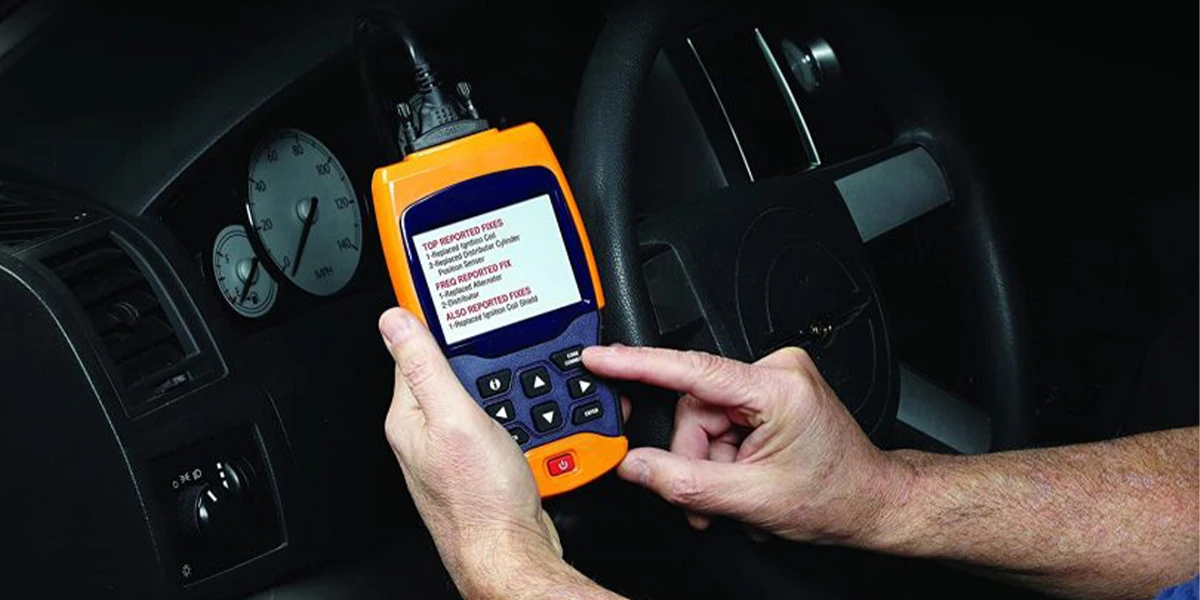
Scan for diagnostic trouble codes using an OBD-II scanner if you have access to one. These codes provide specific information about what's triggering the Service StabiliTrak message. Write down any codes you find – they'll be helpful whether you fix it yourself or take it to a professional.
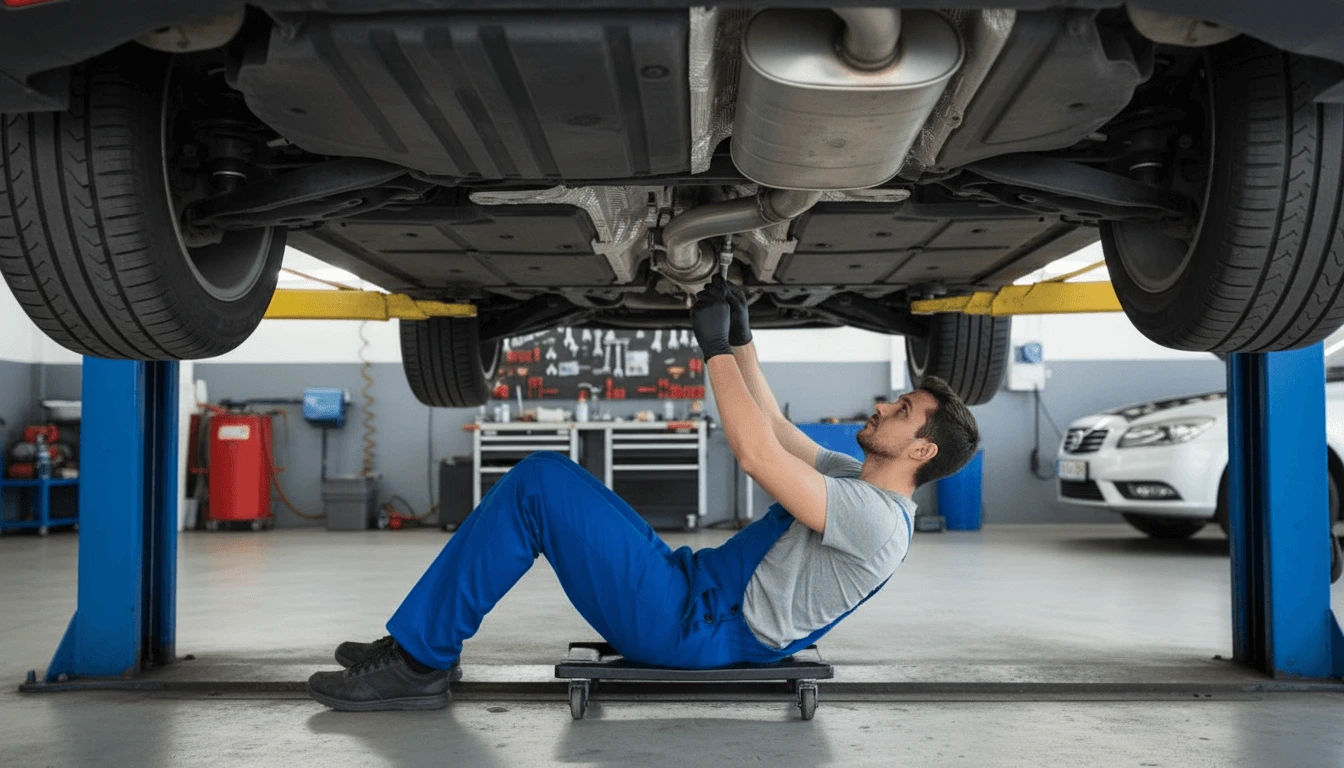
Visual inspection of wheel sensors can reveal obvious problems. Look for damaged wires, excessive dirt buildup, or physical damage to the sensors located near each wheel hub. Clean dirty sensors carefully with brake cleaner and a soft brush.
If these steps don't resolve the issue, you're likely dealing with a more complex problem that requires professional diagnosis or component replacement from quality suppliers like A-Premium.
Professional Repair Solutions and Expected Costs
When DIY fixes don't solve your Service StabiliTrak problem, professional repair becomes necessary. Understanding the typical repair process and costs helps you make informed decisions and avoid unnecessary expenses.
Professional diagnosis typically costs between 100−100-200 and involves comprehensive system testing with specialized equipment. Technicians will scan all related systems, test individual components, and road test your vehicle to pinpoint the exact problem. Many shops apply diagnostic fees toward repair costs.
Wheel speed sensor replacement represents the most common StabiliTrak repair, costing 200−200-400 per sensor including labor. These sensors are relatively inexpensive parts, but labor costs add up because technicians must remove wheels and sometimes brake components to access them properly.
Steering angle sensor calibration or replacement runs 300−300-600 depending on your vehicle. Some sensors just need recalibration after repairs or alignments, while others require complete replacement. This repair often requires specialized equipment that only professional shops possess.
StabiliTrak control module replacement represents the most expensive repair scenario, potentially costing 800−800-1,500. These modules contain sophisticated computer circuits that can fail due to moisture, electrical surges, or simple component wear over time.
Wiring harness repairs fall somewhere in the middle, typically costing 250−250-500 depending on the extent of damage. Corroded or damaged wiring can cause intermittent problems that are challenging to diagnose but relatively straightforward to repair once identified.
Choose your repair shop wisely. Look for shops with experience working on GM vehicles and access to proper diagnostic equipment. Ask about warranty coverage on both parts and labor – reputable shops stand behind their work.
When It's Safe to Drive vs. When to Stop
The Service StabiliTrak message doesn't always mean you need to pull over immediately, but understanding when it's safe to continue driving versus when you should stop can prevent accidents and further damage.
You can usually continue driving if the Service StabiliTrak message appears but your car feels normal otherwise. The system typically shuts down as a precaution, but your basic vehicle functions remain intact. However, drive more conservatively than usual and avoid aggressive maneuvers or challenging driving conditions.
Exercise extreme caution in wet, icy, or snowy conditions when StabiliTrak isn't working. This system provides crucial assistance in slippery conditions, so its absence significantly increases your risk of losing control. Consider postponing your trip or finding an alternate route with better road conditions.
Stop driving immediately if the Service StabiliTrak message appears alongside other warning lights, especially those related to braking or steering systems. Multiple system failures could indicate a serious electrical problem or component failure that affects your safety.
Pay attention to how your car behaves. If you notice unusual steering feel, unexpected braking, or your car pulling to one side along with the Service StabiliTrak message, find a safe place to stop immediately. These symptoms suggest active problems with safety-critical systems.
Weather and road conditions should influence your decision to continue driving. What might be acceptable on a dry, sunny day becomes dangerous in challenging conditions where StabiliTrak's assistance could mean the difference between a safe trip and an accident.
Don't let pride or inconvenience cloud your judgment – if something feels wrong, trust your instincts and seek help rather than risk your safety or that of other drivers.
Preventing Future StabiliTrak Problems
Prevention is always cheaper than repair when it comes to complex electronic systems like StabiliTrak. Smart maintenance habits and driving practices can significantly reduce your chances of seeing that dreaded Service StabiliTrak message.
Regular tire maintenance forms the foundation of StabiliTrak health. Keep tires properly inflated, rotate them according to your vehicle's schedule, and replace worn tires promptly. Mismatched tire sizes or significantly different tread depths can confuse the system and trigger warning messages.
Battery maintenance prevents many StabiliTrak problems before they start. Clean battery terminals regularly, test your battery annually after it reaches three years old, and replace it before it fails completely. Weak electrical systems cause cascading problems throughout your vehicle's electronic networks.
Keep sensors clean during regular maintenance. When washing your car, pay attention to the wheel areas where speed sensors are located. Remove brake dust, road salt, and debris, but avoid blasting sensors directly with high-pressure water, which can damage delicate components.
Address electrical problems quickly before they affect other systems. If you notice flickering lights, intermittent electrical issues, or other warning messages, have them diagnosed promptly. Electrical problems often spread to interconnected systems like StabiliTrak.
Professional wheel alignments help prevent sensor calibration issues. When your wheels are properly aligned, sensors receive consistent, accurate data. Misaligned wheels can cause premature sensor wear and calibration problems that trigger Service StabiliTrak messages.
Quality replacement parts matter when repairs become necessary. Choosing components from reputable suppliers like A-Premium ensures compatibility, reliability, and longevity. Cheap aftermarket parts might save money initially but often cause problems down the road.
Advanced Troubleshooting for Persistent Issues
Some Service StabiliTrak problems resist simple fixes and require more advanced troubleshooting techniques. These methods help identify stubborn issues that basic diagnosis might miss.
Intermittent problems challenge even experienced technicians because they don't always show up during testing. Keep a detailed log of when the Service StabiliTrak message appears, including weather conditions, driving circumstances, and any other symptoms you notice. This information helps technicians recreate the problem.
Temperature-related issues often point to failing electrical components or poor connections. If your Service StabiliTrak message appears primarily in hot or cold weather, suspect thermal expansion and contraction affecting electrical connections or component internal failures.
Road test diagnosis involves driving your vehicle while monitoring live sensor data with professional diagnostic equipment. This advanced technique can identify problems that only occur under specific driving conditions or sensor input combinations.
Electrical load testing determines whether your charging system can support all your vehicle's electronic demands. StabiliTrak systems are sensitive to voltage fluctuations, and insufficient charging capacity can cause intermittent operation even with a good battery.
Component substitution testing involves temporarily installing known-good components to isolate the problem. This technique works particularly well for diagnosing expensive modules where you want to be absolutely certain before spending money on replacement parts.
Remember that persistent StabiliTrak problems often indicate underlying issues with your vehicle's electrical system or mechanical components. Addressing root causes prevents recurring problems and saves money in the long run.
Frequently Asked Questions
Can I drive without StabiliTrak working?
Yes, you can drive without StabiliTrak, but you'll lose important safety assistance that helps prevent skids and loss of control. Drive more cautiously, especially in wet or slippery conditions, and get the system repaired as soon as possible.
How much does it cost to fix Service StabiliTrak?
Repair costs range from 0forsimpleresetsto0 for simple resets to 1,500 for major component replacements. Most common fixes cost between 200−200-600, with wheel speed sensor replacement being the most frequent repair needed.
Will Service StabiliTrak message clear itself?
Sometimes the message clears on its own if caused by temporary issues like low battery voltage or sensor interference. However, persistent messages indicate real problems that require diagnosis and repair.
Does Service StabiliTrak affect other car systems?
Yes, StabiliTrak integrates with your anti-lock brakes, traction control, and other safety systems. When StabiliTrak isn't working, these related systems may also be affected or operate in reduced-function modes.
Can I reset Service StabiliTrak myself?
You can try resetting the system by turning off your car for several minutes and restarting, but this only works for temporary glitches. Persistent problems require proper diagnosis and repair of the underlying cause.


