Should I Replace the Sway Bar Links When Doing Control Arms? A Comprehensive Guide

When you are deep into a suspension overhaul, perhaps staring at a pair of worn-out lower control arms or struggling with seized ball joints, a common question arises: Should I replace the sway bar links when doing control arms?
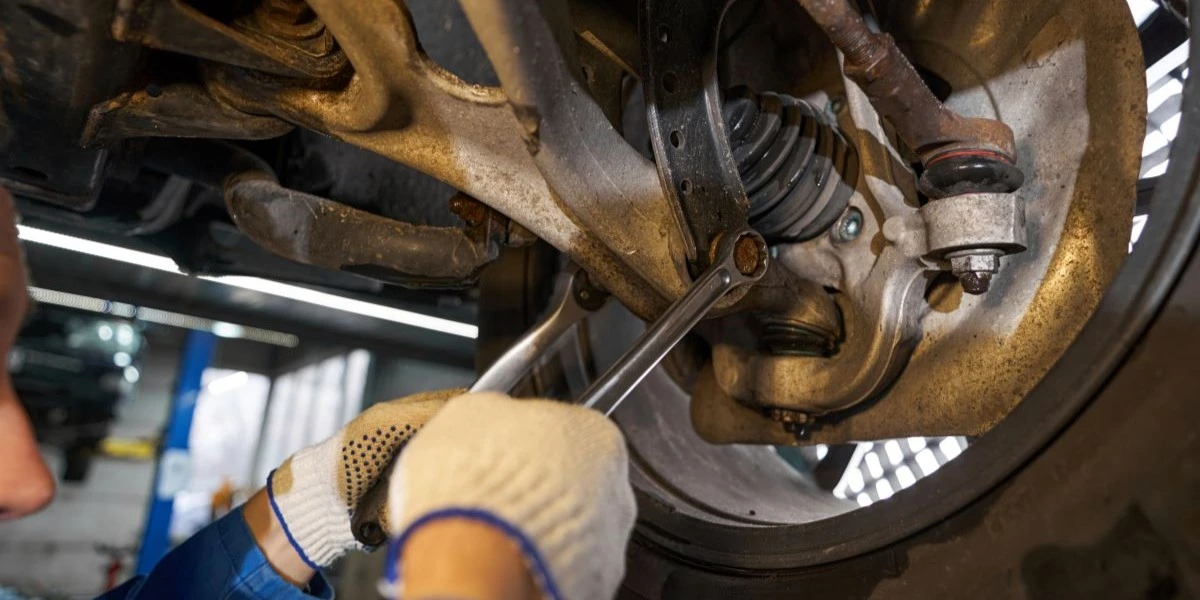
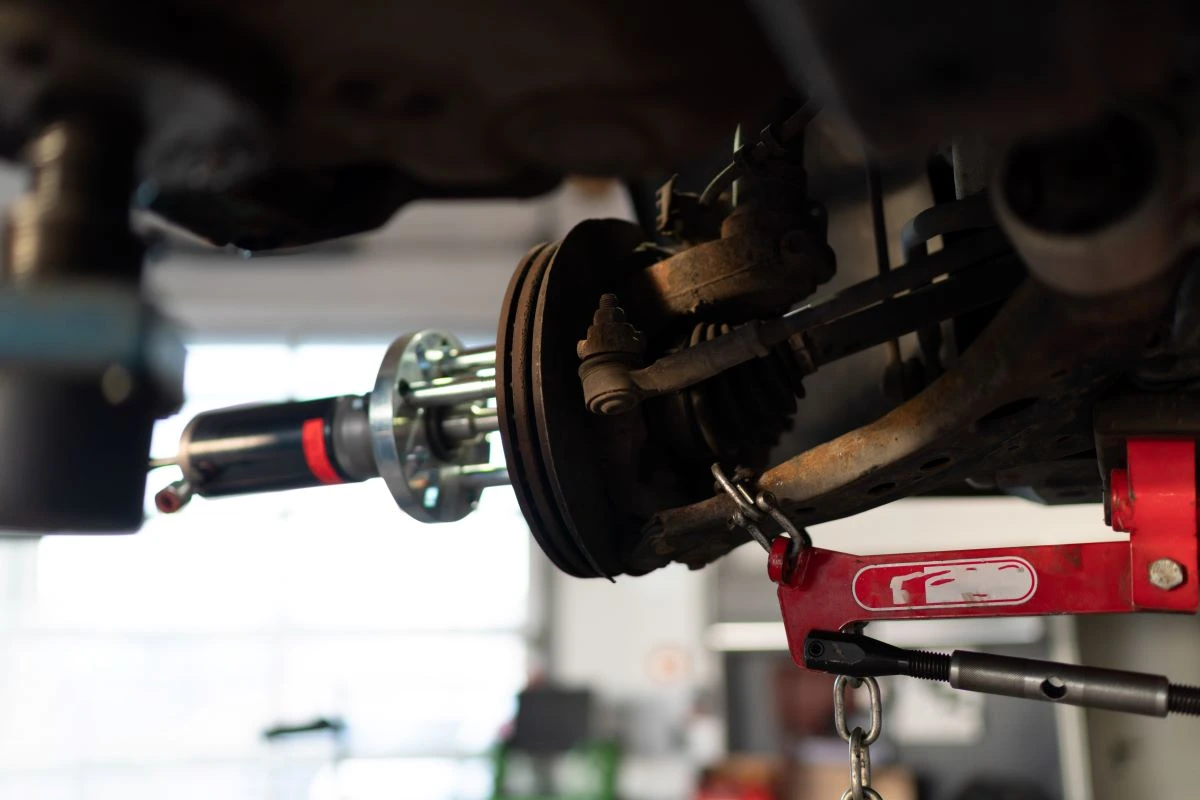
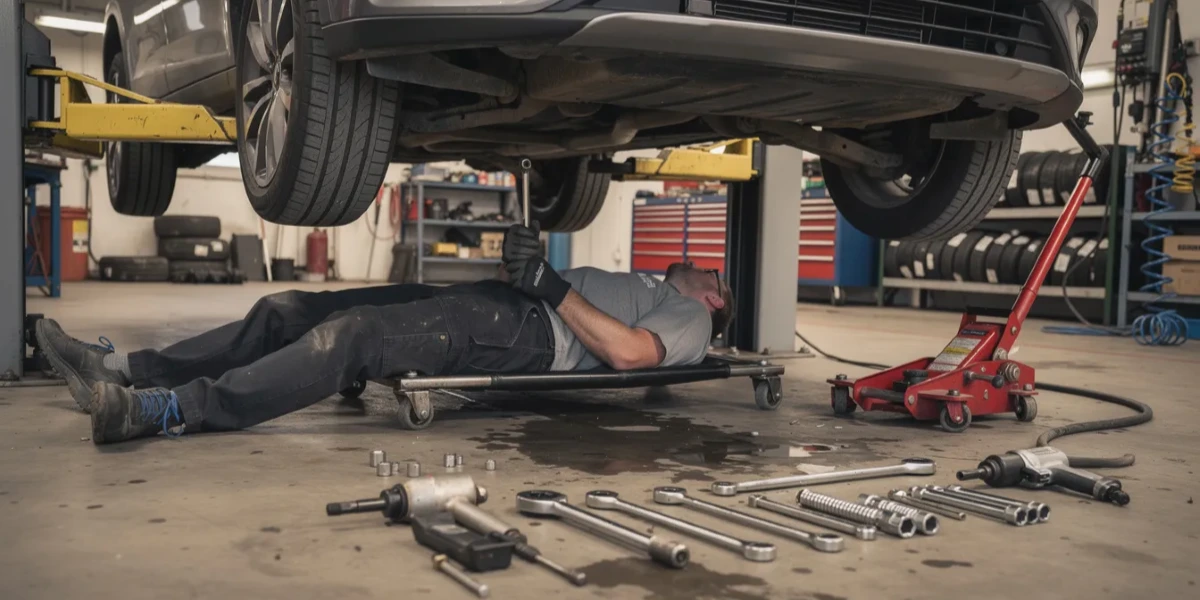
For many owners of cars and trucks, the replacement of control arms is a significant investment in both time and money. While you might wonder if you can stick with your stock components to save a few dollars, the fact is that your sway bar links (also known as a bar link or stabilizer links) play a crucial role in the stability and comfort of your vehicle.
In this guide, we will explore why it often makes sense to replace these parts at the same time, the benefits of doing so, and how these components work together to provide a smooth driving experience.
Understanding the Connection: Control Arms and Sway Bar Links
To understand why you should change them together, we first need to look at how the suspension system is built.
The control arms—including the upper and lower control arms—serve as the main position link between the wheels and the car chassis. They carry the weight of the vehicle and control the motion of the suspension. Within these arms, the ball joints allow for pivot movements, ensuring your tires stay in contact with the road.
The sway bar (or anti-roll bar) is a metal rod that connects opposite wheels together through sway bar links. Its primary design purpose is to reduce body roll during a sharp turn or when driving over uneven surfaces. When one wheel moves up, the bar link pulls on the sway bar, which in turn applies pressure to the opposite side to keep the vehicle level.

Why You Should Replace Sway Bar Links with Control Arms
1. Overlapping Labor: It’s Already Broken Down
One of the most practical reasons to replace your sway bar links while doing control arms is that you have already done 90% of the work. In most suspension setups, the bar link is bolted directly to the control arm or the strut. To get the old arms out, you often have to disconnect the sway bar links anyway.
If the parts are old, the mounting hardware is likely damaged or rusted. Attempting to reinstall a worn bar link onto a brand-new control arm can be difficult and may lead to noise issues later.
2. Shared Wear and Tear Patterns
If your control arms have reached the end of their life—usually indicated by torn rubber bushings or loose ball joints—it is highly likely that your sway bar links are in a similar state of wear. Suspension components work in the same harsh environment; they all face road salt, moisture, and constant vibration.
A damaged link might not show itself immediately, but once you add the stiffness of new control arm bushings, the old, weak bar link will become the "weakest link" and start showing symptoms like clunking or popping quickly.
3. Maintaining Alignment and Stability
The stability of your vehicle depends on all components working in harmony. New lower control arms will restore the correct position of your wheels, but if the sway bar is connected via loose links, you will still experience excessive body roll. Replacing them together ensures that your suspension feels built to stock specifications or better.

Signs of Bad Sway Bar Links and Control Arms
If you are still on the fence, look for these signs that your parts need replacement:
-
Knocking Noises: A faint "clunk" when you turn the steering wheel or drive over a bump.
-
Poor Handling: Increased body roll in corners or a feeling that the car is "wandering" on the road.
-
Uneven Tire Wear: While mostly caused by control arm bushings or ball joints, poor stability can contribute to premature wear on your tires.
-
Visible Damage: Torn rubber boots on the bar link or ball joints are a clear sign that grease has leaked out and contaminants have moved in.
The Benefits of Aftermarket Upgrades
When looking for replacement parts, you will find many brands in the world of automotive aftermarket components. Choosing high-quality brands can provide better reliability and durability than stock parts.
Modern design features often include:
-
Greasable Ball Joints: Allow you to add lubrication during a routine visit to the mechanic, extending the year of service.
-
Hardened Steel: Better resistance to the tear and wear of daily driving, especially for heavy trucks.
-
Enhanced Bushings: Improved rubber or polyurethane compounds that offer better comfort and vibration dampening.


DIY Tips: Making the Replacement Easy
If you plan to replace these parts yourself, here is how to make the job easy:
-
Order Together: Ensure you order a complete kit that includes lower control arms, upper arms (if applicable), and sway bar links. This ensures all hardware matches.
-
Use Penetrating Oil: Spray all bolts on the suspension at least 24 hours before you start. Rust is the biggest enemy of stability bar components.
-
Account for Torque: Never work on suspension without a torque wrench. Proper tightness is a matter of safety.
-
Final Tightening: As a feature of professional installation, always perform the final tighten of control arm bolts while the wheels are on the ground (at ride height) to avoid premature wear on the rubber bushings.
Conclusion: Does it Matter?
In the grand account of vehicle maintenance, the cost of adding sway bar links to a control arm job is minimal, but the benefits to driving comfort and reliability are massive. By replacing these parts together, you ensure that your suspension system is built to last for another year and many miles of road ahead.
Don't let a broken or weak bar link ruin the performance of your new arms. If you read through your vehicle service manual or visit a trusted mechanic, they will almost certainly agree: doing it right the first time is the only way to work.
Ready to restore your ride? Find the best suspension parts for your car or trucks today!


