Can I replace just the ball joint instead of the whole control arm?

The short answer is it depends on your vehicle’s design. To help you make the right choice, we’ve broken down the mechanics, signs of failure, and a direct comparison of both repair paths.
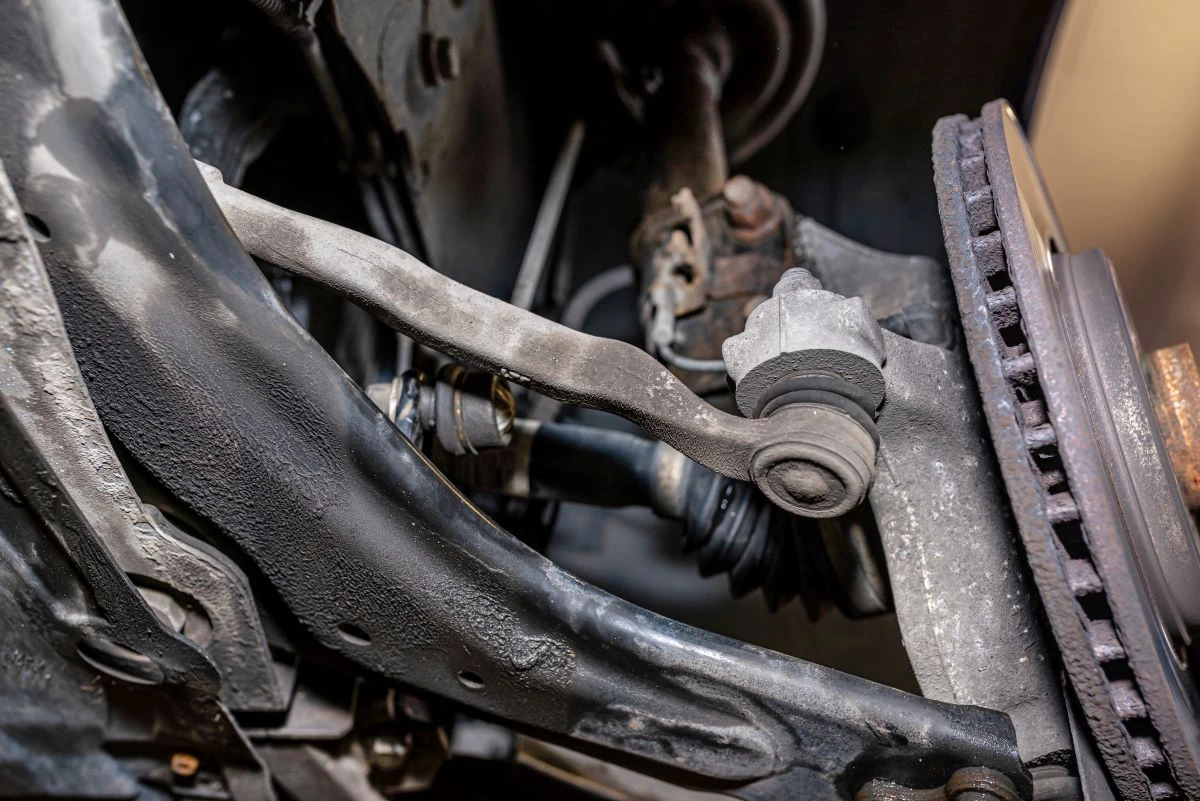
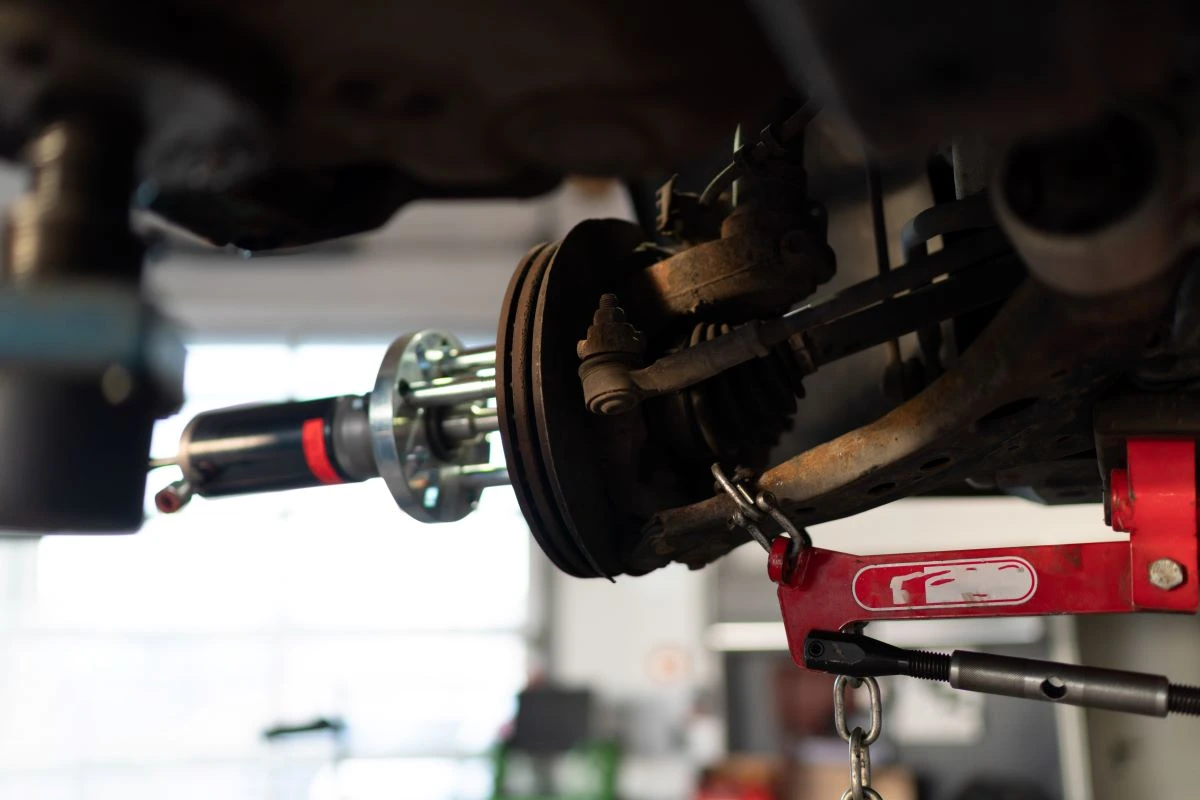
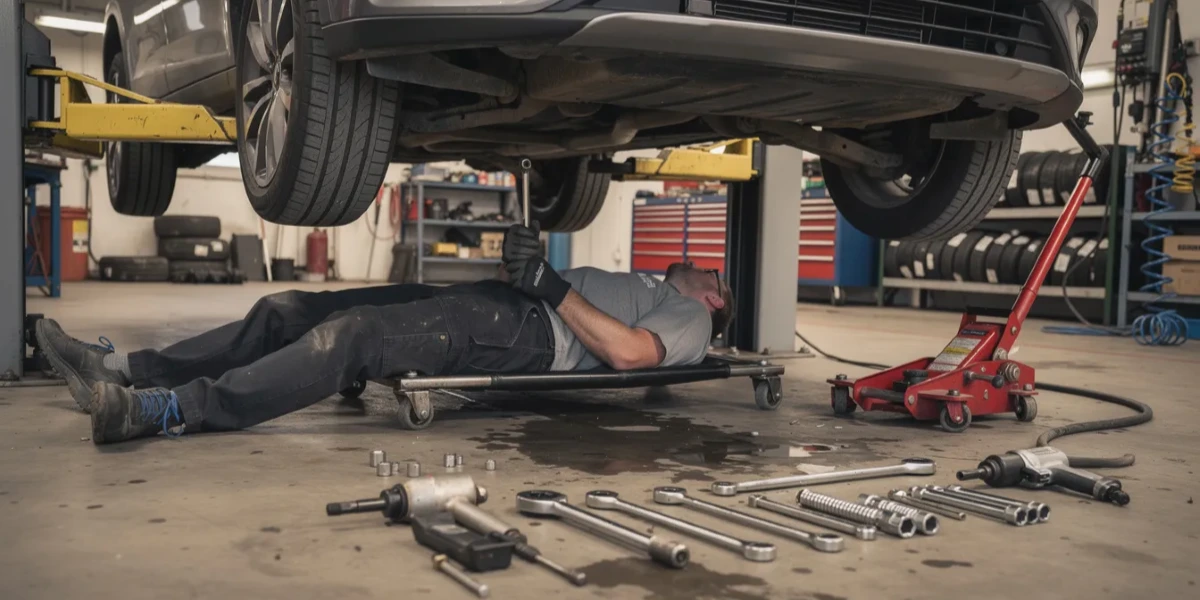
Maintaining your vehicle’s front suspension is essential for ensuring a smooth ride and predictable handling. Ball joints are critical components of a vehicle's front suspension, connecting various links and allowing them to move, which maximizes tire contact with the road for optimum vehicle control and tire wear. One of the most common questions DIYers and car owners ask when they notice a “clunk” over bumps is: Can I replace just the ball joint, or do I need to swap out the entire control arm? Replacing worn ball joints not only restores proper suspension function but also brings back driver confidence in handling and safety.
Key Takeaways
-
Ball joints serve as the spherical bearing pivot point connecting the control arm to the steering knuckle.
-
Bad ball joints cause clunking, steering wheel wander, and uneven tire wear.
-
A standalone joint replacement is possible for bolt-on or press-in designs, typically found on a truck or older SUV.
-
Integrated assemblies (common on a modern daily driver) often require replacing the whole arm to ensure proper alignment and safety.

How Ball Joints Serve Your Vehicle
In any modern suspension system, ball joints are critical components. They act as the pivot point for your front wheels, allowing the suspension to move up and down for shock absorption while simultaneously letting the steering knuckle turn.
Parts of a Typical Ball Joint
Although designs vary by manufacturer, most ball joints share these core components:
|
Component |
Function |
|---|---|
|
Housing |
Steel or iron shell pressed or bolted into the control arm; absorbs impact loads |
|
Ball Stud |
Hardened steel with spherical head and threaded end; mounts to steering knuckle |
|
Bearing/Liner |
Sintered metal, polymer, or plastic seats that reduce friction and support the ball |
|
Rubber Boot |
Seals in grease and keeps water, salt, and debris out |
|
Grease |
Lubricates internal surfaces; may be lifetime-sealed or serviceable via Zerk fitting |
Sealed (maintenance-free) joints come pre-filled with lifetime grease, while greaseable joints feature a Zerk fitting for periodic lubrication—a key distinction when choosing replacements.
The Role of Control Arms
The control arms (including upper and lower control arms) are the structural links between the vehicle’s frame and the wheel hub. They carry the suspension load and transmit forces to other components, ensuring proper suspension function. Control arms house the bushings that pivot on the frame and the joint that connects to the wheel. They also connect to springs and other suspension components, enabling vertical wheel movement and maintaining proper wheel alignment.
For detailed info about the role of control arms, please refer to What Does a Control Arm Do (a-premium.com)

Common Causes of Ball Joint Wear and Failure
Ball joints gradually wear due to mechanical load, environmental exposure, and lack of lubrication:
-
Normal wear: Potholes, speed bumps, and rough pavement slowly enlarge internal clearances over tens of thousands of miles
-
Boot damage: A cracked or torn rubber boot allows water, road salt, and grit to enter, washing out grease and accelerating corrosion
-
Harsh conditions: Off-roading, heavy towing, and gravel roads significantly shorten ball joint life
-
Poor maintenance: Skipping lubrication on greaseable joints leads to premature wear
-
Severe impacts: Hitting deep potholes or curbs can bend ball joint studs, sometimes causing rapid failure
Signs of Failure: What to Look For
Bad ball joints and worn ball components compromise your safety. Watch for these common symptoms:
-
Audible Clunking: Loud metallic knocks when driving over bumps or turning into a driveway.
-
Steering Wander: You might feel the steering wheel drifting or feeling “sloppy” because the stud has too much play inside the socket. Worn ball joints can also make your vehicle feel less stable during cornering or lane changes, reducing steering response and overall stability.
-
Uneven Tire Wear: A worn ball joint causes the wheel to tilt, leading to rapid wear on the edges of your tires.
-
Damaged Rubber Boot: If the rubber boot has a tear or is cracked, friction and road grit will quickly destroy the joint.
-
Braking Instability: If a joint fails completely, the wheel can collapse, leading to a dangerous loss of control.

Is a Bad Ball Joint Dangerous?
Severely worn ball joints are a serious safety risk. In extreme cases, a ball joint can separate completely, causing the steering knuckle and wheel to collapse outward or inward. This can happen turning into a driveway or at highway speeds.
Even before total failure, excessive play affects steering precision, increases stopping distances, and stresses other suspension parts. Don’t postpone repairs once significant play, noise, or instability appears.
Inspection: How to Check Your Ball Joints
Both DIYers and professionals use basic visual and mechanical checks to evaluate ball joint condition:
-
Park on level ground, chock rear wheels, and safely lift the front end using a jack and jack stands rated for your vehicle
-
With the wheel off the ground, grasp the tire at 12 and 6 o’clock positions and rock it to feel for vertical play
-
Use a pry bar carefully under the tire to check for movement of the ball joint stud relative to the control arm
-
Visually inspect the dust boot for tears, missing sections, or leaking grease
Factory repair manuals list specific allowable play measurements. If you notice signs of a bad ball joint but aren’t confident in your assessment, have a professional shop perform a detailed inspection.
Replacing Only the Ball Joint
You can typically replace just the lower ball joints or upper joints if your vehicle features a “serviceable” design.
-
Bolt-on Designs: Common in many trucks, these are held by bolts and are simple to replace with basic tools.
-
Press-in Designs: If the joint is pressed into the metal of the arm, you can use a joint press tool to swap it.
-
The Condition is Good: You should only do this if the control arm is structurally sound and the rubber bushings show no signs of dry rot.
To replace a ball joint, you typically remove the wheel, disconnect the control arm, and use a ball joint press to install the new joint. This process can usually be completed in a few hours by a DIY mechanic.
Replacement ball joints are often available in stock at auto parts stores or online retailers, making it easy to find the right part for your vehicle.
The Benefit: You save money on the part cost, making it a budget-friendly way to fix a bad ball joint.
Replacing the Whole Control Arm
In many modern cars, particularly those with aluminum front suspension components, the answer is often no.
-
Integrated Units: Many lower control arms feature a joint that is permanently riveted or cast into the arm. In this case, the replacement of the entire arm is mandatory.
-
Worn Bushings: If you notice the rubber bushings are cracked, replacing the whole assembly is the only way to restore ride quality.
-
Labor Efficiency: The labor time to press out a worn ball often costs more than a brand-new assembly. Replacing the whole arm "refreshes" the entire corner of the suspension.
The Benefit: A complete assembly ensures proper alignment, restores suspension performance, and refreshes all wear points at once.

Comparison: Ball Joint vs. Full Assembly
|
Feature |
Ball Joint Only |
Complete Control Arm Assembly |
|
Mechanical Requirement |
Must be bolt-on or press-in style. |
Necessary for integrated/aluminum arms. |
|
Parts Cost |
Save money upfront (lower price). |
Higher part cost, but includes new bushings. |
|
Labor Difficulty |
High. Requires a joint press. |
Low. A "bolt-on" solution easier for DIYers. |
|
Long-term Value |
Fixes the bad ball, leaves old bushings. |
Comprehensive repair; restores ride quality. |
Trust A-Premium for Your Suspension Needs
Whether you’ve decided to tackle a joint press or want the convenience of a full replacement, A-Premium offers a wide selection of ball joints and control arms designed to restore your vehicle's original handling and precision.
Our parts are engineered to handle the heavy load of your vehicle while maintaining the suspension geometry needed for a smooth ride. By choosing A-Premium, you get high-quality components that keep your wheels aligned and your front suspension performing like new.
Pro-Tip: Regardless of the route you choose, always perform a professional alignment after any suspension work to protect your tires and ensure highway stability.
FAQ
How long do ball joints usually last?
Ball joint lifespan varies from about 60,000 to over 150,000 miles depending on design, driving conditions, and maintenance. Vehicles driven on rough roads, carrying heavy loads, or used off-road see wear much sooner. Check ball joints during every major service after 75,000 miles or sooner if symptoms appear.
Is it safe to drive with a slightly worn ball joint?
If a mechanic notes minimal play without noise or handling issues, short-term driving may be acceptable with close monitoring. Once noticeable clunks, looseness, or alignment changes appear, replace the joint promptly. Avoid highway trips and aggressive driving if repair is pending.
Do I need an alignment after replacing ball joints or control arms?
Yes. A wheel alignment is strongly recommended any time you replace ball joints, control arms, or other front suspension components. Removing and reinstalling these parts alters camber, caster, and toe settings. Skipping alignment leads to rapid tire wear and poor handling.
Should I replace ball joints in pairs (both sides)?
While you can replace only the failed side, replacing ball joints in pairs is often wise since both experienced similar mileage and conditions. Doing both saves labor, ensures consistent handling, and reduces the chance of the other side failing shortly after.
Are greaseable ball joints better than sealed ball joints?
Greaseable ball joints can last longer with regular service, as fresh grease flushes contaminants. Sealed joints are maintenance-free but must be replaced once lubrication depletes. For DIY enthusiasts who maintain their own vehicles, greaseable joints offer longevity; sealed joints suit those preferring lower maintenance.


