Radiator Failure: Causes, Signs, and Prevention Tips

Radiator failure can bring your car to a screeching halt, but understanding the causes and learning how to deal with it can save you from major headaches.
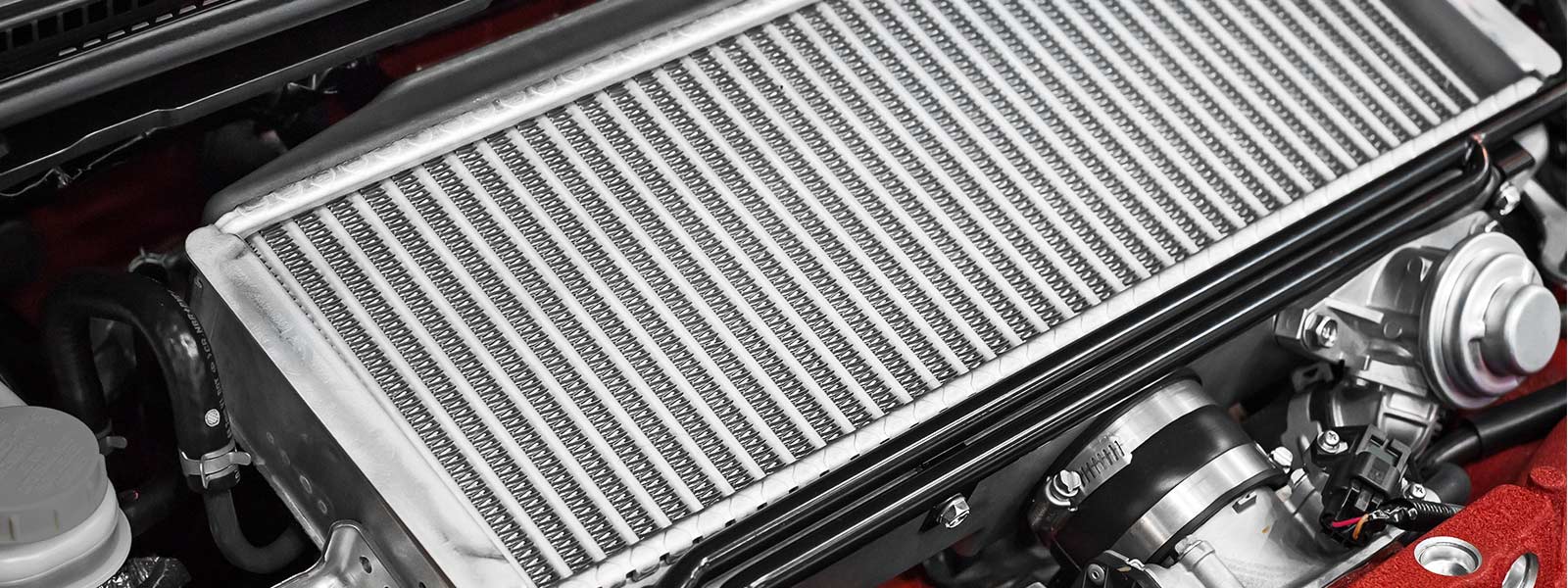
The radiator is a component of your car that often goes unnoticed and receives little attention until it experiences a problem. Your vehicle's radiator plays a crucial role in keeping your engine cool and operating at optimal temperatures. However, radiator failure can strike unexpectedly, leading to a cascade of problems that can put your vehicle's performance and even its engine at risk.

Why radiator fail?
- Corrosion: Over time, the internal components of the radiator can corrode, especially if the coolant isn't regularly flushed and replaced. Corrosion weakens the radiator's structure and can lead to leaks or blockages.
- Physical Damage: Accidents, impacts from road debris, or improper handling can cause physical damage to the radiator. Bent fins, cracked tanks, or punctured tubes can impair the radiator's ability to effectively cool the engine.
- Coolant Leaks: Leaks can occur in the radiator due to factors such as deteriorated hoses, worn-out gaskets, or damaged seals. Coolant leaks result in a loss of coolant, leading to inadequate cooling and potential engine overheating.
- Clogging and Blockages: Sediment, debris, or contaminants can accumulate in the radiator over time, obstructing the coolant flow. These blockages reduce the radiator's efficiency in dissipating heat, leading to engine overheating.
- Faulty Components: The radiator can fail if certain components within the cooling system malfunction. For example, a faulty thermostat may not regulate the coolant flow properly, causing temperature irregularities. A malfunctioning fan or a faulty pressure cap can also contribute to radiator failure.
5 signs of radiator failure
- Engine Overheating: One of the most common signs of a failing radiator is engine overheating. If your temperature gauge consistently shows high readings or if you notice steam coming from the hood, it indicates that the radiator is not effectively cooling the engine.
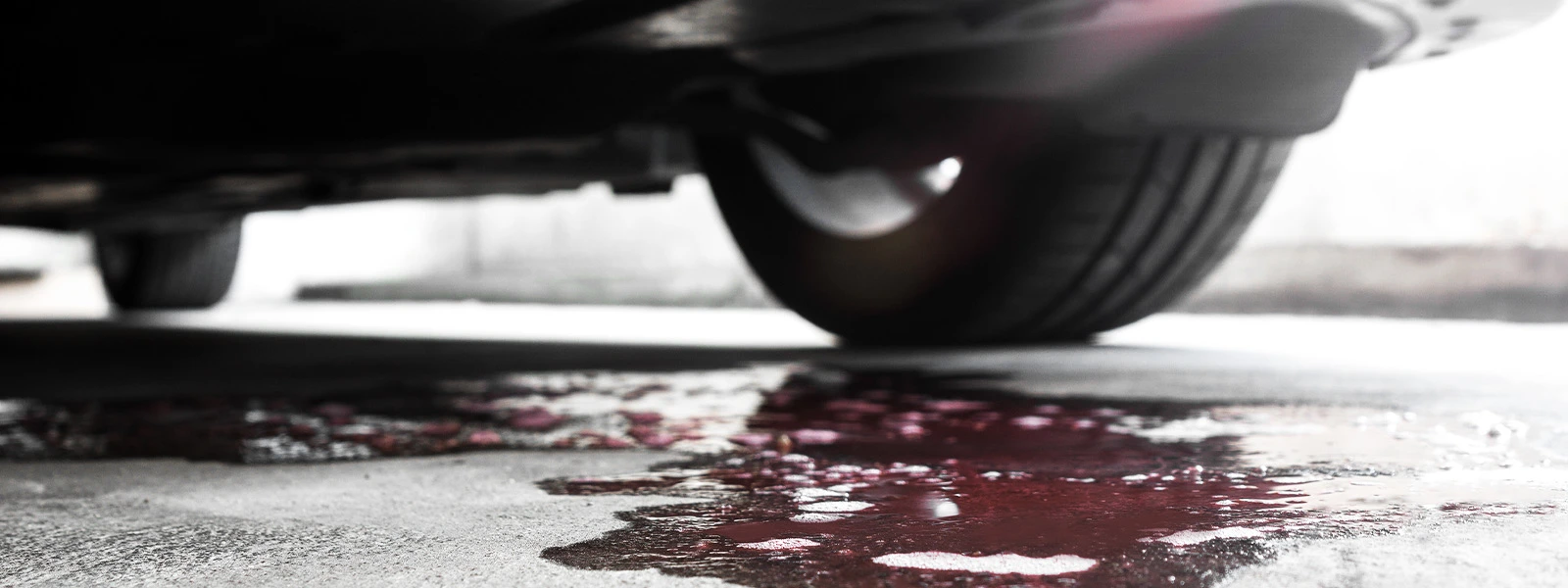
- Coolant Leaks: Any noticeable coolant leaks, such as puddles under the vehicle or a sweet-smelling aroma, suggest a radiator issue. Leaks can occur due to cracks in the radiator, damaged hoses, or faulty seals, leading to coolant loss and potential engine damage.
- Low Coolant Levels: If you frequently find yourself adding coolant to maintain proper levels, it could indicate a radiator problem. Constantly low coolant levels may be due to leaks or insufficient coolant circulation, both of which require attention.
- Discolored Coolant: Inspect the color and condition of your coolant regularly. If it appears rusty, muddy, or contains debris, it suggests contamination within the cooling system. This can result from internal corrosion or a failing radiator, reducing its ability to cool the engine effectively.
- Rapid Temperature Fluctuations: Noticeable fluctuations in engine temperature, especially sudden spikes and drops, may point to radiator issues. Inadequate coolant circulation, blockages, or a malfunctioning thermostat can cause irregular temperature readings.
How to diagnose a bad radiator?
diagnosing radiator issues can be complex, and it's important to prioritize safety. If you are uncertain or uncomfortable with the diagnosis process, it's best to consult a professional mechanic who can accurately assess the condition of your radiator and recommend the appropriate repairs or replacements.
- Engine Overheating: If your engine consistently overheats, it's a strong indicator of a radiator problem. Monitor your temperature gauge while driving and pay attention to any unusual temperature spikes.
- Coolant Leaks: Look for any visible coolant leaks around the radiator or underneath the vehicle. Puddles or stains of coolant on the ground are clear signs of a leak. Additionally, check for a sweet smell or white steam coming from the engine bay, which could also indicate a coolant leak.
- Low Coolant Levels: Regularly check the coolant levels in the radiator reservoir. If you find that you frequently need to top up the coolant, it suggests a potential leak in the system.
- Discolored Coolant: Examine the color and condition of your coolant. Clean, vibrant coolant typically indicates a healthy radiator. If the coolant appears discolored, muddy or contains debris, it may suggest contamination or rusting inside the radiator.
- Radiator Fins and Hoses: Inspect the radiator fins for any damage, such as bent or broken fins, which can obstruct airflow and reduce the cooling efficiency. Also, check the radiator hoses for cracks, bulges, or leaks. Damaged hoses can result in coolant leaks and overheating.
What other parts should also be checked when my radiator is bad?
If you have a bad radiator, it's important to check and inspect several other parts to ensure a thorough evaluation and address any underlying issues. Key parts you should check:
- Radiator Hoses: Inspect the radiator hoses for signs of damage, such as cracks, leaks, or bulges. Damaged hoses can lead to coolant leaks and affect the radiator's performance. Replace any worn-out or damaged hoses.
- Thermostat: The thermostat regulates the engine's temperature by opening and closing to control coolant flow. A malfunctioning thermostat can cause overheating or inefficient cooling. Test and replace the thermostat if necessary.
- Water Pump: The water pump circulates coolant throughout the engine and radiator. A faulty water pump can result in insufficient coolant circulation, leading to overheating. Inspect the water pump for leaks, noise, or play in the pulley. Replace if needed.
- Radiator Cap: The radiator cap maintains system pressure and helps prevent coolant loss. A faulty or worn-out radiator cap can lead to coolant leaks or pressure issues. Check the cap's condition and replace it if necessary.
Preventative measures for radiator health
To maintain the health of your radiator, ensure optimal cooling system performance, and minimize the risk of radiator failure or other cooling system issues, you are always suggested to follow these preventative measures:
- Regular Inspections: Conduct routine inspections of the radiator, hoses, and coolant levels to detect any signs of leaks, damage, or corrosion. Early detection can prevent further issues and costly repairs.
- Coolant Flush and Replacement: Follow the manufacturer's guidelines for coolant flushes and replacements. Flushing the system removes contaminants and replenishing the coolant ensures optimal radiator performance.
- Radiator Cap Maintenance: Check the radiator cap for wear or damage. Replace it if necessary to maintain proper sealing and pressure control within the cooling system.
- Clean Radiator Fins: Regularly clean the radiator fins to remove dirt, debris, and obstructions. Clear fins allow for efficient heat dissipation and prevent overheating.
- Use Quality Coolant: Choose a high-quality coolant or antifreeze that provides effective rust and corrosion protection. This helps prevent internal buildup and maintains the radiator's longevity.
- Avoid Overheating: Keep an eye on the engine temperature gauge and address any overheating issues promptly. Overheating can cause severe damage to the radiator and other engine components.
In summary, being aware of the signs and causes of radiator failure is essential for keeping your vehicle's cooling system in good condition. By paying attention to symptoms, diagnosing problems accurately, and taking proactive preventative measures, you can reduce the chances of radiator failure and avoid expensive repairs. Remember, addressing radiator issues promptly can prevent significant engine damage and keep your vehicle running smoothly on the road.