Practicality and comfort coexist: the creation of a strong Dodge Ram

As an important part of the automobile market, pickup trucks not only provide a comfortable driving experience, but also have a large cargo space, making people's daily travel more convenient, so they have always been popular among people.
The appearance has changed from square to round and full, and the interior has changed from simple and low-key to luxurious and atmospheric. After only more than 40 years of development, the Dodge Ram pickup is now in its prime and has become one of the most famous pickups in the world, and can still keep pace with the Ford F-Series pickups. It is strong, tall, and powerful, giving you a sense of security and allowing you to experience comfort and luxury. Today, this article will accompany you to review the development history of the Dodge Ram pickup.
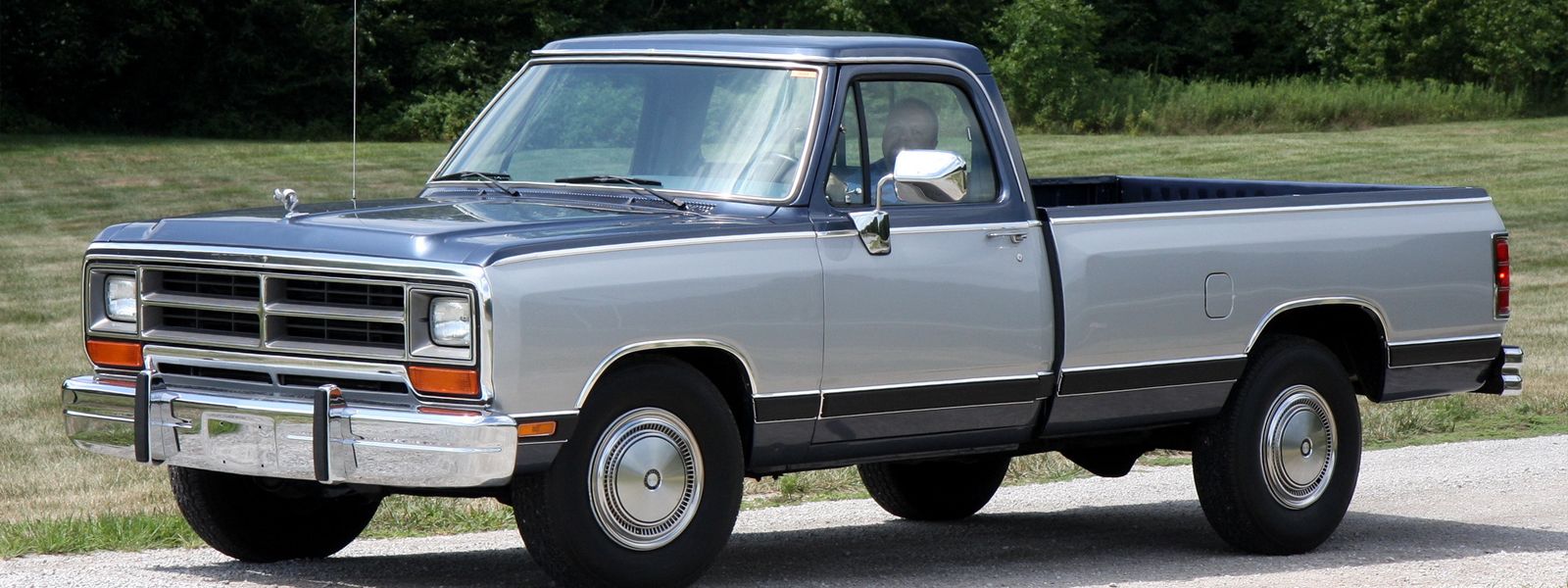
First generation Dodge Ram (1981-1993)
The first generation of Dodge Ram was based on the 1972 Dodge D-series pickup truck. At the time, the design idea of this car was to be more powerful, more practical, and more comfortable than the D-series pickup truck. When naming it, the designers wanted to give this car a more powerful name. After the designers chose Dodge's Ram logo, they caught people's attention. Finally, the English word Ram became the name of this new series of pickup trucks.
The original Ram had two drive modes to choose from: two-wheel drive and four-wheel drive. The D or Ram mode was a two-wheel drive mode, and the W or Power Ram mode was a four-wheel drive mode. This design allowed consumers to choose the model according to their actual needs.
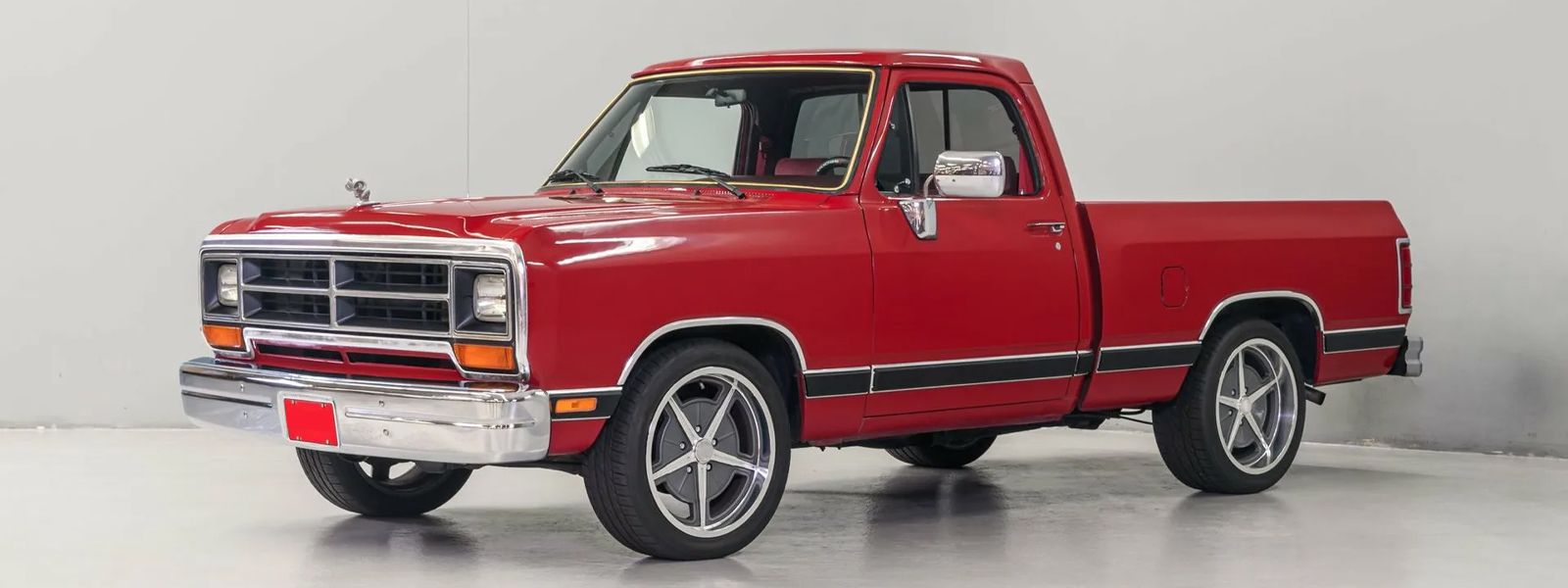
Dodge borrowed the design of Ford's F-series pickup trucks and divided the models according to different load capacities. The Utiline version has a two-meter-long rear bed, while the Sweptline has a 2.4-meter bed. In addition, the cabs are also available in different versions, such as single-row two-door and double-row four-door.
In terms of power, the initial models had inline 6-cylinder engines and 5.9L V8 engines to choose from. In 1988, Dodge upgraded the power system for Ram, and the 3.9L V6 electronic fuel injection engine replaced the previous inline 6-cylinder carburetor engine. After the engine was replaced in 1988, Dodge also equipped Ram with more practical configurations, including engine detection lights, ABS, etc. In 1989, the improved 5.9L V8 engine began to power the top-of-the-line models. In 1993, the engines of all new models began to be equipped with multi-point electronic fuel injection systems.
Second generation Dodge Ram (1994-2002)
In view of the unsatisfactory sales of the first generation, Dodge conducted extensive market research and found that for this full-size pickup truck, consumers prefer a more majestic visual effect and the car they buy looks stronger, which is what consumers expect. Based on the results of the market research, Dodge launched the second generation Ram with a brand new exterior design in 1994. This generation of Ram looks bigger and more powerful.
In terms of power, the second-generation model uses the 3.9L V6, 5.2L V8, and 5.9L V8 gasoline engines that were used in the first-generation model, and also provides a 5.9L inline 6-cylinder diesel engine. In addition to these standard engines, a V10 engine with a displacement of up to 8.0L also appears in the configuration list.
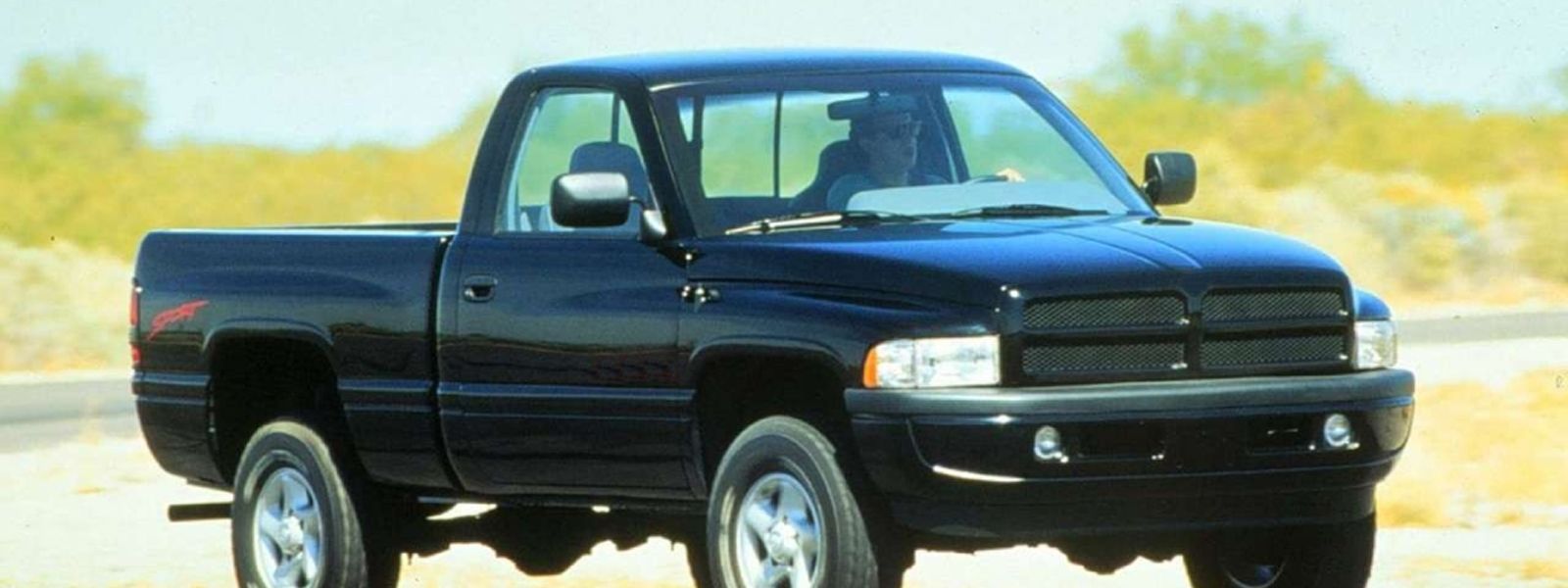
Dodge uses numbers to distinguish different RAM models according to different load capacities. The Ram 1500 has a load capacity of 0.5 tons, the Ram 2500 has a load capacity of 0.75 tons, and the Ram 3500 has a load capacity of 1 ton. In order to ensure sufficient load capacity, Dodge equipped the Ram 3500 with a rear four-wheel design, with two wheels on each side to share the weight. The changes are not limited to the appearance. The interior design of the second-generation Ram has also changed a lot. The car has plenty of storage space, including the glove box, front center armrest box, etc. The dashboard has also become more modern.
The second generation Ram was a huge success, with sales reaching 240,000 in its first year, twice the total sales of the first generation. In 1995, it sold 280,000 units, and by 1996, that number had reached nearly 400,000 units.
Third generation Dodge Ram (2002-2008)
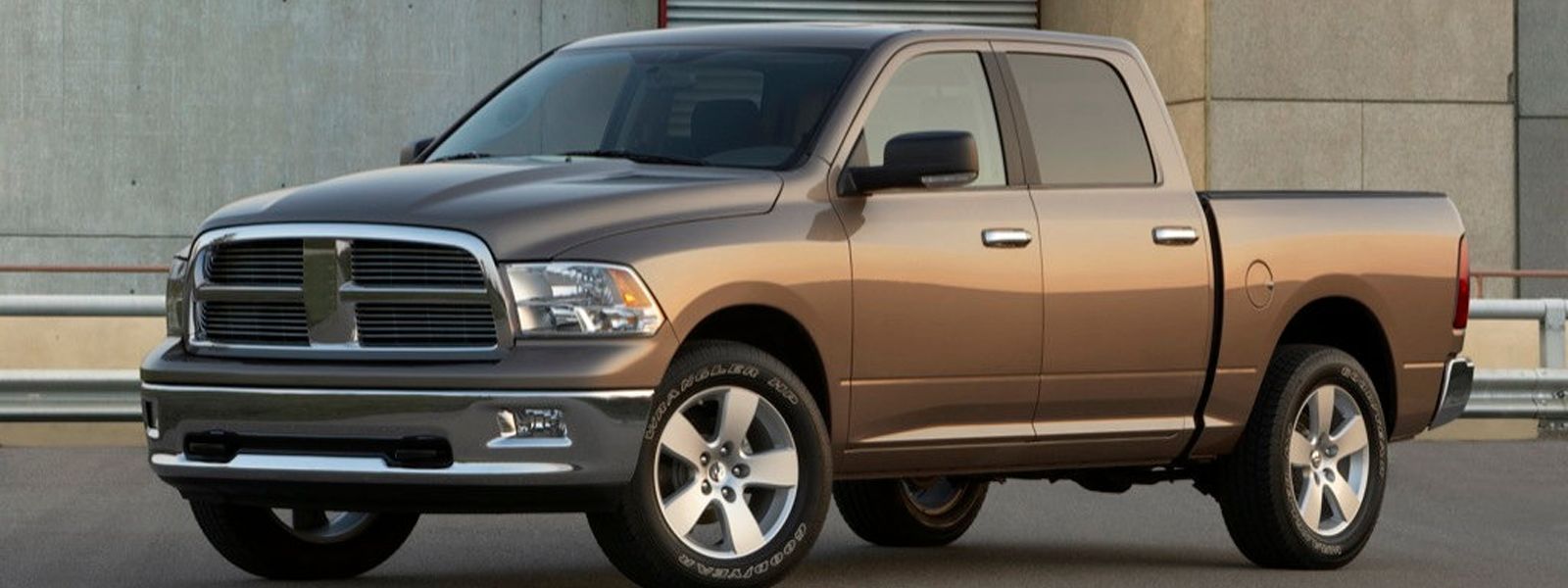
In 2002, Dodge released the third generation of Ram, initially launching only the Ram 1500, and then the third generation Ram 2500 and Ram 3500 models in 2003. The third generation model is built on a new platform and has a new frame, suspension system, power system, and interior design.
In 2006, the third-generation model was unveiled. In addition to the changes in appearance, Dodge equipped Ram with a 5.7L Hemi V8 engine, which can produce a maximum power of 345 horsepower and a maximum torque of 508N·m. In 2008, two more powerful models were released, the Ram 4500 and Ram 5500, with a load capacity of 7.5 tons and 8.8 tons respectively, which is no different from a standard medium-sized truck.
Fourth-generation Dodge Ram (2009 to present)
At the end of 2008, the fourth generation of Ram was officially unveiled at the Detroit International Auto Show. The fourth generation model continued the design concept of the previous generation, maintaining Dodge's traditional design and adding more new elements.
When the fourth generation of Ram pickup trucks was launched, it was equipped with three gasoline engines, 3.7L, 4.7L, and 5.7L, and a 6.7L diesel engine. Among them, the 5.7L engine is Chrysler's latest HEMI V8 engine, with a maximum power of 45 horsepower more than the old HEMI engine on the third generation model, reaching 390 horsepower, and fuel consumption has also been reduced by 4%.
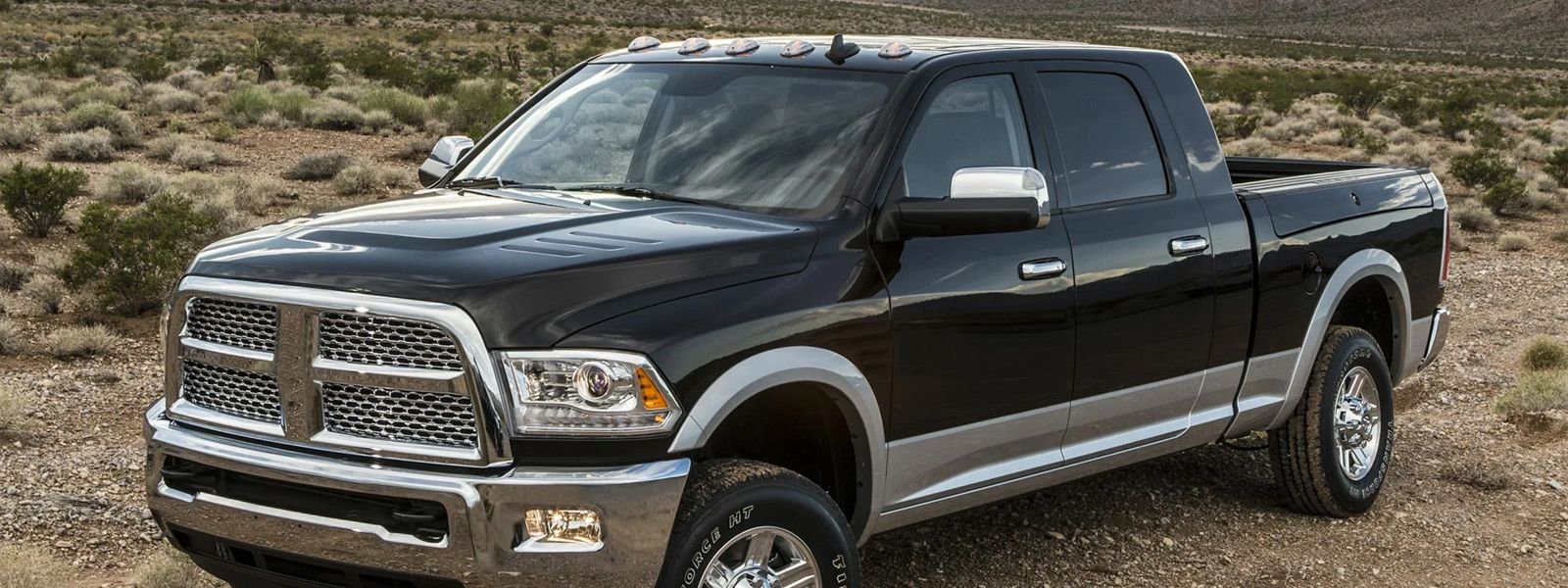
The latest Ram pickup comes equipped with four-wheel disc brakes as standard, enhancing its safety credentials. It also features important driver assistance technologies like side airbags and electronic stability control (ESP). Notably, the Ram excelled in front collision testing by the U.S. National Highway Traffic Safety Administration, earning a top 5-star safety rating.
At the Chicago Auto Show, Dodge debuted the rugged Ram 2500 Power Wagon model. Maintaining the classic American truck styling - bold and commanding in presence. Under the hood, the Power Wagon packs a potent 6.4L HEMI V8 engine, delivering 410 horsepower and 582 Nm of torque. This formidable powertrain is paired with a 6-speed automatic transmission and a four-wheel drive system.
Conclusion
If a car wants to be popular, it does not rely on fancy boasting or flashy publicity, but on truly grasping the hearts of consumers and understanding the needs of the public. As a pickup truck enthusiast, the author also expects that the Dodge Ram series of pickup trucks will be able to produce even better products in the future, and will not be unworthy of the title of the world's "top three pickup trucks".


