P0456 Code: Diagnosing a Small EVAP Leak

The P0456 trouble code indicates a small leak in the vehicle's evaporative emission system. Possible causes include a loose or damaged fuel cap, defective purge valve, cracked hoses, among others.
Initially, it's important to note that not all vehicle platforms will display the P0456 code. Depending on your specific vehicle, you might never encounter this particular code.
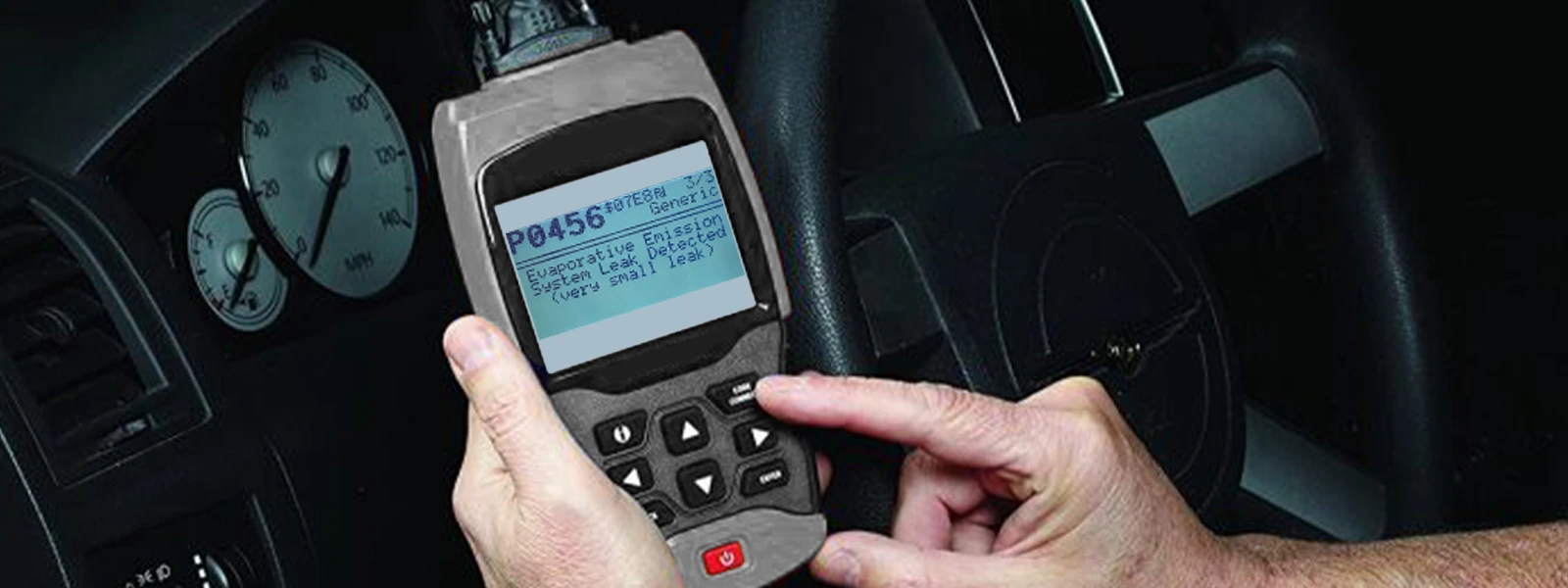
The Diagnostic Trouble Code (DTC) P0456 refers to the detection of a "Small Leak" within the Evaporative Emission System (EVAP). When your vehicle's computer detects a minor leak within the EVAP system, it triggers this specific code.
What Does the P0456 Code Mean
The P0456 trouble code is defined as "Evaporative Emissions System Small Leak Detected." This code indicates that the vehicle's On-Board Diagnostics (OBD-II) system has detected a small leak in the evaporative emissions control system.
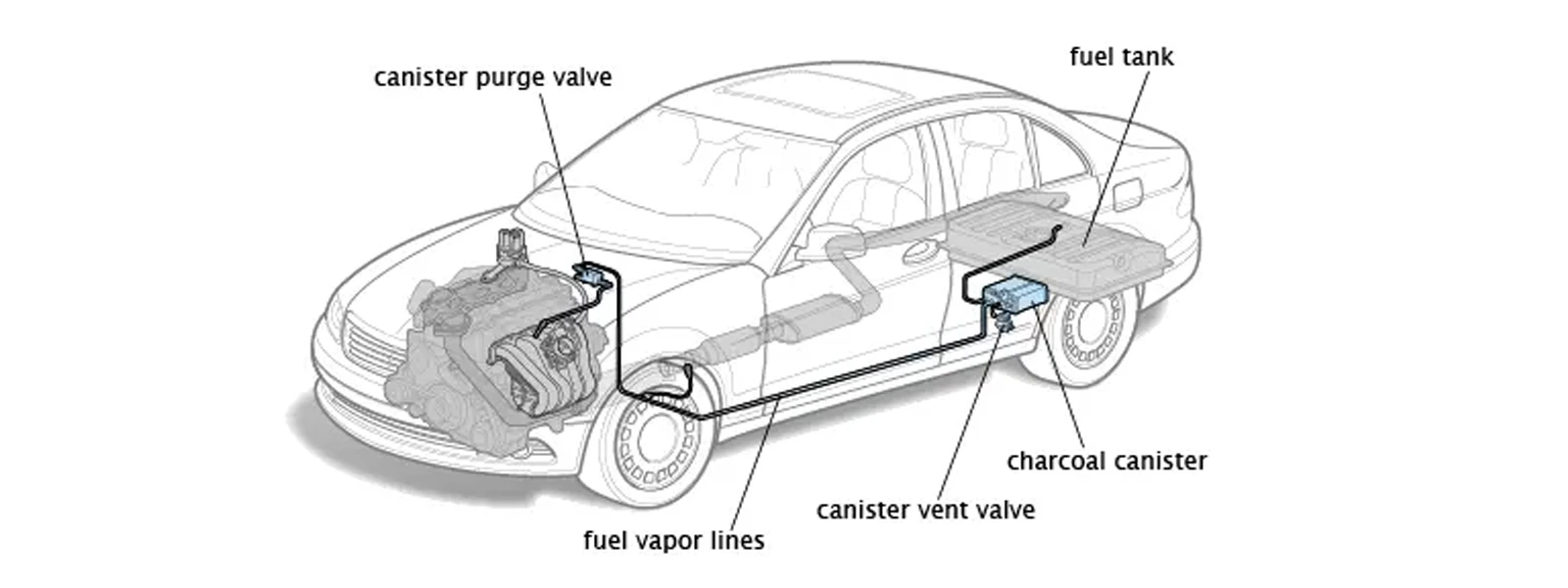
A small leak in the system can occur for various reasons, such as a loose or damaged gas cap, a cracked or damaged hose, or a faulty evaporative emissions system component. While this code typically does not indicate a serious problem that affects drivability, it is important to address it to prevent environmental pollution and ensure the vehicle's emissions system is functioning properly.
To diagnose and repair the P0456 trouble code, it is recommended to inspect the evaporative emissions system components, check for leaks, and perform necessary repairs or replacements as needed. Additionally, resetting the trouble code with an OBD-II scanner after addressing the issue can verify if the problem has been resolved.
What are the Possible Causes of the P0456 Code
The P0456 code, indicating a small leak in the Evaporative Emission Control System (EVAP), can be triggered by various factors. Some possible causes include:
- Loose or damaged fuel cap: A loose, improperly installed, or damaged fuel cap can lead to a small leak and trigger the P0456 code.
- Defective purge valve: The purge valve controls the flow of fuel vapors from the EVAP system to the engine. A malfunctioning purge valve can cause leaks and trigger the code.
- Faulty vent valve: The vent valve allows fresh air to enter the EVAP system while preventing fuel vapors from escaping. If the vent valve is stuck open or closed, it can cause leaks and trigger the code.
- Cracked or damaged EVAP hoses: Over time, EVAP hoses can become brittle or develop cracks, leading to leaks and triggering the P0456 code.
- Defective EVAP canister: The EVAP canister stores fuel vapors temporarily before they are purged into the engine. A cracked or damaged canister can cause leaks and trigger the code.
- EVAP system leaks: Any other leaks in the EVAP system, such as at hose connections or fittings, can trigger the P0456 code.
- Faulty ESIM switch (in some vehicles): In certain vehicles equipped with an Emission System Integrity Monitor (ESIM), a malfunctioning ESIM switch can cause false readings and trigger the code.
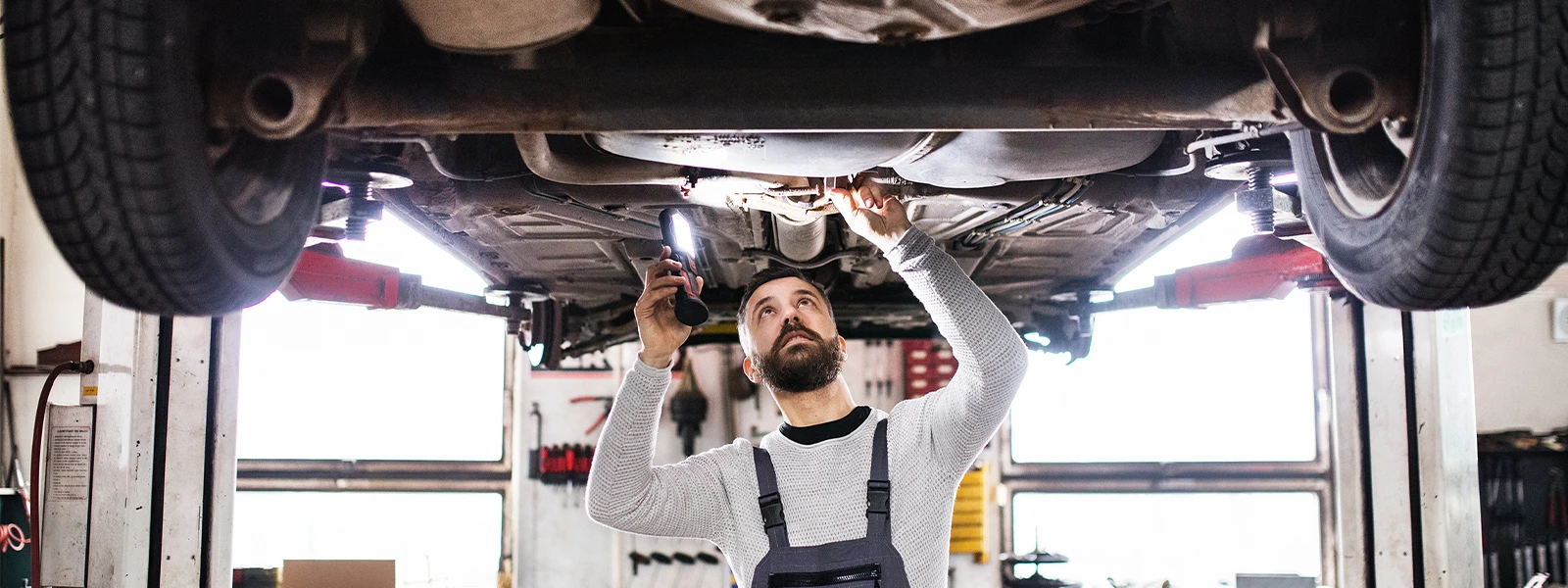
These are some of the common causes associated with the P0456 code, but diagnosing the specific cause may require further inspection and testing of the EVAP system components.
What are the Common Symptoms of the P0456 Code
The P0456 code typically doesn't cause noticeable drivability issues, but it can lead to several symptoms, including:
- Check Engine Light (CEL) illumination: The most common symptom of the P0456 code is the illumination of the Check Engine Light on the vehicle's dashboard. This light indicates a problem with the emissions control system.
- Fuel smell: In some cases, a small fuel smell might be noticeable, especially around the fuel filler neck or near the rear of the vehicle, indicating a potential leak in the EVAP system.
- Increased fuel consumption: A small leak in the EVAP system can cause the engine to run slightly richer than normal, resulting in increased fuel consumption over time.
- Failed emissions test: If the P0456 code is not addressed and the Check Engine Light remains illuminated, the vehicle may fail an emissions test during inspection or registration renewal.
- Rough idle or stalling (rare): In rare cases, a severe EVAP system leak might affect engine performance, leading to rough idling or even stalling.
These symptoms may vary depending on the severity of the leak and other factors. If you notice any of these signs or if the Check Engine Light is illuminated, it's essential to have the vehicle diagnosed and repaired by a qualified mechanic to prevent further emissions-related issues.
How to Fix the P0456 Code
Fixing the P0456 code involves diagnosing the root cause of the EVAP system leak and then addressing the issue accordingly. Here's a general outline of steps to fix the P0456 code:

- Inspect the fuel cap: Check the fuel cap to ensure it is tight, undamaged, and properly sealing the fuel tank. If the cap is loose, damaged, or missing, replace it with a new one and clear the trouble code.
- Check EVAP system components: Inspect the EVAP system components, including hoses, valves, and charcoal canister, for signs of damage, cracks, or leaks. Replace any faulty components as necessary.
- Test purge valve and vent valve: Use a scan tool to command the purge valve and vent valve to open and close. Check for proper operation and ensure they seal when closed. Replace any defective valves.
- Inspect EVAP system hoses: Inspect all EVAP system hoses for damage, cracks, or loose connections. Replace any damaged hoses and ensure all connections are secure.
- Check for leaks: Use a smoke machine or EVAP system leak detector to pressurize the system with smoke and locate the source of the leak. Repair or replace any leaking components.
- Test ESIM switch (if applicable): For vehicles equipped with an Emission System Integrity Monitor (ESIM), test the ESIM switch for proper operation and replace if faulty.
- Clear trouble codes: After repairing or replacing any faulty components, clear the trouble codes using a scan tool. This will reset the Check Engine Light and allow you to verify if the issue has been resolved.
- Drive cycle: Perform a drive cycle to allow the vehicle's computer to run diagnostic tests on the repaired EVAP system. This will help ensure that the P0456 code does not return.
If you're not confident in diagnosing and repairing the EVAP system yourself, it's recommended to seek assistance from a qualified mechanic or automotive technician. They can use specialized tools and equipment to diagnose the issue accurately and perform the necessary repairs.


