P0443 Code: Evaporative Emission Control Valve Circuit

The P0443 code signals a problem with the Evaporative Emission Control System's purge control valve circuit. Addressing this issue is crucial, as it can affect fuel efficiency and engine performance, necessitating timely repairs.

Suggested A-Premium Parts


Seeing a glowing check engine light on your dashboard is always frustrating, but if your OBD-II scan tool pulls DTC P0443, you have a specific roadmap to follow. This generic powertrain code stands for "Evaporative Emission System Purge Control Valve 'A' Circuit Malfunction." When a P0443 code triggers, the vehicle's computer has flagged a distinct electrical circuit fault directly tied to the canister purge valve (also known as the purge solenoid). Common causes of the P0443 code include a defective EVAP purge control valve, damaged or corroded electrical wiring, and loose or corroded electrical connectors.
Let's find out what the p0443 diagnostic trouble code means, its operational physics, the following symptoms to watch for, common root causes, and how to execute a professional repair.
The Physics of the EVAP Purge Control Valve Circuit
The Evaporative Emission Control (EVAP system) plays a crucial role in vehicle environmental compliance and fuel efficiency. The EVAP system includes a charcoal canister that traps fuel vapors when the engine is off, preventing them from being released into the atmosphere.
The purge control valve acts as the electronic gatekeeper of this entire transfer process. The system architecture operates via a continuous feedback loop:
-
Power Supply: The purge control valve circuit is supplied with a steady 12-volt battery power feed via a dedicated relay or fuse when the ignition is turned on.
-
Ground Control: Rather than utilizing a simple constant ground, the Powertrain Control Module (pcm) or Engine Control Module (ecm) controls the ground side of the circuit using a Pulse-Width Modulated (PWM) signal.
-
Dynamic Operation: By rapidly pulsing the ground circuit open and closed, the pcm commands the valve to open at specific times to redirect fuel vapors from the charcoal canister into the intake manifold, allowing them to be cleanly burned in the engine without disturbing the air-fuel ratio.
When the computer monitors this circuit, it expects to see specific voltage behavior. If the computer commands the valve to turn off but detects zero voltage on the signal return wire, or if it commands it on and detects an excessive voltage drop or open circuit, it recognizes that electrical control has failed. This structural circuit breakdown is exactly what illuminates the engine light.

Symptoms: Signs of an EVAP Purge Malfunction
When the P0443 code is actively stored in the vehicle's control memory, a driver will typically notice one or more of the following symptoms, although the vehicle may still drive normally:
-
An Illuminated Check Engine Light: The onboard diagnostic computer immediately activates the amber check engine light to notify the driver of an emission-critical system breakdown.
-
Slight Deterioration in Fuel Economy: Because the computer can no longer calculate when extra fuel vapors are enriching the combustion chamber, it enters a less efficient default operating strategy, hurting overall fuel economy.
-
Rough Idling and Fluctuating Engine Performance: If the purge control valve becomes mechanically stuck open, it creates an unmetered vacuum leak directly into the intake manifold. This causes a lean air-fuel mixture, resulting in rough idling or engine stumbling.
-
A Strong Fuel Smell When Parked: If a circuit breakdown prevents the purge solenoid from venting built-up vapors, excessive tank pressure can force vapors to bleed through seams, leading to a strong gasoline odor around the vehicle.
-
A Failed Emissions Test: An active p0443 code will cause an immediate automatic rejection during a state mandatory emissions inspection.
Common Root Causes of P0443
A P0443 circuit fault is unique because it specifically targets the electrical path rather than a pure plumbing leak. The most frequent causes include:
-
A Defective Purge Control Valve: The solenoid's internal copper coils can short out, crack from heat stress, or develop high electrical resistance over time, causing it to fail electrical circuit tests.
-
Wiring Harness Damage or Corrosion: Exposed under-hood wiring is vulnerable to engine heat, oil saturation, and moisture intrusion, which lead to an open circuit, short to ground, or severe terminal corrosion.
-
A Blown Fuse or Faulty Relay: If the structural fuse feeding the EVAP solenoid snaps due to an unexpected voltage spike, the valve instantly loses all power.
-
Loose Connections at the Connectors: Unsnapped lock tabs on the plastic housing can back out slightly due to engine vibration, breaking clean pin contact.
-
A Faulty PCM or ECM: In rare cases, the internal solid-state ground driver inside the computer burns out, preventing the module from pulsing the ground circuit cleanly.
Brand-Specific Manufacturer Tendencies
While DTC P0443 is universally defined across all OBD-II automotive platforms, different manufacturers exhibit unique, real-world failure patterns due to distinct component layouts and engine bay environments:
P0443 Code Ford
On many Ford truck and passenger platforms—particularly older F-150 and Explorer models—a P0443 fault is a notorious regular guest. The issue is frequently driven by an internal short-circuit within the purge valve housing itself. When this coil winds down and shorts, it immediately blows a primary engine management fuse in the power distribution box, instantly dropping voltage to multiple emission components simultaneously.
P0443 Code Chevrolet / GMC
If you are dealing with a P0443 on a Chevrolet or GMC vehicle, the underlying problem often lies in the wiring harness rather than the sensor itself. General Motors' routing frequently subjects the EVAP harness to severe chafing along the transmission tunnel or tight intake cover plates. Over time, engine vibration cuts through the insulation, creating a direct short to ground. Additionally, factory canister purge valves on these trucks are highly susceptible to moisture intrusion, causing early electrical failure.
Toyota DTC P0443
For Toyota owners, a P0443 alert is commonly triggered by a fault in the factory Vacuum Switching Valve (VSV). Toyota's system monitoring is exceptionally sensitive to internal resistance changes. If the VSV’s internal windings develop an open circuit from heat cycling, or if a shared sensor fuse blows, the computer immediately flags the circuit loop.

Step-by-Step Diagnostic and Repair Protocol
To successfully diagnose and fix a P0443 fault without needlessly replacing healthy parts, technicians should follow this structured automotive diagnosis framework:
1. Circuit Voltage and Scan Verification
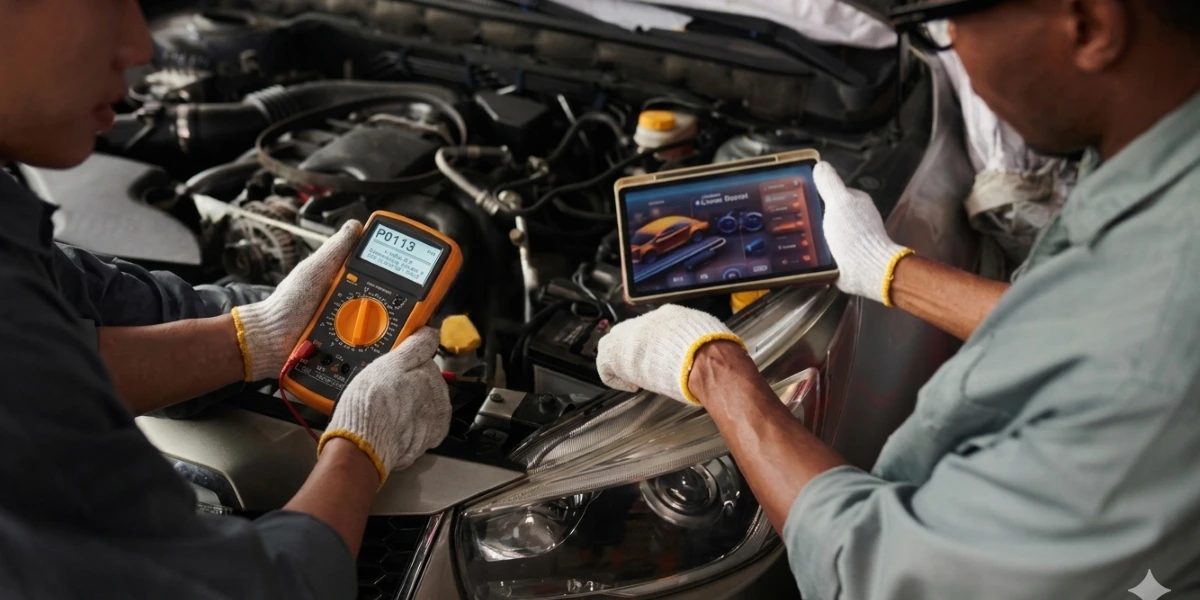
Hook up your diagnostic scan tool to look for additional EVAP error codes that could provide broader context. Next, locate the purge control valve, disconnect the harness connector, and set your digital multimeter to DC volts. With the vehicle's key in the ignition-on, engine-off position, touch the negative lead to a clean chassis ground and the positive lead to the power supply pin on the harness.
You must read full battery voltage (~12V). If you read zero volts, check for a blown fuse or a faulty system power relay.
2. Test Solenoid Resistance
Switch your multimeter to measure internal resistance (Omega). Touch the meter probes directly across the two male pins on the purge control valve itself at its connector.
Compare this reading to factory specifications found in your vehicle service manual (typically between 15 to 30 ohms). An infinite reading (OL) reveals an open circuit internal failure, proving the solenoid is defective and requires replacement.
3. Check for Harness Corrosion and Loose Connections
Visually inspect the electrical pins and wiring on both sides of the harness connectors for any signs of physical damage or degradation. Look for green copper oxidation or pushed-back pins. Clean away any corrosion using electrical contact cleaner, and check the entire wire path back toward the ain loom for broken or melted insulation.
4. Clear the Fault Memory
Once the root cause is discovered and corrected, use your scan tool to clear the stored codes from the module memory, and perform a comprehensive road test to allow the readiness monitors to reset and confirm the proper operation of the EVAP loop.
High-Quality Replacement Parts with A-Premium
When tackling an EVAP circuit fault, using uncalibrated economy replacement sensors can trigger recurring check engine lights due to incorrect resistance tolerances that fail computer circuit checks.
At A-Premium, we manufacture exact-fit canister purge valve assemblies, advanced electronic solenoids, and heavy-duty connectors designed to perfectly mirror original equipment resistance and cycle parameters. Engineered to withstand high under-hood temperatures and resist fuel vapor degradation, A-Premium components ensure your vehicle passes its next emissions inspection with ease.
Explore our tailored automotive database at A-Premium.com to select the precise EVAP parts for your year, make, and model, backed by free shipping nationwide.
Frequently Asked Questions (FAQs)
Can a loose gas cap cause a P0443 code?
No. While a loose gas cap is a famous cause for an evap system warning, it typically triggers codes like P0455 or P0457, which indicate a physical vacuum leak. Code P0443 is exclusively dedicated to an electrical circuit malfunction within the purge valve wiring control path.
Is it safe to drive with code P0443 active?
Yes, it is generally safe for short-term driving with a P0443 code, because an EVAP failure does not stall vital engine mechanical components. However, long-term exposure can lead to a failed emissions test, slightly diminished fuel economy, or potential thermal loading damage to the catalytic converter.
How much does it cost to fix a P0443 trouble code?
The final cost is highly dependent on the vehicle make, model, and the underlying root cause:
-
Purge Valve Replacement: Replacing a defective EVAP purge control valve typically ranges from $50 to $200.
-
Wiring Repairs: Repairing or replacing damaged electrical wiring related to the P0443 code can cost between $200 and $1,000, depending on the extent of the layout damage and local shop labor rates.
-
ECM Replacement: In rare cases, replacing a failed Engine Control Module (ecm) can cost between $200 and $1,000, heavily influenced by the complexity of the factory software installation and programming.


