P0335: Crankshaft Position Sensor A Circuit Malfunction

When the P0335 code is triggered, it suggests that the ECM is detecting an open circuit, short circuit, or other electrical fault related to the crankshaft position sensor.

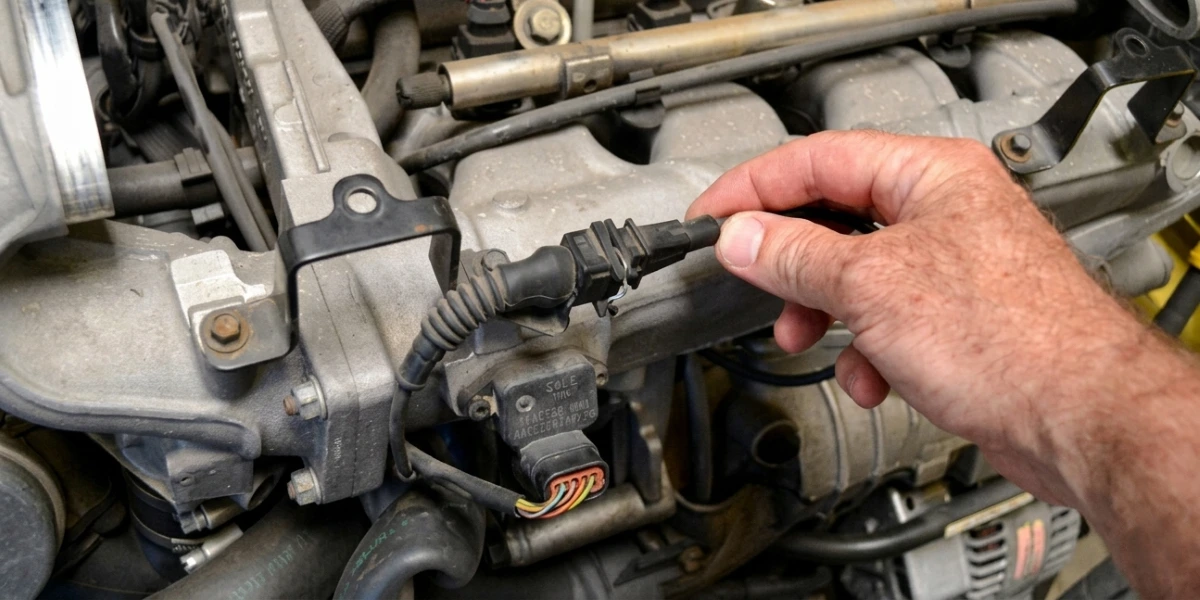
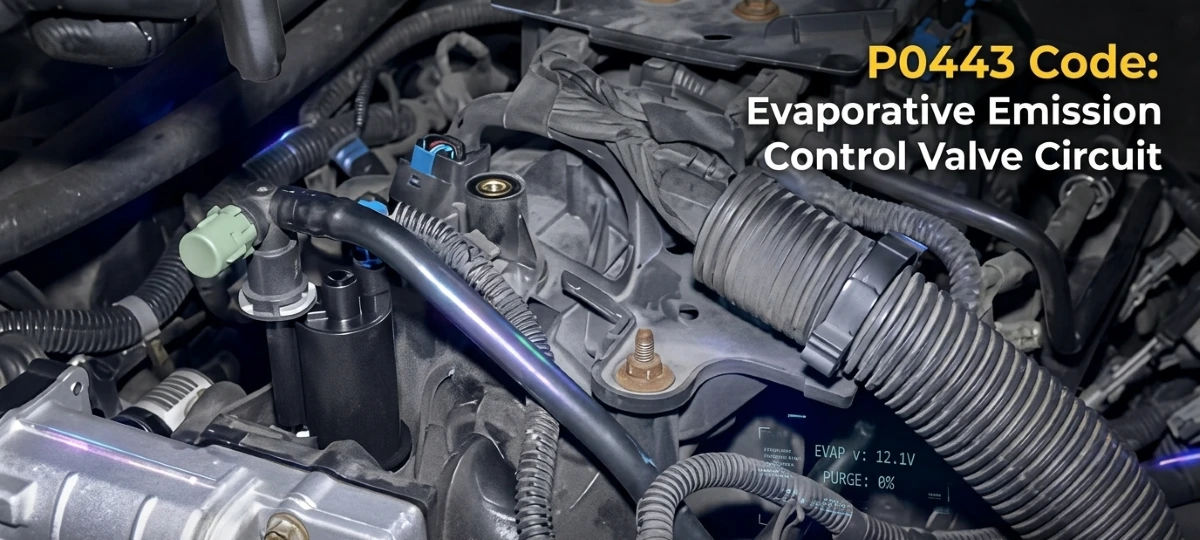


The array of onboard diagnostic error codes in modern automobiles has grown increasingly intricate, with one such code being the P0335. This code indicates an issue with the crankshaft position sensor - a component that plays an essential role in the engine's proper functioning. By continuously monitoring the position and rotational velocity of the crankshaft, the sensor provides critical data to the engine control module (ECM). Should the ECM detect a problem within the crankshaft position sensor circuit, it will log the P0335 trouble code, alerting the driver to a potential issue. For vehicle owners and mechanics alike, recognizing the symptoms linked to a P0335 code, as well as understanding the underlying causes, is paramount to effectively diagnosing and resolving this common engine problem. Failure to address a P0335 code can impact engine performance, fuel efficiency, and emissions.
What Does the Code P0335 Mean
The P0335 diagnostic trouble code indicates an issue with the crankshaft position sensor in a vehicle's engine. This sensor is a critical component responsible for continuously monitoring the position and rotational speed of the engine's crankshaft, relaying this data to the engine control module (ECM) to support precise control of ignition timing, fuel injection, and other engine functions.
When the ECM detects a problem with the crankshaft position sensor circuit, it will set the P0335 code, which can arise due to sensor failure, wiring issues, or synchronization problems between the sensor and ECM. Symptoms of a P0335 code may include rough engine running, starting difficulties, reduced power and performance, and an illuminated check engine light. To resolve the issue, a mechanic will need to diagnose the underlying cause and likely replace the crankshaft position sensor or repair any wiring problems, as proper functioning of this sensor is essential for normal engine operation.
Possible Causes of the P0335 Code
- The P0335 diagnostic fault code can stem from a variety of issues with the crankshaft position sensor. One of the most prevalent causes is outright malfunction or failure of the sensor itself, preventing it from conveying accurate data about the crankshaft's orientation and rotational velocity to the engine control module (ECM).
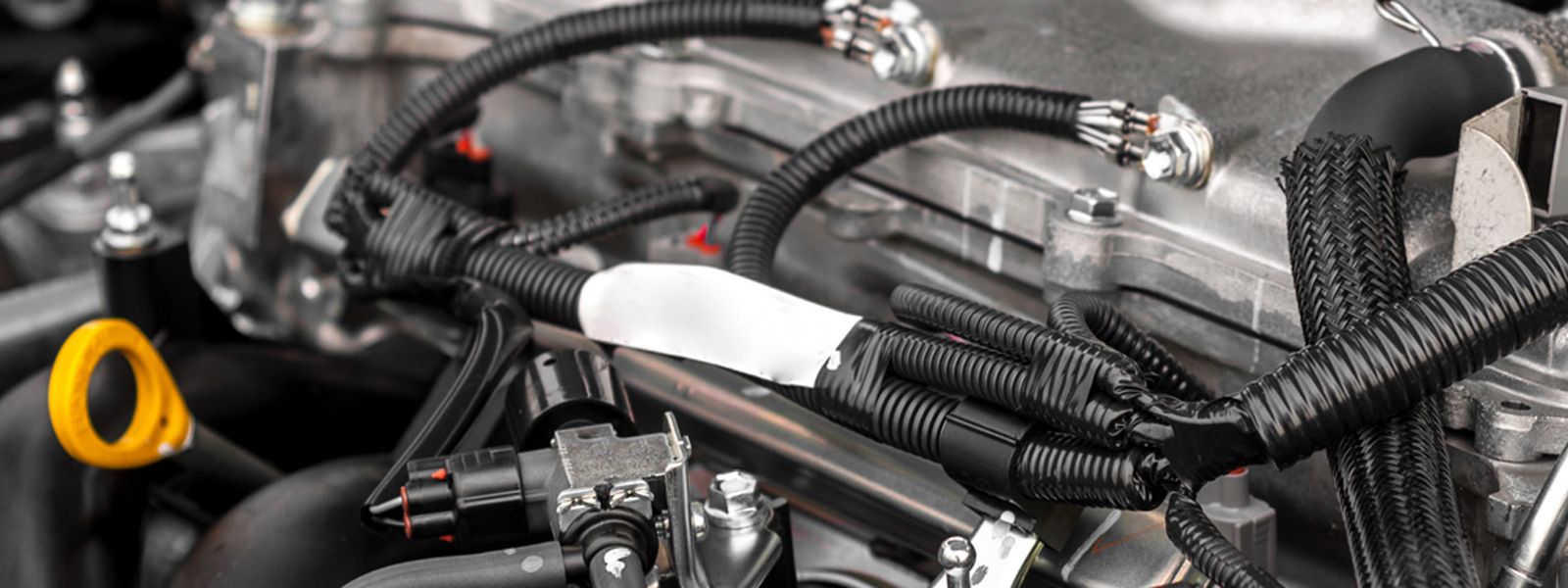
- Faulty wiring within the connector circuit linking the sensor to the ECM also ranks among the common culprits behind a P0335 code. Damaged, corroded, or loose connections in this wiring harness can disrupt the flow of information, triggering the trouble code.
- Synchronization difficulties between the sensor and ECM represent another potential source. If the ECM struggles to properly synchronize the crankshaft position data it receives, a P0335 fault may be logged.
- Low battery voltage levels can also contribute to problems with the crankshaft position sensor circuit, leading to the illumination of the P0335 trouble code.
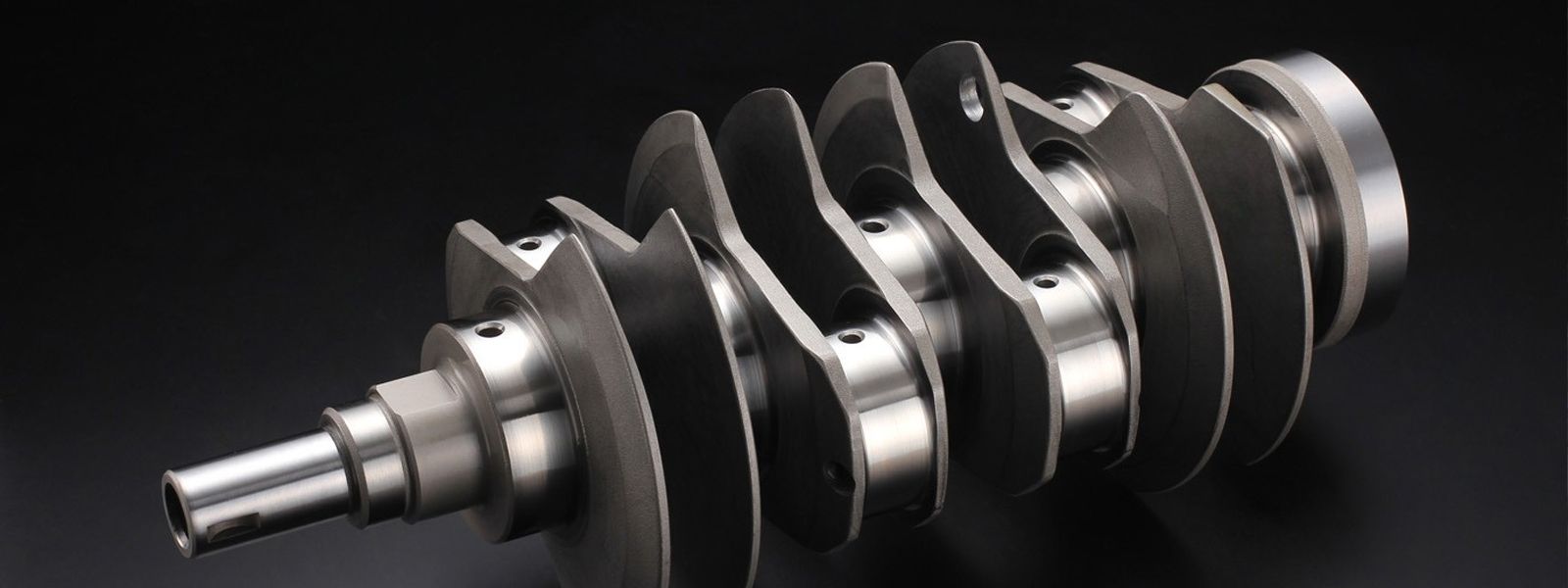
- In some cases, underlying mechanical issues within the engine itself, such as damage to the crankshaft or related components, may impact the sensor's ability to provide accurate readings, resulting in the P0335 diagnostic trouble code.

Common Symptoms of the P0335 Code
- One of the most noticeable indicators is an engine that runs in an uneven or unstable manner, misfiring, or even abruptly stalling. The inaccurate crankshaft position data being fed to the ECU can disrupt proper ignition timing and fuel delivery, leading to these drivability complications.
- The P0335 code can also make it challenging to initiate engine start-up, especially when the vehicle has been idle for an extended period. The ECU's inability to properly synchronize the crankshaft position information can hinder the engine's ability to commence operation smoothly.
- Additionally, with the crankshaft position sensor malfunctioning, the ECU may not be able to optimize engine operation, resulting in a perceptible decline in power, acceleration, and overall performance capabilities.
- As with the majority of diagnostic fault codes, the illumination of the vehicle's malfunction indicator lamp on the dashboard will signal the P0335 code. This alerts the driver that an issue has been detected and a diagnostic fault code has been registered.
- These prevalent symptoms serve as the driver's initial indication that something is amiss with the crankshaft position sensor. Addressing the underlying cause of the P0335 code, whether it's a faulty sensor, wiring problem, or synchronization issue, is crucial to restoring normal engine function and performance.

Possible Solutions of the P0335 Code
When a vehicle's engine control unit (ECU) triggers a P0335 diagnostic code, indicating an issue with the crankshaft position sensor, technicians typically start by thoroughly inspecting the component. This involves visually examining the part for any physical impairment or signs of wear, as well as performing electrical tests to verify the sensor is providing the proper voltage and resistance readings. The wiring harness and connections linking the sensor to the ECU are also carefully scrutinized for any damaged, corroded, or loose wiring that could disrupt the information flow.
If the sensor and associated wiring appear satisfactory, the technician may need to diagnose any underlying synchronization problems. This could require reprogramming the ECU or addressing mechanical issues preventing the control unit from properly syncing the crankshaft position data. Insufficient battery voltage can also contribute to complications with the sensor circuit, so the vehicle's battery and charging system are checked as well. If all else fails, the final solution may be to replace the crankshaft position sensor.
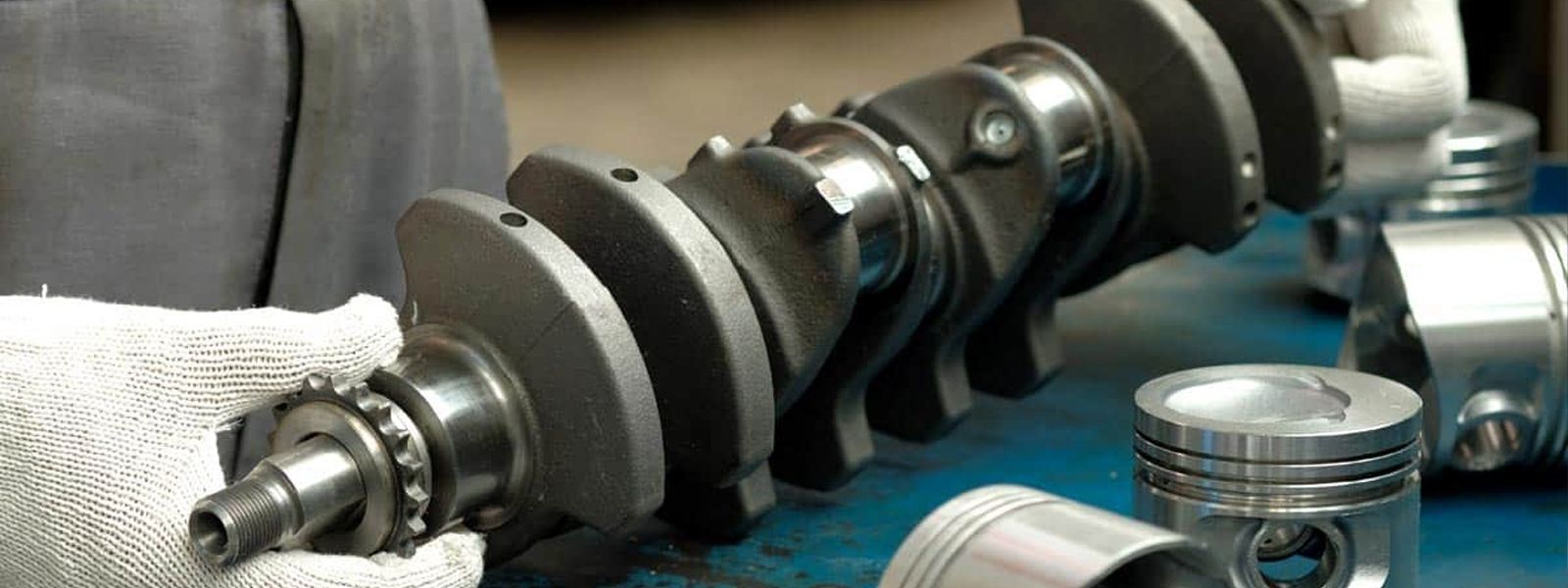
Driving Perfection: A-Premium Crankshaft Sensors
A-Premium's crankshaft position sensors are engineered to deliver uncompromising precision, exceptional performance, and unparalleled durability. Our sensors feature advanced materials and manufacturing techniques, boasting fabulous accuracy and stability to optimize engine performance, fuel efficiency, and emissions control. Built to withstand harsh environments, our robust design minimizes downtime and costly repairs. Coupled with exceptional sensitivity and universal compatibility, our crankshaft position sensors offer the perfect balance of responsiveness and versatility, making them the ideal choice for any vehicle. In addition to offering a 90-day free return policy and a 3-year warranty, our customer service team is available 24/7 to assist you.


