P0134 Code: O2 Sensor Circuit No Activity Detected (Bank 1 Sensor 1)

Addressing the P0134 code can improve fuel efficiency, and reduce emissions, resulting in a smoother driving experience. Additionally, informing about this code enables better communication with mechanics, ensuring more accurate diagnostics and repairs.


Suggested A-Premium Parts


In the world of automotive diagnostics, understanding trouble codes is essential for maintaining optimal vehicle performance. One such code that often raises concern among drivers and technicians alike is the P0134 code. This code serves as an important indicator of potential issues within the vehicle's oxygen sensor system, which plays a critical role in managing fuel efficiency and emissions.
What Does the P0134 Code Mean
The P0134 code signifies an issue with the oxygen sensor circuit for bank 1 sensor 1, usually situated before the catalytic converter. This code indicates that the engine control module (ECM) has identified a malfunction in the sensor's functionality or circuit, potentially caused by a defective oxygen sensor, wiring problems, exhaust leaks, or engine performance issues. Resolving the P0134 code ensures optimal engine operation, enhances fuel efficiency, and minimizes emissions.

Possible symptoms of the P0134 Code
- Check Engine Light: The most common indicator is the illumination of the check engine light on the dashboard.
- Poor Fuel Economy: Drivers may notice a decrease in fuel efficiency due to improper air-fuel mixture.
- Rough Idling: The engine may run unevenly or exhibit rough idling.
- Decreased Engine Performance: There may be a noticeable loss of power or acceleration.
- Emissions Test Failure: Vehicles may fail emissions testing due to incorrect readings from the oxygen sensor.
- Increased Exhaust Emissions: The vehicle may produce higher emissions, contributing to environmental concerns.
- Being aware of these symptoms can help in diagnosing and addressing the issue promptly.
Common causes of the P0134 Code
Common reasons for the P0134 code include a defective oxygen sensor, which is the most prevalent concern. Furthermore, issues with wiring, such as damaged or corroded connections, can disrupt the signal to the engine control module (ECM). Exhaust leaks might also interfere with the sensor’s readings, while overall engine issues, like a rich or lean fuel mixture, can result in inaccurate sensor data.
Additional possible causes include a malfunctioning ECM, which may incorrectly trigger the code, and contaminated sensors that could be affected by oil or fuel. Recognizing these underlying problems is essential for effectively addressing the P0134 code and ensuring proper engine functionality.
Recommended repairs of the P0134 Code
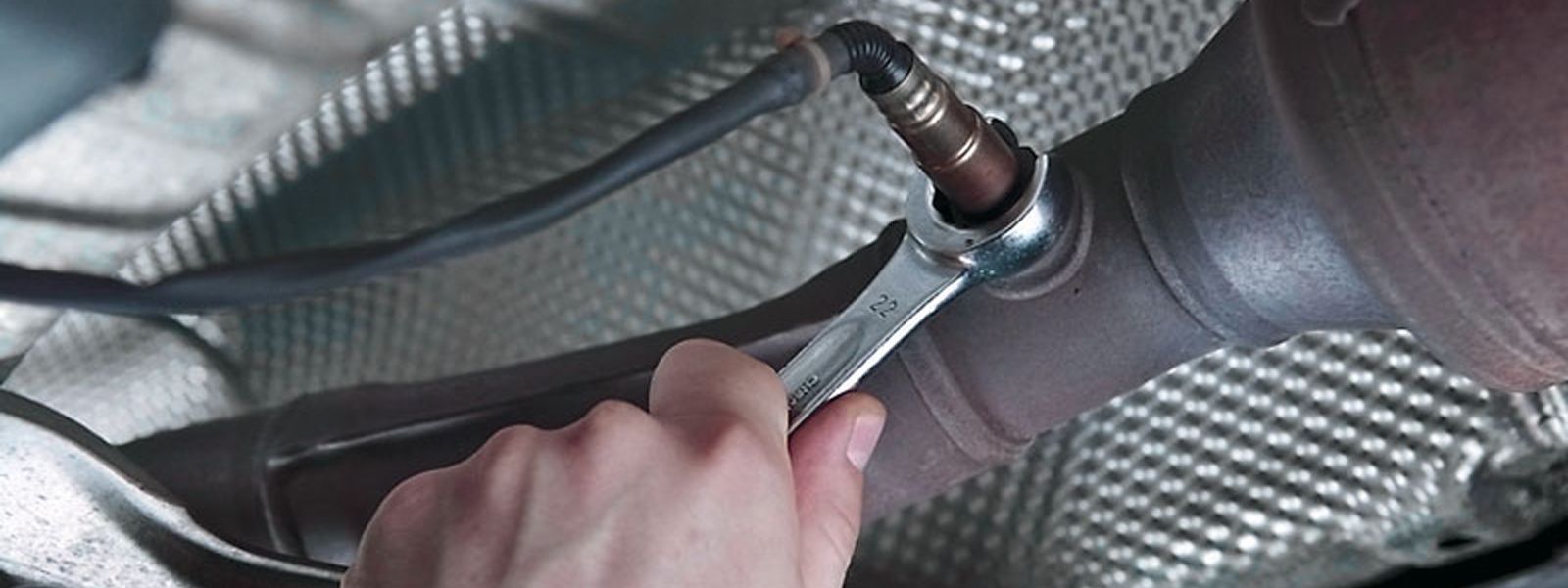
- Replace the Oxygen Sensor: If the sensor is faulty, replacing it is crucial for restoring proper function.
- Inspect Wiring and Connectors: Check the oxygen sensor circuit for damaged or corroded wiring and connectors. Repair or replace any faulty components.
- Check for Exhaust Leaks: Examine the exhaust system for any leaks that could impact sensor readings and seal or repair them as necessary.
- Diagnose Engine Performance Issues: Investigate and resolve any engine performance problems, such as an incorrect air-fuel mixture, that may affect the sensor's operation.
- Test the Engine Control Module (ECM): If other repairs do not resolve the issue, test the ECM for proper functionality and replace it if necessary.
- Clean the Oxygen Sensor: In some cases, cleaning the sensor may help restore performance, although replacement is often more effective.
Choose Your Oxygen Sensor on A-Premium
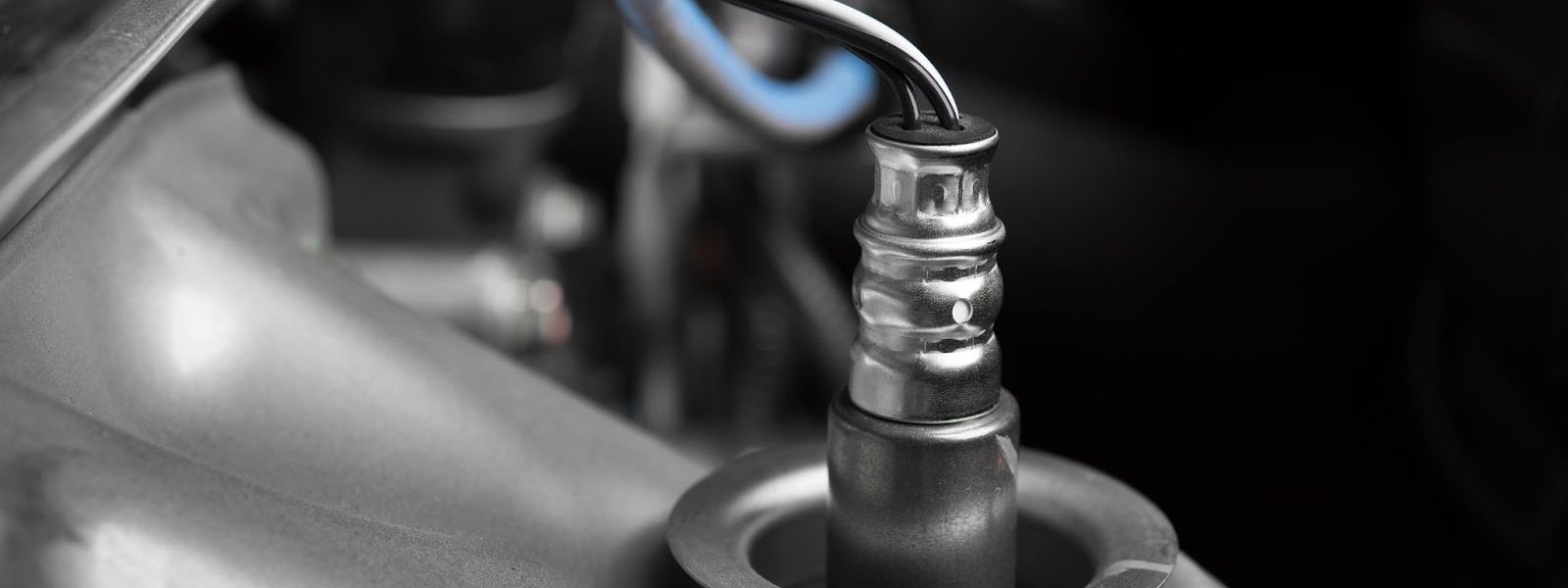
A-Premium's oxygen sensor is crafted with reliability and accuracy in mind. Our product offers precise measurements of oxygen levels, ensuring your engine functions efficiently at the optimal air-fuel mixture. With a rapid response time, it quickly adjusts to variations in exhaust composition, improving fuel injection effectiveness. Made from robust materials, our sensor is designed to endure high temperatures and resist corrosion, providing dependable performance over time. Furthermore, it operates with minimal energy consumption, reducing the load on your vehicle's electrical system while remaining compatible with a wide range of vehicle models.
FAQ
Can I drive my vehicle with the P0134 code--While it may be possible to drive with this code, it is not advisable. Ignoring the issue can lead to decreased fuel efficiency and increased emissions, and it may result in further engine problems.
How do I reset the P0134 code--After addressing the underlying issue, you can reset the code using an OBD-II scanner or by disconnecting the vehicle's battery for a short period. However, it’s essential to ensure the problem is resolved first.
Is the P0134 code serious--Yes, the P0134 code can indicate issues that affect engine performance and emissions. It’s important to diagnose and repair the problem to maintain vehicle efficiency and comply with emissions regulations.
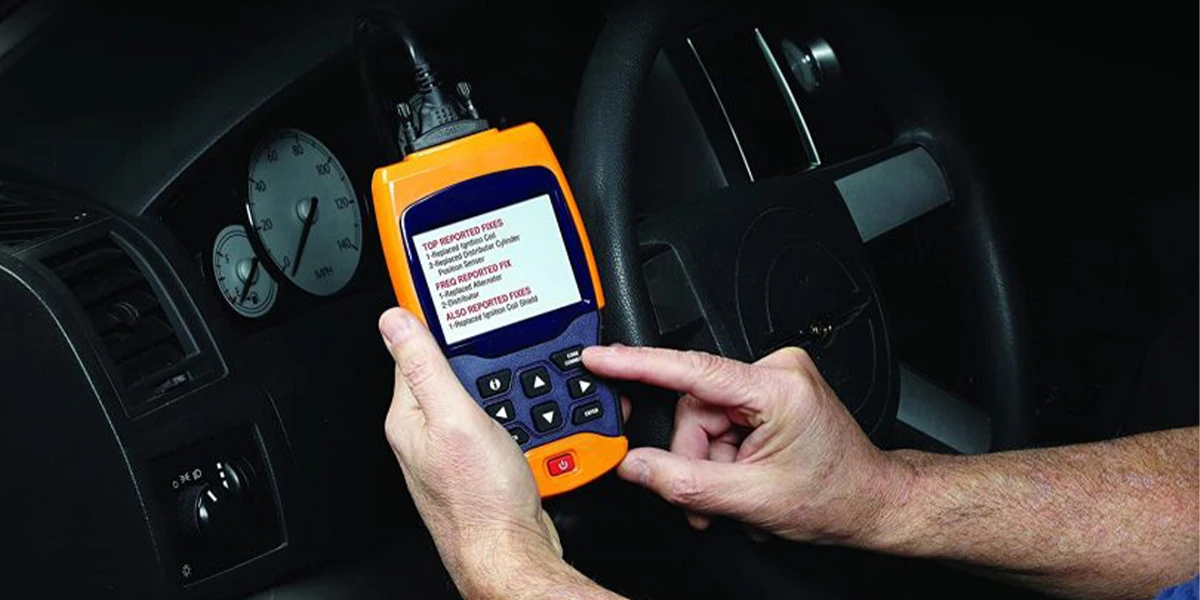
How can I diagnose the P0134 code--To diagnose the code, start by using an OBD-II scanner to confirm the P0134 code. Then, inspect the oxygen sensor, wiring, and connectors for damage, check for exhaust leaks, and analyze engine performance data.


