P0013 Code: Exhaust Camshaft Position Actuator Circuit Open (Bank 1)

To minimize the potential losses and ensure the continued reliable operation of the vehicle, it is essential for vehicle owners to have the P0013 code diagnosed and addressed by a qualified automotive technician as soon as possible.


Suggested A-Premium Parts


In this blog post, we will explore the common factors that give rise to the P303 code, the potential impact on the vehicle's operation, and the steps that can be taken to diagnose and resolve this problem effectively. By delving into the nuances of the P303 code, vehicle owners can better equip themselves to address this issue and maintain their cars in peak condition.
What Does the Code P0013 Mean
The P0013 diagnostic trouble code indicates an issue with the vehicle's engine's intake camshaft position (CMP) control system. Specifically, this code signifies a problem with the intake camshaft actuator or related components responsible for controlling the timing of the intake valves. The P0013 code alerts the vehicle owner of a fault in the camshaft position sensing circuit or the mechanical components managing the intake valve timing, which requires diagnosis and repair.
How Does the Camshaft Actuator Work
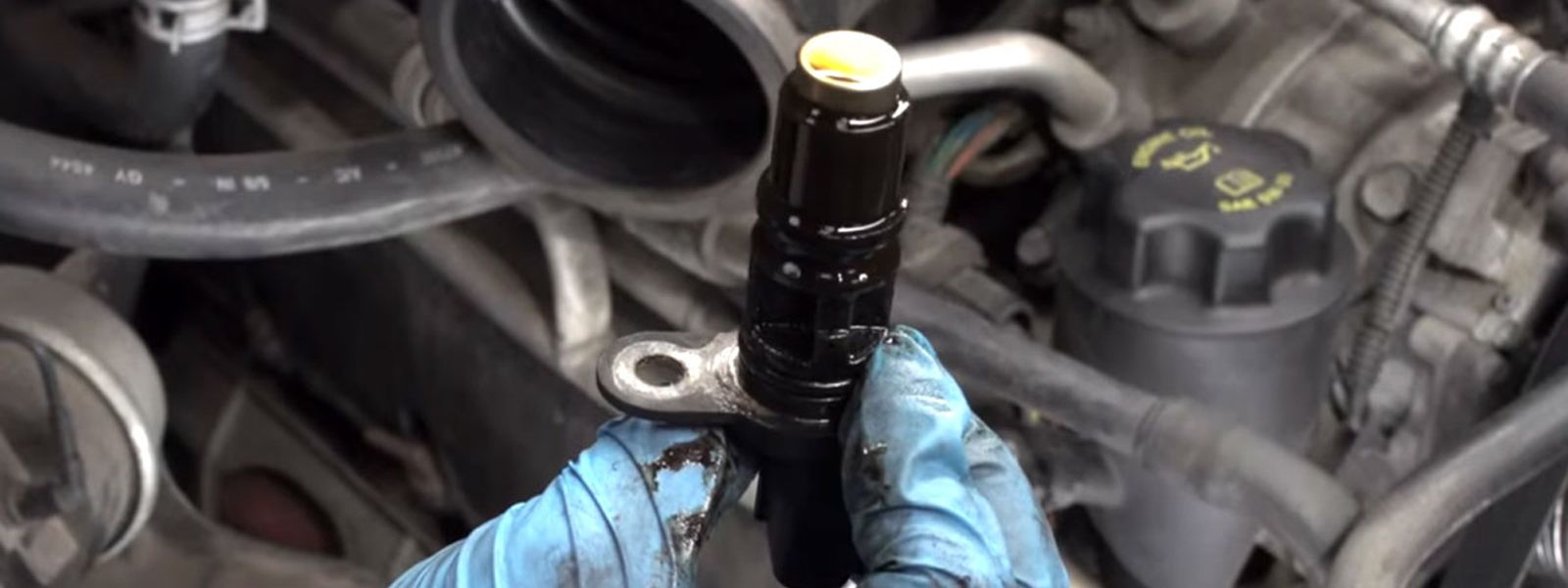
The intake camshaft actuator serves as the mechanism responsible for regulating the timing of the intake valves within an engine. At the heart of its operation lies the camshaft position sensor, which monitors the orientation and sequencing of the intake camshaft and transmits this data as an electrical signal to the engine control module (ECM). The ECM then utilizes this camshaft position information to determine the optimal timing for opening and closing the intake valves, subsequently sending a control signal to the camshaft actuator to physically adjust the camshaft position as required.
The camshaft actuator is typically an electronically governed mechanism, often employing a solenoid or stepper motor, that rotates the camshaft forward or backward to align the intake valve timing with the engine's current operating parameters. This allows the engine to implement variable valve timing (VVT) technology, continuously fine-tuning the intake valve timing to optimize factors such as fuel efficiency, power delivery, and emissions control. The camshaft position sensor provides real-time feedback to the ECM regarding the actual camshaft position, enabling the ECM to make any necessary adjustments to the actuator to ensure the intake valve timing matches the desired settings.

Are There Any Symptoms
- Illumination of Malfunction Indicator: The primary symptom is the lighting up of the Malfunction Indicator Lamp (or Check Engine Light) on the vehicle's dashboard.
- Irregular Engine Idling: The powerplant may showcase uneven or inconsistent idling, with noticeable vibrations and fluctuations in engine revolutions.
- Diminished Engine Performance: Drivers may experience a perceptible decrease in engine power, acceleration capabilities, and overall performance attributes.
- Degraded Fuel Efficiency: The improper intake valve synchronization caused by the P0013 code can result in diminished fuel economy and higher fuel consumption.
- Engine Stalling or Misfiring Events: In certain cases, the powerplant may unexpectedly stall or encounter misfiring incidents, especially under load or during acceleration maneuvers.
- Difficulty with Engine Ignition: Some vehicles afflicted with a P0013 code may struggle to start the engine, particularly when the powerplant is cold.
- Elevated Exhaust Emissions: The incorrect valve timing can lead to increased discharge of harmful pollutants in the vehicle's exhaust stream.

What Are the Primary Causes
The most common trigger for the P0013 code is a malfunctioning or stuck camshaft position actuator. This electromechanical component is responsible for physically adjusting the intake camshaft position based on the directives sent from the engine control module. Issues with the camshaft position sensor, such as a faulty sensor, improper calibration, or wiring problems, can also prevent accurate detection of the camshaft's orientation, leading to the illumination of the P0013 code.
In some cases, errors or faults within the engine control module's programming or hardware can result in improper camshaft timing control, triggering the P0013 diagnostic trouble code. Additionally, wear or failure of the timing chain or timing belt can cause the camshaft to fall out of synchronization with the crankshaft, which can also set the P0013 code. Insufficient or degraded engine oil, as well as excessive carbon buildup on components, can further impair the proper functioning of the camshaft actuator, contributing to the P0013 trouble.
What Is the Possible Solution
- Examine the camshaft position actuator visually for any signs of damage, wear, or improper function.
- Check the camshaft position sensor for proper mounting, secure wiring connections, and any physical damage.
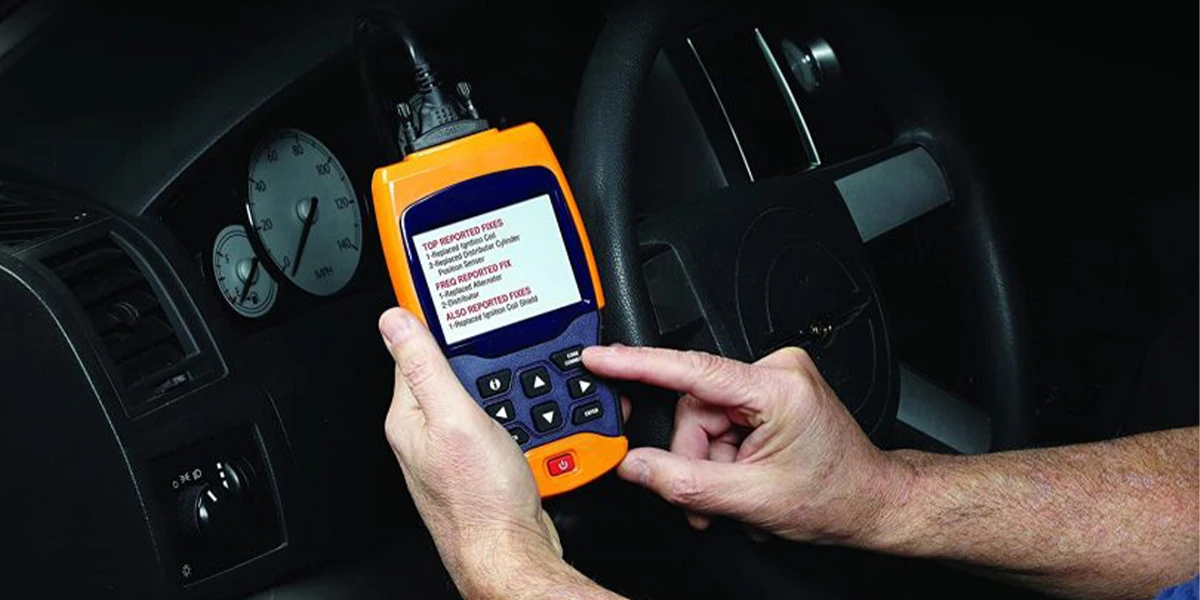
- Retrieve any additional trouble codes present by connecting the vehicle to a diagnostic scanner.
- Inspect the timing chain, timing belt, and associated components visually for signs of wear, stretch, or damage.
- Replace the engine oil with fresh, high-quality lubricant. Clean any carbon buildup on the camshaft, valves, and other valve train components.
- Scrutinize the camshaft, actuator, and related components for any signs of physical damage or tampering.
- Utilize advanced diagnostic tools to thoroughly test the camshaft position system, including sensor inputs, actuator responses, and valve timing.

FAQ
How serious is a P0013 code
The P0013 code is generally considered a moderate to severe trouble code. While it may not cause immediate engine failure, it can lead to decreased engine performance, reduced fuel efficiency, and potential long-term damage if left unrepaired. It's important to diagnose and fix the underlying cause.
Can a P0013 code set other check engine lights
Yes, a P0013 code can trigger other related trouble codes, such as:
- P0014 - Camshaft Position Actuator System Performance (Exhaust)
- P0340 - Camshaft Position Sensor Circuit Malfunction
- P0016 - Crankshaft-Camshaft Position Correlation Bank 1 Sensor A
Can a P0013 be caused by a low oil level
Yes, low engine oil levels or poor oil quality can contribute to a P0013 code by causing excessive wear or damage to the camshaft components. Maintaining proper oil levels and using the recommended oil type is important.
How do I test the camshaft position actuator for a P0013
- Use a digital multimeter to check for proper voltage supply and ground to the actuator
- Perform a resistance test on the actuator windings
- Actuate the actuator and monitor for proper movement/position change
- Check for codes related to the exhaust camshaft actuator as well


