Installing TPMS Sensors: A Complete Consumer Guide for Safe and Accurate Tire Pressure Monitoring

Install TPMS sensors correctly to prevent leaks, ensure accurate pressure, and maintain safe driving.
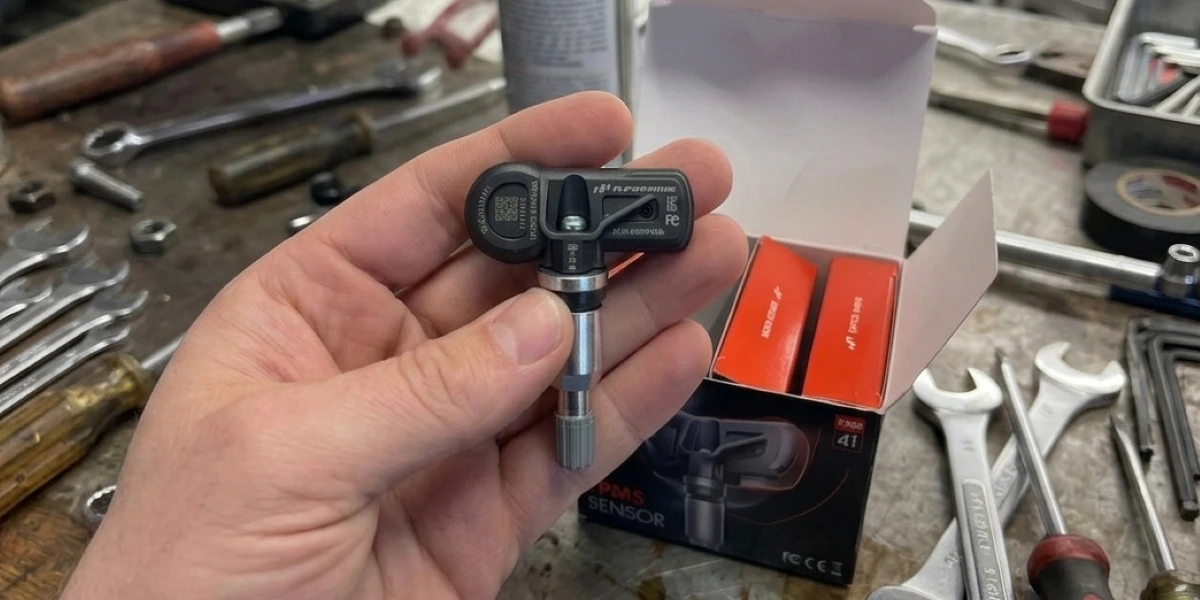
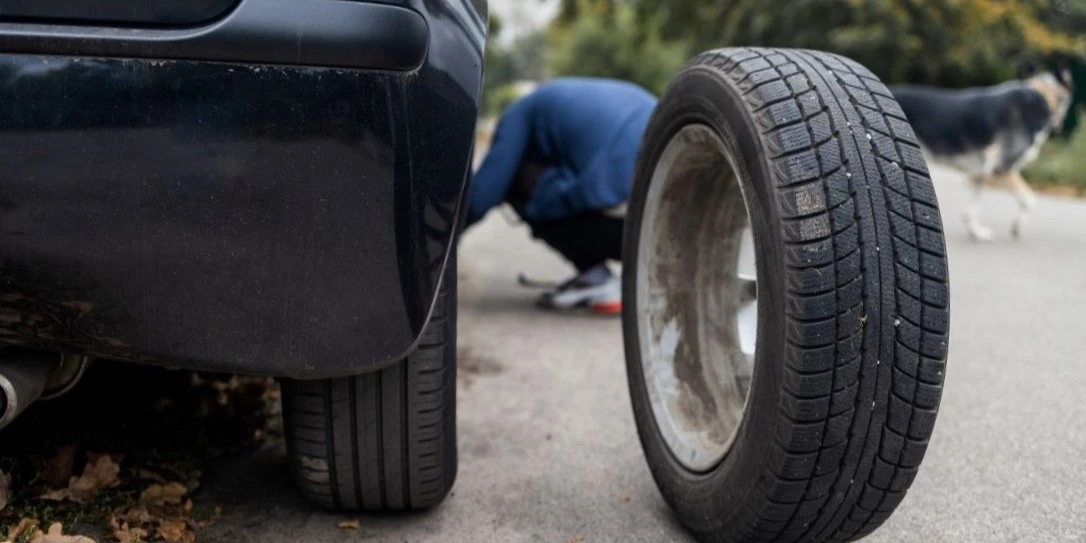

👉 A-Premium TPMS Sensor APTPMS190 – View Full Specifications
https://a-premium.com/product/a-premium-tpms-tire-pressure-monitoring-sensor-aptpms190
Installing TPMS sensors correctly is essential for maintaining accurate tire pressure, preventing under-inflated tires, protecting fuel efficiency, and ensuring your vehicle’s safety features work as intended. A TPMS sensor is not simply a small electronic part—it is a core component of your tire pressure monitoring system, and improper installation can lead to constant warning lights, air leaks, or inaccurate readings.
This guide explains everything in a consumer-friendly way: the tools you need, the installation steps, common mistakes to avoid, how to check proper functionality, and how to make sure your new sensor is compatible with your vehicle.
Why Installing TPMS Sensors Correctly Matters
A tire pressure monitoring system depends on accurate data. A poorly installed sensor can cause:
-
Constant TPMS warning lights
-
Incorrect tire pressure readings
-
Air leaks from the valve stem
-
Reduced fuel efficiency
-
Higher risk of under-inflated tires
-
Damage to the rim or valve area
-
Faster battery drain
A properly installed new TPMS sensor communicates correct air pressure, fits securely in the valve stem hole, and can withstand daily driving conditions, temperature changes, and vibration. For consumers, this directly affects driving safety and long-term vehicle maintenance costs.
Essential Tools Needed for TPMS Installation
You do not need a full workshop to replace TPMS sensors, but certain tools are essential to ensure proper functionality and avoid damaging the wheel or valve stem.
Required tools include:
-
Torque wrench (for correct tightening)
-
Tire pressure gauge
-
Valve core tool
-
Jack and jack stands
-
Safety glasses
-
Lubricant or soap solution
-
A tire machine or bead breaker
-
Air compressor
These tools ensure the sensor sits correctly, seals properly, and reads air pressure accurately after installation.
Step-by-Step Guide for Installing New TPMS Sensors
This is the complete installation process followed by professional shops, presented in a consumer-friendly, step-by-step format.
Step 1: Prepare the Vehicle Safely
Park on a flat surface, engage the parking brake, and loosen the lug nuts before lifting the car. Use jack stands to secure the vehicle. Safety glasses are recommended.
Step 2: Remove the Wheel
Take off the lug nuts and remove the wheel from the vehicle to access the tire and rim.
Step 3: Deflate the Tire
Use a valve core tool to remove the valve core and release all the air pressure. This prevents sudden bursts of air when breaking the bead.
Step 4: Break the Tire Bead
Use a bead breaker or tire machine to gently push the bead away from the rim so you can reach the existing TPMS sensor and valve stem.
Step 5: Remove the Old Sensor
Loosen the retaining nut and gently remove the old TPMS sensor. Avoid twisting or bending it, as this can damage the rim or scratch the sealing area.
Step 6: Install the New TPMS Sensor
Insert the new sensor into the valve stem hole. Ensure the sealing grommet is aligned properly.
Use a torque wrench to tighten the nut to the manufacturer-specified torque.
Too loose causes leaks. Too tight can crack the sensor or damage the rim.
This is one of the most critical steps in TPMS sensor installation.
Step 7: Reseat the Tire Bead
Lubricate the rim edge and reseat the bead evenly. Avoid using sharp tools that may puncture the tire or scratch the rim.
Step 8: Inflate the Tire to Recommended Pressure
Use a tire pressure gauge to inflate to the vehicle’s recommended PSI. This ensures the new sensor immediately reads accurate air pressure.
Step 9: Check for Air Leaks
Spray soapy water around the valve stem area. If bubbles form, the sealing surface needs to be adjusted or the nut needs correct torque.
Step 10: Reinstall the Wheel and Tighten the Lug Nuts
Mount the wheel back on the car and tighten the lug nuts in a star pattern.
Step 11: Reset or Relearn the TPMS System
Depending on the vehicle, the system may require:
-
A drive cycle
-
A TPMS reset using the dashboard menu
-
Holding a reset button
-
Using a TPMS relearn tool
-
Manual pairing process
Without this step, the vehicle may not recognize the new sensor.
Direct vs. Indirect TPMS: What Consumers Need to Know
Most modern vehicles use direct TPMS, where each wheel has a physical sensor that reads real air pressure.
Direct TPMS benefits include:
-
Accurate air pressure data
-
Better fuel efficiency
-
Faster warnings when pressure drops
-
Clear sensor-by-sensor diagnostics
Indirect TPMS uses wheel speed instead of real air pressure. If your vehicle uses direct TPMS, replacing or installing new sensors is required when:
-
The battery dies
-
The sensor breaks
-
The valve stem corrodes
-
You install new wheels
-
A warning light stays on
Knowing your system type ensures you choose the right new TPMS sensor.
Common Mistakes to Avoid When Installing TPMS Sensors
These mistakes often cause warning lights or sensor failure:
Over-tightening the sensor
This cracks the housing or damages the rim.
Under-tightening the sensor
This leads to air leaks around the valve stem.
Using the wrong valve stem
Different vehicles require specific materials and sizes.
Skipping the relearn/reset process
The new sensor will not communicate with the vehicle.
Not checking for rim corrosion
Corrosion prevents proper sealing and causes slow leaks.
Using low-quality or incompatible sensors
Cheap units often have weak signals, dead batteries, or incorrect frequency.
Ignoring the recommended pressure
Incorrect air levels confuse the system during reset.
Fixing these errors early prevents long-term issues and keeps the TPMS system functioning correctly.
How to Ensure Your New TPMS Sensor Is Functioning Correctly
After installation, check the following signs of proper functionality:
-
No TPMS warning light after the reset
-
Correct air pressure displayed for each tire
-
No slow leaks from the valve stem area
-
The vehicle detects the new sensor within expected time
-
Stable readings during driving
-
No sudden pressure drops or communication errors
If the sensor does not register after installation, recheck torque, sealing, compatibility, and pressure.
When You Should Replace a TPMS Sensor
Replace your sensor when you experience any of the following:
-
Constant TPMS warning light
-
Frequent air leaks around the valve stem
-
Inaccurate or unstable readings
-
Physical damage to the valve stem
-
Sensor battery failure
-
New wheels requiring new sensors
Most TPMS sensors last 5–10 years depending on driving conditions.
How Much Does TPMS Installation Cost?
Consumers typically pay:
-
$3–10 for valve core and related materials
-
$20–60 for labor per wheel
-
$30–90 for a relearn/reset procedure if required
-
$25–50 for sensor programming (if needed)
The sensor itself varies depending on brand and compatibility.
A-Premium’s sensor sits in the reliable, consumer-friendly range, designed for direct installation without complex programming.
Final Tips for a Successful TPMS Sensor Installation
-
Always use a torque wrench
-
Never reuse damaged valve stems
-
Follow the vehicle’s manual for specifications
-
Use quality sensors to ensure strong signal transmission
-
Reset the system immediately after installation
-
Check air pressure again after driving a short distance
Proper installation protects the tire, the rim, the sensor, and your safety.


