How to Turn Off TPMS Light: A Complete, Easy-to-Follow Guide

Wondering how to turn off TPMS light on your dashboard? This complete guide explains why your tire pressure light stays on, what it means when the TPMS light blinks, and how to properly reset the TPMS system.
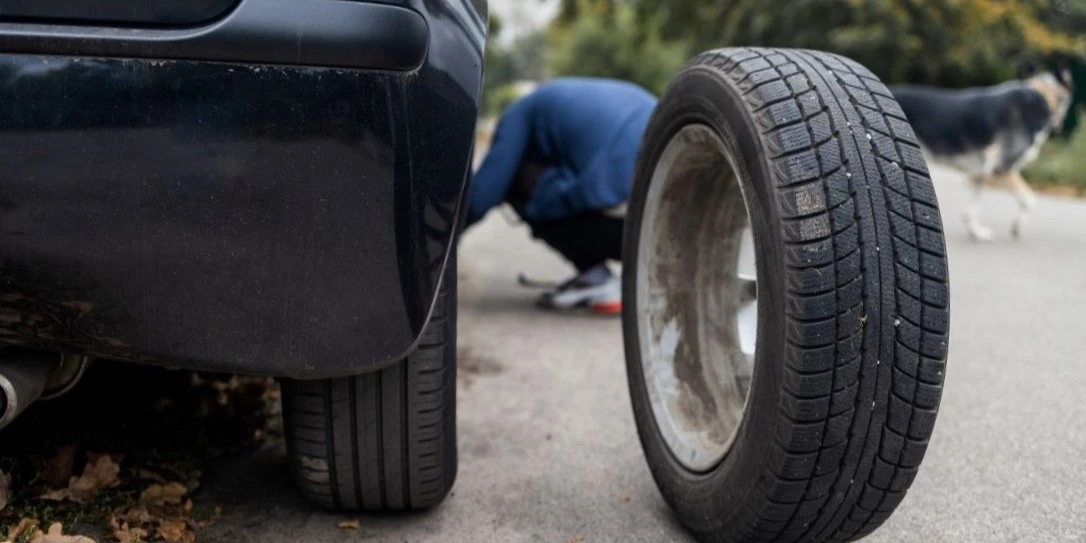

If you’ve ever started your car and noticed the TPMS light glowing on your dashboard, you’re not alone. For many drivers—especially those with their first car—seeing that stubborn dash light can be frustrating. Whether the tire pressure light blinks, the light stays on constantly, or the warning appears after installing new tires, understanding how to turn off TPMS light properly is essential.
In this complete guide, we’ll explain what the TPMS system does, why the warning light illuminates, and the safest ways to reset or even disable TPMS (if necessary). Let’s dive in.
What Is the TPMS System?
The TPMS (Tire Pressure Monitoring System) is built into most modern vehicles. It monitors your tire pressure and alerts you when the air pressure drops below the recommended PSI.
There are two main types of TPMS sensors:
-
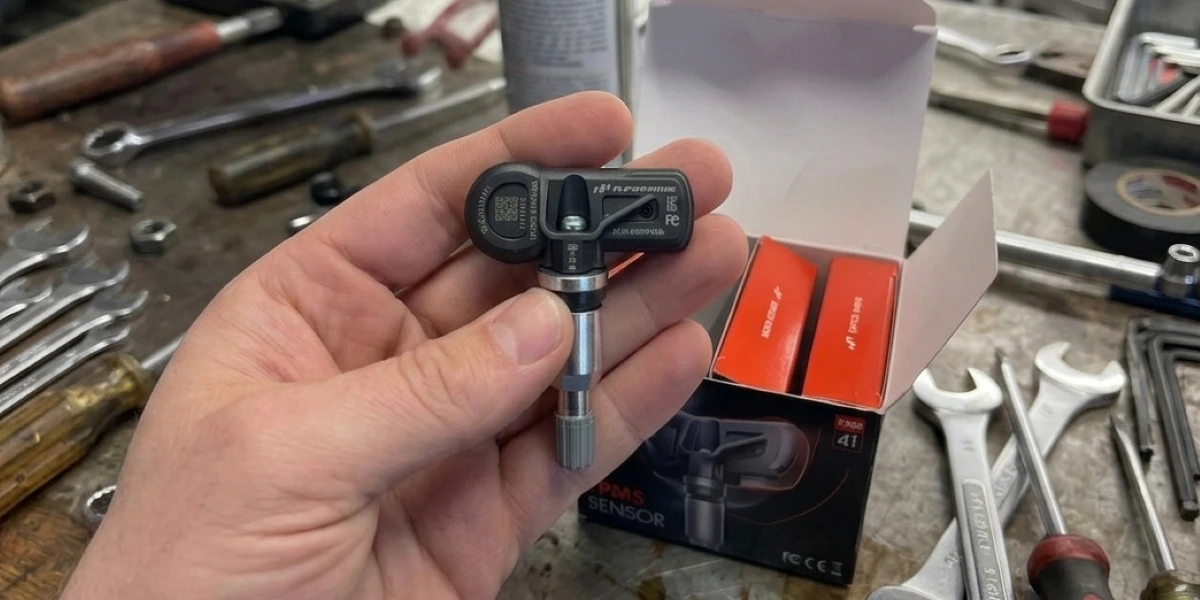
Direct TPMS – Sensors inside each wheel, typically attached to the valve stem, measure air pressure directly.
-
Indirect TPMS – Uses wheel speed data from the ABS system to determine pressure differences.
When the system detects low pressure, the warning light appears in your gauge cluster or on your digital displayed dash screen.
Why Is My Tire Pressure Light On?
Before trying to turn it off, you should determine why the tire pressure light is on. Common causes include:
-
Low air pressure in one or more tires
-
Sudden temperature changes (cold weather reduces PSI)
-
Faulty TPMS sensors
-
Dead sensor batteries
-
Recently installed new wheels, rims, or snow tires
-
A malfunction in the TPMS module
-
Issues with the vehicle’s onboard computer
If your tire pressure light blinks for a few seconds and then stays on, it often indicates a malfunction in the system rather than low pressure.
How to Reset and Turn Off the TPMS Light
Step 1: Check and Add Air Properly
The safest way to turn off TPMS light is to fix the root cause.
Use a Tire Gauge
-
Open the driver-side door and check the recommended PSI on the sticker.
-
Use a reliable tire gauge to measure each tire.
-
If pressure is low, add air until it reaches the proper level.
After inflating:
-
Start the vehicle
-
Drive for 5–15 minutes
-
The system may automatically reset after a few minutes of driving
If the light stays, move to the next step.
Step 2: Use the TPMS Reset Button
Many vehicles—especially brands like Toyota—include a TPMS reset button.
How to Reset
-
Turn the key to the “ON” position (don’t start engine).
-
Locate the reset button (often under the dash near the steering wheel).
-
Press and hold the button until the dash light blinks three times.
-
Release and start the car.
-
Wait a few minutes for recalibration.
This allows the system’s computer to relearn the correct PSI.
Step 3: Drive and Allow Recalibration
Some vehicles require driving at 50 mph for about 10–20 minutes. During this period, the system recalibrates and may clear the warning automatically.
Patience is key—sometimes it just needs a few seconds or some waiting time.
Step 4: Replace Faulty TPMS Sensors
If your car has older sensors, the internal batteries may have reached the end of their life (typically 5–10 years).
You may need to:
-
Replace faulty TPMS sensors
-
Install new sensors
-
Reprogram them to the TPMS module
A dealer or tire shop can scan the system to identify which sensor failed. In some cases, the sensor's voltage drops too low and triggers a permanent warning.
What If I Installed New Tires or Rims?
After installing new tires, aftermarket rims, or snow tires, the TPMS may not recognize the sensors.
Possible fixes:
-
Transfer original sensors
-
Install compatible sensors
-
Reprogram using a scan tool
If you installed wheels without sensors, the warning will likely illuminate continuously.
How to Disable TPMS (Not Recommended)
Some drivers look for ways to permanently disable TPMS. While this is not recommended for safety reasons, here are common methods discussed in automotive forums and related threads.
⚠️ Important: Disabling TPMS may violate local regulations and compromise safety.
1. Tape Over the Light
Some people simply use black tape or electrical tape to tape over the light in the gauge cluster.
Pros:
-
Quick and cheap
Cons:
-
Doesn’t fix the issue
-
Hides potential safety warnings
Some even attempt removing the light bulb behind the cluster—but this can affect other dashboard functions.
2. Remove the TPMS Module or Pull Fuse
Advanced users may try to:
-
Disconnect the TPMS connector
-
Unplug the tpms module
-
Pull the related fuse
However, modern cars integrate TPMS into the main vehicle computer, so removing it may trigger more warning messages.
3. BB Code Remove / Forum Hacks
In some online discussion starter posts, users mention tricks like:
-
Using resistors on the pink wire
-
Cutting or modifying wires
-
Jumping a specific pin
-
DIY fixes using pvc pipe
These “bb code remove” type forum tricks are risky and often unreliable. They may damage your car’s electrical system or cause additional errors in the dashboard display.
Always verify advice from related threads, and be cautious of advice with too many “more replies” but no verified solution.
Why You Should Think Twice Before Disabling
The TPMS is a safety feature. Low tire pressure affects:
-
Fuel efficiency
-
Tire wear
-
Braking performance
-
Handling and steering wheel response
Driving with incorrect air pressure can reduce tire life and increase blowout risk.
Even if the warning seems annoying, it’s usually protecting you.
When to Visit a Dealer or Professional
If you’ve:
-
Checked pressure
-
Used the reset button
-
Replaced sensors
-
Driven for recalibration
…and the light stays, it’s time for professional diagnosis.
A shop can:
-
Scan TPMS codes
-
Check sensor signal
-
Inspect wiring and connectors
-
Test module voltage
-
Reprogram the system
In some cases, software updates fix persistent warnings.
Final Thoughts: The Smart Way to Turn Off TPMS Light
If you’re wondering how to turn off TPMS light, remember this simple rule:
- Fix the pressure first.
- Reset the system properly.
- Replace faulty sensors if needed.
- Avoid unsafe shortcuts.
While tricks like tape over the light, pulling wires, or attempting to permanently disable the system may seem tempting, they rarely solve the root problem.
Your vehicle, your safety, and your tire life depend on correct tire maintenance.
Have you experienced a stubborn TPMS issue? Feel free to share discussion starter thoughts below and share sort through common solutions. Real-world experience often helps others facing similar dashboard warnings in Aug or winter temperature drops.
Stay safe, maintain proper PSI, and keep your dash free from unnecessary warning lights.


