How To Start A Car With A Bad Starter

The starting system is essential for starting a modern car's engine with a key turn or button push. While the system is simple, it can fail, leading to starter problems. However, there are ways to address starter issues if they arise.
Suggested A-Premium Parts


For drivers, the ability to start a vehicle with a malfunctioning starter is a valuable skill to have. This article will explain the steps to start a car when the starter is not functioning properly. We will also outline the other issues you may need to troubleshoot if the car still does not start after your attempts.
How to know if your starter is bad
- Clicking Noise When Turning the Key
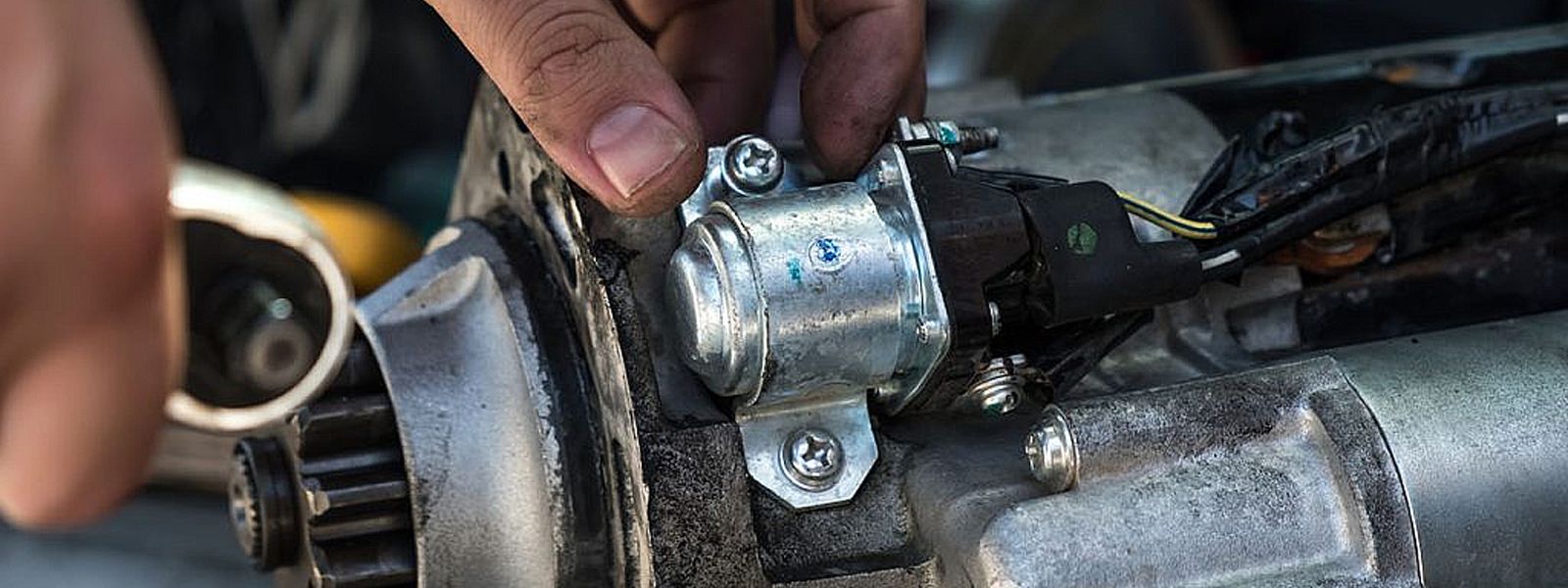
If you hear a rapid clicking sound when turning the ignition key, this is often an indicator of a problem with the starter. The clicking noise signifies the starter solenoid, the electromagnetic switch responsible for triggering the starter motor, is trying to engage the starter, but is unable to successfully crank the engine. This clicking suggests an issue within the starter mechanism itself, as the solenoid is attempting to activate the starter but is not able to do so fully.
- Lights Dim When Turning the Key
When you turn the key in the ignition, if the dashboard lights and headlights are noticeably dim, this can signify a problem with the starter drawing too much power. The sudden power draw of a functioning starter motor should cause the lights to momentarily dim. However, if the lights dim excessively or completely go out, it suggests the starter is drawing an excessive amount of current, which can be a sign of an electrical issue within the starter, such as a seized starter motor or a short circuit.
- Starter Solenoid Test
You can use a multimeter to test the starter solenoid. With the key in the "on" position, check for voltage at the solenoid terminals. If there is voltage but the starter does not engage, the solenoid is likely the issue and will need to be replaced.
- Visual Inspection
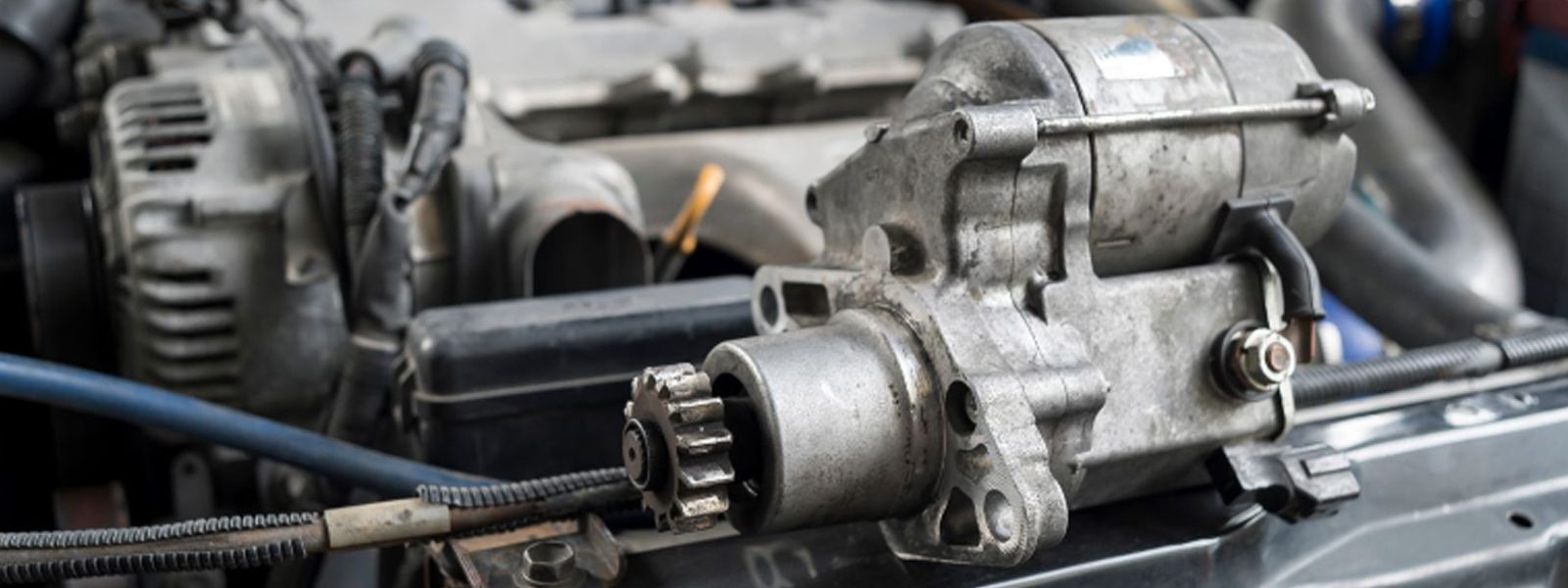
Closely examining the starter for any physical signs of damage, corrosion on the electrical connections, or loose mounting can also help confirm if the starter is the source of the problem. Issues such as cracked starter housing, worn brushes, or corroded terminals can prevent the starter from operating correctly and keep it from properly functioning.

How to start a car with a bad starter
Ensure a Secure Positive Connection Between the Battery and the Starter
The cables running to and from your battery each have two ends. The positive cable links the positive battery terminal to the positive terminal on the starter. If this connection is faulty, your starter won't work.
Open the hood and locate the starter on the driver's side of the engine. Check the positive connection. Disconnect it using a wrench. If you see any corrosion on the starter terminal that could disrupt the electrical flow, clean it with a wire brush. If a bad connection was the problem, your vehicle should now be able to start properly.
Repair the Negative Battery-to-Vehicle Connection
The negative terminal of your car's battery connects to the metal body of the vehicle, or potentially to the engine block. Trace the negative cable to this connection point, then inspect it.
If you observe any corrosion, disconnect it using a wrench and clean the connection with a wire brush. A poor negative connection could also be the reason your starter is not functioning properly. Reconnect the now-clean connection, then attempt to start your vehicle again. If the negative connection was the issue, your car should now be able to start successfully.
Tap the Starter with a Hammer or Wooden Implement
Occasionally, the electrically conductive brushes inside a starter motor can start to wear out, or the springs holding them against the armature (spinning part) may weaken. When one or more of the brushes lose contact with the armature, your starter will cease to function, and your vehicle will not start.
Surprisingly, gently tapping the outer casing of the starter with a solid object can sometimes reestablish the connection between the brushes and the armature. If you can reach far enough into the engine compartment to swing a hammer, that will work. Personally, I find it more convenient to use a 2-foot-long, 2x2-inch hardwood stick that I keep in my trunk specifically for this purpose.
Check the Solenoid Wiring If Your Starter Has a Remote Solenoid
The solenoid is an electromagnetic switch that converts the low current from the ignition into the high current needed to crank the starter.
Solenoids can be integrated into the starter assembly or installed separately and connected via a wire. If your vehicle has a remote solenoid, the wire linking it to the starter may have become loose, or the connection could be corroded. Inspect the solenoid wiring, reconnect it if needed, and clean the connection using a wire brush. If this was the issue, your vehicle should now be able to start successfully.
Start a Manual Transmission Vehicle by Pushing
This technique only works on cars with a manual gearbox. It's a way to get your vehicle running when the starter is not functioning properly.
Sit in the driver's seat with the key turned to the start position and the clutch pedal pressed down. Engage second gear, then have two or three strong friends push the car. The idea is to get the vehicle moving at a good pace, and then release the clutch while continuing to turn the key. Perform this correctly and your car should start, circumventing the faulty starter motor.
What should I check if my car still won't start
If your vehicle still won't start after trying some basic fixes, here are some additional components you should inspect:
Battery: Examine the battery terminals to ensure they are clean and tight. Use a voltmeter to test the battery and charging system to confirm the battery is maintaining a proper charge.
Fuel System: Verify you have fuel in the tank and that the fuel pump is priming when you turn the ignition. Inspect the fuel lines for any leaks or blockages.
Spark Plugs: Remove and visually check the spark plugs. Replace any that appear worn, damaged, or fouled. Also, confirm the spark plug wires are in good condition.
Engine Sensors: Problems with sensors like the crankshaft or camshaft position sensors can prevent the engine from starting. Use a diagnostic tool to check for any trouble codes.
Starter Relay/Solenoid: If your vehicle has a separate starter relay or solenoid, ensure it is receiving power and functioning correctly when you turn the key.
Ignition System: Confirm you are getting a strong spark at the spark plugs. Inspect the ignition coils, module, and wiring.
Fuel Injectors: Use a diagnostic tool to verify the fuel injectors are opening and delivering fuel properly.
Take it step-by-step, isolating and checking each potential problem area until you identify and resolve the root cause preventing your car from starting. Let me know if you have any other questions!
FAQs
What is the function of a starter?
The starter's core role is to provide the initial rotational force needed to start the engine. When activated, the starter uses the battery's electrical power to rapidly spin the engine's crankshaft, which kickstarts the combustion process and gets the engine running. Once the engine is self-sustaining, the starter disengages via a clutch mechanism.
Can a bad starter damage your car?
A bad or failing starter can potentially damage other components in a vehicle. It can excessively drain the battery, cause grinding damage to the flywheel and starter gear, overheat the starter itself, and put strain on the engine and drivetrain. Replacing a faulty starter promptly is important to prevent further damage.
What is the lifespan of a car starter?
Most car starters last 80,000 to 150,000 miles or 7-10 years, but their lifespan can vary widely based on usage, environment, engine size, quality, and maintenance. Regularly checking the starter and replacing it when needed helps avoid breakdowns from a worn-out starter.


