How to Recharge Your Car's Air Conditioning

Say goodbye to sticky summer drives. Our comprehensive guide on recharging your car's air conditioning equips you with the tools and techniques to restore icy cool air. Enjoy a refreshing ride this season with our expert tips and tricks!




A well-functioning air conditioning system is essential for a comfortable driving experience, especially during hot weather. Over time, your car's AC may lose refrigerant, which can lead to reduced cooling performance. Recharging your air conditioning system is a straightforward process that can restore its efficiency. In this blog, we will guide you through the signs that your AC needs recharging, the tools you'll need, and a step-by-step process to get your car's AC back in top shape.
Signs your AC needs recharging
Before diving into the recharging process, it’s essential to recognize the signs that indicate your AC might need attention:
- Weak airflow: If the air coming from your vents is weak, it may signal low refrigerant levels.
- Warm air from vents: If your AC is blowing warm air instead of cold, it’s a strong indication that the system needs recharging.
- Unusual noises: Hissing or bubbling sounds can suggest refrigerant leaks within the system.
- Visible leaks: Any oil or refrigerant spots around the AC components may indicate a leak that needs to be addressed.
Tools and materials needed
To recharge your car's air conditioning, gather the following tools and materials:
- Refrigerant canister (ensure it’s compatible with your vehicle)
- AC gauge set
- Safety goggles and gloves
- Hose and connector for the refrigerant canister
Step-by-step guide to recharge your AC
Step 1: Prepare your vehicle
Park your vehicle in a well-ventilated area and turn on the engine. Set the AC to the maximum cool setting and let it run for a few minutes to circulate the existing refrigerant.
Step 2: Locate the low-pressure service port
Identify the low-pressure service port, which is typically located on the larger diameter AC line. It usually has a blue or black cap.
Step 3: Connect the AC gauge
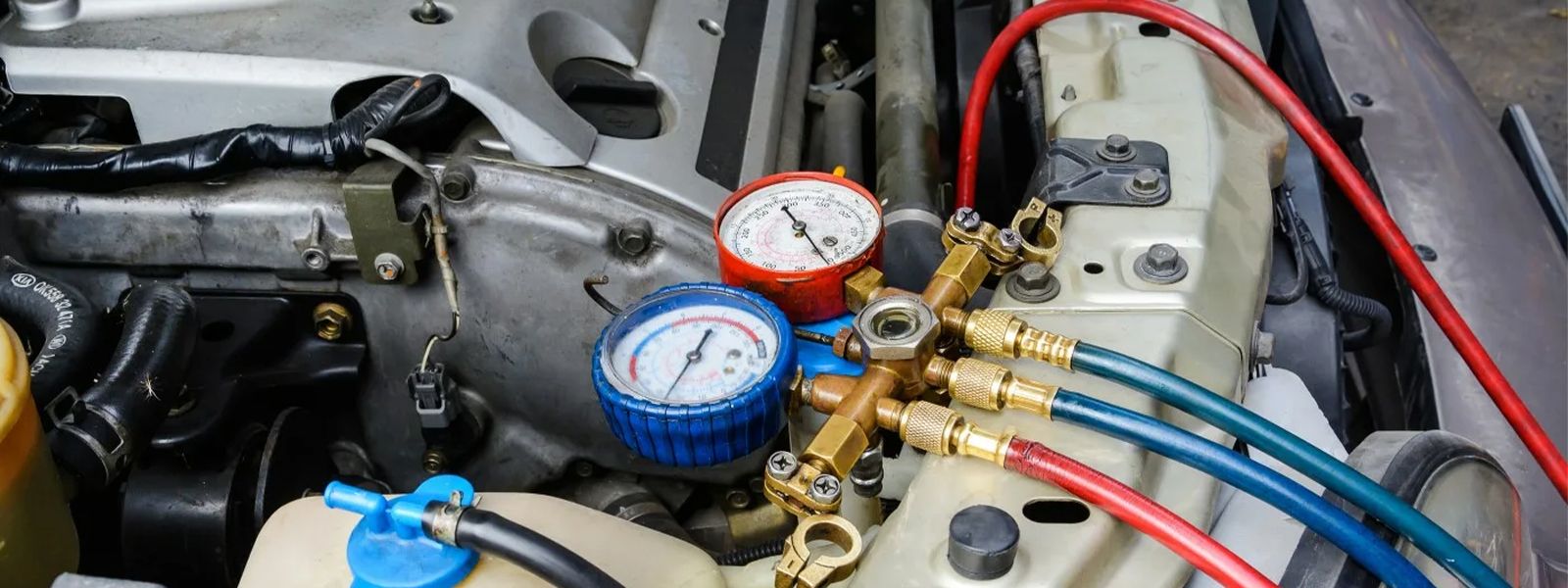
Attach the AC gauge to the low-pressure service port. Make sure it’s securely connected to get an accurate pressure reading.
Step 4: Add refrigerant
Open the valve on the refrigerant canister and allow the refrigerant to flow into the system. Monitor the pressure gauge to ensure you’re adding the correct amount of refrigerant as specified in your vehicle’s manual.
Step 5: Monitor the system
While adding refrigerant, keep an eye on the gauge. If the pressure is within the recommended range, you can stop adding refrigerant. If it’s too low, continue until you reach the appropriate level.
Step 6: Disconnect and test
Once you’ve added the refrigerant, disconnect the gauge and replace the service port cap. Test the AC by running it again to ensure it’s blowing cold air.
Safety precautions
Safety is paramount when handling refrigerants. Always wear safety goggles and gloves to protect yourself from potential leaks. Properly handle refrigerants according to manufacturer guidelines, and never inhale or expose them to open flames.

Recharging your car's air conditioning can significantly enhance your driving comfort, especially during warmer months. By recognizing the signs that your AC needs recharging and following the outlined steps, you can efficiently restore its performance. However, if you encounter persistent issues or leaks, consider seeking professional help to ensure your AC system operates safely and effectively. Regular maintenance not only prolongs the life of your AC but also contributes to a more pleasant driving experience.


