How to Flush the Heater Core? 8 Steps to Get it Done

Do you have the prblem that your car has troubles in heating up in winter, it’s the heater core flush got clogged, how does it happen? And you might wonder how to flush heater core? It only taking 8 steps, keep reading on.

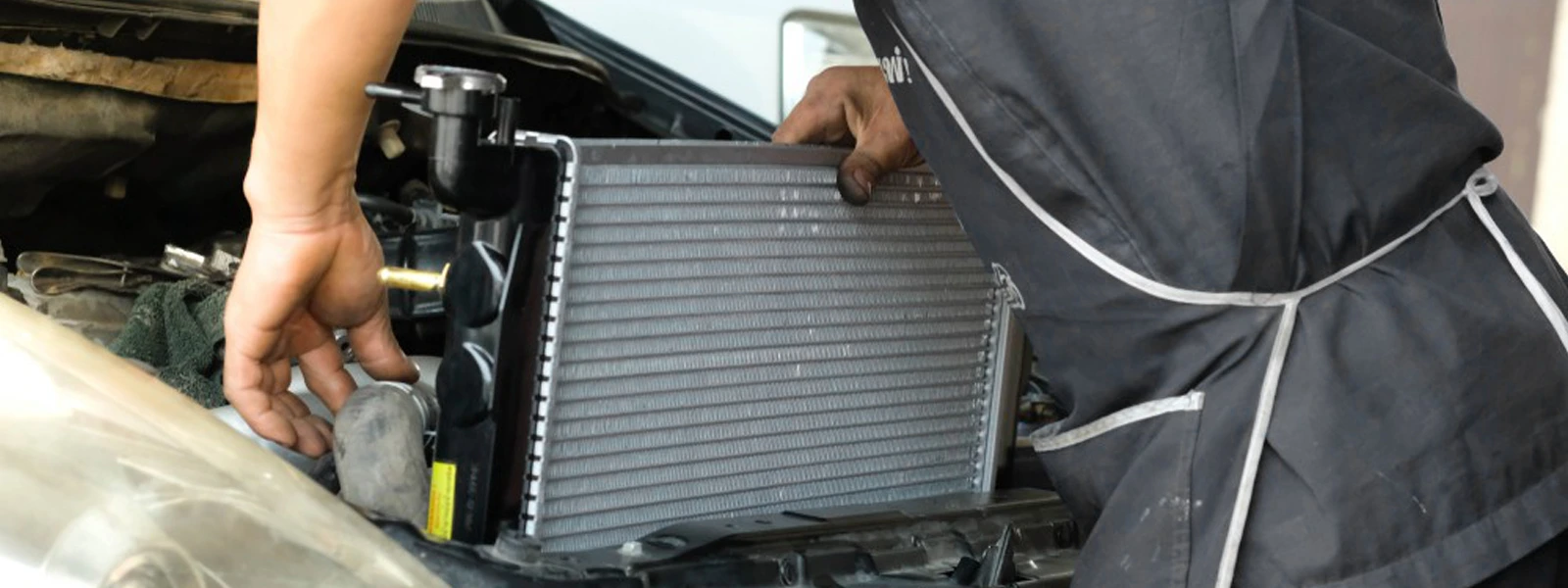
Do you have a problem that your car has troubles in heating up in winter, it’s the heater core flush got clogged, how does it happen? day and day’s running, your car has to encounter more debris or dirt than you thought, and if the clogged heater core won’t get unclogged in time, this would lead to a replacement. So are there other solutions? Of course, there is a better way than spending money, what you need to do is to flush the heater core, and get the dirt out. You might wonder how to flush heater core? It only takes 8 steps, keep reading on.
What's a Heater Core
A heater core in your vehicle is a vital part of the heating system. It uses coolant to heat your interior air. The warm air goes into the cabin through the air vents.
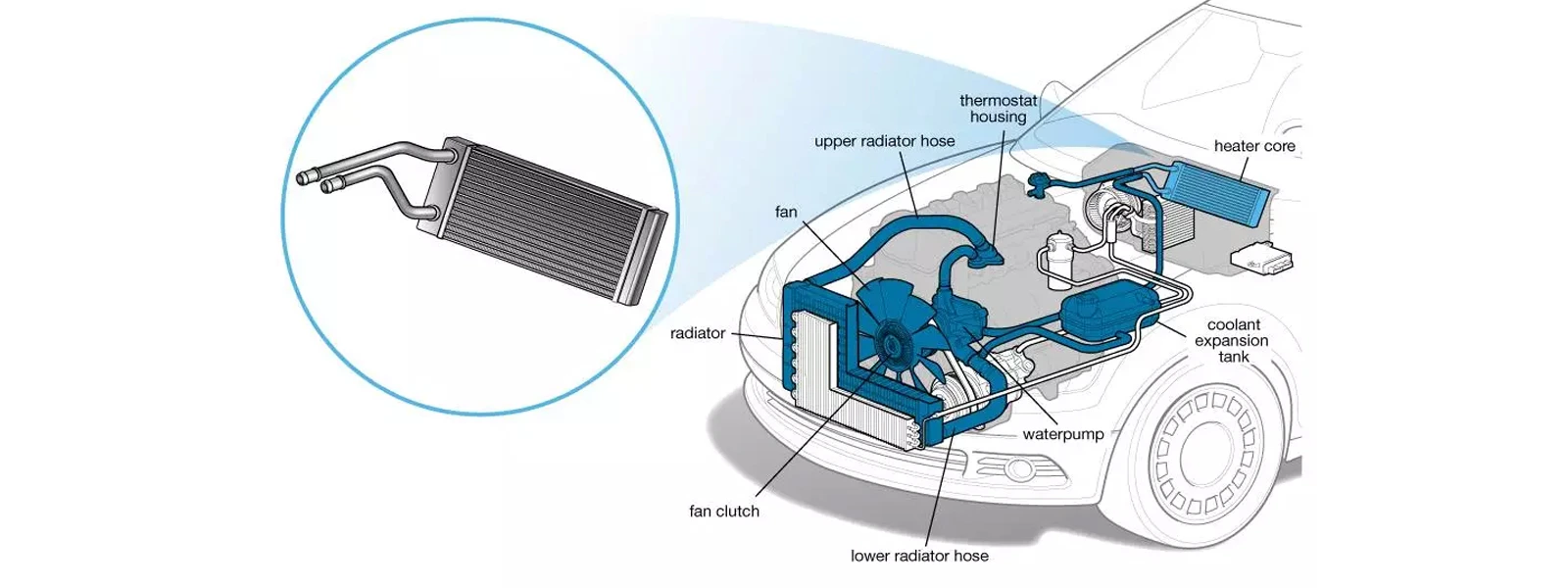 And during the car’s working time, debris and grime can clog the heater core. This reduces its efficiency and heat output. To prevent this, it's important to flush the heater core regularly. What’s the time or sign that I know I need to get my heater cor a flush?
Why Flush Heater Core
Flushing the heater core helps maintain the heating system's efficiency in a vehicle. By lasting your heater core’s serving time, you can save money on a heater core replacement. And over time, grime and debris can build up in the core, restricting coolant flow. This buildup can cause blockages that prevent the heater from producing warm air when needed.
By flushing the heater core, owners can remove these blockages. This ensures proper coolant circulation, allowing heated air to flow into the vehicle cabin efficiently.
Neglecting to flush the heater core regularly can lead to decreased heating performance. This might leave the owner without proper heating during colder months, causing discomfort for passengers, especially on long drives or in extreme weather conditions.
To avoid these issues, it is recommended to follow the approved steps in the vehicle's manual to periodically flush the heater core.
How Do I Know If My Heater Core Needs a Flush
There are 3 factors that can cause the clogging of the heater core, Age, stress, or low coolant levels. While 5 signs can show up it does need a flush. Here are the signs that you might notice when the heater core is clogged.
5 Signs Show Your Heater Needs a Flush:
1. Your car struggles to warm up despite running normally, with the temperature gauge showing no abnormalities. However, when you attempt to use the heater, you experience a lack of heat.
2. A sweet scent permeates your car's interior, signaling coolant leakage. This odor is an early warning sign that coolant may be lightly sprayed into the cabin.
3. Persistent window fogging occurs, potentially caused by coolant misting onto the glass surfaces. This residue can be challenging to remove and poses health risks from inhaling ethylene glycol.
4. Leakage is evident under the dashboard, indicated by front carpet stains or dripping. This leakage likely stems from coolant seeping into the interior of the vehicle.
5. Your engine is running hotter than usual. If you observe low coolant levels alongside elevated temperature readings on the gauge, it's crucial to seek assistance from a mechanic promptly.
How to Flush Heater Core in 8 Steps
To properly flush a heater core, follow these 8 steps:
1. Raise the vehicle securely with a jack.
2. Locate the inlet and outlet hoses in the engine compartment.
3. Disconnect these hoses and attach a hose from a manual flushing kit to the heater core inlet.
4. Place a container under the outlet line to collect grime and coolant.
5. Flush the system with water at low pressure multiple times until the water runs clean.
6. Reconnect the hoses and refill the coolant system with approved coolant.
7. Start the car and ensure heated air flows properly.
8. Flushing the heater core removes blockages, enhancing heat transfer efficiency. Tools like a manual flushing kit, hoses, a container, and approved coolants from auto stores are needed for this task.
What Tools and Equipment Do You Need to Flush Heater Core
Specific tools and equipment are needed to flush a heater core. These include hoses, a container for coolant, approved coolant, a jack for vehicle support, and a manual for guidance.
Clamps may be necessary to secure hoses, along with a seal and radiator cap. Water, air pressure, and a flushing line are essential for an effective heater core flush.
The process includes pushing water through the core to clean it thoroughly. After flushing, refill the coolant system with approved coolant multiple times. Reconnect hoses and test the system for proper air flow.
Where to Get New Heating Components for Your Vehicle - A-Premium Heater Core Replacement!
Now you already learned how to clean a heater core. And there’s another tip you should know, if the flushing doesn’t work, It’s better to choose a high-quality heating core replacement. A-Premium Car Heater Core is a good choice. We specialize in providing high-quality aftermarket heating components that are engineered to meet or exceed OEM standards. Whether you need a new heater core, blower motor, or HVAC control module, we've got you covered.
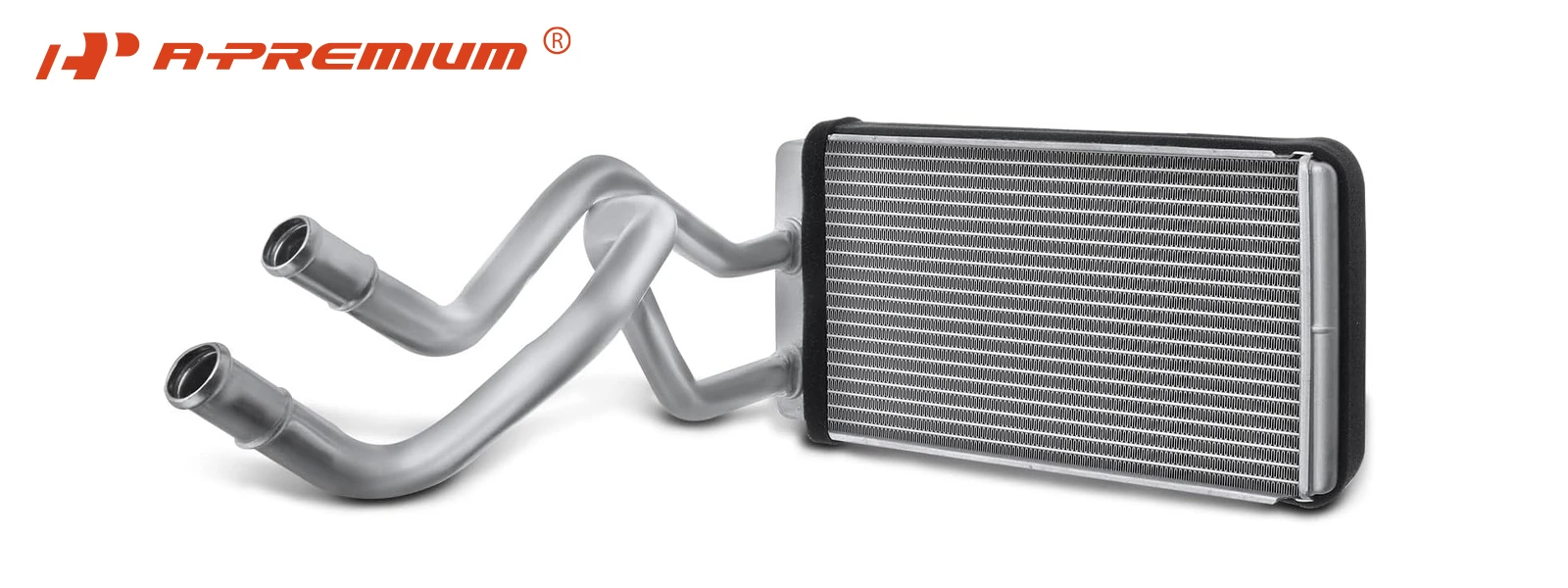
Our products are designed for easy installation and are backed by our commitment to customer satisfaction. With A-Premium, you can trust that you're getting reliable heating components that will keep you comfortable on the road for miles to come. Visit our website or contact us today to find the perfect heating solution for your vehicle.
For the question of “how to clean a clogged heater core?” We already have a clear answer. It’s necessary to maintain the efficiency of your vehicle's heating system is essential for comfortable and safe driving, particularly during colder months. A clogged heater core can significantly impair this system, leading to decreased heating performance and discomfort for passengers. However, by following the simple steps outlined in this guide, you can effectively flush your heater core, removing blockages and restoring proper coolant circulation. But in cases where flushing proves ineffective, opting for high-quality replacement components, such as those offered by A-Premium, ensures continued comfort and reliability on the road.
FAQ
Q: What materials do I need to flush a heater core?
A: To flush a heater core, you will need distilled water, a hose, a flushing agent (such as a radiator flush solution), and a drain pan. Optional materials include a funnel, screwdriver, and gloves.
Q: How often should I flush my heater core?
A: It is recommended to flush your heater core every 2-3 years to prevent the buildup of debris and sediment. However, if you notice reduced heat output or overheating, consider flushing it sooner.
Q: Can I flush my heater core myself, or do I need a professional?
A: Yes, you can flush your heater core yourself. You will need a flushing kit, distilled water, and some time. Follow the manufacturer's instructions carefully. If you're unsure, it's always best to consult a professional.
Q: What are the signs that my heater core needs to be flushed?
A: Some signs that your heater core needs to be flushed include a lack of heat in the cabin, a sweet smell of coolant inside the car, and visible leaks under the dashboard.
Q: Is it important to follow all 8 steps when flushing a heater core?
A: Yes, it is important to follow all 8 steps when flushing a heater core to ensure that it is thoroughly cleaned and functioning properly. Skipping steps can lead to inefficiency or further damage to the system.


