How to Fix a Blown Head Gasket? 3 Steps to Fix It

Have you ever had an issue with a blown head gasket? This may cause engines to overheat, often indicates serious damage to your car's engine and leads to costly repairs.
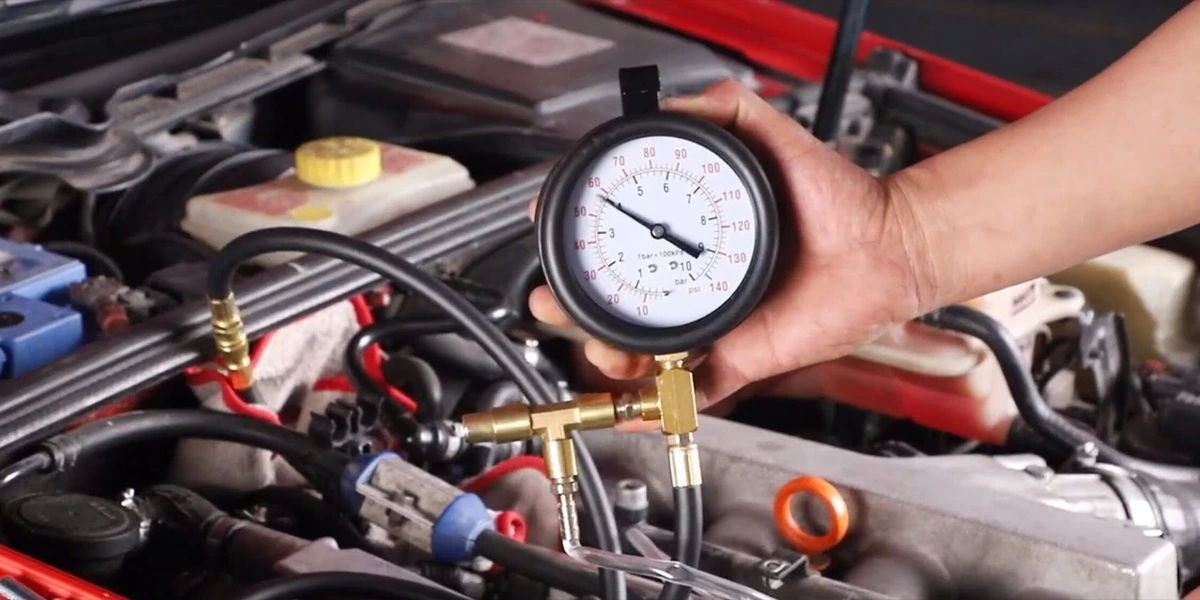

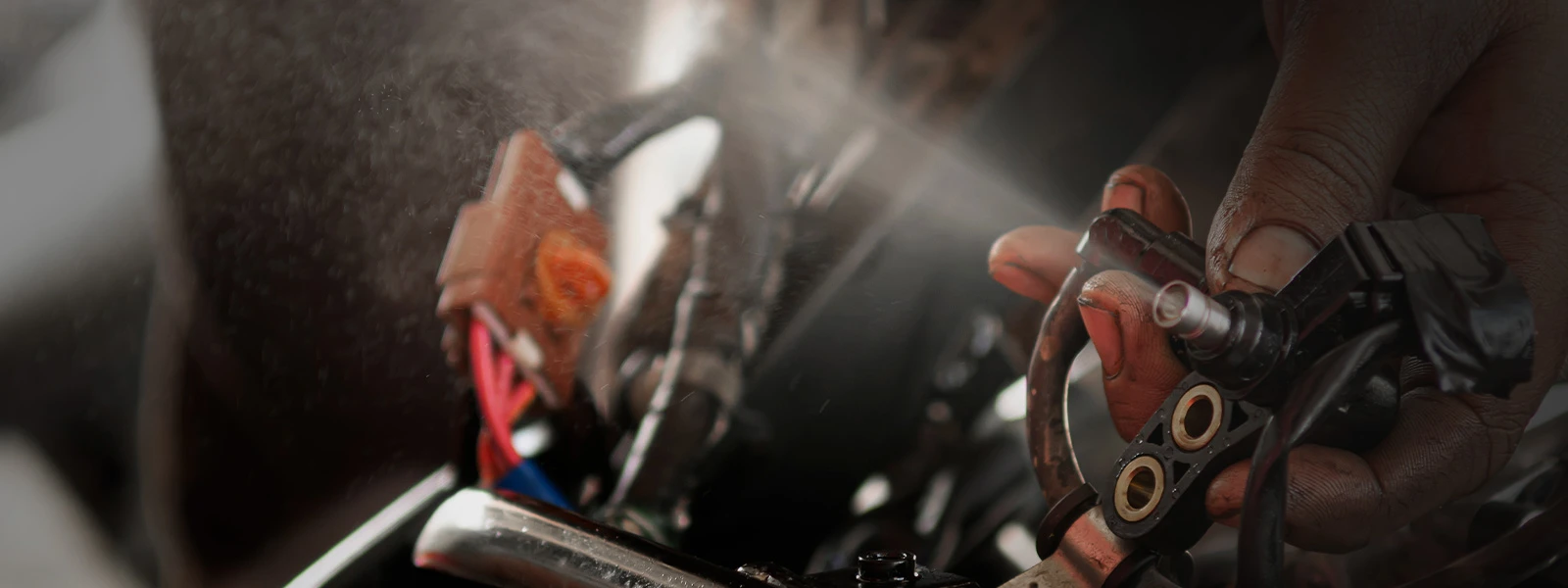
Have you ever had an issue with a blown head gasket? This may cause engines to overheat, often indicates serious damage to your car's engine and leads to costly repairs. Almost any vehicle owner knows the severe consequences of engine issues and feels fear about them. However, a blown head gasket is not as severe as a blown engine, fixing a head gasket timely is crucial and achievable. Let's look at how to identify the signs of a blown head gasket and how to fix it before it gets worse.

What Is a Head Gasket?
A head gasket is an important part of your engine. It is between the cylinder head and the engine block. It seals the combustion chamber. This helps create pressure, which is needed for engine power. It also keeps oil and coolant separate. This stops leaks and contamination. Modern head gaskets are made from steel and elastomer. These materials last longer. Today's gaskets are safer and less likely to leak compared to older ones. This helps your engine run smoothly.
Causes for Head Gasket Failure
Head gaskets are important for engine performance, but they can fail due to various reasons. Here are some of the most common causes:
Abrupt Temperature Changes: Sudden changes in engine temperature can crack the head gasket.
Engine Overheating: Low coolant or a faulty radiator can cause overheating, damaging the head gasket.
Improper Installation: A poorly installed head gasket can wear out fast and cause leaks.
Age and Wear: Older vehicles or high-mileage engines are more likely to experience gasket failure from natural wear.
Engine Detonation: Early ignition of the air-fuel mixture puts pressure on the gasket, causing it to fail.
Signs of a Blown Head Gasket
A blown head gasket isn't always obvious, but there are several key signs you can look out for:
Coolant and oil leaks Leaks of oil and coolant are common. Just seeing a leak doesn't mean the gasket is broken. But if much oil or coolant leaks from the engine block, the gasket may not seal properly.
Engine misfire A damaged head gasket can't separate coolant passages from cylinders. Coolant enters the cylinder chambers, changes the air-fuel ratio, and causes a misfire. The car's engine malfunction light may turn on due to this.
White exhaust smoke and Sweet Smell from Exhaust White exhaust smoke indicates a leaking head gasket. Coolant that enters and burns in the cylinder is white when it exits. The smoke may have a slightly sweet smell as the coolant burns with such an odor.
Engine overheating Overheating can damage the cylinder liner and is also a sign of its damage. Continuing overheating will harm the engine or transmission parts.
White or milky oil If the oil looks milky, coolant may be in the engine where it shouldn't be. Usually, a damaged head gasket causes this.
If you notice any of these signs, it's essential to address the issue promptly to avoid further engine damage.
How to Fix a Blown Head Gasket?
Fixing a blown head gasket is a tough job. It often requires disassembling parts of the engine. This is best done by a professional mechanic. But if you're looking for a temporary fix or dealing with minor issues, here are some options:
1. Temporary Fix with Head Gasket Sealer
Head gasket sealers can provide a short-term solution. These products fill small cracks or gaps in the gasket. They help prevent coolant and oil from mixing. However, this is not a permanent fix. It can protect your engine long enough to get to a repair shop.
How to Use Head Gasket Sealer:
Make sure the engine is cool.
Drain some coolant to create space for the sealer.
Follow the instructions on the bottle for proper use.
Start the engine and let it run as recommended.
2. Replacing the Head Gasket
Replacing the head gasket is the best way to fix the issue. Here's how it's done:
Remove the Engine Parts: This includes the cylinder head, valve lifters, and sometimes the engine block.
Clean the Surface: Clean the engine surfaces to ensure the new gasket seals properly.
Install the New Gasket: Carefully place the new gasket in the right spot.
Reassemble the Engine: Put the parts back and make sure everything is torqued to the manufacturer's specifications.
This fix takes time and can be expensive. It's best done by an experienced mechanic.
3. Professional Repair
Most car owners should leave this job to the professionals. It requires advanced skills and special tools. The cost for a full head gasket replacement ranges from $1,000 to $2,500. The price depends on your vehicle's make and model.
Whether you're using a sealer for a temporary solution or opting for a full replacement, acting quickly is key to minimizing engine damage. And if you require any automotive parts during your fix process, choose from A-Premium.com for high quality, durability, and long-term warranty products!


