How to Clean a Mass Air Flow Sensor

Cleaning your mass air flow sensor can significantly enhance engine performance and fuel efficiency. This guide outlines the necessary tools and step-by-step techniques to ensure your sensor functions optimally for a smoother ride.
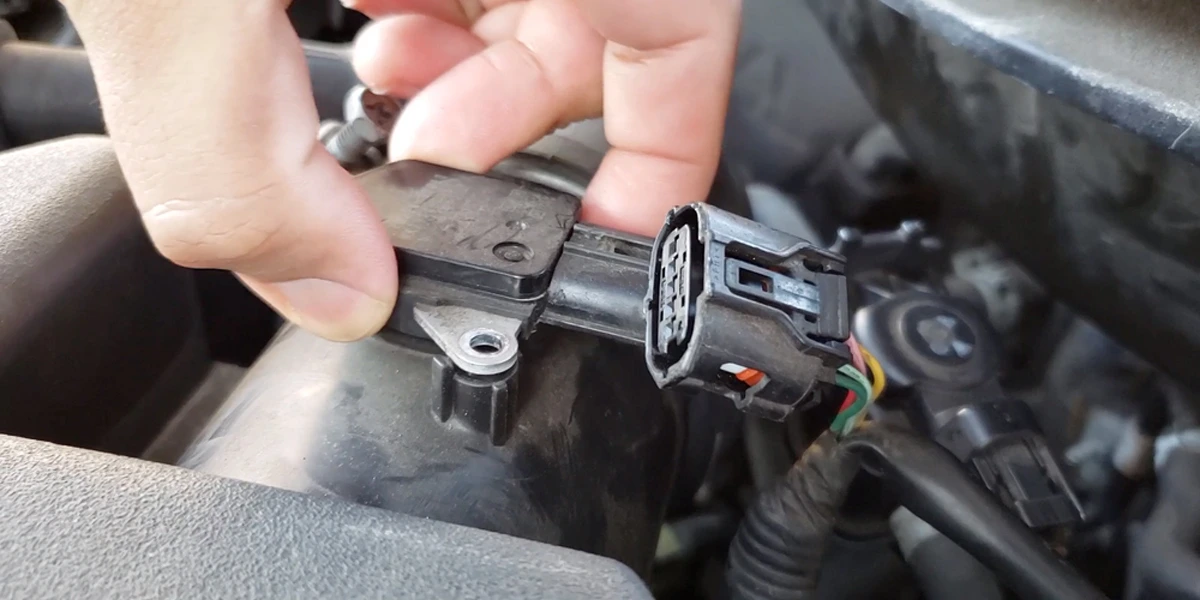
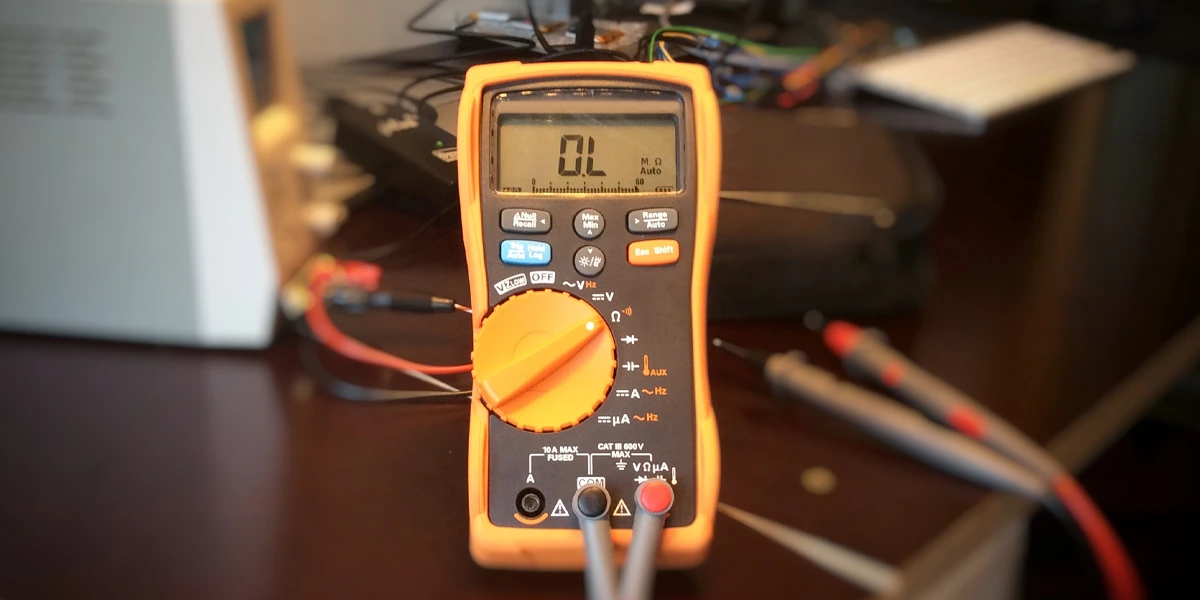
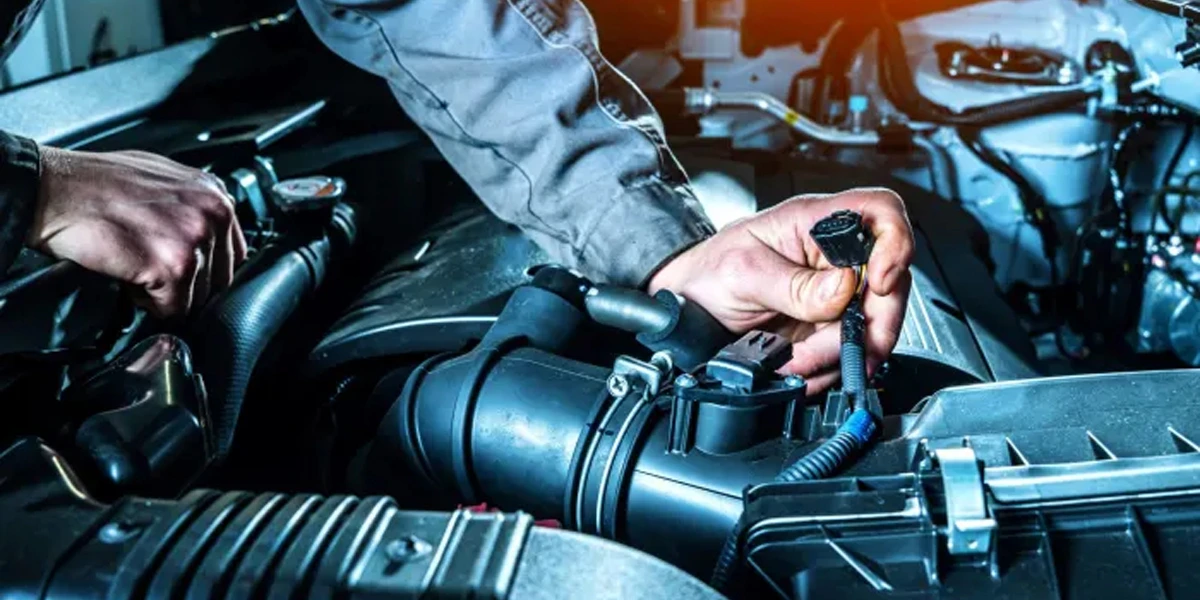


The mass air flow (MAF) sensor is a critical component of your vehicle's engine management system. It measures the amount of air entering the engine, allowing the engine control unit (ECU) to optimize fuel delivery for efficient combustion. Over time, dirt and contaminants can accumulate on the sensor, leading to poor engine performance and reduced fuel efficiency. Cleaning the MAF sensor is a simple yet essential maintenance task that can help restore your vehicle's performance.
Signs that your MAF sensor needs cleaning
Cleaning your mass air flow (MAF) sensor is vital for optimal engine performance. A dirty MAF sensor can provide inaccurate airflow readings, leading to improper fuel delivery, which results in rough idling, sluggish acceleration, and decreased power. Regular cleaning helps ensure the sensor operates correctly, allowing the engine to run smoothly.
Moreover, a clean MAF sensor enhances fuel efficiency and reduces emissions. By maintaining the ideal air-fuel mixture, it conserves fuel and minimizes harmful exhaust output. Regular maintenance can prevent more serious issues and save you money on future repairs.
Step-by-step cleaning process
Step 1: Safety precautions
Before starting, ensure your safety by disconnecting the battery and allowing the engine to cool completely. This step prevents any electrical issues and protects you from hot components.
Step 2: Locate the MAF sensor
The MAF sensor is typically located between the air filter and the throttle body. Refer to your vehicle's owner’s manual for specific details if you're unsure where to find it.
Step 3: Remove the MAF sensor
Once located, carefully detach the MAF sensor from the air intake duct. Use the appropriate screwdriver or socket to remove any screws or clamps holding it in place. Be gentle to avoid damaging the sensor or surrounding components.
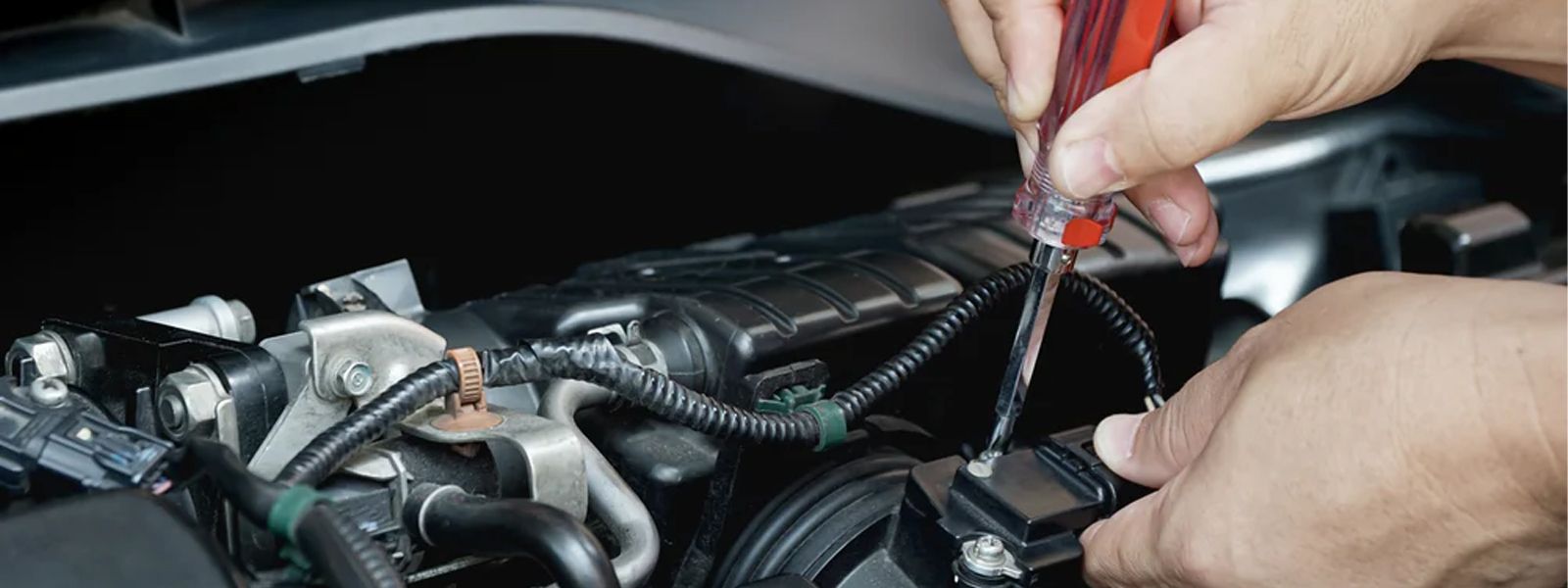
Step 4: Clean the MAF sensor
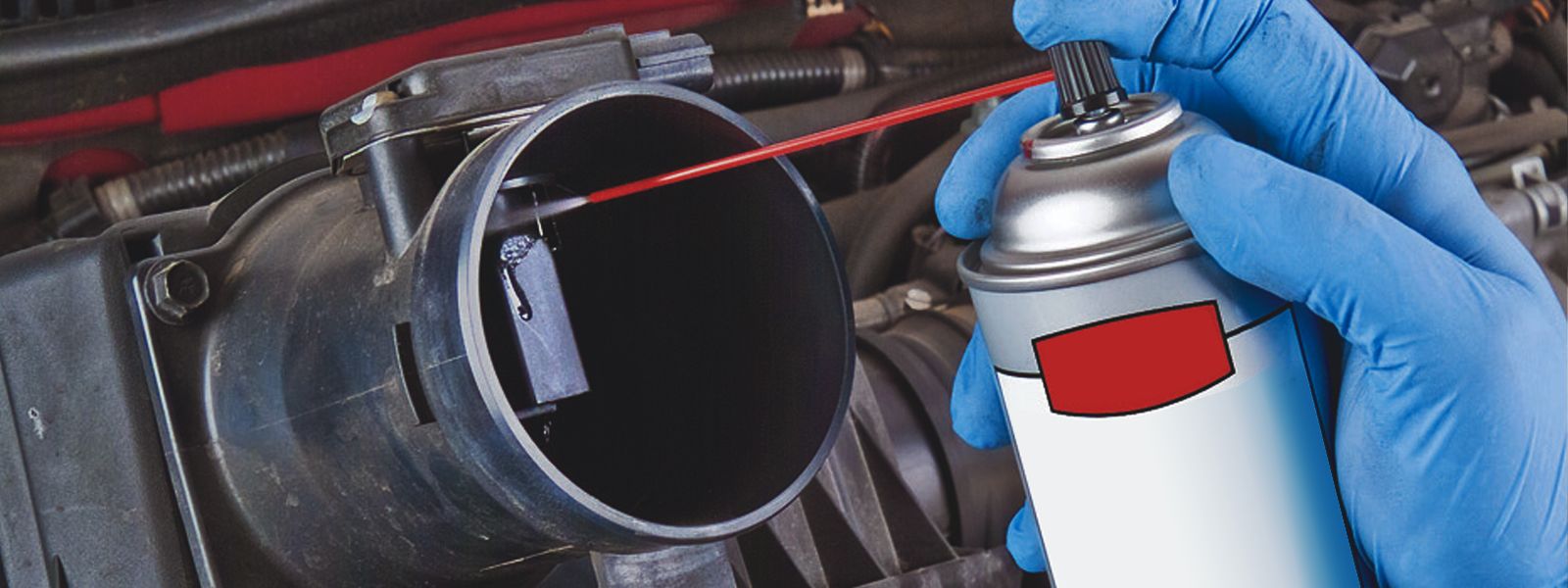
Now it’s time to clean the sensor. Use an MAF sensor cleaner or electronic cleaner. Spray the cleaner onto the sensor elements without touching them, as they are delicate and can be easily damaged. Allow the sensor to dry completely before proceeding to the next step.
Step 5: Reinstall the MAF sensor
Once the sensor is dry, carefully reattach it to the air intake duct. Ensure it is securely fastened and reconnect any electrical connectors that were detached during removal.
Step 6: Reconnect the battery
Finally, reconnect the battery and check for any warning lights on your dashboard. Start the engine and let it idle for a few minutes to ensure everything is functioning properly.
Common mistakes to avoid
When cleaning a mass air flow (MAF) sensor, avoid common mistakes to ensure effectiveness. Always use a dedicated MAF sensor cleaner instead of household products, and never touch the delicate sensor elements to prevent damage. Allow the sensor to dry completely before reinstalling, and remember to disconnect the battery to avoid electrical issues. Don't clean the sensor too frequently; follow a reasonable schedule based on driving conditions. If problems persist after cleaning, consider that the sensor may need replacement, and ensure it is reinstalled correctly to maintain optimal performance.
FAQs
Q: Is it really necessary to clean the MAF sensor, or can I just replace it?
A: Cleaning the MAF sensor can be a cost-effective solution to restore performance. If it’s heavily contaminated but not damaged, cleaning is often sufficient. However, if the sensor is malfunctioning, replacement may be necessary.
Q: What are the best cleaners for an MAF sensor, and why can’t I use regular cleaners?
A: Use dedicated MAF sensor cleaners, as they are designed to remove dirt without damaging sensitive components. Regular cleaners can leave residues or cause corrosion, impairing sensor function.
Q: How often should I clean my MAF sensor?
A: Typically, clean the MAF sensor every 15,000 to 30,000 miles, especially if driving in dusty conditions. Regular maintenance checks can help determine the right schedule.
Q: Can cleaning the MAF sensor actually improve fuel economy, or is it just a myth?
A: Cleaning the MAF sensor can improve fuel economy by ensuring accurate airflow readings, allowing the engine to optimize the air-fuel mixture.


