How to Choose the Right CV Axle: Why Spline Count and Length Are Critical

Learn why Spline Count and Compressed Length are the most critical specs when choosing a CV axle. This guide explains the asymmetry of front wheel drive vehicles and why A-Premium is the top choice for a reliable.
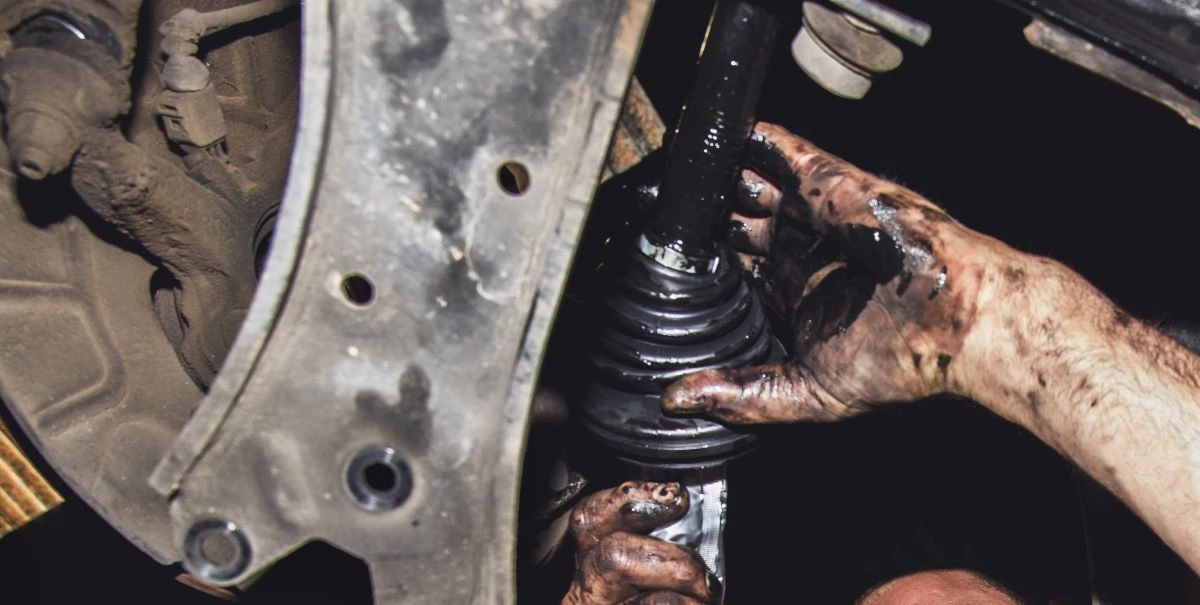
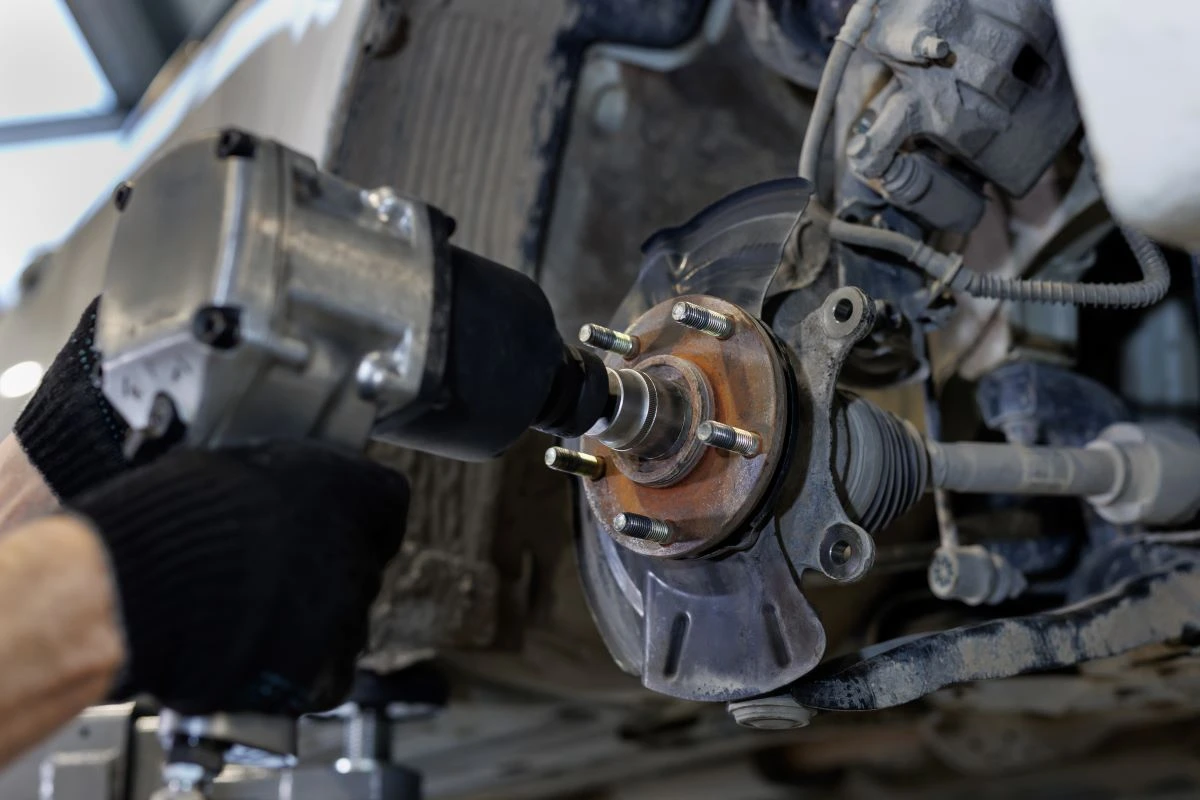
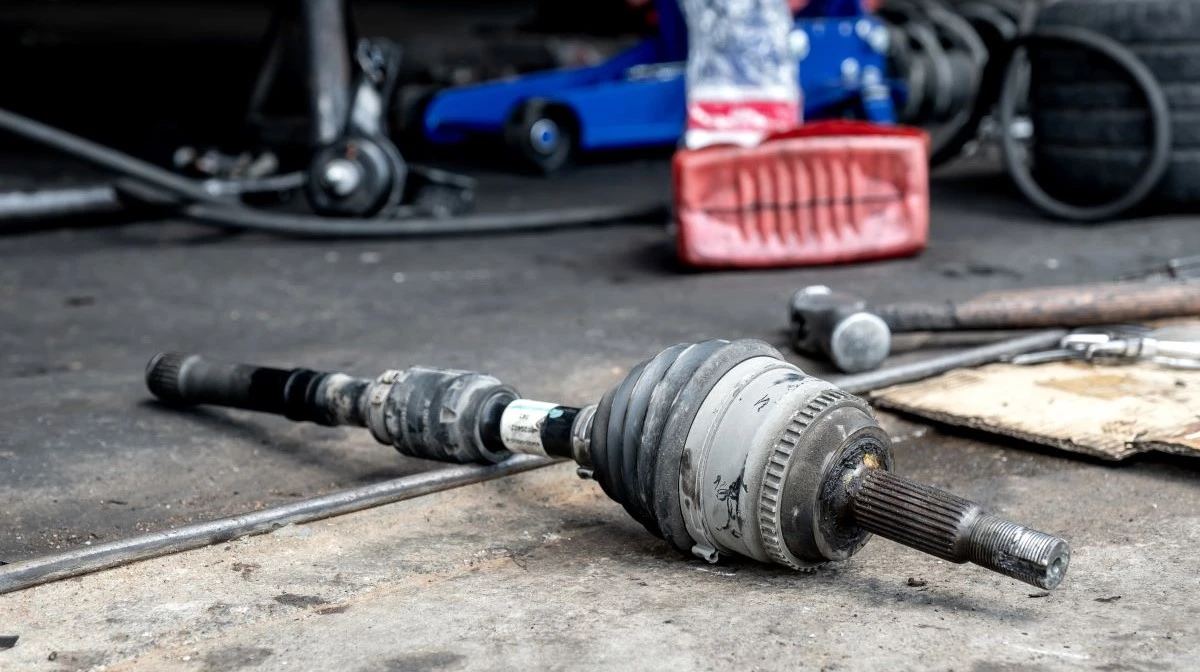
If you’ve started hearing a rhythmic clicking sound or a strange noise during sharp turns, your vehicle is sending an SOS. That sound is the universal calling card of a failing CV axle (Constant Velocity axle).
For many American DIYers, the first instinct is to find cheap parts online to save money. However, CV joints are high-precision drivetrain components. Whether you drive a car, truck, or SUV, getting an axle shaft that is "close enough" isn't enough—it must be an exact match to ensure your wheels turn smoothly.

Are Left and Right CV Axles the Same?
The short answer is no. In most front wheel drive vehicles, the transmission is mounted transversely (sideways). Because the transmission is not perfectly centered, the distance to the front wheels differs on each side:
-
Left Side (Driver’s Side): Typically the shorter CV axle shaft.
-
Right Side (Passenger’s Side): A longer axle that often connects via an intermediate shaft.
The Risk: Ordering two identical lengths is a common mistake that can leave you stranded on the road. A mismatched axle might barely seat, then pop out of the transmission when hitting a bump, causing major damage to your drivetrain.

Does Spline Count Matter? The "Key" to Power Transmission
The spline count—the number of teeth on the ends of the axle—is the most important data point for any replacement. These must lock perfectly into the transmission and the wheel hub.
-
The Precision Trap: An axle might look identical but have a 27-count instead of a 28-count.
-
The Failure: A loose fit will cause vibration when accelerating and eventually fail, stripping the teeth and cutting power to your tire.
Critical Checklist: Signs You Need the Right Specs
When it's time for a replacement, don't just rely on "Year/Make/Model." Verify these symptoms and specs to avoid a bad experience:
|
Spec |
Why It Matters for Your Vehicle |
|
Compressed Length |
Essential for suspension travel; prevents the axle from breaking inside. |
|
Spline Count |
Ensures the joints and transmission connect with zero play. |
|
ABS Ring |
Required for your car to monitor front wheels speed; without it, lights stay on. |
|
Boot Quality |
A tear in the boot lets water in and grease out, leading to rapid wear. |

Pro-Tip: How to Identify the Correct Axle Before Buying
The Golden Rule: Before you order, or at least before you install the new part, do a side-by-side comparison. Use a tape measure to check the compressed length and manually count the splines on your old unit.
Matching the physical "DNA" of the old part to the new one is the only way to ensure your weekend project doesn't turn into a Monday morning tow-truck call.


Why Professional DIYers Choose A-Premium CV Axles
When it comes to a CV axle replacement, the quality of the job depends on the part. A-Premium axles are engineered to meet or exceed OEM standards, offering a "one-time process" that reduces positional error and guarantees quality.
-
Heat Treatment: A-Premium uses advanced heat-treated ball tracks to improve performance and create a stronger internal structure.
-
Premium Materials: Our axles utilize Neoprene boots, high-temperature moly grease, and stainless steel clamps to resist wear from ozone and harsh road environments.
-
Application Specific Design: 100% new components manufactured to tighter tolerances mean every spline and thread will mate properly for a seamless fit—no modifications needed.
-
Tested for Reliability: Every axle is fit and road-tested in R&D facilities to ensure it can handle the impact and torque of modern drivetrains, including rear wheel drive applications.

Still not sure which part fits your vehicle? Don't leave it to chance! Leave your vehicle's Year, Make, and Model on our website, or use our VIN search tool, and we’ll help you find the exact A-Premium CV axle you need to get your car driving smoothly again!


