How to Choose and Add the Right AC Compressor Oil for Your Car

Selecting the appropriate oil and ensuring proper addition to your car's air conditioner can have a substantial impact on its overall performance and efficiency. Delve into the importance of oil selection and learn the correct methods for adding it.



Suggested A-Premium Parts


Are you experiencing issues with your air conditioning unit and suspect that the AC compressor oil might be the culprit? AC compressor oil plays a critical role in the proper functioning of your air conditioner, yet it is often overlooked when it comes to maintenance. Without the right type and amount of oil, your AC unit may fail to cool your home effectively or even break down altogether. In this article, we will guide you on how to choose and add the right oil for your AC compressor, helping you ensure optimal performance and prolong the lifespan of your air conditioning unit.

Understanding the role of AC compressor oil
AC compressor oil plays a critical role in the efficient functioning of air conditioning systems. The compressor is the heart of the AC system, and an AC compressor depends on oil to lubricate its moving parts and ensure smooth and consistent operation. The oil also helps to cool the compressor by absorbing and dissipating heat generated during the compression process. However, not all AC compressor oils are created equal, and using the wrong type or amount of oil can lead to system malfunctions and costly repairs. Therefore, it is essential to understand the role of AC compressor oil and choose the appropriate type and amount based on the manufacturer's recommendations and the specific requirements of your AC system. By doing so, you can ensure optimal performance, extend the life of your AC system, and save money on maintenance and repair costs in the long run.
How to choose the right AC compressor oil
Choosing the right AC compressor oil for your unit is critical for ensuring that it functions optimally and lasts as long as possible. There are several factors to consider when selecting compressor oil, including type, viscosity, and compatibility.
When it comes to selecting the right compressor oil for your AC unit, it's essential to understand the various types available. The most common types include mineral oil, synthetic oil, and PAG oil. Mineral oil is the traditional choice and is ideal for older AC units. It is less expensive than other types of oils and is compatible with most AC systems. However, it has a shorter lifespan and may not be suitable for newer systems.
Synthetic oil, on the other hand, is more expensive but offers several benefits. It is more stable at high temperatures, providing better lubrication and protection to your AC system. Additionally, synthetic oil is less likely to break down over time and is more resistant to contaminants, reducing the risk of clogs and other issues.
PAG oil is the newest type of compressor oil and is specifically designed for newer AC systems that use R-134a refrigerant. It is highly resistant to moisture and helps prevent acid formation in the AC system, ensuring the longevity of the unit. However, it is not compatible with other types of refrigerants, so it's essential to check your AC unit's specifications before using PAG oil.
Once you have determined the correct oil type, you will need to consider the oil's viscosity. Viscosity refers to the thickness or consistency of the oil, and it's essential to choose an oil with the right viscosity for your AC unit. Choosing oil with the wrong viscosity can lead to poor lubrication, increased wear and tear, and reduced efficiency.
After that, please remember another important factor to consider is compatibility. Not all compressor oils are compatible with all AC units. Using incompatible oil can cause damage to the system, reduce its efficiency, and even void the warranty.
To choose the right compressor oil for your specific AC unit, consult the manufacturer's recommendations. The manufacturer's recommendations will provide guidance on the type, viscosity, and compatibility of the oil to use in your unit. Additionally, you can consult with an HVAC professional to ensure that you are selecting the right oil for your specific AC unit model and brand.
Now you see, Selecting the right compressor oil for your AC unit is critical for ensuring that it functions optimally and lasts as long as possible. Consider the type, viscosity, and compatibility when choosing compressor oil, and consult with the manufacturer's recommendations or an HVAC professional for guidance specific to your AC unit. By taking these steps, you can select the right compressor oil and enjoy a well-functioning, efficient, and long-lasting AC unit.

How to add AC compressor oil
Adding AC compressor oil is an important maintenance task that can help prolong the life of your air conditioning unit and keep it running efficiently. If you are experiencing a decrease in cooling performance, strange noises, or leaks, it may be time to add oil to your AC compressor. In this section, we will provide step-by-step instructions on how to add oil to your AC compressor, as well as some tips for checking and maintaining the oil level.
Before you start, it's important to check your AC unit manual to determine the type and amount of oil your compressor requires. Different units may require different types and amounts of oil, so it's crucial to get this information right.
Step 1: Turn off the power to the AC unit
Before you start adding oil to your AC compressor, it's important to turn off the power to the unit. This can be done by switching off the circuit breaker or pulling out the disconnect switch.
Step 2: Locate the oil fill port
The oil fill port is usually located on the top of the compressor. It is a small cap that can be unscrewed to access the oil fill hole.
Step 3: Add the oil
Using a funnel, slowly pour the recommended amount of oil into the fill hole. Be careful not to overfill the compressor, as this can cause damage to the unit.
Step 4: Check the oil level
After adding the oil, it's important to check the oil level using the sight glass on the compressor. The oil level should be within the recommended range.
Step 5: Turn on the power and test the AC unit
Once you have added the oil and checked the oil level, it's time to turn on the power to the AC unit and test its performance. If you notice any issues, such as leaks or strange noises, it's important to have the unit inspected by a professional.
It's also important to regularly check and maintain the oil level in your AC unit to ensure optimal performance. This can be done by checking the sight glass on the compressor and adding oil as needed. Additionally, it's recommended to have your AC unit serviced by a professional technician at least once a year to ensure proper maintenance and performance.
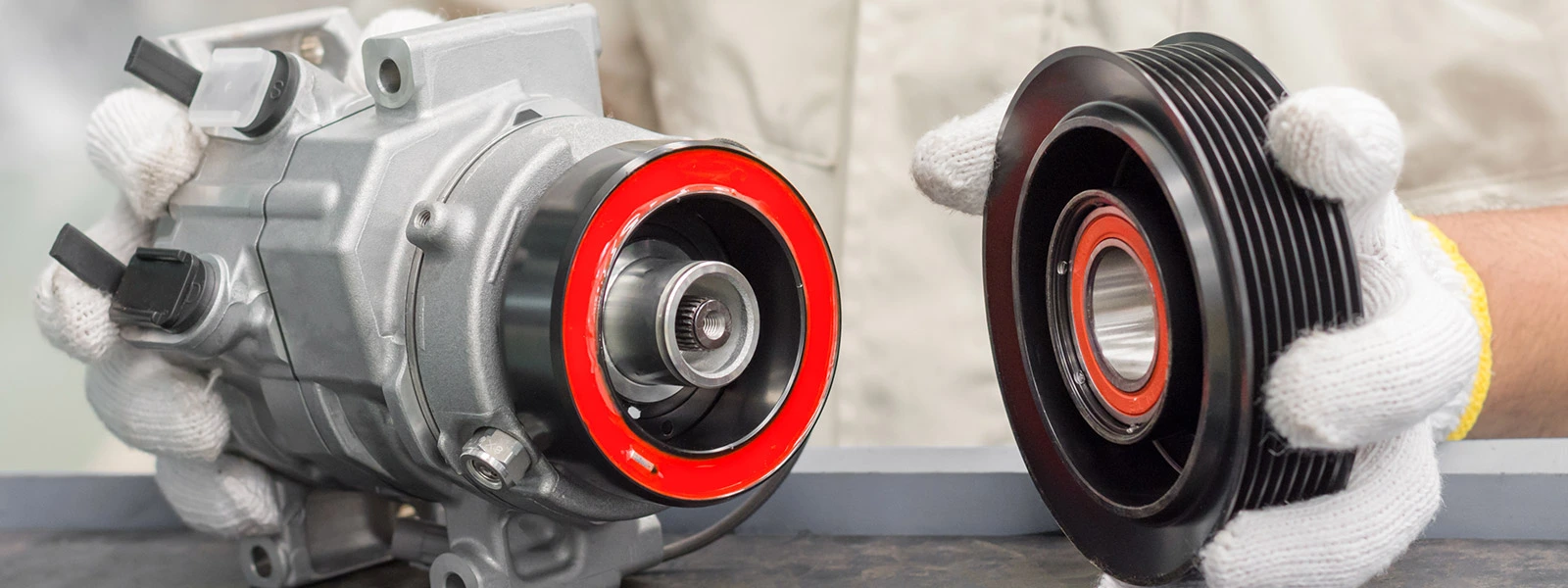
Common mistakes to avoid when adding AC compressor oil
Adding AC compressor oil is an essential maintenance task for your air conditioning unit, as it helps ensure smooth operation and longevity of the compressor. However, there are several common mistakes that people make when adding AC compressor oil that can actually cause harm to the unit rather than benefit it. In this article, we will discuss these common mistakes and provide advice on how to avoid them to keep your AC unit running smoothly.
Overfilling the AC compressor with oil is a prevalent mistake made during maintenance. Too much oil can cause excess pressure on the compressor and lead to mechanical failure. It's essential to check the manufacturer's specifications for the correct amount of oil needed for your specific AC unit. Adding too much oil can also cause oil to leak out of the unit, leading to a messy cleanup and further damage.

Using the incorrect type of oil is another error that people often make. Each AC unit is designed to use a specific type of compressor oil, and using the wrong one can cause damage to the compressor and other components. It's essential to refer to the manufacturer's guidelines to determine the correct type of oil for your AC unit. Additionally, please remember it's essential to make sure that the oil is compatible with the refrigerant used in your AC unit. If the oil and refrigerant are not compatible, it can cause damage to the compressor and other components.
To avoid these common mistakes, it's crucial to follow the manufacturer's guidelines for adding AC compressor oil. Use the recommended amount and type of oil and ensure that it is compatible with your AC unit's refrigerant. It's also important to check the oil level regularly and maintain it at the recommended level to ensure optimal performance.
FAQ about AC Compressor Oil
Q: What type of oil should I use on my AC compressor?
A: The type of oil you should use in your AC compressor depends on the manufacturer's recommendations. Refer to your owner's manual or consult with a professional to determine the appropriate oil type for your specific AC unit.
Q: Can I use automotive oil in my AC compressor?
A: No, you should not use automotive oil in your AC compressor. Automotive oil is not formulated for use in air conditioning systems and can cause damage to your AC unit. Use only compressor oil that is specifically designed for use in air conditioning systems.
Q: How often should I add oil to my AC compressor?
A: The frequency of adding oil to your AC compressor depends on the manufacturer's recommendations and the usage of the AC unit. Refer to your owner's manual or consult with a professional to determine the appropriate maintenance schedule for your specific AC unit.
Q: Is it necessary to add oil to a new AC compressor?
A: Yes, it's necessary to add oil to a new AC compressor before installing it in your unit. The amount and type of oil required will depend on the specific compressor model and brand. It's important to refer to the manufacturer's instructions or consult with a professional to ensure that you add the correct amount and type of oil.
In conclusion
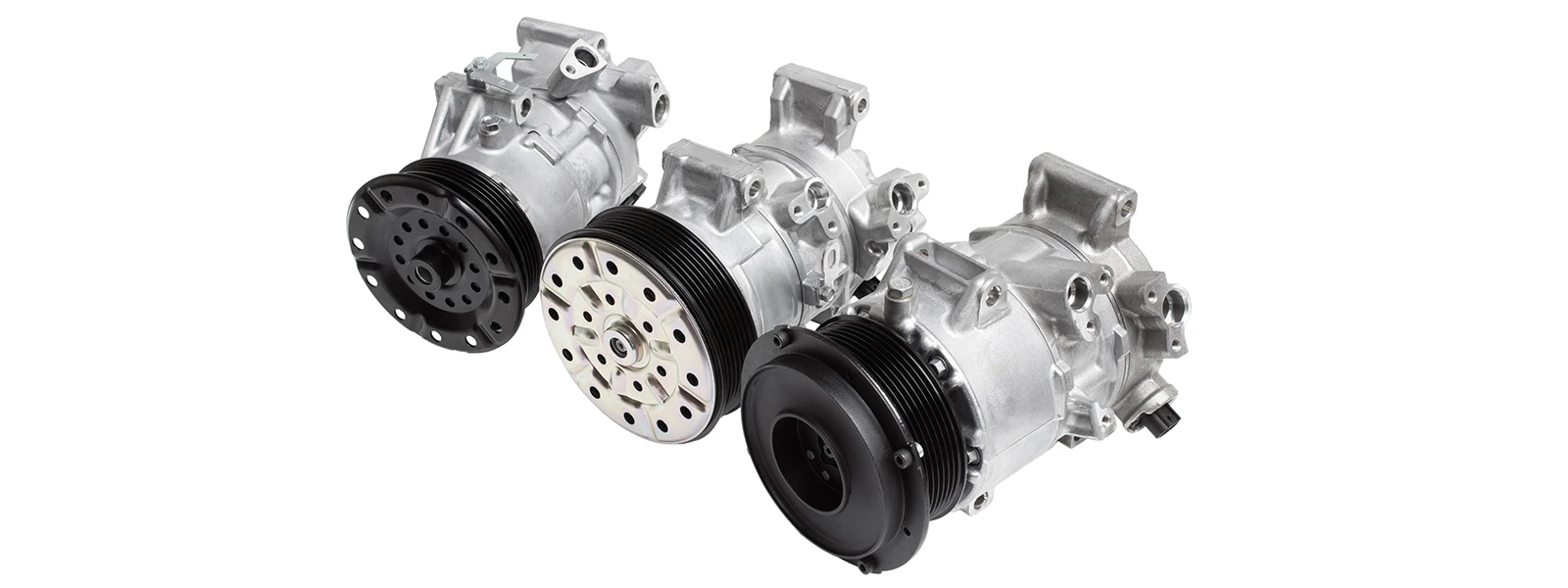
Choosing and adding the right AC compressor oil is essential for maintaining the performance and longevity of your air conditioning unit. It is important to consider factors such as viscosity, compatibility, and the specific model and brand of your AC unit when selecting the appropriate oil. Additionally, properly adding and maintaining the oil level in your AC compressor can prevent damage and ensure optimal performance. As a leading brand in the automobile parts industry, A-Premium offers high-quality AC compressors and other parts for your vehicle's air conditioning system. By following these guidelines and choosing A-Premium for your AC compressor needs, you can ensure that your air conditioning system runs smoothly and efficiently for years to come.


